

X-Men: Heroes, Society, and Acceptance
Discovering the X-Men: A Lesson About Heroes, Society, and Acceptance
Imagine you’re tuning into a show where everyone’s favorite unpredictable anti-hero, Deadpool, drops the mask (literally) and gives an epic English and history lesson. Today, we’re diving into the world of Marvel’s legendary superhero team: the X-Men.
The X-Men: More Than Just Superheroes
Did you know the X-Men were created in 1963 by Stan Lee, the same man who co-created Spider-Man, the Hulk, and many of your other favorite Marvel heroes?
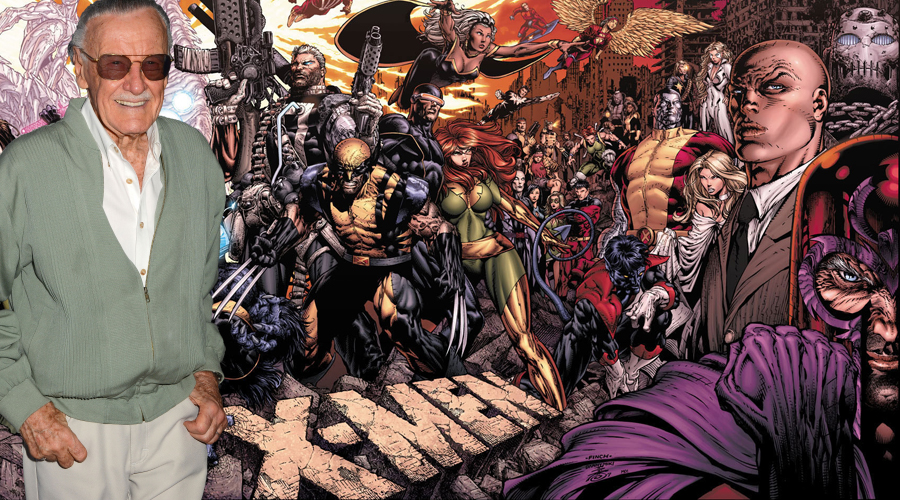
But the X-Men weren’t just created to fight bad guys. Their story was designed to represent real-life struggles, particularly those seen during the Civil Rights Movement in the United States. Stan Lee used the idea of mutant superheroes—people born with special powers—to talk about how society treats people who are “different.”
Mutants: Born Different
While many superheroes gain their powers through accidents (like being bitten by a spider or exposed to radiation), mutants are born with their abilities. They didn’t ask for powers—they just evolved differently.
In the Marvel Universe, most regular humans are scared of mutants. Why? Because they don’t understand them. And what we don’t understand, we often fear.
This fear turns to hatred. To control mutants, humans created giant robots called Sentinels to hunt and capture them. (Pretty extreme, right?)
Meet the Leaders: Professor X and Magneto
The two most important characters in the X-Men world are on opposite sides of a powerful debate.
🧠 Professor X (Charles Xavier)
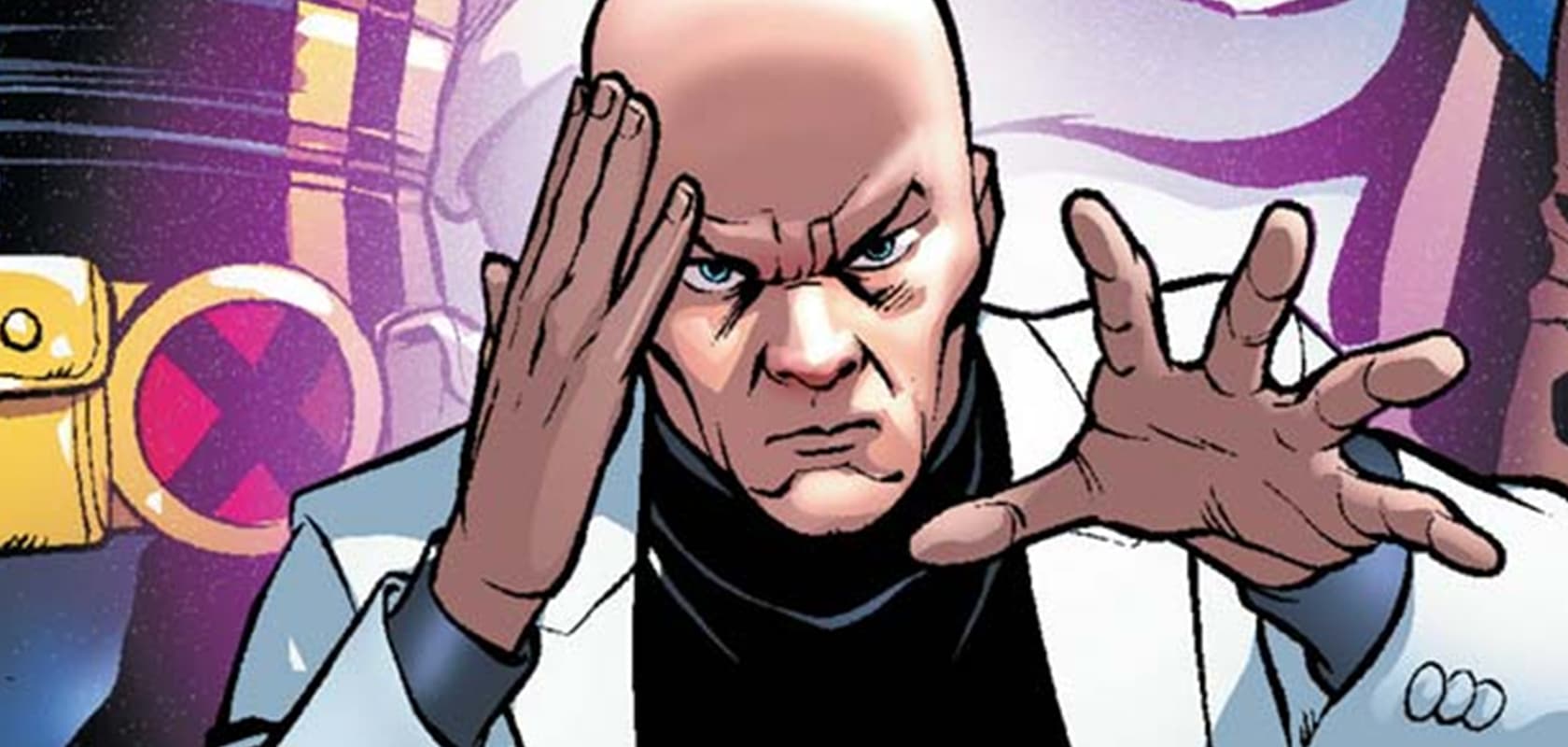
Professor X is the mentor and teacher of the X-Men. His character represents peace, compassion, and understanding.
He believes that mutants should use their powers to help both mutants and humans, even if humans are afraid of them or treat them badly. According to Professor X, the best response to fear and hate is kindness and leadership. He teaches mutants to control their powers for the benefit of all mankind.
“We X-Men learned something very special here: how to control our mutant powers for the benefit of mankind.”
🧲 Magneto

Magneto has a very different view. He and Professor X were once friends, but after humans harmed someone close to him, Magneto decided that mutants should only protect their own kind. He believes that coexistence between humans and mutants is impossible. If humans try to harm mutants, he isn’t afraid to fight back.
“Your professor’s dream is dead… Cling to this dying world or rise to your future!”
While Professor X represents hope and peace, Magneto represents protection and the anger that can grow after years of discrimination.
What Was Stan Lee Trying to Say?
Stan Lee once said: “There is no room for intolerance. There is no room for bigotry.” The X-Men story is not just about superheroes—it’s about accepting others, even when they’re different or misunderstood. Just like people in the real world fight for equality and fairness, the X-Men fight for acceptance in a world that fears them.
Quick Review: What Did We Learn?
Who are the X-Men? A team of superheroes who were born with powers (mutants).
Why are people afraid of them? Because most humans don’t understand their powers and fear them.
What does Professor X believe? Mutants should protect humans and lead with compassion—even when mistreated.
Who is Magneto? A powerful mutant who believes mutants and humans cannot live peacefully together.
What inspired the X-Men’s story? The Civil Rights Movement—a fight for equal treatment for all people.
Vocabulary Highlights
Mutant – someone born with special powers
Persecution – unfair treatment, usually because of differences
Ignorance – not understanding something
Compassion – caring for others, especially when they’re hurt or misunderstood
Oppression – cruel or unfair control
Evolved – changed or developed into a more advanced form
The X-Men teach us that being different doesn’t mean being wrong. We should always try to understand others and treat everyone with kindness—even if we don’t fully understand their experiences or abilities. Next time you see a superhero story, ask yourself: What real-life lessons are hiding behind the action scenes?






 English
  繁體中文
繁體中文  日本語
日本語  한국어
한국어  ไทย
ไทย  Bahasa Indonesia
  Tiếng Việt
  Français