
Build an English Word Bank for Real Life: Travel, Food, Tech & Health | 生活英文單字
本文重點:這篇生活英文(everyday English)指南教你用「主題式」方法建立自己的英文單字庫,涵蓋旅遊、飲食、科技與健康四大情境。專為台灣上班族設計,重點不是背更多單字,而是讓正確的字在真實情境中自然浮現。適合正在準備多益(TOEIC)、出差、或想加強商業英文與英文口說能力的學習者。這是最實用的生活情境英文單字學習法。
Ask a Taiwanese professional what makes English feel hard, and you will rarely hear “grammar.” More often it is a very specific kind of frustration: standing at a boarding gate, sitting at a business dinner, or waiting in a doctor’s office, reaching for a word that simply is not there. The grammar is fine. The vocabulary exists somewhere in memory. But it does not arrive when the moment demands it. That gap — between words you have studied and words you can actually use — is exactly what a topic-based word bank is built to close.
The idea is simple. Instead of collecting English words the way you might collect stamps — one here, one there, with no connection between them — you group them by the real-life situations where they belong. Travel words live together. Food words live together. Technology and health each get their own cluster. This article is not another list to memorize. It is a guide to building the kind of vocabulary that shows up on time.
Why Topic-Based Words Actually Stick | 為什麼主題式單字更好記
Memory does not store words in a neat alphabetical file. It stores them in webs of association(聯想記憶). When you learn “boarding pass” next to “gate,” “aisle seat,” and “layover,” each word becomes a hook for the others. Recall one and the rest come along for the ride. This is why a random list of fifty unconnected words fades within a week, while ten words tied to a single scene — checking in for a flight, say — tend to survive.
For a busy professional, this matters in a very practical way. You do not have hours to burn. Topic clustering makes every minute of study more efficient, because you are not just memorizing meaning — you are pre-loading a whole situation. When that situation arrives in real life, it acts as a trigger, pulling the words out of storage almost automatically. This is also why classroom “survival English” often fails: it teaches isolated phrases with no situational glue holding them together.
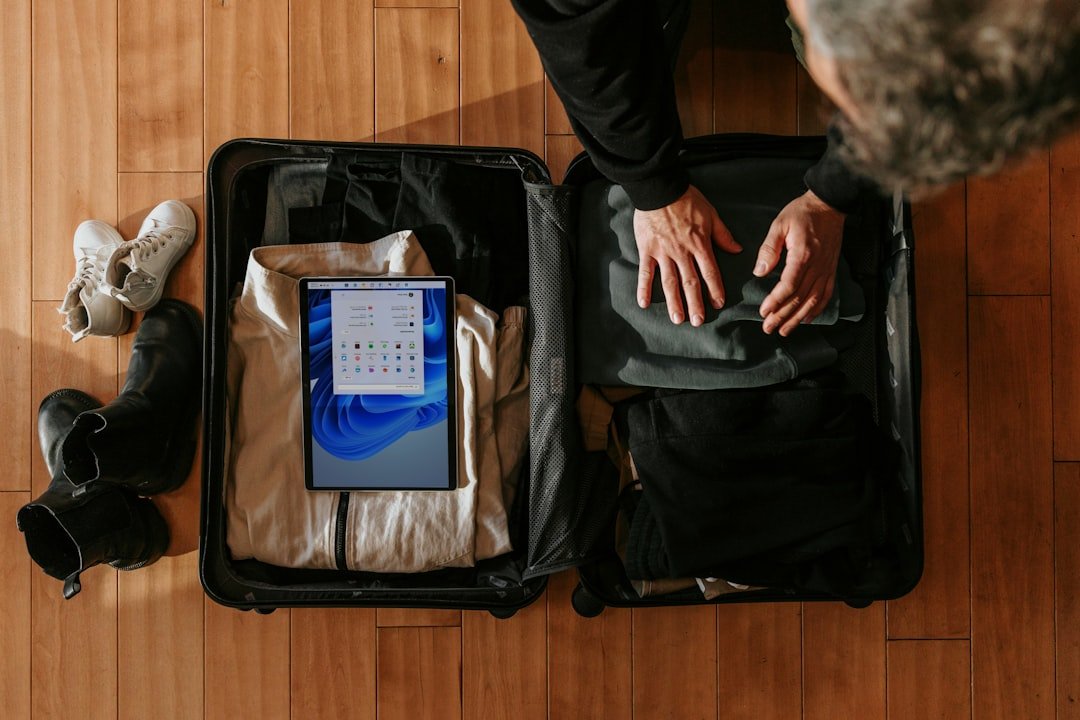
There is one more advantage worth naming. A topic-based word bank is personal. The travel words a flight attendant needs differ from the ones a software consultant needs. As you build your own clusters around the situations you truly live in, you stop studying “English in general” and start studying the English of your actual life. That relevance is the strongest memory glue of all.
Travel: Words That Move With You | 旅遊英文
Travel is where most learners first feel the cost of missing vocabulary, because the stakes are immediate — a missed connection, a misunderstood instruction, a hotel problem you cannot describe. The good news is that travel English is highly predictable. The same fifty or so words carry you through almost any airport, station, or hotel on the planet, from Taoyuan to Heathrow.
Start with the airport itself, then let the cluster branch outward into hotels and getting around. Notice how each word belongs to a scene rather than floating alone:
- itinerary(行程表)— your full travel plan;整趟旅程的安排
- boarding pass(登機證)— the ticket you scan at the gate;在登機門掃描的憑證
- layover(轉機、中途停留)— a stop between two flights;兩段航班之間的停留
- bea cukai(海關)— where they check what you bring into a country;入境時查驗行李的地方
- aisle seat(走道座位)— the seat next to the walkway;靠走道的位子
- currency exchange(貨幣兌換)— trading one country’s money for another’s;把外幣換成當地貨幣
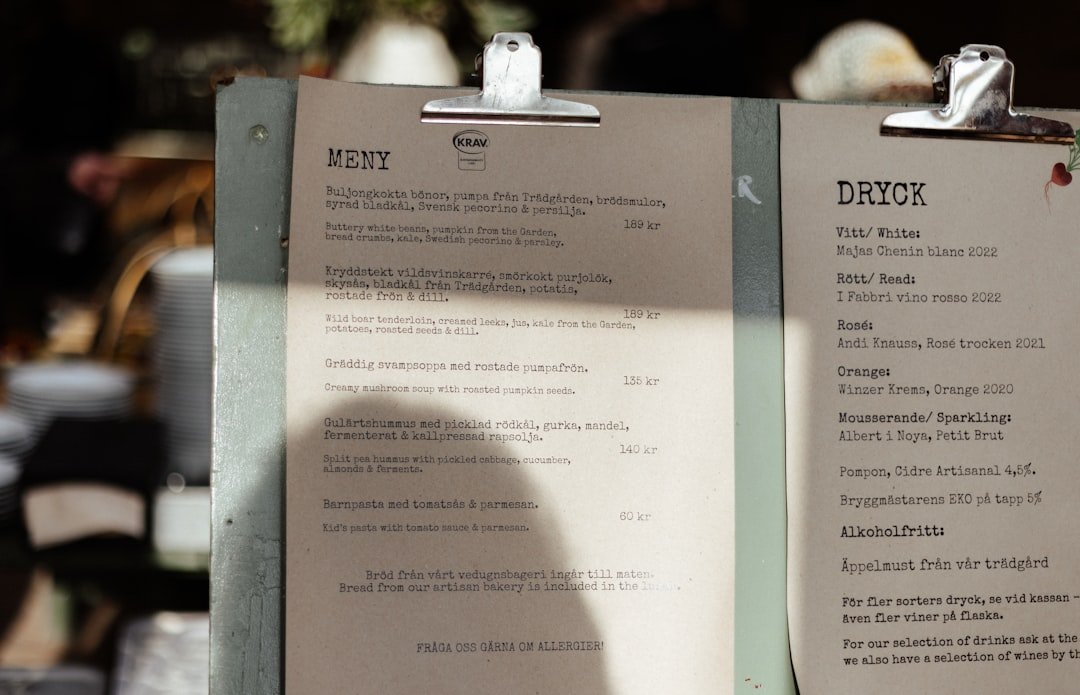
The trick with travel vocabulary is to rehearse it as short scripts, not single words. “Is this a direct flight or is there a layover?” is worth more than the word “layover” on its own, because the sentence is what you will actually say. Practice the scene, and the words arrive already assembled.
Food: Beyond the Menu | 飲食英文
Ordering food in English feels easy until something goes slightly off-script — you want to modify a dish, split a bill, or explain that you cannot eat something. This is where a shallow vocabulary shows its limits. A deeper food cluster turns a stressful dinner into an ordinary one, and for professionals it doubles as business-dinner English(商業英文、商務聚餐用語), where the ability to host smoothly leaves a real impression.
- appetizer(開胃菜、前菜)— a small dish before the main course;主餐前的小菜
- medium rare(三分熟)— how you want your steak cooked;牛排的熟度說法
- dietary restriction(飲食限制)— foods you cannot or will not eat;不能或不吃的食物
- separate checks(分開結帳)— each person pays their own bill;各自付各自的帳
- leftovers(剩菜、打包)— food you take home;帶回家的剩餘餐點
- the tab(帳單)— the total you owe;用餐應付的總金額

Food vocabulary rewards a little cultural range. “Could we get separate checks?” is normal in North America but almost rude in some cultures where one host pays for all. Learning the words alongside when to use them is what separates textbook English from the kind that makes you sound natural. Pay attention, too, to the small politeness words — “Could I get…,” “Would it be possible to…” — that turn a demand into a request.
Technology: The Language of Modern Work | 科技英文
For most professionals, technology English is no longer optional — it is the daily language of email(電子郵件), video calls(視訊會議), and shared documents. Yet it is often the most neglected cluster, because the words feel “obvious” until a real support call or a cross-border meeting exposes the gaps. This is high-leverage vocabulary: a small set of terms that appears in nearly every workday.
- attachment(附件)— a file sent with an email;隨電子郵件寄出的檔案
- update(更新)— a newer version of software;軟體的新版本
- backup(備份)— a saved copy in case of loss;以防遺失的備用檔案
- troubleshoot(排除故障)— to find and fix a problem;找出並解決問題
- notification(通知)— an alert from an app or device;應用程式的提醒訊息
- credentials(帳號密碼)— your login username and password;登入用的帳號與密碼
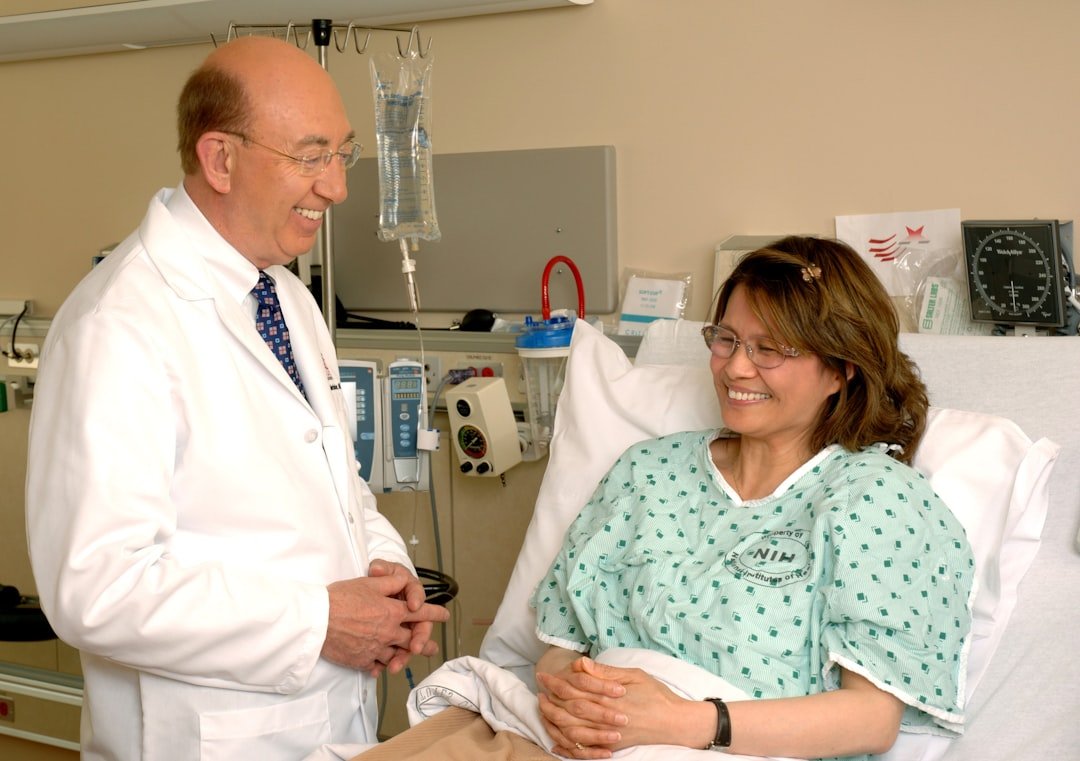
Technology vocabulary moves fast, so build the habit of capturing new terms as you meet them. When a colleague says “let’s circle back after I sync the files,” that is two pieces of workplace English worth banking on the spot. Because these words repeat so often, they reward you quickly — you will use “attachment” or “reschedule” many times in a single week, and repetition in real context is the fastest path to fluency.
Health: Words for Body and Mind | 健康英文
Health English is the cluster people ignore until the moment they need it most — abroad, unwell, and unable to explain what is wrong. It is worth building precisely because the stakes are high and the vocabulary is not intuitive. Describing a symptom accurately, understanding a doctor’s instructions, or reading a medicine label are skills that can genuinely protect you.
- symptom(症狀)— a sign that something is wrong with your body;身體不適的徵兆
- prescription(處方箋)— medicine a doctor orders for you;醫師開立的藥方
- appointment(預約看診)— a scheduled time to see a doctor;預約好的看診時間
- dosage(劑量)— how much medicine to take and how often;用藥的份量與頻率
- checkup(健康檢查)— a routine health examination;例行的身體檢查
- coverage(保險給付)— what your insurance will pay for;保險理賠的範圍

With health vocabulary, precision beats fluency. Being able to say “I have a sharp pain here, and it started two days ago” is more useful than a large medical vocabulary you cannot deploy under stress. Rehearse the simple, high-value sentences — describing where it hurts, how long it has lasted, and whether you have any allergies (過敏) — and you will handle the situation calmly if it ever comes.
Turning Word Lists Into Real Fluency | 把單字變成真正的流利度
Building clusters is only half the work. A word bank you never withdraw from is just a museum. The learners who make topic vocabulary stick tend to share a few habits, and none of them involve staring at flashcards for hours.
Use Every Word in a Sentence You Would Actually Say | 用真實句子練習
A word only becomes yours when you have said it inside a full, natural sentence. As you add each term to a cluster, write one line you can imagine speaking: not “dosage: 劑量,” but “Could you tell me the correct dosage for this?” You are storing the word already wired into a sentence, which is how it will need to come out later.
Space Out Your Reviews | 用間隔重複複習
Reviewing a cluster once and moving on guarantees you will forget it. Reviewing the same cluster briefly after a day, then a few days, then a week — a method called spaced repetition(間隔重複)— is what moves words into long-term memory(長期記憶). Five focused minutes on your commute beats an exhausting hour on Sunday night.
Attach Learning to Real Triggers | 把學習綁在真實情境上
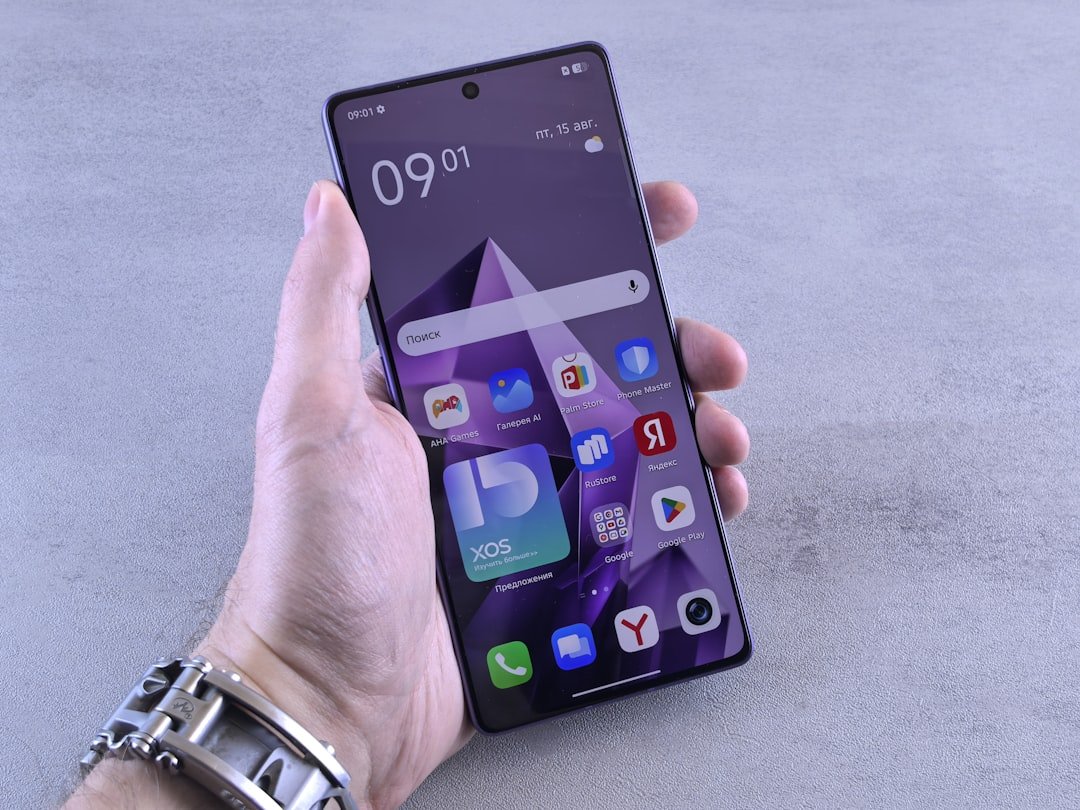
The most powerful review happens in the wild. Before a flight, spend two minutes on your travel cluster. Before a doctor’s visit, glance at your health words. This is where a private tutor or English conversation partner (英文家教) earns their value — not to drill grammar, but to rehearse the exact situation you are about to face, so the words are warm and ready when it counts.
Making It a Weekly Habit | 讓學習成為每週習慣
You do not need a new app or an expensive course to start. A simple notebook(筆記本), a note on your phone(手機備忘錄), or a shared document is enough. Give each of the four domains its own page — travel, food, technology, health — and add one or two words whenever real life hands them to you. Overheard a phrase in a meeting? Bank it in the technology page. Confused by a menu? Bank it in food. The bank grows naturally, shaped entirely by the life you actually lead.
The goal is not a huge vocabulary. It is a reliable one — the right words, in the right cluster, ready the moment the situation arrives. Build that, and English stops feeling like a subject you study and starts feeling like a tool you own. If you want a physical home for your word bank, a small pocket notebook works beautifully; you can find one here: vocabulary notebooks on Amazon.

Sources | 參考資料
- Kamus Cambridge — definitions and example sentences for every word in your clusters
- BBC Belajar Bahasa Inggris — free lessons organized by everyday topic
- Dewan Inggris — vocabulary and situational-English learning resources
- Merriam-Webster — American English definitions and usage notes
Looking for free ESL worksheets for your classroom? Browse our free worksheet library →
Are you a teacher? Find lesson resources and worksheets at TahricTeaches.com.




 Bahasa Indonesia
  English
  繁體中文
繁體中文  日本語
日本語  한국어
한국어  ไทย
ไทย  Tiếng Việt
  Français