
How to Build English Vocabulary with Word Roots | 英文字根字首法: Decode 10,000 Words from Greek & Latin Stems
本文重點:本文介紹英文字根字首法 (English word roots method),適合台灣上班族 (Taiwan professionals) 系統性建立英文單字 (英文單字學習) 基礎。學會約 100 個希臘字根與拉丁字根 (Greek and Latin roots),可解碼一萬個以上英文單字,比死背單字書 (背單字) 更有效率,適用多益、托福、商業英文 (TOEIC, TOEFL, business English) 與英文閱讀理解。
You sit down with a vocabulary book, write out fifty new words, and three weeks later you remember maybe twelve. The other thirty-eight have evaporated. If this sounds familiar, the problem is not your memory — it is your method. Memorizing English words one at a time is the slowest possible way to build a working vocabulary (英文單字量). There is a faster path, and it is older than every flashcard app on your phone: word roots (字根). Learn the building blocks of English from Greek and Latin (希臘語與拉丁語), and you stop memorizing words one by one. You start decoding them in groups of twenty, fifty, or a hundred at a time.

Why Memorizing Word Lists Fails | 為什麼背單字書會失敗
Most Taiwanese English learners (台灣英文學習者) own a closet of vocabulary books — 7000-word lists, TOEIC (多益) word lists, GRE word lists, IELTS (雅思) word lists. Very few of those words ever make it into real speech or writing. The reason is structural: you are trying to learn English vocabulary as if every word were independent, when in fact roughly 60% of all English words are built from a small number of recurring Latin and Greek parts.
When you memorize transport, transmit, transfer, transcribe, translate, Dan transition as six separate words, you are doing six times the work for one tiny insight: trans- means across. Once you actually own that prefix (字首), those six words become free, and so do another forty you have not even met yet. That is the leverage no flashcard deck (單字卡) on its own can give you.
The Morphology Shortcut | 構詞學捷徑
Linguists call the study of how words are built morphology (構詞學). For English vocabulary builders (英文單字學習者), the practical version is simpler: every long English word is usually a Lego construction of three slot types — root, prefix, and suffix.
Roots, Prefixes, Suffixes | 字根、字首、字尾
A root (字根) carries the core meaning. A prefix (字首) attaches to the front and modifies that meaning. A suffix (字尾) attaches to the back and usually marks the part of speech. Take the word predictable:
- pre- (prefix) — before
- dict (root) — to say
- -able (suffix) — capable of
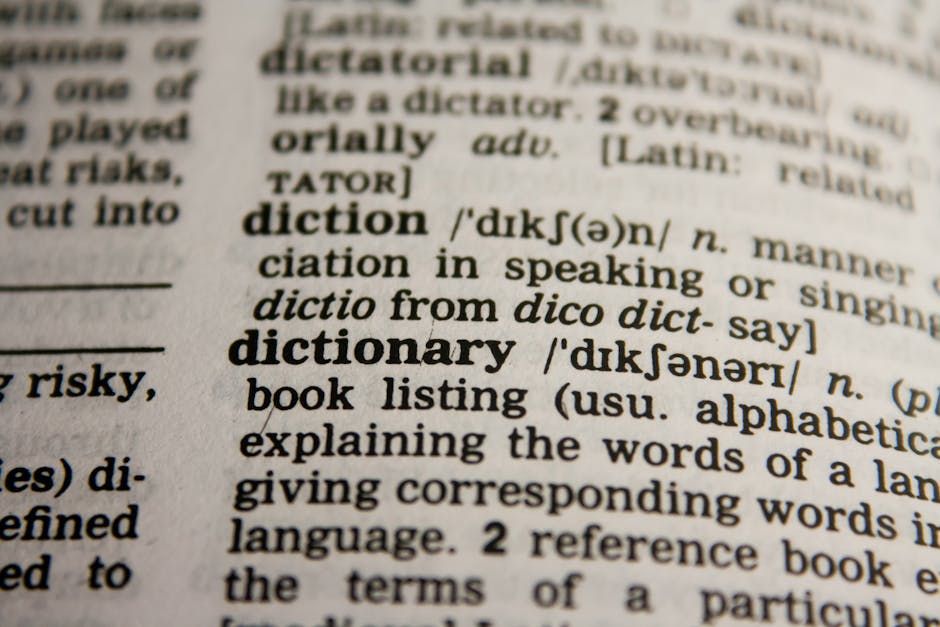
Together: capable of being said before → predictable. If you know pre-, dict, Dan -able, you also instantly understand: prediction, predictor, dictate, dictation, contradiction, contradict, dictionary, dictum, edict, indictment. Eleven words for the price of three pieces. Multiply that arithmetic across a hundred well-chosen roots and the scale of the payoff becomes obvious.
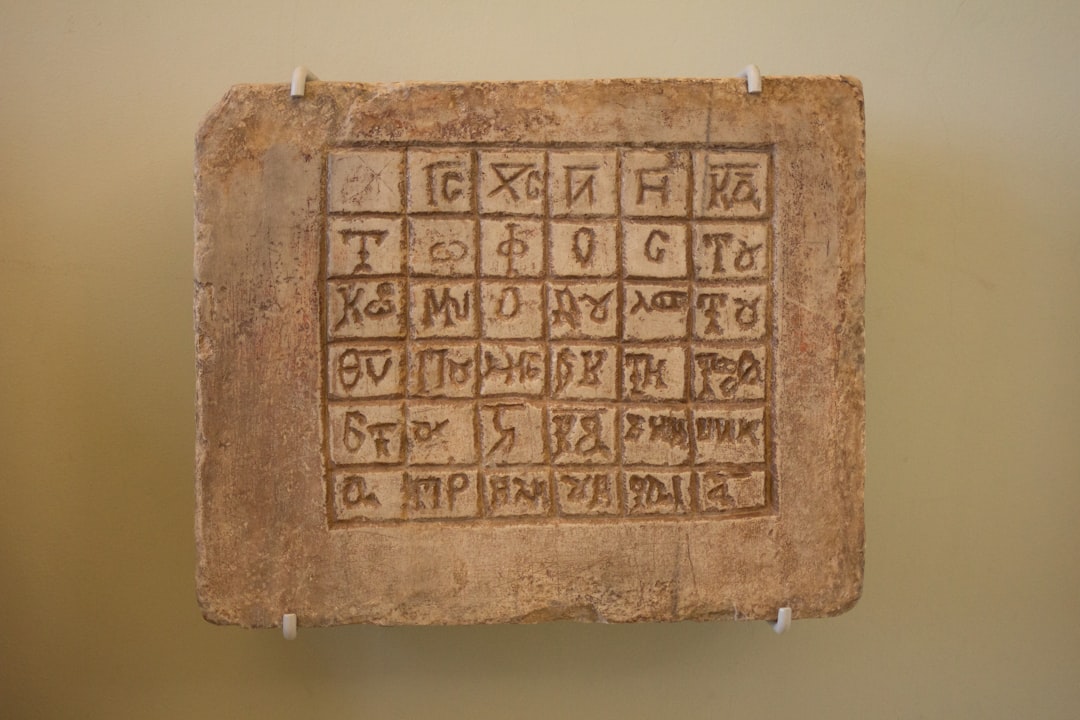
10 High-Leverage Latin Roots | 10 個高頻拉丁字根
Latin (拉丁文) gave English roughly 60% of its formal, academic, and legal vocabulary. The roots below appear in thousands of common English words and are the highest-return investment for any Taipei professional (台北上班族) studying for TOEIC or business English (商業英文).
- spec / spect — to look: inspect, spectator, perspective, suspect, retrospect
- port — to carry: transport, import, portable, deport, support
- dict — to say: dictate, predict, contradict, edict, verdict
- struct — to build: construct, instruct, structure, destruction, infrastructure
- ject — to throw: project, reject, inject, eject, subject
- scrib / script — to write: describe, manuscript, prescription, subscribe, transcript
- vert / vers — to turn: convert, reverse, divert, version, controversy
- duc / duct — to lead: conduct, produce, induct, deduce, introduction
- mit / miss — to send: transmit, mission, dismiss, submit, permission
- cred — to believe: credit, incredible, credible, credentials, discredit
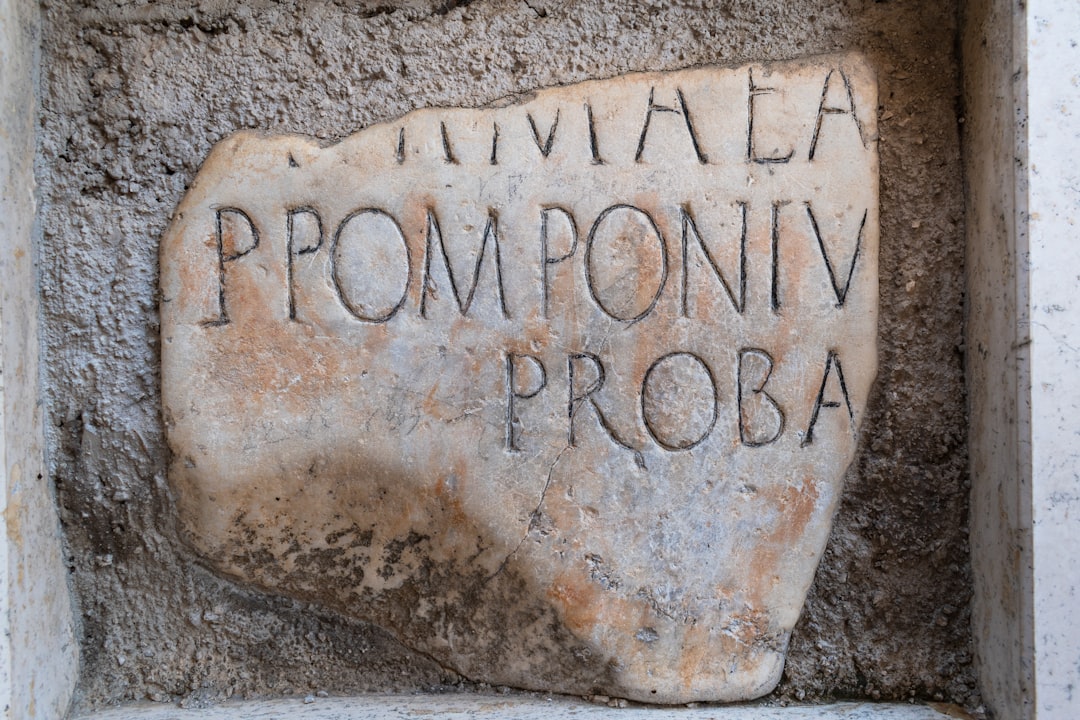
10 High-Leverage Greek Roots | 10 個高頻希臘字根
Greek (希臘文) supplies most of English’s scientific, technical, and medical vocabulary — exactly the territory Taipei professionals need for finance (財經英文), tech (科技英文), engineering, and medical work.
- bio — life: biology, biography, antibiotic, biome, biodegradable
- graph / gram — to write: paragraph, photograph, graphic, biography, telegram
- log / logy — word, study: dialogue, biology, technology, prologue, monologue
- phon — sound: phone, symphony, phonics, microphone, megaphone
- tele — far: telephone, telescope, television, telegram, telecommute
- chron — time: chronic, chronology, synchronize, anachronism, chronicle
- meter / metr — measure: thermometer, parameter, diameter, perimeter, symmetry
- micro — small: microscope, microbe, microwave, microphone, microeconomics
- macro — large: macroeconomics, macroscale, macrobiotic, macromolecule
- demo — people: democracy, demographic, epidemic, pandemic, endemic
8 Essential Prefixes | 8 個必備字首
Prefixes (字首) are even higher leverage than roots because they tend to keep their meaning intact across centuries and across thousands of host words. Master these eight and you will recognize a modifier on roughly one in three formal English words.
- un-, in-, im-, ir-, il- — not: unhappy, invisible, impossible, irregular, illegal
- re- — again, back: return, rewrite, recall, review, reconnect
- pre- — before: preview, predict, prevent, prepare, prefix
- post- — after: postpone, postwar, postscript, postgraduate
- sub- — under: submarine, subway, subordinate, subtitle, subtract
- super- — above: supervisor, superhuman, superscript, superior, supermarket
- inter- — between: international, interrupt, intersection, internet, intervene
- trans- — across: transport, translate, transfer, transmit, transparent
How to Practice Word Roots | 字根練習方法
Knowing the list is not the same as owning it. The list does nothing in your head until you put it through three rounds of practice (英文練習). The sequence below is what works for adult learners studying alongside a full-time job.
Step 1 — Build an Etymology Notebook | 字源筆記本
Start a single notebook (paper or Notion — both work). For each new root, write the root, its meaning, and four to six example words. Crucially, write at least one personal example sentence using one of those words — about your job, your commute through Taipei (台北), your weekend plans. Personal sentences beat abstract sentences every single time the brain decides what to keep.
Step 2 — Decode Before You Look Up | 先解碼再查字典
Whenever you encounter an unfamiliar English word in reading or listening, freeze before reaching for the dictionary (英漢字典). Look at the word. Break it into pieces. Guess the meaning from the parts you know. Only then check. This single habit turns every reading session into vocabulary practice — the act of attempting to decode the word is what writes it into long-term memory.
Step 3 — Build Word Webs | 建立單字網
Once a week, pick one root and brainstorm every English word you can think of that contains it. Write each word with its definition. The goal is not coverage — it is the act of pulling related words into one mental cluster. The brain stores clustered information far better than isolated items, which is why mind maps (心智圖) outperform raw word lists for almost every adult learner.
Common Mistakes Taiwanese Learners Make | 台灣學習者常犯的錯
After two decades of teaching English in Taipei (台北英文家教 background), the same root-method mistakes show up across students from cram schools (補習班) to corporate classrooms. Avoiding these three saves months of wasted effort.
Treating Roots Like a Memorization Race | 把字根當死背
Memorizing fifty roots in a weekend produces almost nothing usable. Five roots per week, applied to real reading and writing, produces fluent decoding by month three. The point of roots is leverage, not volume — and leverage requires depth of practice, not breadth of memorization.
Learning a language is not collecting words. It is building a shape in the brain that words snap into.
Ignoring Pronunciation | 忽略發音
Roots are not just for reading. Speak each new word aloud — at full conversational volume, not a mumble. Vocabulary you cannot pronounce will not surface in real conversation (英文口說), no matter how well you can recognize it on a page. Pair every reading session with a five-minute read-aloud session.
Skipping Modern Office Words | 略過現代商業詞彙
Many learners obsess over classical roots while ignoring everyday office vocabulary (商業英文 / 辦公室英文). Bridge the two: when your boss says outsource in a Monday meeting, ask yourself what out- Dan source are doing inside that word. Modern English is still being built from the same Lego pieces.

Word Roots vs. Other Vocabulary Methods | 字根法 vs. 其他方法
Word roots do not replace spaced repetition (間隔重複法 / Anki), extensive reading (廣泛閱讀), or collocations (搭配詞) practice. They sit underneath all three and make each one faster.
- With Anki: When you add a new card, also add a roots-decoded breakdown on the back. Recall jumps because the card now connects to dozens of words instead of standing alone.
- With reading: Decoding cuts dictionary lookups in half, which keeps you in the flow of the book instead of bouncing between pages.
- With collocations: Roots help you predict which preposition or noun pair will sound natural — submit to, transmit through, contradict with.
Roots are infrastructure. Other methods are traffic. Build the roads first and every other vocabulary practice runs faster on top of them.

Your 30-Day Word Roots Plan | 30 天字根計畫
The plan below assumes about twenty minutes per day — realistic for a working professional in Taipei (台北上班族時間管理). Compress or stretch it as needed, but keep the order.
- Day 1–7: Memorize the ten Latin roots above. One per day. Generate ten example words for each in your notebook.
- Day 8–14: Same drill with the ten Greek roots. Add a personal example sentence to each entry.
- Day 15–21: Add the eight prefixes. Each morning, read one short news article (BBC, Reuters, Taipei Times) and decode every long word using only the parts you have learned so far.
- Day 22–30: Pick one root per day and write a 100-word paragraph using at least four words from that root family. Output (英文寫作 output) cements memory faster than any flashcard ever will.
By day 30 you will have decoded somewhere between 800 and 1,200 English words from a base of fewer than thirty word parts. Push the same method through three more months and the figure crosses ten thousand. That is the leverage (槓桿) no traditional vocabulary book can match — and it is the reason word roots remain the highest-return method for serious adult English learners (成人英文學習者) anywhere in Taiwan.
Sources | 參考資料
- Khan Academy — Latin and Greek Roots and Affixes
- Merriam-Webster Dictionary — Etymology Entries
- Oxford English Dictionary — Word Histories
- Cambridge Dictionary — Word Family Resources
- Online Etymology Dictionary (Etymonline)
Looking for free ESL worksheets for your classroom? Browse our free worksheet library →
Are you a teacher? Find lesson resources and worksheets at TahricTeaches.com.
Shop on Amazon
Vocabulary Books on Amazon →
As an Amazon Associate we earn from qualifying purchases.






 Bahasa Indonesia
  English
  繁體中文
繁體中文  日本語
日本語  한국어
한국어  ไทย
ไทย  Tiếng Việt
  Français