小学校英語学習:子どもたちが知っておくべきこと
國小英語教育 (小学校英語教育)-保護者のための学年別ガイド
お子様が何を学ぶべきかを理解する 國小英文 (初級英語) お子様の教育をサポートし、追加の支援が必要な時期を特定するのに役立ちます。台湾の英語カリキュラムには具体的なガイドラインがありますが、実施方法は学校によって異なります。.
台湾では英語の授業はいつから始まりますか?
公式ルール:英語の授業は3年生から始まる 台湾の国家カリキュラムガイドラインに基づきます。.[1] しかし、現実はもっと複雑だ。
- 正式な開始時期:3年生 -教育省は3年生からの英語教育を義務付けている
- 多くの自治体はより早く始める 台北、新北市、その他の都市では、多くの場合、小学校1年生から始まります。
- 私立学校 幼稚園や小学校1年生から英語の授業を頻繁に提供している。
- バイリンガル2030 インパクト ―政府の取り組みは、全国的に英語への早期接触を推進している。[2]
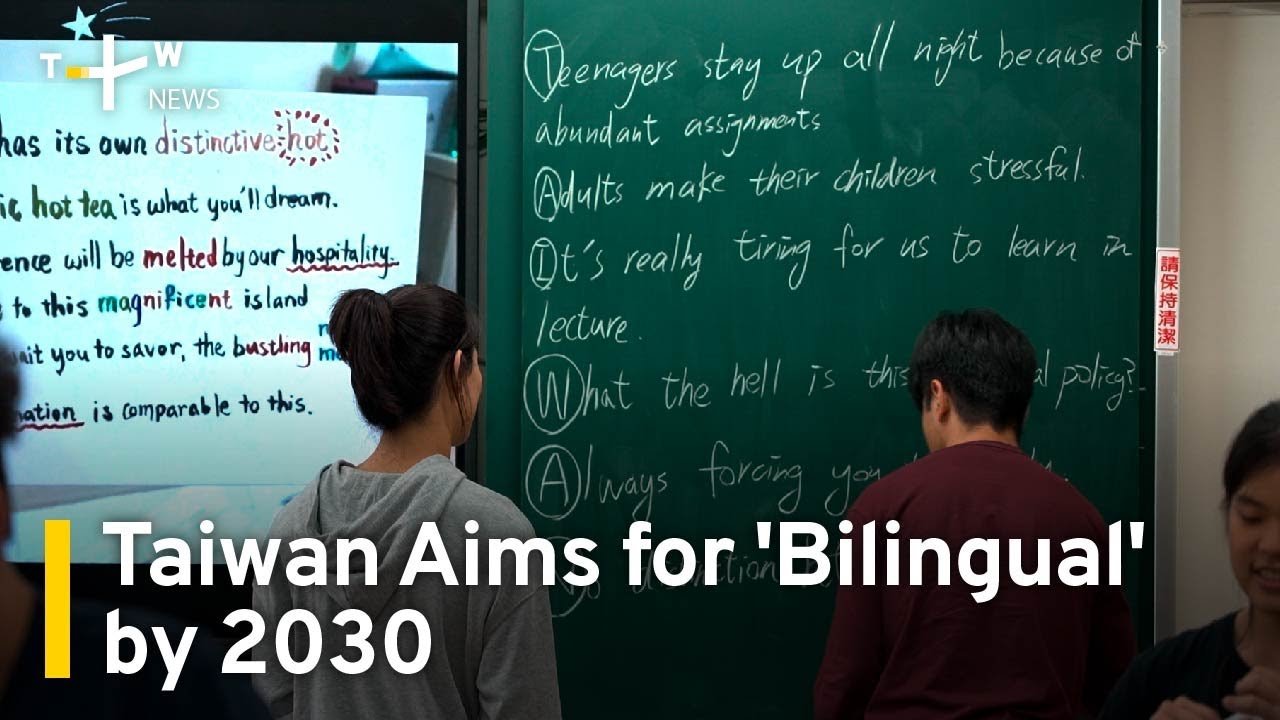
これはつまり 同じ学年の生徒でも、英語のバックグラウンドは大きく異なることがある。 学校や地域によって状況は異なります。台北の小学3年生は英語を2年間学んでいるかもしれませんが、地方から転校してきた同級生は英語を始めたばかりかもしれません。.
台湾の小学校英語カリキュラム概要
文部科学省のカリキュラムガイドラインに基づき、小学校の英語教育は、聞く、話す、読む、書くといった基礎的なスキルを育成することを目的としている。.[1]
カリキュラムの中核となる目標は以下のとおりです。
- 基本的なリスニング力とスピーキング能力を養う
- 基礎語彙の構築(6年生までに約300~500語)
- 基本的な読み書きスキルを紹介する
- 英語学習への関心と前向きな姿勢を育む
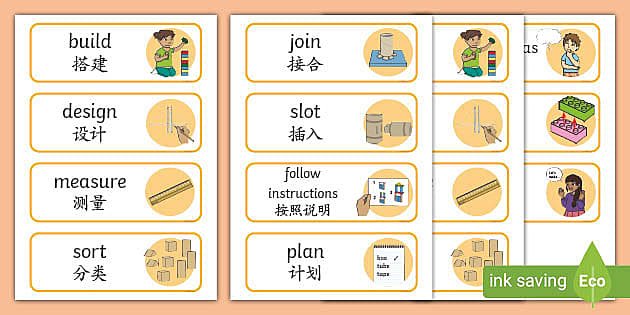
学年別英語力向上
小学1年生~2年生(6歳~8歳)
焦点:リスニングとスピーキングの基礎
注:すべての学校がこのレベルの英語を提供しているわけではありません。
早期英語指導を受ける生徒の場合:
- 英語の音を認識し、発音する
- 基本的な挨拶や教室で使うフレーズを学ぶ
- 英語の簡単な指示に従う
- 歌を歌ったり、韻を踏んだりする
- 色、数字、動物、家族に関する語彙を増やす
小学3年生~4年生(8歳~10歳)
重点:コアスキルの構築
ほとんどの公立学校で英語の授業が正式に開始される。
正式な英語教育は通常この時期から始まります。
- フォニックスと文字と音の関係を学ぶ
- 簡単な文章や短いテキストを読む
- 文字、単語、基本的な文章を書く
- 日常的な話題(食べ物、天気、趣味など)に関する語彙を増やす
- 身近な話題についての簡単な会話
小学5年生~6年生(10歳~12歳)
焦点:流暢さの向上
高学年の小学生は、基礎の上にさらに発展させていきます。
- 長文や簡単な物語を読む
- 段落や短い作文を書く
- 基本的な文法構造(時制、文型)を学ぶ
- 日常生活、学校、趣味などについて話し合う
- 中学校英語への移行準備
早期スタートのメリット
研究によると、小学3年生になる前に英語を始めた子供は、大きなメリットを得られることが一貫して示されている。[3]
- より良い発音 幼い学習者はより自然に音を習得する
- より強固な基盤 語彙力と文法力を高めるための時間が増える
- 自信の向上 英語が外国語というより自然に感じられる
- よりスムーズな移行 中学校の要求によりよく対応できる準備
そのため、台湾の多くの親は、 英文補習班 (英語塾) 公立学校の授業の前、または授業と並行して行われる。.
お子様に追加のサポートが必要かもしれない兆候
特定の兆候は、お子様が補助的な治療を受けることで恩恵を受ける可能性があることを示しているかもしれません。 國小英文 (初級英語) 命令:
- 授業活動についていくのに苦労している
- 英語の授業に対する抵抗感や不安
- 発音や英単語の読みに困難がある
- 同年代の人たちと比べて、話すことへの自信が低い
- クイズやテストの点数が常に低い
- 小学校1年生から英語を始めた同級生よりも遅れて英語を始める
早期介入が鍵となる。研究によると、小学校で学習が遅れた生徒は、後になって追いつくのに苦労することが多い。.[4]
どうやって 英文補習班 小学生をサポートできます
質の高い補習英語プログラムは、以下の点で学校の授業を補完することができます。
- より多くのスピーキング練習を提供する 学校の授業は大人数が多く、個々の発言時間は限られていることが多い。
- 没入型の環境を提供する 英語のみの指導は学習を促進する
- 個々のニーズに対応する 少人数制のクラスでは、教師が生徒の学習進度を把握し、それに対応できる。
- 早めに始める 学校で英語教育が提供されていない場合は、3年生になる前に英語に触れる機会を与える。
- 教科書を超えて 魅力的なコンテンツは、興味とモチベーションを維持する。
小学校英語プログラムを選ぶ際に注目すべき点
選ぶとき 國小英文補習班 (小学校英語):
1. 年齢に応じた方法
- ゲーム、歌、インタラクティブなアクティビティ
- 教科書通りの反復練習だけではない
2. 資格のある教師
- 幼い学習者との交流経験
- 忍耐強く、励ますような指導スタイル
3. 包括的なカリキュラム
- 聞く、話す、読む、書くという4つのスキルすべて
- 読み書き能力の発達のためのフォニックス指導
4. 少人数制クラス
- 生徒一人ひとりに個別の指導を行う
- 豊富なスピーチの機会
18K English: 士林の小学生を支援する
18K英語で 士林區天母 (士林区天母), 当校は、小学1年生から高校3年生までの生徒を対象とした英語教育を専門としており、特に初等教育に強みを持っています。.
私たちの 國小英文 プログラム:
- ダイナミックなカリキュラム 興味深いトピックを通して若い学習者を引き込む
- 経験豊富な教師 子どもの学習方法を理解している人
- 少人数制クラス すべての子どもが積極的に参加できるようにする
- 読書、執筆、科学、時事問題 – 全て英語
- 20年以上 小学生との経験
位置: 中山北路30路14巷11-1号1階秒士林区7
接触: (02) 2874-3003
お子様の英語の未来に投資しましょう
お子さんの学校で英語が1年生から始まるか3年生から始まるかにかかわらず、小学校時代は基礎となる時期です。 國小英文 (初級英語) 成長。この時期に築かれた強固な基礎は、中学校、高校、そしてその後の人生をよりスムーズにする。.
品質を求める 國小英文 (初等英語)教育 台北 (台北)お子様の英語力向上をサポートする方法については、18K Englishまでお問い合わせください。.
参考文献
- 中華民国(台湾)教育部。“12年間基礎教育のカリキュラムガイドライン.。」”
- 教育省。“バイリンガル2030:バイリンガル人材の育成.。」”
- Hartshorne, JK, Tenenbaum, JB, Pinker, S. (2018).「“第二言語習得の重要な時期.。」” 認知.
- Stanovich, KE (1986). 「読書におけるマシュー効果:識字能力の習得における個人差のいくつかの結果」“ 読書研究季刊誌, 21(4), 360-407.
Looking for free ESL worksheets for your classroom? Browse our free worksheet library →
Are you a teacher? Find lesson resources and worksheets at TahricTeaches.com.






 日本語
日本語  English
  繁體中文
繁體中文  한국어
한국어  ไทย
ไทย  Bahasa Indonesia
  Tiếng Việt
  Français