

Phrasal Verbs with CUT: 12 Essential Expressions | CUT英文動詞片語完整指南
The verb “cut” combines with particles like off, back, out, down, で, 、 そして through to create phrasal verbs (片語動詞) that have meanings completely different from the base word. When someone says “cut it out,” they’re not asking you to use scissors — they’re telling you to stop doing something. When a phone call “cuts off,” the connection has been broken. These combinations show up in everyday English constantly, and knowing them makes the difference between understanding native speakers and missing half of what they say.
Three of the most common CUT phrasal verbs you’ll encounter right away are cut off (中斷/截斷), cut back (減少), and cut out (去除/停止). This guide covers all 12 essential expressions with clear definitions, Chinese explanations, and example sentences you can use immediately.
For more phrasal verb guides in this series, see: Phrasal Verbs with PULL, Phrasal Verbs with HOLD, 、 そして Phrasal Verbs with KEEP.
What Are Phrasal Verbs with CUT? | CUT 動詞片語是什麼?
A phrasal verb is a verb combined with one or more particles (a preposition or adverb) that creates a new meaning. With CUT, the particle completely changes the meaning of the sentence. Look at these examples:
- Cut — to use a blade or scissors (用刀剪切)
- Cut off — to disconnect, interrupt, or isolate (切斷、中斷、孤立)
- Cut back — to reduce spending or consumption (削減、縮減)
- Cut out — to remove, stop doing, or malfunction (去除、停止、故障)
As you can see, “cut” alone means something physical with a blade. But each phrasal verb has an independent meaning that must be learned as a unit. This is what makes phrasal verbs both challenging and rewarding to learn — once you know them, you unlock a huge amount of natural English.
CUT phrasal verbs fall into four main categories: movement and direction (cut through, cut across), reductions and interruptions (cut back, cut down, cut in, cut short), disconnection and removal (cut off, cut out), and endings and freedom (cut loose, cut ties, cut up, cut to). We’ll cover each group in detail below.

Cut off and cut out are among the most versatile phrasal verbs in everyday English.
Movement and Direction | 移動與方向類
These phrasal verbs describe physical or figurative movement — taking a shorter path, passing through something, or moving across a space. They’re useful for giving directions and describing strategies.
1. Cut through — 穿過;直接解決
Cut through has two related meanings. Literally, it means to pass through something directly rather than going around it. Figuratively, it means to deal with something quickly and directly, bypassing complications.
中文解釋: 字面意思是「穿越」,引申意思是「繞過複雜程序,直接解決問題」。
Example sentences:
- 私たちは cut through the park to get to the station faster. (我們穿過公園,更快地到達車站。)
- She knows how to cut through all the bureaucracy and get things done. (她知道如何繞過繁文縟節,把事情辦好。)
Separability: Inseparable — “cut through the park,” not “cut the park through.”
2. Cut across — 橫越;跨越界限
Cut across means to go across something diagonally or to affect people from many different groups or categories. When something “cuts across” boundaries, it reaches beyond normal divisions.
中文解釋: 「斜穿越過」某個地方,或者「跨越」不同群體、界限的問題或趨勢。
Example sentences:
- しないでください cut across the grass — use the path. (不要穿越草坪,走小路。)
- This problem cuts across all income levels and age groups. (這個問題跨越了所有收入水平和年齡層。)
Taiwan tip: The second meaning — “cuts across” meaning “affects many different groups” — comes up frequently in news English and academic writing. If you read English news regularly, you’ll see this pattern often.

Cut up and cut into have both literal (kitchen) and figurative meanings in English.
Reductions and Interruptions | 削減與打斷類
These are some of the most practical and frequently used CUT phrasal verbs in everyday English. They describe reducing amounts, interrupting conversations, and ending things early.
3. Cut back — 削減;縮減
Cut back means to reduce the amount of something — spending, production, consumption, or activity. “Cut back on” takes an object: “cut back on expenses.”
中文解釋: 削減、縮減某事物的數量。常見用法是 “cut back on” + 名詞。
Example sentences:
- The company had to cut back staff due to falling revenue. (由於收入下降,公司不得不裁員。)
- I’m trying to cut back on coffee — I’ve been drinking too much. (我試著少喝一點咖啡——我喝太多了。)
Separability: Separable when used with an object — “cut back staff” or “cut staff back.” The phrase “cut back on” is inseparable.
4. Cut down — 減少;削減消費
Cut down has two meanings. Literally, it means to chop down a tree. Figuratively — and more commonly in everyday speech — it means to reduce consumption of something, especially unhealthy habits.
中文解釋: 字面上是「砍倒(樹木)」,日常口語中是「減少消費或不健康習慣」。
Example sentences:
- 彼らは cut down several trees to build the new road. (他們砍倒了幾棵樹來建造新道路。)
- The doctor told him to cut down on sugar and processed food. (醫生叫他少吃糖和加工食品。)
Cut back vs. cut down: Both mean “reduce,” but “cut down on” specifically implies reducing a personal habit or unhealthy behavior (sugar, alcohol, screen time). “Cut back” is broader and works for budgets, staff, and production too.
5. Cut in — 打斷;插隊;插嘴
Cut in means to interrupt a conversation or to move into a line or traffic lane in front of others without permission. It describes an action that disrupts an existing flow.
中文解釋: 插嘴打斷對話,或插隊插入車道。
Example sentences:
- Sorry to cut in, but I think there’s an important point we’re missing. (抱歉打斷一下,但我認為我們遺漏了一個重要的觀點。)
- A car suddenly cut in front of us on the highway. (一輛車突然在高速公路上插到我們前面。)
- He kept cutting in during my presentation, which was very distracting. (他在我簡報時一直插嘴,非常令人分心。)
6. Cut short — 提前結束;縮短
Cut short means to end something earlier than planned — a speech, a trip, a meeting, or a career. It always implies that something was stopped before its natural conclusion.
中文解釋: 比預定時間提早結束、中途打斷。
Example sentences:
- The typhoon warning cut short our trip to Kenting. (颱風警報使我們的墾丁之旅提前結束。)
- The moderator had to cut short the Q&A session because they were running out of time. (主持人不得不提前結束問答環節,因為時間不夠了。)
- His football career was cut short by a serious knee injury. (他的足球生涯因膝蓋嚴重受傷而提前結束。)

Cut in (interrupt) and cut short (end early) are essential phrasal verbs for professional English.
Disconnection and Removal | 切斷與去除類
These are the two most versatile and frequently used CUT phrasal verbs. Both describe removing or stopping something, but they work differently in context.
7. Cut off — 切斷;中斷;孤立
Cut off has several important meanings, all related to the idea of disconnection or stopping supply. It can mean to stop providing something (money, power, communication), to interrupt someone mid-speech, or to isolate a place or person.
中文解釋: 「切斷」供應(電源、資金、通訊);打斷說話;或因道路/情況而使地點孤立。
Example sentences:
- The flood cut off the village from the rest of the country for three days. (洪水使這個村莊與外界隔絕了三天。)
- His parents threatened to cut him off financially if he dropped out of university. (他的父母威脅說,如果他退學,就停止提供經濟支援。)
- Sorry, you were cut off — the signal dropped. Can you repeat that? (抱歉,你的電話斷了——訊號中斷了。你可以重說一遍嗎?)
- しないでください cut me off — I haven’t finished speaking yet. (別打斷我——我還沒說完。)
Separability: Separable — “cut off the power” or “cut the power off.” When using a pronoun: always “cut him off” (not “cut off him”).
Taiwan context: You’ll hear “cut off” used constantly when discussing internet outages, power cuts during typhoons, and mobile signal issues. “The signal cut off” is natural and native-sounding.
8. Cut out — 去除;停止;故障;離開
Cut out is one of the most versatile phrasal verbs on this list. It has four common meanings: (1) to remove something by cutting, (2) to stop doing something (usually a bad habit), (3) for a machine or engine to stop working suddenly, and (4) in informal American English, to leave quickly.
中文解釋: 剪下/去除;停止(壞習慣);(機器)突然停止運作;(非正式)離開。
Example sentences:
- 彼女 cut out coupons from the newspaper every Sunday. (她每週日從報紙上剪下優惠券。)
- Cut it out! Stop making that noise — I’m trying to concentrate. (停下來!別發出那種聲音——我在試著集中精神。)
- The engine cut out halfway up the mountain and we had to stop. (引擎在山路一半的地方突然熄火,我們不得不停下來。)
- I’ve decided to cut out alcohol entirely for the next month. (我決定下個月完全戒酒。)
Key phrase: “Cut it out!” is one of the most common ways to tell someone to stop an annoying behavior. It’s informal but very natural — you’ll hear it constantly in movies, TV shows, and everyday conversation.

Cut through and cut across both describe taking a shorter or more direct route — literal and figurative.
Endings and Freedom | 結束與自由類
These phrasal verbs describe breaking free from something, ending connections, dividing things up, or jumping to a different point. They’re used in both personal and professional contexts.
9. Cut loose — 掙脫束縛;放開自己
Cut loose means to free yourself from something that has been holding you back, or to behave in an uninhibited way. It suggests a release of tension or restriction.
中文解釋: 擺脫束縛、限制,或盡情放鬆、不受約束地玩樂。
Example sentences:
- After months of studying, it was good to finally cut loose at the end-of-year party. (苦讀數月後,終於能在年終派對上盡情放鬆,真是太好了。)
- The startup decided to cut loose from its parent company and operate independently. (這家新創公司決定擺脫母公司,獨立運營。)
10. Cut ties — 斷絕關係
Cut ties means to end a relationship, partnership, or connection with someone or something permanently. It suggests a deliberate and clean break.
中文解釋: 斷絕與某人或某組織的關係,帶有主動、乾淨俐落地切斷的含義。
Example sentences:
- She decided to cut ties with her former business partner after the dispute. (在糾紛之後,她決定與前商業夥伴斷絕關係。)
- The country announced it would cut ties with the trade partner over the new tariffs. (該國宣布將因新關稅而與貿易夥伴斷絕關係。)
Cut loose vs. cut ties: “Cut loose” emphasizes freedom and a positive release. “Cut ties” emphasizes ending a connection, often after conflict or a difficult decision. “Cut ties” sounds more formal and deliberate.
11. Cut up — 切碎;感到難過(非正式)
Cut up literally means to cut something into pieces. In informal British English, “cut up” also means to feel upset or distressed about something. In American English, “cut up” can describe someone who is clowning around or making jokes.
中文解釋: 切碎;(英式非正式)感到難過、心碎;(美式非正式)胡鬧、搗蛋。
Example sentences:
- 彼女 cut up the vegetables and added them to the soup. (她把蔬菜切碎,加入湯中。)
- He was really cut up about losing the match after training so hard. (努力訓練後卻輸掉比賽,他真的很難過。)
- Stop cutting up in class — the teacher is watching. (在課堂上別胡鬧了——老師在看著呢。)
12. Cut to — 直接跳到;轉移到
Cut to means to jump directly to a different point in a conversation, story, or film without going through the steps in between. In filmmaking, it describes a sudden scene transition. In conversation, it means to skip to the most important point.
中文解釋: 直接跳到重點或下一個場景,省略中間過程。
Example sentences:
- Cut to the chase — what’s your actual proposal? (直接說重點——你的實際提案是什麼?)
- The documentary cuts to an interview with survivors at the 20-minute mark. (這部紀錄片在20分鐘處直接切換到倖存者的採訪。)
Key phrase: “Cut to the chase” is one of the most useful idioms in business English. It means “stop the unnecessary detail and get to the important point.” Use it when a meeting is going in circles or when you want someone to be more direct.

Cut back and cut down both mean to reduce — knowing the subtle difference between them improves your English precision.
Watch: Phrasal Verbs with CUT | 影片:CUT片語動詞教學
This video lesson covers 13 essential CUT phrasal verbs with natural spoken examples — excellent for hearing how these phrases sound in real conversation:

Cut loose and cut ties both describe breaking free from something — but in different ways.
Practice Exercises | 練習題
Fill in the blank with the correct CUT phrasal verb. Answers are at the bottom. (用正確的CUT片語動詞填空,答案在最後。)
- The storm ___________ the coastal town from the mainland for two days. (切斷)
- My doctor told me to ___________ on salt and fatty foods. (減少攝取)
- I can’t concentrate — please ___________ making that noise! (停下來)
- The CEO had to ___________ the meeting because of an emergency. (提前結束)
- It’s faster to ___________ the alley instead of going around the block. (穿越)
- After the argument, she decided to ___________ with her toxic friends. (斷絕關係)
- The engine ___________ when we were driving on the highway. (突然熄火)
- Please don’t ___________ when I’m speaking — wait until I finish. (打斷)
- After years of stress, he finally ___________ and took a long vacation. (放開自己)
- Let’s ___________ the chase: how much does it cost? (直接說重點)
Answers | 解答:
- cut off
- cut down / cut back
- cut it out
- cut short
- cut through
- cut ties
- cut out
- cut in
- cut loose
- cut to
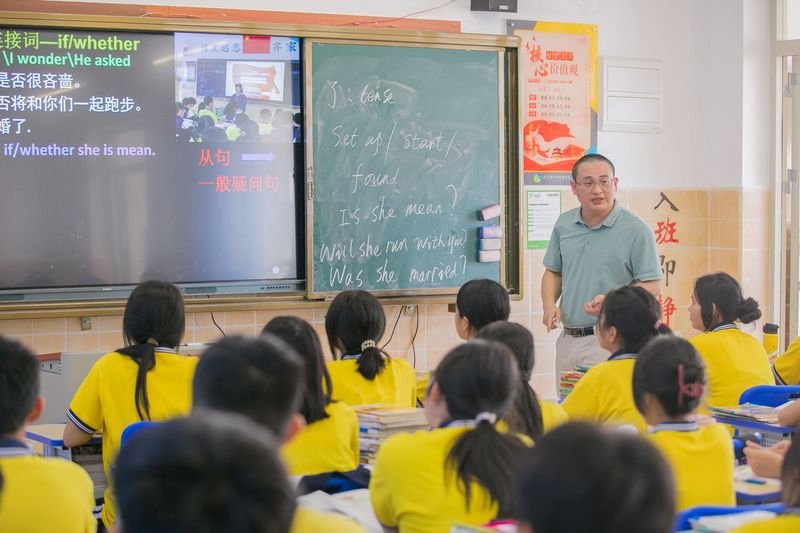
Mastering CUT phrasal verbs gives Taiwanese English learners a measurable advantage in everyday conversations.
Quick Reference Table | 快速參考表
| Phrasal Verb | 意味 | 中文意思 | Example |
|---|---|---|---|
| cut through | pass through directly; bypass complications | 穿越;繞過障礙 | We cut through the park to save time. |
| cut across | go diagonally across; affect multiple groups | 橫越;跨越界限 | This issue cuts across all age groups. |
| cut back | reduce (spending, production, staff) | 削減;縮減 | The company cut back on expenses. |
| cut down | reduce (personal habits); chop a tree | 減少(習慣);砍倒 | I need to cut down on sugar. |
| cut in | interrupt; move in front of someone | 插嘴;插隊 | Sorry to cut in — I have a quick question. |
| cut short | end earlier than planned | 提前結束;縮短 | The rain cut short our picnic. |
| cut off | disconnect; interrupt; isolate | 切斷;中斷;孤立 | The flood cut off the village. |
| cut out | remove; stop doing; (engine) stop suddenly | 去除;停止;(引擎)熄火 | Cut it out! Stop making noise. |
| cut loose | free yourself; behave without restriction | 掙脫束縛;盡情放鬆 | Let’s cut loose tonight and have fun. |
| cut ties | end a relationship permanently | 斷絕關係 | She cut ties with her old employer. |
| cut up | cut into pieces; feel upset (British); clown around (American) | 切碎;難過;胡鬧 | She cut up the carrots for the stew. |
| cut to | jump to a different point; switch scenes | 直接跳到;切換 | Cut to the chase — what’s the price? |
Common Mistakes to Avoid | 常見錯誤
Taiwan learners of English consistently make three types of errors with CUT phrasal verbs:
1. Separating inseparable phrasal verbs. Some CUT phrasal verbs are separable — the object can go between the verb and the particle. “Cut off the power” or “cut the power off” are both correct. But with pronouns, the pronoun must go in the middle: “cut it off,” never “cut off it.” When in doubt, put the object after the full phrasal verb and you’ll usually be correct.
2. Confusing “cut back” and “cut down.” Both mean to reduce, but “cut down on” works best for personal habits (food, drink, screen time), while “cut back” is broader and works for business, budgets, and staff. “The company cut back on staff” sounds natural. “The company cut down on staff” sounds slightly less natural, though it’s not wrong.
3. Translating “cut it out” literally. When a native English speaker says “Cut it out!”, they’re not talking about scissors. They mean “stop what you’re doing right now.” This is one of those phrases that must be learned as a complete unit — the literal meaning is completely different from the actual message.
For more on how to handle these patterns, the guide on phrasal verbs with WORK covers separable vs. inseparable rules in detail, which helps with all phrasal verbs, not just CUT.
Sources | 參考資料
- engVid — 13 English Phrasal Verbs with CUT — Video lesson by a certified English teacher covering the most common CUT phrasal verbs with pronunciation and example sentences
- Cambridge Dictionary — Phrasal Verbs — Authoritative grammar reference for phrasal verb definitions, separability rules, and usage across British and American English
- Espresso English — 8 Phrasal Verbs with CUT — Practical ESL reference covering the most-used CUT phrasal verbs with clear examples for intermediate learners
- British Council — Phrasal Verbs (B1–B2) — Grammar reference covering phrasal verb structure, particle meanings, and common patterns with downloadable exercises






 日本語
日本語  English
  繁體中文
繁體中文  한국어
한국어  ไทย
ไทย  Bahasa Indonesia
  Tiếng Việt
  Français