
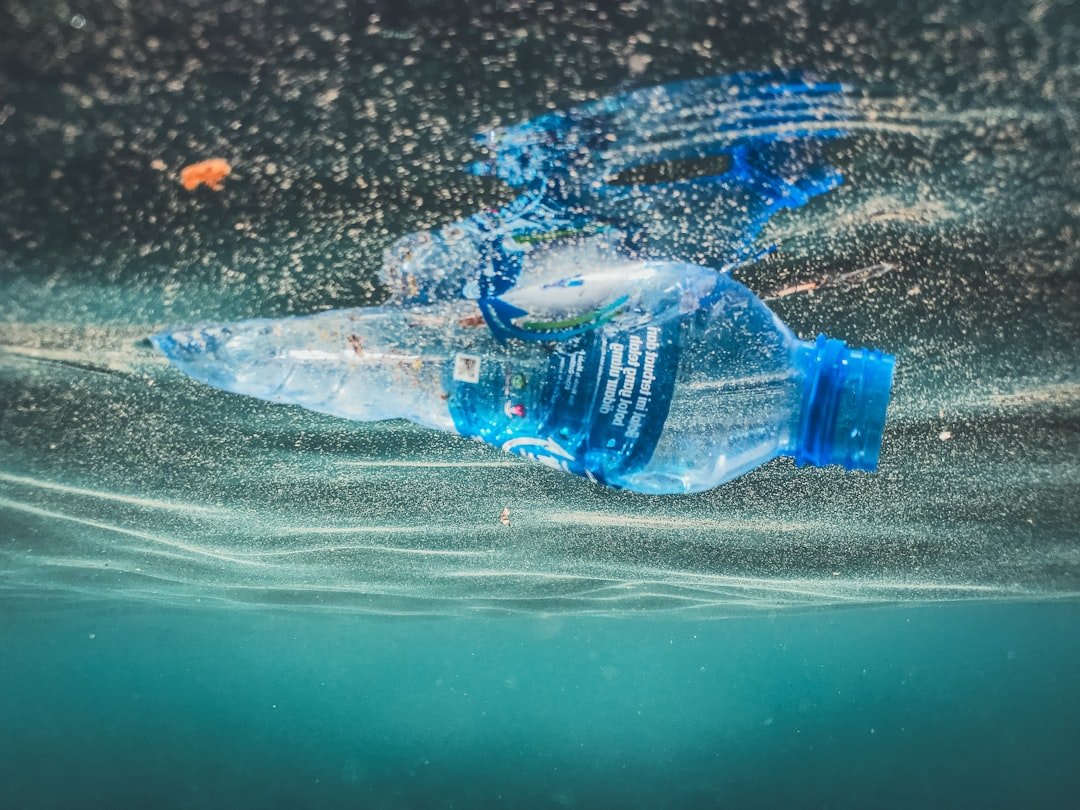
Microplastics in Everyday Life | ESL Worksheet PDF
Free, classroom-ready, one click — includes answer key on page 3.

Reading Worksheet — Elementary (C) | tahricteaches.com
Plastic is all around us. We use it every day — in bottles, bags, and food containers. But did you know that plastic can break into very tiny pieces? These tiny pieces are called microplastics. They are smaller than 5 millimeters. That is smaller than a pencil eraser!
Microplastics come from many places. When we wash our clothes, small plastic fibers go into the water. Old plastic bottles and bags break apart in the sun and rain. Sometimes, plastic trash is thrown on the ground or into rivers. Over time, it breaks into smaller and smaller pieces.
Microplastics travel everywhere. They go into rivers and then into the 海. Scientists have found them in fish, birds, and even in drinking water. Microplastics are now in the air we breathe. They are in snow on mountains and deep in the sea.
Microplastics are 有害 to animals and people. Fish eat them by mistake. This can make animals sick. When people eat fish, they may eat microplastics too. Scientists are still learning about the ways microplastics hurt our 環境 and our health.
We can help stop plastic 汚染. We can use less plastic every day. We can carry a water bottle and say no to plastic bags. We can also recycle plastic items. Small actions every day can make a big difference for our planet.
A. 語彙
- microplastic ____
- pollution ____
- ocean ____
- harmful ____
- recycle ____
- trash ____
- environment ____
- tiny ____
- fiber ____
- container ____
- a. very thin thread or strand from clothing or material
- b. natural world around us, including air, water, land, and living things
- c. very tiny piece of plastic found in water, air, or soil
- d. very large area of salt water that covers much of Earth
- e. bad for health or the environment
- f. harmful things that damage water, air, or land
- g. object used to hold or store something, like a box or bottle
- h. things we throw away; garbage or waste
- i. turn old materials into new things so they can be used again
- j. very small in size

B. 真か偽か
- ____ Microplastics are smaller than 5 millimeters.
- ____ Microplastics are only found in the ocean.
- ____ Small plastic fibers go into water when we wash clothes.
- ____ Scientists have found microplastics in fish and birds.
- ____ Microplastics are good for animals and people.
- ____ Fish eat microplastics on purpose.
- ____ Microplastics can be found in the air we breathe.
- ____ Using more plastic bags every day helps stop pollution.
- ____ Recycling plastic is one way to help the environment.
- ____ Microplastics are bigger than a pencil eraser.
C. 空欄を埋める
- Microplastics are ___ pieces of plastic that are very hard to see.
- Microplastics travel from rivers into the ___.
- Eating microplastics can be ___ for fish and other animals.
- Plastic ___ in the water can hurt sea animals.
- One way to help the planet is to ___ your plastic bottles and bags.
D. 理解度チェック問題
- What are microplastics?
- How do microplastics get into the ocean?
- What are two things people can do to help stop plastic pollution?
E. ディスカッションの質問
- Do you use a lot of plastic in your daily life? What plastic items do you use the most?
- What is one thing you can do starting today to help reduce plastic pollution in your community?
Answer Key (click to reveal)
A. 語彙: 1-c, 2-f, 3-d, 4-e, 5-i, 6-h, 7-b, 8-j, 9-a, 10-g
B. 真偽: 1-T, 2-F, 3-T, 4-T, 5-F, 6-F, 7-T, 8-F, 9-T, 10-F
C. Fill Blanks: 1-tiny, 2-ocean, 3-harmful, 4-pollution, 5-recycle
D. 理解力:
- Microplastics are very tiny pieces of plastic that are smaller than 5 millimeters.
- Plastic trash on the ground or in rivers breaks into tiny pieces over time and travels to the ocean.
- People can carry a reusable water bottle, say no to plastic bags, use less plastic, and recycle plastic items.
© Tahric Teaches | tahricteaches.com

 日本語
日本語  English
  繁體中文
繁體中文  한국어
한국어  ไทย
ไทย  Bahasa Indonesia
  Tiếng Việt
  Français