

9 Meeting English Phrases | 會議英文
如果你每次一到英文會議就腦袋空白,這篇就是寫給你的。會議英文最常用的不外乎開場、確認議程、提出意見、澄清問題和做總結這幾個動作。先把這些高頻句型練熟,你在工作上的英文表達就會立刻穩很多。
會議英文為什麼重要? (Why Meeting English Matters)
會議英文不是背幾個單字而已,而是能不能在開場、提問、回應與總結時,讓別人聽懂你、信任你、願意跟你合作。對很多台灣上班族來說,最有壓力的英文場景不是聊天,而是英文會議。因為一場會議裡,你可能要同時做三件事, 聽懂重點, 表達立場, 還要推進流程。
好消息是,多數英文會議其實有固定節奏。你不需要像母語人士一樣講得很快,只要準備好幾組高頻句型,就能大幅降低緊張感。這篇文章用台灣職場最常見的情境,整理 9 組最實用的會議句子,從開場到收尾一次學會。如果你平常也需要寫信,建議先搭配 Business English Email 一起練,效果會更完整。
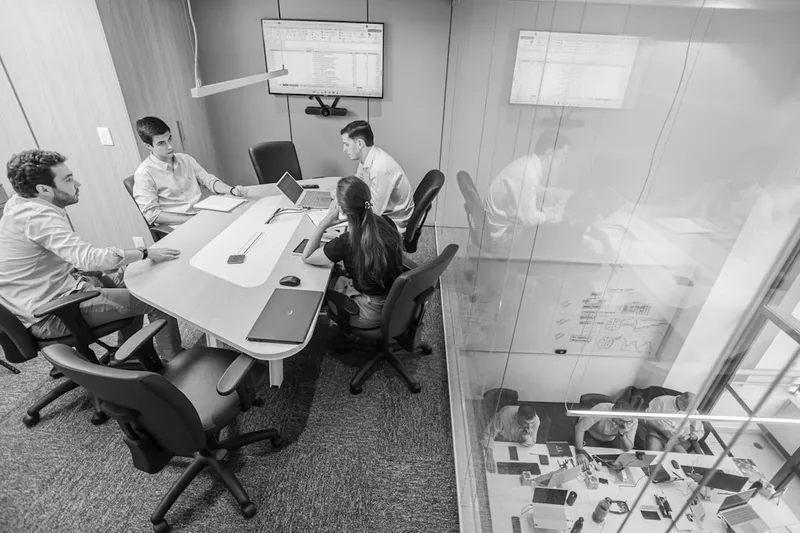
Practical meeting English scenario image 1
會議前先準備 3 件事 (3 Things to Prepare Before the Meeting)
很多人以為自己是英文不夠好,其實真正的問題常常是沒有準備流程。開會前先把這三件事做好,你講英文時會穩很多。
- 先看 agenda,把今天會討論的主題用英文寫在紙上。
- 先寫 2 到 3 句你的立場,例如你支持、反對、或需要更多資料。
- 先準備一個 summary,會議快結束時你就能自然收尾。
如果你常常需要跨部門溝通,也可以順便練習 Workplace English 裡的辦公室高頻表達。會議不是單獨存在的技能,它跟信件、電話、簡報其實是同一套職場英文系統。
1. 開場句 (Opening the Meeting)
Phrase: Let’s get started. The purpose of today’s meeting is to review the launch plan.
中文: 我們開始吧,今天這場會議的目的是檢查產品上線計畫。
這句很適合主持人,也很適合被臨時指定帶會的人。重點不是講得很花,而是快速讓大家知道今天要做什麼。許多競品文章只列出句子,但沒有告訴你什麼時候用。實際上,這句最有效的時機,是大家剛進會議室還在寒暄時。你一開口,會議就有主軸了。

Practical meeting English scenario image 2
2. 確認議程 (Confirming the Agenda)
Phrase: Before we move on, can we quickly go over the agenda?
中文: 在正式開始之前,我們可以快速看一下議程嗎?
這句特別適合跨國會議,因為不同團隊對優先順序的理解可能不同。先確認議程,可以避免後面講了二十分鐘才發現方向不一樣。對台灣學習者來說,這也是很安全的開口方式,因為它聽起來專業,但語法非常穩。
3. 轉入重點 (Moving to the Main Point)
Phrase: Let’s move on to the next point, the budget timeline.
中文: 我們進入下一個重點, 預算時程。
英文會議常卡住,不是因為大家英文差,而是沒有人推進流程。這句就是很實用的主持句型。你可以把 next point 後面換成任何議題,例如 staffing plan、marketing strategy 或 delivery date。

Practical meeting English scenario image 3
4. 提出意見 (Giving Your Opinion)
Phrase: From my perspective, we should test the plan with one client first.
中文: 依我看,我們應該先用一位客戶測試這個方案。
很多學生只會說 I think,當然沒錯,但在商務場合裡,From my perspective 會更成熟,也比較像是在提供分析,而不是單純表態。當你需要溫和地提出建議,這句非常好用。
5. 禮貌不同意 (Disagreeing Politely)
Phrase: I see your point, but I’m concerned about the cost.
中文: 我懂你的意思,但我有點擔心成本。
這類句型是會議英文的核心。你幾乎不可能在每一場會議都同意所有人,但直接說 No, that’s wrong 很容易讓氣氛變硬。先承認對方觀點,再補上你的疑慮,是最自然的商務節奏。這種說法在台灣外商與科技產業都很常見。

Practical meeting English scenario image 4
6. 請對方說明 (Clarifying a Point)
Phrase: Could you clarify what you mean by a flexible deadline?
中文: 你可以說明一下你說的彈性截止日是什麼意思嗎?
聽不懂時,最怕的就是假裝懂。真正專業的人,反而會主動澄清。這句的好處是非常禮貌,而且讓對方知道問題出在概念不夠清楚,不是你英文不夠好。若會議裡也有電話或語音跟進,之後再回頭練 English phone calls 會很有幫助。
7. 拉回主題 (Bringing the Discussion Back)
Phrase: Sorry to interrupt, but can we get back to the main issue?
中文: 不好意思打斷一下,我們可以回到主要問題嗎?
這句很適合會議開始發散時使用。尤其在視訊會議裡,大家更容易同時插話、開太多支線。先用 Sorry to interrupt 降低衝擊,再把焦點拉回來,會讓你顯得很會掌控節奏。

Practical meeting English scenario image 5
8. 確認下一步 (Confirming the Next Step)
Phrase: Just to confirm, I’ll send the revised file by Friday and you’ll review it on Monday.
中文: 確認一下,我會在星期五前寄出修改版檔案,你們會在星期一審查。
這句能直接提升你的專業感。很多英文會議看起來聊很多,最後卻沒有 action items。只要你能在會議尾聲把人、事、時間講清楚,整場會議就會有結果。這也是為什麼會議英文不只是口說,更是一種流程管理能力。

Practical meeting English scenario image 6
9. 收尾與總結 (Closing the Meeting)
Phrase: To sum up, we’ve agreed on the timeline, the budget range, and the next check-in date.
中文: 總結一下,我們已經確認了時程、預算範圍和下一次追蹤日期。
這句是非常高頻的收尾句。你可以把 To sum up 換成 To recap,兩個都很常見。重點是,不要只說 Thank you everyone 然後就結束,最好先做一次簡短整理,讓所有人帶著同一個結論離開。

Practical meeting English scenario image 7
實戰情境對話 (Meeting English Example)
Amy: Let’s get started. The purpose of today’s meeting is to finalize the campaign schedule.
Ben: Before we move on, can we quickly go over the agenda?
Amy: Sure. First, the timeline. Second, the budget. Third, the launch channels.
Chris: From my perspective, we should start with a smaller launch.
Ben: I see your point, but I’m concerned about the delay.
Amy: Could you clarify which part of the delay worries you most?
Ben: The ad booking deadline.
Amy: Good point. Just to confirm, I’ll update the plan tonight and share it with everyone tomorrow.
中文提醒: 這種短對話很適合朗讀練習。你可以一人分飾兩角,也可以和同事一起 role-play。真正讓會議英文變自然的方法,不是看更多句子,而是重複把高頻句型說出口。
台灣學習者最常犯的 4 個錯 (Common Mistakes)
第一, 句子太長。 會議裡越緊張,越容易把一句話拉太長,最後連自己都不知道重點在哪。英文會議反而要短句。
第二, 不敢打斷。 禮貌不代表沉默。像 Sorry to interrupt 或 Can I add something here? 都是安全又自然的插話方式。
第三, 只會說 yes。 真正的專業不是一直配合,而是能清楚表達風險與疑問。
第四, 不做 summary。 只討論不確認下一步,會後就很容易失焦。
怎麼把會議英文練成工作反射? (How to Practice)
最有效的方法不是一天背五十句,而是把今天文章裡的 9 句分成三組。第一組練開場與推進,第二組練意見與澄清,第三組練確認與收尾。每次只練三句,連續一週就會很有感。
你也可以把常用句存在手機備忘錄裡,開會前看一次。久了之後,你的大腦會把這些句型當成固定模板。等你不用翻稿就能自然說出來,會議英文就真的進入實戰層級了。
Extended English Practice for Meeting English
If you want to speak more naturally in an English meeting, train with complete chunks instead of isolated vocabulary. The fastest improvement comes from repeating useful sentence frames and changing the final noun phrase. For example, say: The purpose of today’s meeting is to discuss the budget. Then repeat the same frame with the timeline, the product launch, the hiring plan, the sales report, and the client feedback. One grammar pattern can create ten real work sentences.
Try this short set for opening: Good morning, everyone. Thank you for joining. The purpose of today’s meeting is to review the schedule. Before we begin, can we quickly go over the agenda? Those four lines are enough to start a professional meeting. They are simple, clear, and easy to pronounce. Most learners do not need more than that. They need confidence, not complexity.
Try this set for discussion: From my perspective, the current plan is realistic. I see your point, but I’m concerned about the budget. Could you clarify what you mean by a flexible deadline? Would it make sense to test this with one client first? These lines cover the most common middle section of a meeting. You can express support, caution, confusion, and suggestion without sounding rude or overly direct.
Try this set for closing: Just to confirm, I’ll send the revised file by Friday. We’ll review the update next Monday. To sum up, we agreed on the timeline, the budget range, and the next meeting date. Thank you, everyone, for your time and input. These phrases turn a messy discussion into a clean result. When your final summary is clear, people remember you as organized and reliable.
Now read this full meeting example out loud. Good afternoon, everyone. Thanks for making time today. The purpose of today’s meeting is to review the client feedback, discuss the updated timeline, and confirm the next steps before launch. Before we move on, can we quickly go over the agenda? First, we will look at the comments from the client. Second, we will discuss the cost impact. Third, we will decide who will handle the revision. From my perspective, the strongest option is to keep the first version simple. I see your point about adding more features, but I’m concerned about the extra testing time. Could you clarify whether the client requested this change directly, or is it only an internal suggestion? If the request is not urgent, I recommend keeping the original release date. Just to confirm, I will update the draft tonight, Megan will check the numbers tomorrow morning, and Jason will contact the client on Thursday. To sum up, we agreed to keep the current launch plan, reduce the number of optional changes, and schedule one follow-up call next week. Thank you, everyone. I’ll send the meeting notes within the hour.
This kind of paragraph is powerful because it helps with rhythm. You are not only learning words. You are learning how a real meeting sounds. Shadow it several times. First, read slowly and focus on meaning. Second, read again and copy the pronunciation. Third, read with your own job vocabulary. Replace client feedback with student progress, supplier update, parent questions, lesson plan review, marketing report, or product roadmap. Once you personalize the language, your brain stops treating meeting English like school English and starts treating it like work language.
One more useful habit is post-meeting journaling. After any English meeting, write three sentences. Sentence one: what was the meeting about? Sentence two: what did the team decide? Sentence three: what happens next? This tiny exercise improves your meeting English, your email English, and your memory at the same time. It also helps you notice which phrases you still cannot produce quickly. Those are the phrases you should practice next.
Remember, strong meeting English is not about sounding perfect. It is about helping other people understand you at the right moment. A clear question is better than a complicated sentence. A calm summary is better than a flashy expression. A short, confident phrase like Could you clarify that point? is often more useful than a long paragraph full of grammar errors. Focus on clarity, structure, and repetition, and your English meetings will get easier much faster than you expect.
Meeting English Mini Drills
Use these mini drills for five-minute practice before work. Drill one is substitution. Say, The purpose of today’s meeting is to discuss the budget. Then change only the final noun phrase. Say the timeline. Say the hiring plan. Say the sales target. Say the product update. Drill two is polite disagreement. Read these aloud: I see your point, but I’m concerned about the cost. I understand the idea, but I’m worried about the delay. That sounds useful, but I think we need more data first. Drill three is clarification. Say, Could you clarify that point? Could you give a quick example? Just to confirm, are we talking about this month or next month? These short drills are powerful because they build speed. In a real meeting, speed matters almost as much as grammar.
Another useful drill is summary practice. Look at any meeting you joined this week and say three lines out loud. First, Today’s meeting was about the launch schedule. Second, We agreed to revise the draft and reduce the budget. Third, I will send the updated file tomorrow afternoon. If you can do that in clear English, your meeting performance is already improving. Summary language is the bridge between speaking and professional action. It helps your coworkers trust you, and it helps you remember what actually happened in the meeting. That is why even advanced learners still practice short summaries.
Final practice tip: choose one phrase for opening, one phrase for discussion, and one phrase for closing. Repeat that three-line sequence every day until it feels automatic and natural.
情報源
- Cambridge Dictionary: 會議 – 確認 meeting 與相關詞義。
- Worker360 會議英文怎麼說? – 整理會議流程、主持與討論常見句型。
- 104 學習英文商務會議句型 – 補充開場、澄清、總結等商務會議句型。
- Microsoft Teams support – 參考視訊會議安排與會議流程情境。
- Zoom Support – 參考線上會議主持與技術準備情境。
最後提醒一次,英文會議真正要練的不是完美文法,而是穩定輸出。你不需要每句都很厲害,只要在對的時候說出對的句子,就已經很專業了。下次進會議前,把這 9 句再看一次,你會明顯感覺自己更敢開口。






 日本語
日本語  English
  繁體中文
繁體中文  한국어
한국어  ไทย
ไทย  Bahasa Indonesia
  Tiếng Việt
  Français