
The Real Reason English Words Don’t Stick — and How to Remember Them | 英文單字記不住的真正原因
本文重點:這篇文章解釋為什麼你辛苦背過的英文單字很快就忘記,以及如何讓單字真正記在腦中。針對台灣上班族與英文學習者,我們透過旅遊、美食、科技、健康四大主題,說明語境學習(context)與間隔重複(spaced repetition)的原理,幫助你把「看得懂」的單字變成「說得出口」的實用英文(生活英文),也適合準備多益的人參考。
You sit down on a Monday night, open a vocabulary app, and drill fifty new English words. You feel great. By Friday, most of them have quietly disappeared. This is the most frustrating part of learning English for Taiwan professionals (台灣上班族): the problem is rarely a lack of effort. People who study hard for the TOEIC (多益) exam still freeze in a real meeting. The issue is not how many words you meet — it is how deeply you process them and how often your brain is forced to pull them back out.
The Forgetting Curve: Why Words Vanish | 遺忘曲線:單字為什麼消失
In the 1880s, a German psychologist named Hermann Ebbinghaus tested his own memory on long lists of nonsense syllables and discovered something uncomfortable: we forget most new information within days unless we review it. His famous “forgetting curve” shows memory dropping steeply at first, then leveling off. A word you learn today might be forty percent gone by tomorrow and nearly invisible by next week — unless something pulls it back into your active mind. The encouraging part is that every time you successfully recall a word, the curve gets flatter. Each review buys you more time before the next one.
This is exactly why cramming (臨時抱佛腳) fails. Reviewing fifty words once does almost nothing for long-term memory. Reviewing ten words five times, spaced across several days, does far more. For busy professionals this is liberating: you do not need more study hours. You need smarter timing.
Recognition Is Not the Same as Recall | 「看得懂」不等於「說得出」
Open any English article and you will “understand” hundreds of words. That is recognition — your brain simply matches a shape it has seen before. But recognition is a weak, passive skill. Recall, producing the right word from memory at the moment you need it, is far harder and far more useful. Most learners in Taiwan have a large passive vocabulary and a small active one. They can read a business email (商業英文) comfortably but struggle to write one from scratch.
The fix is to practice in the harder direction. Instead of reading a word and its meaning side by side, hide the English and try to produce it — from the Chinese, from a picture, or from a gap in a sentence. This small change, forcing retrieval instead of recognition, is the single biggest upgrade most learners can make. A good private English tutor (英文家教) who makes you produce language, rather than just listen, is worth far more than hours of passive input.
Learn Words in Context, Not in Isolation | 在語境中學單字,而不是單獨背誦
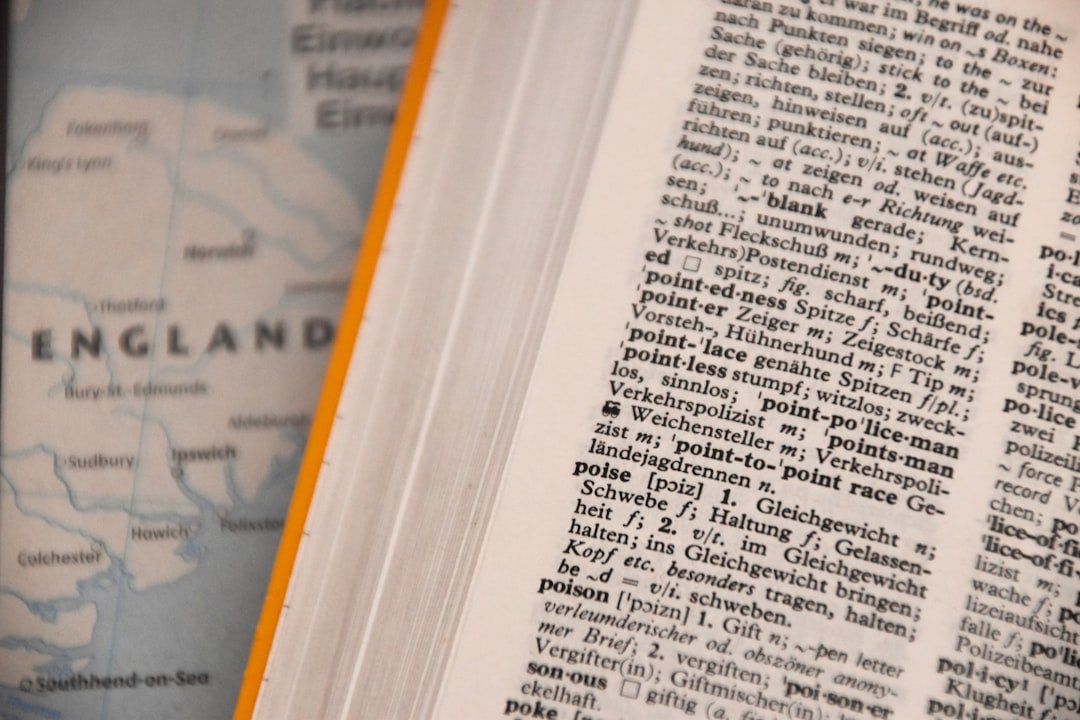
A word learned alone is a word half-learned. “Book” means very little until you meet “book a table,” “book a flight,” and “fully booked.” Native speakers store language in chunks and collocations, not as isolated dictionary entries. When you learn vocabulary by topic, you naturally absorb these chunks, because related words show up together in real situations.
This is also why topic-based learning beats random word lists. Your brain loves connections. Ten travel words learned together — each tied to a scene at the airport — are far easier to keep than ten unrelated words. The four everyday topics below show how this works, with the kind of vocabulary (英文單字) that genuinely comes up. Notice that each word is glossed in Chinese so the meaning is instant; that speed matters when you review.
Travel | 旅遊英文
At the airport and beyond, a handful of precise words save you real stress. See how each one belongs to a scene:
- itinerary (行程)
- boarding pass (登機證)
- layover (轉機停留)
- aisle seat (走道座位)
- customs (海關)
- jet lag (時差)
Practice these by picturing the moment you would use each one — asking for an aisle seat, explaining a layover to a gate agent — rather than by staring at the list.
Food | 美食英文
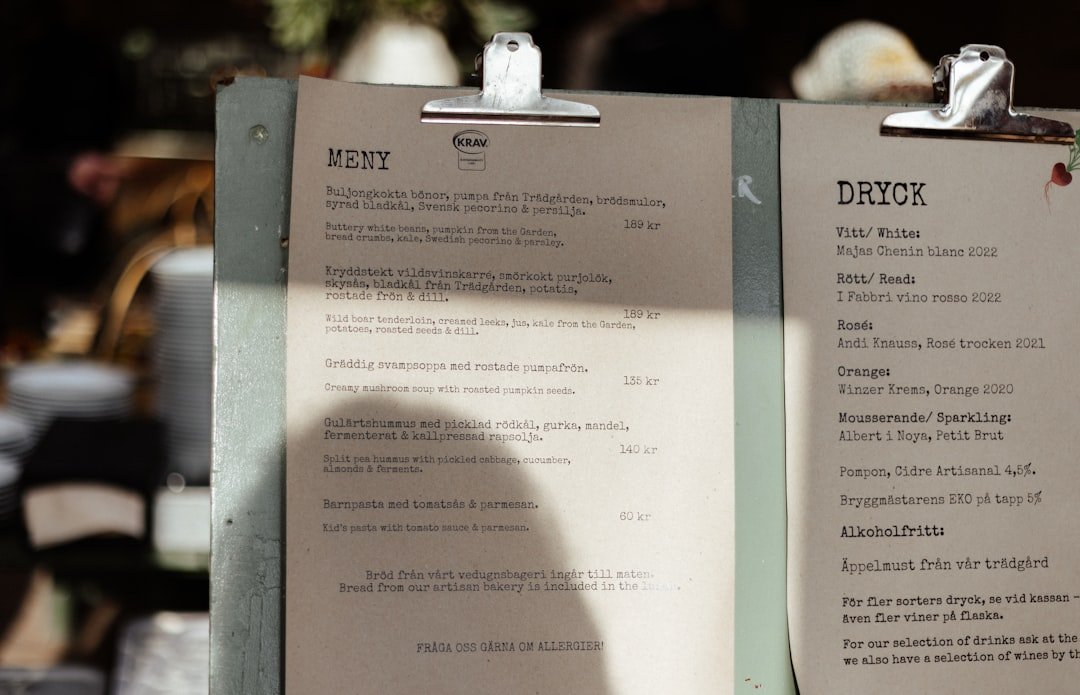
Dining out is where confidence shows. These words let you order, adjust, and pay without switching to survival gestures:
- appetizer (前菜)
- well-done (全熟)
- refill (續杯)
- takeout (外帶)
- dietary restriction (飲食限制)
- the bill / check (帳單)
Technology | 科技英文
At work, technology vocabulary appears in almost every email and stand-up meeting. These are the words that make you sound fluent in a modern office:
- bandwidth (頻寬)
- update (更新)
- troubleshoot (排除故障)
- backup (備份)
- subscription (訂閱)
- interface (介面)
Health | 健康英文
Few situations feel more stressful in a second language than a clinic or a pharmacy. Learn these before you ever need them:
- prescription (處方)
- symptom (症狀)
- appointment (預約)
- insurance (保險)
- checkup (健康檢查)
- dosage (劑量)
Spaced Repetition: The Practical Cure | 間隔重複:讓單字長住腦中
Spaced repetition is the direct answer to the forgetting curve. Instead of reviewing everything every day, you review each word just before you are about to forget it. Flashcard systems like Anki, or the built-in review inside many language apps, schedule this for you automatically. They stretch the gaps as a word gets stronger — one day, then three, then a week, then a month — so your effort lands exactly where memory is weakest.
You can do the same thing on paper. Keep a simple vocabulary notebook with the date written beside each new word, and revisit older pages on a rough schedule. The tool matters far less than the principle: short, repeated, well-timed retrieval. Ten minutes of the right review will always beat an hour of re-reading the same page.
From Passive to Active: Actually Using Words | 從被動到主動:真正把單字用出來
The final step is production. A word only becomes truly yours when you have used it — spoken it, written it, made a small mistake with it, and corrected it. Set a tiny weekly goal: use five new words in real messages, a work email, or a conversation. Describe your workday using the technology words. Silently order your lunch in English using the food words. The point is to move the word out of storage and into the muscle of daily use.
This is where a teacher or a conversation partner earns their value. Passive apps are excellent for input and review, but they rarely force you to produce language under mild pressure — and gentle pressure is what moves a word from passive to active. For professionals preparing for the TOEIC (多益) or stepping into an international role, a blend of app-based review and real speaking practice beats either one on its own.

Making It Work for a Busy Schedule | 忙碌上班族的實用做法
You do not need a two-hour study block. Fifteen focused minutes on most days will outperform a single weekend marathon. Pick one topic at a time. Learn eight to ten words in context, gloss them in Chinese so the meaning is instant, then let a spaced-repetition schedule bring them back over the following weeks. Before the week ends, use them in one real message.
Over a year, this quiet routine adds up to hundreds of genuinely usable words — not words you merely recognize on a test, but words you can reach for in a meeting, a trip, or a doctor’s visit. That is the real difference between studying English and actually speaking it (生活英文). The learners who stay fluent are not the ones who study hardest for a week; they are the ones who review a little, produce a little, and never let the curve win.

Sources | 參考資料
- Wikipedia — The Forgetting Curve (Hermann Ebbinghaus)
- British Council — English learning resources
- Cambridge Dictionary — English–Chinese definitions
- Vocabulary notebooks on Amazon





 日本語
日本語  English
  繁體中文
繁體中文  한국어
한국어  ไทย
ไทย  Bahasa Indonesia
  Tiếng Việt
  Français