
대만을 위한 전문 영어 이메일 작성 기술 | 전자郵件英文寫작작技巧完整指南
Professional English Email Writing Skills for Taiwan Professionals | 電子郵件英文寫作技巧完整指南
在台灣的國際化商業環境中,전자郵件英文已成為職場溝通的核心技能。無論是與海外客戶聯繫、向外籍主管報告,還是參與跨國專案,專業的英文email寫作能力直接影響工作效率和職業發展。本文將深入探討電子郵件英文寫作的核心技巧,從基本格式到進階策略,幫助台灣專業人士全面提升英文商務溝通能力。

掌握專業的電子郵件英文寫作技巧是現代職場必備能力
Why English Email Writing Skills Matter | 為什麼電子郵件英文寫作技巧很重要
根據台灣經濟部統計,超過70%的台灣企業與海外有直接業務往來,這意味著數以百萬計的專業人士每天都需要用英文撰寫電子郵件。然而,許多台灣員工在英文email寫作上面臨以下挑戰:
Professional Impact 職業影響
一封結構清晰、語調得體的英文email能夠:
- 提升專業形象:展現國際化素養和溝通能力
- 加速決策流程:清楚的表達減少來回溝通時間
- 建立信任關係:專業的寫作風格增加可信度
- 避免誤解:精確的用字減少文化誤解風險
Common Challenges 常見挑戰
台灣專業人士在英文email寫作時常遇到:
- 過度正式或過於隨便的語調選擇
- 中文思維直譯導致的語言僵化
- 不了解西方商業溝通的直接性要求
- 缺乏針對不同情境的email模板
English Email Structure Fundamentals | 英文電子郵件基本結構
專業的商業英文이메일遵循固定的結構模式,理解並掌握這個框架是寫作成功的基礎。

標準英文email結構包含六個核心要素
1. Subject Line 主旨行
主旨行是收件人最先看到的內容,決定郵件是否會被優先處理。有效的主旨行應該:
Best Practices 最佳實務:
- 具體明確:避免”Hi”、”Question”等模糊字眼
- 長度適中:保持在50字符以內
- 行動導向:包含具體的行動要求或時間框架
- 關鍵詞前置:重要資訊放在前面
Example Templates 範例模板:
- “Meeting Request: Q2 Budget Review – March 28, 2:00 PM”
- “Action Required: Contract Approval by Friday”
- “Update: Project Phoenix Timeline Revision”
- “Follow-up: Vendor Selection Discussion”
2. Professional Greetings 專業稱呼
選擇適當的稱呼方式取決於與收件人的關係和溝通正式程度:
Formal 正式(初次聯繫、高階主管):
- “Dear Mr./Ms. [Last Name],”
- “Dear Dr. [Last Name],”
- “Dear [Full Name],” (不確定性別時)
Semi-formal 半正式(熟悉的業務夥伴):
- “안녕하세요, [이름]님.”
- “Good morning/afternoon [Name],”
Casual 非正式(團隊同事):
- “안녕하세요, [이름]님.”
- “Hey [Name],” (僅限非常熟悉的同事)
3. Opening Lines 開場語句
開場語句應該簡潔地建立聯繫並陳述郵件目的:
Context-setting 建立背景:
- “Following up on our discussion yesterday…”
- “As discussed in last week’s meeting…”
- “Thank you for your prompt response regarding…”
Purpose-driven 直陳目的:
- “I’m writing to request…”
- “I’d like to schedule a meeting to discuss…”
- “This email confirms…”
Professional Email Formatting | 專業電子郵件格式
清晰的格式設計讓收件人能夠快速掃描並理解郵件內容。

良好的格式設計提升郵件可讀性和專業性
Paragraph Structure 段落結構
三段式結構是最有效的email組織方式:
- Purpose Paragraph 目的段落:1-2句說明寫信目的
- Details Paragraph 詳情段落:提供必要背景資訊或具體要求
- Action Paragraph 行動段落:明確的後續步驟和時間要求
Visual Organization 視覺組織
- 短段落:每段不超過4句話
- 空白行:段落間留空行增加可讀性
- 重點標示:用粗體標示重要日期、姓名或行動項目
- 條列式:3項以上的內容使用bullet points
Common Business Email Types | 常見商業郵件類型
不同的商務情境需要不同的寫作策略。以下是台灣職場영어中最常用的email類型:
1. Request Emails 請求類郵件
Template Structure:
Subject: Request for [specific item] by [date]
[이름]님께,
I hope this email finds you well. I’m writing to request [specific request] for [reason/context].
Specifically, I would appreciate if you could:
• [Specific action 1]
• [Specific action 2]
• [Specific action 3]Could you please confirm by [specific date]? This will help us [explain benefit/urgency].
Thank you for your time and assistance.
진심으로 감사드립니다.,
[Your name]
2. Update/Report Emails 更新報告類郵件
Template Structure:
Subject: [Project Name] Update – [Key Status/Date]
안녕하세요, [이름]님,
I wanted to update you on the progress of [project/initiative name].
Completed this week:
• [Achievement 1]
• [Achievement 2]Next week priorities:
• [Priority 1]
• [Priority 2]Challenges/Support needed:
• [Issue 1 and proposed solution]
• [Issue 2 and support request]Please let me know if you have any questions or concerns.
진심으로 감사드립니다.,
[Your name]
3. Meeting Coordination 會議協調類郵件
Template Structure:
Subject: Meeting Request: [Topic] – [Proposed Date/Time]
[이름]님께,
I’d like to schedule a [duration] meeting to discuss [specific topic/objective].
Proposed time: [Day], [Date] at [Time] ([Time zone])
위치: [Meeting room/Video conference link]
Attendees: [List of participants]Agenda:
• [Agenda item 1] (15 min)
• [Agenda item 2] (20 min)
• [Agenda item 3] (10 min)Please confirm your availability by [date]. If this time doesn’t work, I’m also available [alternative times].
감사합니다,
[Your name]
Cultural Considerations for Taiwan Professionals | 文化考量重點
理解東西方商業溝通文化差異是成功的國際商務溝通關鍵。

掌握文化差異有助於更有效的跨文化email溝通
Directness vs. Politeness 直接性與禮貌性
Western Business Culture 西方商業文化:
- 偏好直接、簡潔的表達方式
- 時間就是金錢,追求效率
- 明確的行動要求和時間框架
Adaptation Strategies 調適策略:
- 直接陳述需求,避免過度鋪陳
- 使用”Could you please…”而非過度客套的表達
- 明確指定截止日期和預期結果
Hierarchy and Formality 階層與正式性
Taiwan-specific Considerations 台灣特殊考量:
- 與歐美同級同事可採用較輕鬆語調
- 對東南亞或日韓客戶保持適度正式性
- 根據公司文化調整溝通風格
Advanced Email Writing Techniques | 進階寫作技巧
Tone Management 語調掌控
Professional but Warm 專業而溫暖:
- “I hope you’re doing well” (而非過度正式的”I trust this finds you in good health”)
- “Thank you for taking the time to…” (表達真誠感謝)
- “I appreciate your quick response” (認可對方的努力)
Urgent but Respectful 緊急但尊重:
- “This is time-sensitive, so I’d appreciate a quick response”
- “Due to the tight deadline, could you please prioritize this?”
- “I understand you’re busy, but this requires immediate attention”
Follow-up Strategies 追蹤策略
First Follow-up (3-5 business days) 首次追蹤:
- “Just following up on my previous email…”
- “I wanted to make sure my message didn’t get lost in your inbox”
- “Following up on my request from [date]…”
Second Follow-up (1 week later) 二次追蹤:
- “I’m reaching out again regarding…”
- “This is the second time I’m following up on…”
- “I understand you’re likely busy, but I need to finalize…”
Common Mistakes to Avoid | 常見錯誤避免
了解並避免這些台灣專業人士常犯的email錯誤:
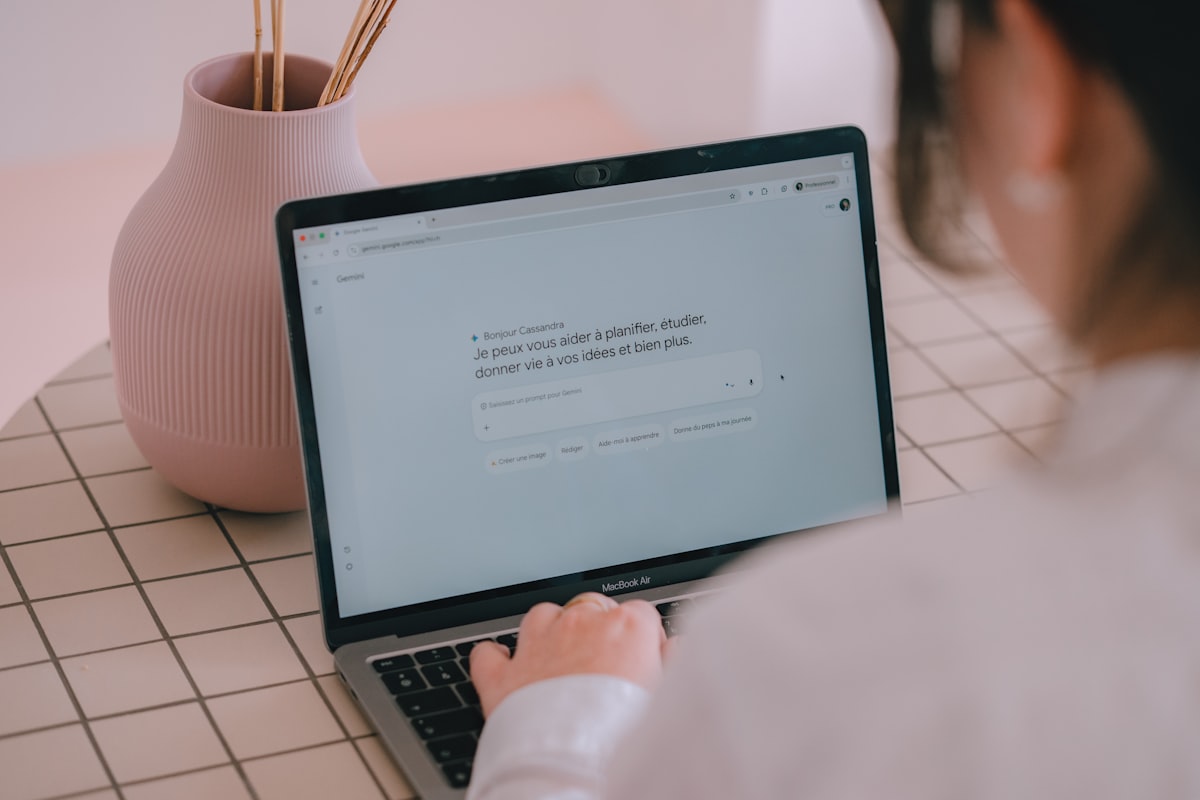
避免這些常見錯誤能顯著提升email專業度
Excessive Apologies 過度道歉
避免:
- “Sorry to bother you again, but…”
- “I’m really sorry for this trouble, however…”
- “Apologies for my poor English, but…”
改用:
- “Following up on my previous message…”
- “I have a quick question about…”
- “Could you help me understand…”
Unclear Action Items 行動要求不明確
避免:
- “Please take a look when you have time”
- “Let me know what you think”
- “Hope to hear from you soon”
改用:
- “Please review and confirm by Friday, March 15”
- “I need your approval on sections 2-4 by tomorrow”
- “Could you respond by end of business today?”
Wrong Formality Level 正式程度錯誤
過度正式(團隊內部):
- “Dear Sir or Madam” (給熟悉的同事)
- “I would be most grateful if you could consider…”
- “Your most humble servant”
過度隨便(外部客戶):
- “Hey buddy!”
- “Thanks a bunch!”
- “Catch you later!”
Email Templates for Different Scenarios | 不同情境郵件模板
Complaint/Problem Resolution 問題解決類
Subject: Issue Resolution Required: [Specific Problem]
[이름]님께,
I’m writing to bring to your attention an issue with [specific problem] that occurred on [date].
Problem description:
[Clear, factual description without emotional language]Impact:
[How this affects business/timeline/customers]Requested action:
[Specific steps you want them to take]I would appreciate your response by [date] so we can resolve this promptly.
이 문제에 관심을 가져주셔서 감사합니다.
진심으로 감사드립니다.,
[Your name]
Project Proposal 專案提案類
Subject: Proposal: [Project Name] – [Key Benefit/Timeline]
[이름]님께,
I’d like to propose a new initiative that could [main benefit/objective].
Background:
[Brief context – why this is needed now]Proposed solution:
[Your idea/approach in 2-3 sentences]Key benefits:
• [Benefit 1 with quantified impact if possible]
• [Benefit 2]
• [Benefit 3]Next steps:
I’ve attached a detailed proposal. Could we schedule 30 minutes next week to discuss this further?I’m available [specific times] and look forward to your feedback.
진심으로 감사드립니다.,
[Your name]
Technology Tools for Better Email Writing | 寫作工具推薦
Grammar and Style Checkers 文法檢查工具:
- 그래머리:即時文法、拼字和語調檢查
- Hemingway Editor:簡化複雜句型,提升可讀性
- ProWritingAid:深度語法分析和改寫建議
Email Templates and Management 範本管理:
- Gmail Templates:儲存常用回覆模板
- Outlook Quick Parts:預設文字區塊快速插入
- TextExpander:自訂縮寫快速展開完整內容
Professional Email Signatures 專業簽名檔:
- 包含完整姓名、職稱、公司名稱
- 電話號碼(包含國碼+886)
- 公司網站和LinkedIn個人檔案連結
- 避免使用過多顏色或圖片
Measuring Email Communication Effectiveness | 評估溝通效果
Key Performance Indicators 關鍵績效指標:
- Response Rate 回覆率:郵件獲得回覆的百分比
- Response Time 回覆時間:收件人平均回覆速度
- Action Completion 行動完成率:要求事項被執行的比率
- Meeting Accept Rate 會議接受率:會議邀請的接受比例
Self-Assessment Questions 自我檢視問題:
- 我的郵件是否在兩分鐘內能被完全理解?
- 行動要求是否明確具體?
- 語調是否適合收件人和情境?
- 是否包含所有必要資訊但沒有冗餘內容?
Advanced Scenarios and Solutions | 進階情境處理
Dealing with Difficult Situations 處理困難情境
Delivering Bad News 傳達壞消息:
- 開門見山,不要拐彎抹角
- 解釋原因和背景
- 提供解決方案或替代方案
- 確認後續步驟
Managing Misunderstandings 處理誤解:
- 承認混淆但不過度道歉
- 重新闡述正確資訊
- 確認對方理解
- 建立預防措施
Escalating Issues 問題升級:
- 總結已嘗試的解決方法
- 清楚說明需要上級介入的原因
- 建議具體的解決方案
- 設定回應時間框架
Building Long-term Email Communication Skills | 建立長期溝通技能
Continuous Improvement Strategies 持續改善策略:
- Daily Practice 日常練習:每天至少寫一封高品質英文email
- Feedback Collection 收集反饋:詢問同事或客戶對你email風格的建議
- Model Analysis 範本分析:研究優秀的business email範例
- Cultural Exposure 文化接觸:多接觸不同國家的商業溝通風格
Professional Development Resources 專業發展資源:
- 參加商業英文寫作工作坊
- 閱讀Harvard Business Review的溝通文章
- 參與國際會議和網路研習
- 尋求mentor指導和實際練習機會
Conclusion: Your Email Writing Journey | 結語:你的Email寫作之旅
掌握電子郵件英文寫作技巧是一個持續發展的過程,需要理論知識、實際練習和文化敏感度的結合。從基本的格式結構到進階的語調管理,每個元素都影響著你的職業形象和溝通效果。
立即行動步驟:
- 檢視你最近發送的5封英文email,識別改善機會
- 建立個人的email範本庫,涵蓋常見情境
- 設定每週寫作目標,持續練習和改進
- 尋求同事或mentor的建議,獲得外部觀點
記住,每一封專業的英文email都是建立國際關係、推進業務目標的機會。通過系統性的學習和練習,你將能夠自信地運用英文進行各種商業溝通,在全球化的職場中取得更大的成功。
如果你需要更專業的英文email寫作指導,歡迎聯繫18K 영어。我們在台北士林區提供針對台灣專業人士設計的商業英文寫作課程,幫助你在國際職場中更加自信地溝通。
추천 비디오 튜토리얼 | 推薦影조각예술학
想要更深入學習business email的寫作技巧嗎?這部影片涵蓋了30個實用的商業英文email用語,包括正式和非正式場合的表達方式:
這部由English teacher Lucy製作的影片詳細介紹了撰寫專業商業email的30個關鍵用語,從開頭問候到結尾祝福語,非常適合想要提升email寫作技巧的台灣專業人士。
출처 | 資料來源
- 하버드 비즈니스 리뷰 – 군대식으로 정확하게 이메일을 작성하는 방법 — 효과적인 비즈니스 커뮤니케이션 전략에 대한 연구
- 맥킨지 글로벌 연구소 – 사회경제 보고서 — 직장 내 의사소통 패턴 및 생산성에 대한 통계
- Salesforce - 비즈니스 커뮤니케이션 모범 사례 — 국제 비즈니스를 위한 전문적인 이메일 예절 지침
- Grammarly - 전문가 수준의 이메일 작성 가이드 — 비즈니스 서신 작성 시 언어 사용 및 스타일 권장 사항
- 대만 정부 비즈니스 포털 — 대만의 비즈니스 문화와 전문직 관행에 대한 통찰





 한국어
한국어  English
  繁體中文
繁體中文  日本語
日本語  ไทย
ไทย  Bahasa Indonesia
  Tiếng Việt
  Français