
What Are Dolch Sight Words? The Complete Guide for Parents | Dolch 認讀字詞完整指南
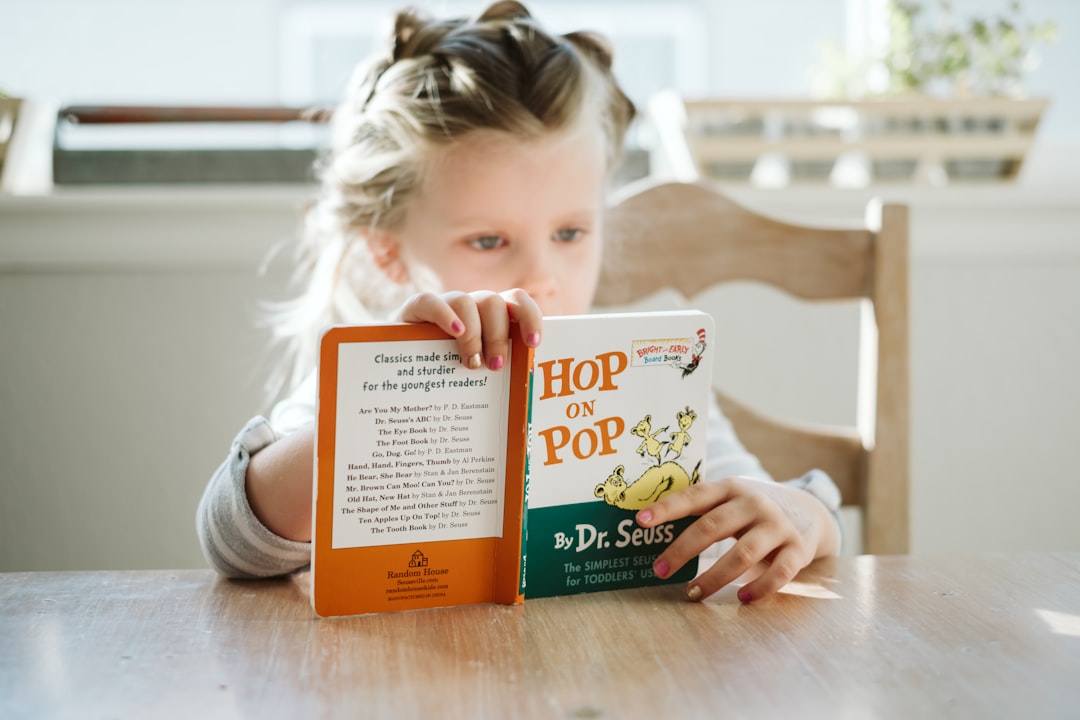
If your child is starting to read English, you’ve probably heard the term sight words (認讀字詞). But what exactly are they? And why do teachers keep talking about the Dolch word list?
This guide breaks it all down — what Dolch sight words are, where they came from, the full word lists by grade level, and how you can help your child master them at home.
What Are Dolch Sight Words? 什麼是 Dolch 認讀字詞?

Dolch sight words are a list of 315 common English words that appear again and again in children’s books, textbooks, and everyday reading material. They were compiled by Dr. Edward William Dolch, a professor of education, and published in his 1948 book Problems in Reading.
Dr. Dolch studied the most frequently used words in children’s literature of that era and created a carefully organized list. His goal was simple: if children could recognize these essential words instantly — without needing to sound them out — they could read much faster and with greater confidence.
Many Dolch words are function words like the, is, are, was, and, but, not. These words are hard to teach with pictures because they don’t represent concrete objects. That’s why they need to be memorized “by sight” — hence the name sight words (認讀字詞).
Why Do Dolch Sight Words Matter? 為什麼 Dolch 認讀字詞很重要?
Here’s a number that surprises most parents: Dolch sight words make up roughly 50–75% of all the words in typical children’s books. Some researchers estimate the figure is as high as 80% when you include the 95 Dolch nouns.
Think about that. If your child can instantly recognize these 315 words, they already “know” the majority of the words on any page they’ll encounter in early reading.
This instant recognition frees up mental energy. Instead of struggling to decode every single word, your child can focus on understanding the story, learning new vocabulary, and actually enjoying reading.
Dolch sight words are not an official government standard, but they have been the de facto standard in elementary schools across the United States and Canada for over 85 years. Chances are, your child’s teacher is already using them — even if they don’t call them “Dolch words” by name.
The Complete Dolch Word Lists by Grade (完整分級字表)
Dr. Dolch organized his 220 service words into five grade levels, plus a separate list of 95 common nouns. Here is every word on the list.
Pre-Primer / Pre-K List (學前字表) — 40 Words

a, and, away, big, blue, can, come, down, find, for, funny, go, help, here, I, in, is, it, jump, little, look, make, me, my, not, one, play, red, run, said, see, the, three, to, two, up, we, where, yellow, you
Kindergarten List (幼兒園字表) — 52 Words
all, am, are, at, ate, be, black, brown, but, came, did, do, eat, four, get, good, have, he, into, like, must, new, no, now, on, our, out, please, pretty, ran, ride, saw, say, she, so, soon, that, there, they, this, too, under, want, was, well, went, what, white, who, will, with, yes
Grade 1 List (一年級字表) — 41 Words
after, again, an, any, as, ask, by, could, every, fly, from, give, going, had, has, her, him, his, how, just, know, let, live, may, of, old, once, open, over, put, round, some, stop, take, thank, them, then, think, walk, were, when
Grade 2 List (二年級字表) — 46 Words
always, around, because, been, before, best, both, buy, call, cold, does, don’t, fast, first, five, found, gave, goes, green, its, made, many, off, or, pull, read, right, sing, sit, sleep, tell, their, these, those, upon, us, use, very, wash, which, why, wish, work, would, write, your
Grade 3 List (三年級字表) — 41 Words
about, better, bring, carry, clean, cut, done, draw, drink, eight, fall, far, full, got, grow, hold, hot, hurt, if, keep, kind, laugh, light, long, much, myself, never, only, own, pick, seven, shall, show, six, small, start, ten, today, together, try, warm
Dolch Noun List (名詞字表) — 95 Words
apple, baby, back, ball, bear, bed, bell, bird, birthday, boat, box, boy, bread, brother, cake, car, cat, chair, chicken, children, Christmas, coat, corn, cow, day, dog, doll, door, duck, egg, eye, farm, farmer, father, feet, fire, fish, floor, flower, game, garden, girl, goodbye, grass, ground, hand, head, hill, home, horse, house, kitty, leg, letter, man, men, milk, money, morning, mother, name, nest, night, paper, party, picture, pig, rabbit, rain, ring, robin, Santa Claus, school, seed, sheep, shoe, sister, snow, song, squirrel, stick, street, sun, table, thing, time, top, toy, tree, watch, water, way, wind, window, wood
Total: 220 service words + 95 nouns = 315 words
Dolch vs. Fry: What’s the Difference? (Dolch 與 Fry 字表比較)
You might also hear about the Fry Instant Words, another popular sight word list. Here’s how they compare:
- Dolch (1948): 315 words total, organized by grade level (Pre-K through Grade 3). Based on children’s books from the 1930s–40s.
- Fry (1957, updated 1980): 1,000 words total, organized into groups of 100 by frequency. Based on a broader range of reading materials, including adult texts.
The Fry list is newer and more comprehensive. It covers roughly the first 1,000 most common words in English, making it useful all the way through middle school. The Dolch list, by comparison, focuses specifically on early childhood reading.
That said, there’s significant overlap — research from major universities shows most Dolch words appear within the first 300 Fry words. Many schools use both lists, starting with Dolch in Pre-K through Grade 1, then transitioning to Fry from Grade 2 onward.
Neither list is “better.” They serve different purposes. For parents of young readers (ages 3–8), the Dolch list is often the better starting point because it’s smaller, simpler, and specifically designed for early readers.
How Parents Can Practice Sight Words at Home (在家練習認讀字詞的方法)
The good news? You don’t need to be an English teacher to help your child learn sight words. Here are practical strategies that work:
1. Flashcard Drills (字卡練習)
The classic approach still works. Write each sight word on an index card. Show your child 5–10 new words at a time. Practice daily for just 5–10 minutes — short, frequent sessions beat long, exhausting ones.
Pro tip: Sort cards into “know it” and “still learning” piles. Focus on the “still learning” pile, but occasionally review the “know it” pile to keep those words fresh.
2. Word Hunts in Books (書中尋字遊戲)
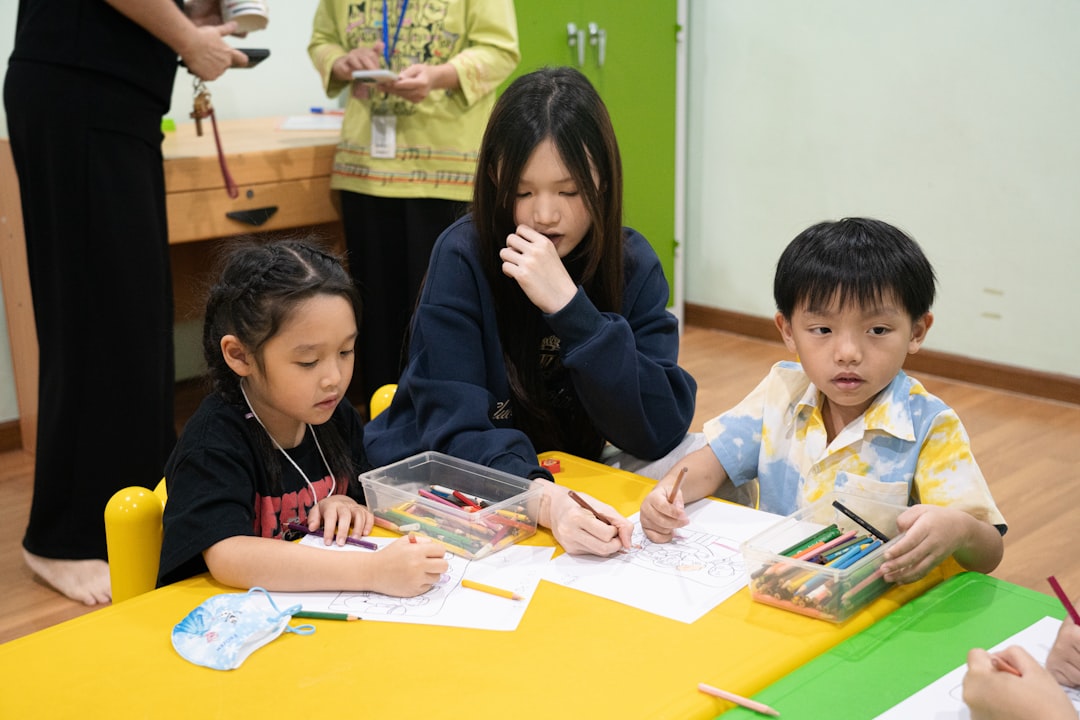
Pick a sight word — say, the — and challenge your child to find it on every page while you read together. This turns reading time into a game and helps your child connect sight words to real reading situations. Check out our guide on what elementary students should learn at each grade level for more ideas.
3. Writing Practice (書寫練習)
Have your child write sight words in sand, shaving cream, or with finger paint. The physical act of forming letters reinforces memory. Even simple activities like writing each word three times in a notebook can make a big difference. For more structured practice, try our CVC phonics worksheet for short vowel words.
4. Games and Apps (遊戲與應用程式)
Turn learning into play:
- Sight Word Bingo: Create bingo cards with sight words instead of numbers.
- Memory Match: Make two cards for each word and play the classic matching game.
- Sight Word Hopscotch: Write words in chalk on the sidewalk — your child reads each word as they hop.
5. Read Together Every Day (每天一起閱讀)
The single most powerful thing you can do is read with your child every day. When you encounter a sight word, point to it. Say it. Have your child repeat it. Over time, recognition becomes automatic.
According to the International Literacy Association, daily shared reading is one of the strongest predictors of reading success in young children.
The Modern Evolution: Science of Reading and Heart Words (現代演變:閱讀科學與「心詞」)
You may have heard about the Science of Reading movement, which has gained significant traction in education since the 2010s. This evidence-based approach to reading instruction emphasizes phonics — teaching children to decode words by their sounds — rather than memorization alone.
Within this framework, educators now talk about “Heart Words” (心詞). These are words where some letters follow regular phonics patterns and some don’t. Instead of memorizing the entire word by sight, children learn which parts are “regular” (decodable) and which parts they need to “learn by heart.”
For example, the word said has a regular s 그리고 d, but the ai makes an unexpected sound. Children learn to decode what they can and memorize only the tricky part.
This doesn’t make the Dolch list obsolete — rather, it adds another layer of understanding. Many modern teachers use the Dolch list as a starting point, then apply Heart Word techniques to help children understand why certain words look the way they do.
Getting Started: Your Action Plan (行動計劃)
Ready to help your child master Dolch sight words? Here’s a simple plan:
- Start with Pre-Primer words. These 40 words are the foundation.
- Practice 5–10 minutes daily. Consistency matters more than duration.
- Mix methods. Flashcards one day, word hunts the next, writing practice after that.
- Celebrate progress. Keep a chart where your child checks off words they’ve mastered.
- Move to the next level when your child recognizes 80%+ of words in the current list instantly.
Here’s a helpful video that walks through Dolch sight words for young learners:
Remember: every child learns at their own pace. The Dolch list has helped millions of children become confident readers over the past 85+ years. With patience and daily practice, your child will get there too.





 한국어
한국어  English
  繁體中文
繁體中文  日本語
日本語  ไทย
ไทย  Bahasa Indonesia
  Tiếng Việt
  Français