

영어 어휘를 위한 10가지 강력한 기억 기술 | 영어로 번역하기
Learning English vocabulary (英文單字) can feel overwhelming, especially for students in Taiwan who face thousands of new words to memorize. Whether you’re studying at an 英文補習班 (English cram school) in Tianmu or preparing for TOEIC at home, the struggle is real: how do you remember all those words?
The good news is that memory science has uncovered powerful techniques that can transform your vocabulary learning. This complete guide reveals 10 proven methods that successful language learners use worldwide. These aren’t just theory — they’re practical strategies you can start using today to triple your vocabulary retention.
Many Taiwan students spend hours writing vocabulary lists but forget half the words by the next week. This happens because traditional rote memorization fights against how your brain naturally learns. The techniques in this article work with your brain’s natural memory systems, making vocabulary learning faster, more enjoyable, and much more effective.
Why Traditional Vocabulary Learning Fails (為什麼傳統背單字方法會失敗)
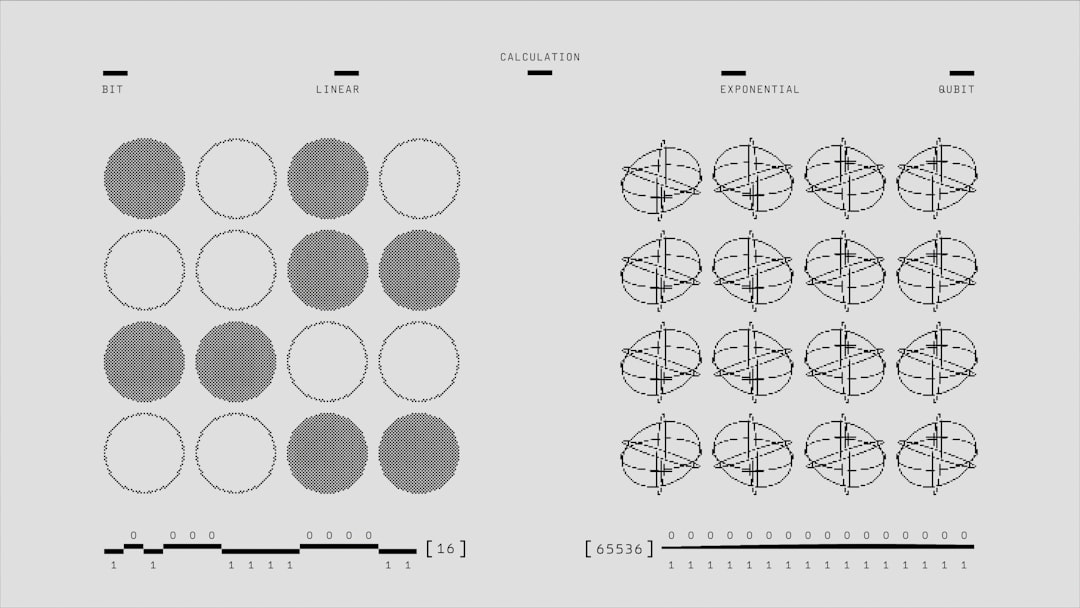
Most students in Taiwan learn vocabulary through repetition: write the word 10 times, copy definitions, practice with flashcards. This approach, called rote learning, has serious limitations that become obvious when you try to use these words in real conversations.

The problem is that rote memorization creates what psychologists call “inert knowledge” — information that sits in your memory but doesn’t connect to anything useful. You might recognize “entrepreneur” on a TOEIC test but freeze when trying to use it in a business presentation.
Research from Cambridge University shows that students who use only rote memorization forget 50% of new vocabulary within 48 hours. This is why so many diligent students feel frustrated despite putting in serious study time. The solution isn’t studying harder — it’s studying smarter with techniques that create deeper, more durable memories.
The Science Behind Effective Vocabulary Learning (科學實證的單字學習方法)
Before diving into specific techniques, it’s important to understand how your brain actually learns and remembers words. This knowledge will help you choose the best methods for your learning style and goals.
When you encounter a new English word, your brain processes it through multiple systems. The phonological loop handles the sound, the visual-spatial sketchpad processes any images or text, and the central executive coordinates everything. Effective vocabulary techniques engage all these systems simultaneously, creating what memory researchers call “elaborative encoding.”

Memory Technique 1: The Story Method (故事記憶法)
The story method transforms abstract vocabulary lists into memorable narratives. Instead of memorizing isolated words, you create vivid stories that connect multiple vocabulary items in meaningful sequences.
Here’s how it works: Take 5-10 vocabulary words you’re studying and create a short story that uses all of them. The more unusual, funny, or dramatic your story, the better your brain will remember it. Your story doesn’t need to be realistic — in fact, bizarre stories are often more memorable.
Example story using business English vocabulary:
“The ambitious entrepreneur decided to diversify her portfolio by investing in a peculiar bakery. However, the venture proved volatile when customers complained about the mediocre pastries. She had to implement strategic changes to sustain the business, ultimately transforming it into a thriving enterprise.”
Memory Technique 2: The Memory Palace (記憶宮殿法)
The memory palace, also called the method of loci, is perhaps the most powerful memory technique ever discovered. Ancient Greek orators used it to memorize entire speeches, and modern memory champions use it to memorize thousands of items in perfect order.

For vocabulary learning, the memory palace involves associating words with specific locations in a familiar place — your home, school, or neighborhood. You mentally “walk” through this place, encountering vocabulary words at different locations.
Memory Technique 3: Spaced Repetition Systems (間隔重複系統)
Spaced repetition is the most scientifically proven method for long-term vocabulary retention. Instead of reviewing words at random intervals, you review them at carefully calculated times based on how well you remember each word.
The concept is simple but powerful: words you struggle with appear frequently for review, while words you know well appear less often. This optimizes your study time by focusing on vocabulary that needs reinforcement while maintaining words you’ve already mastered.
Memory Technique 4: Visual Association (視覺聯想法)
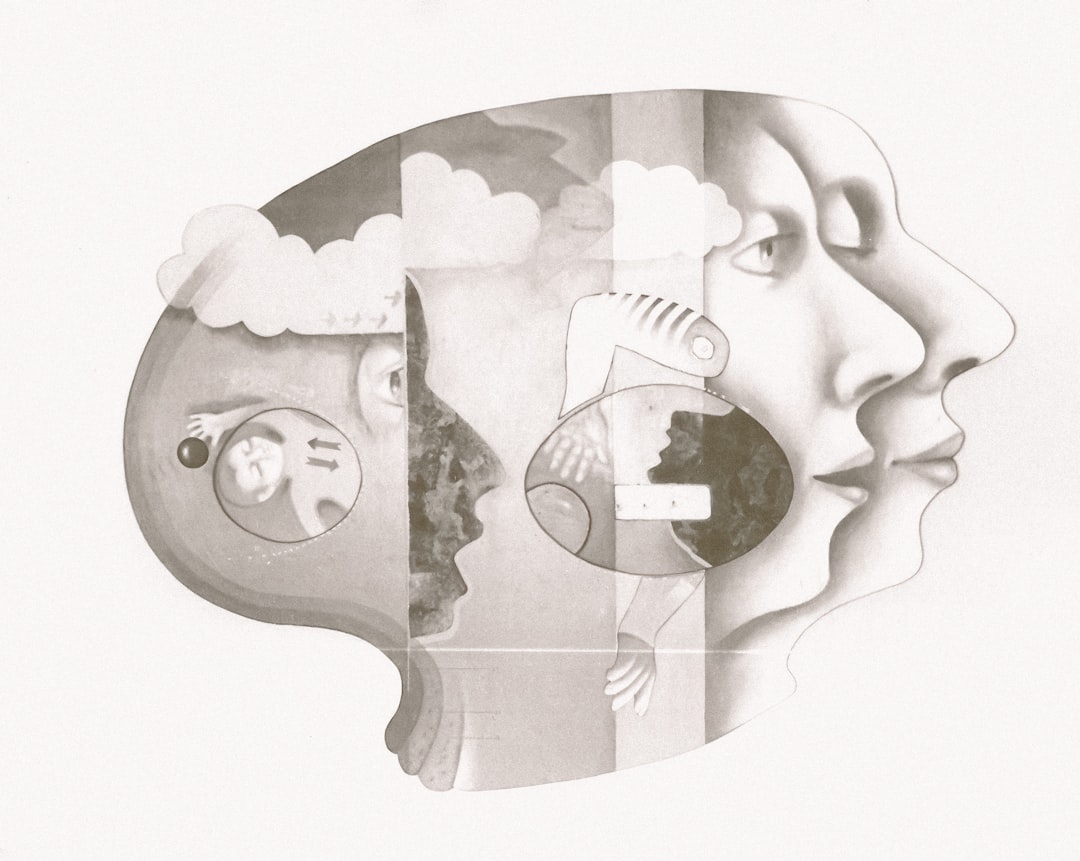
Visual association leverages your brain’s incredibly powerful visual memory system. Instead of memorizing abstract word-definition pairs, you create memorable mental images that represent the meaning of new vocabulary.
The human brain processes visual information 60,000 times faster than text. This is why you can recognize thousands of faces but struggle to remember someone’s name after an introduction. Visual association techniques make vocabulary “sticky” by converting abstract language into concrete images.
Memory Technique 5: Audio-Linguistic Methods (聲音語言學習法)
Audio-linguistic methods tap into your brain’s natural language processing abilities by emphasizing sound, rhythm, and pronunciation patterns. This approach is especially powerful for English learners because it addresses one of the biggest challenges: connecting spelling, meaning, and pronunciation.
Memory Technique 6: Contextual Learning (情境學習法)
Contextual learning means studying vocabulary within meaningful situations rather than isolated word lists. This mirrors how children naturally acquire language — they learn words when they need them to communicate about real experiences.
The problem with traditional vocabulary study is that words learned in isolation often can’t be retrieved in real conversations. Students might know 1000 vocabulary words but struggle to use 100 of them naturally. Contextual learning solves this by creating strong situational memories that trigger automatic word recall.
Memory Technique 7: Technology-Enhanced Learning (科技輔助學習法)
Modern technology offers unprecedented opportunities for vocabulary learning, but only if used strategically. Random app-hopping won’t improve your English — you need systematic approaches that leverage technology’s unique strengths.
The best language learning technology combines multiple memory techniques: spaced repetition, visual association, audio practice, and contextual learning. When used effectively, these tools can accelerate vocabulary acquisition far beyond traditional methods.
Memory Technique 8: Physical Movement and Gesture (肢體動作記憶法)
Physical movement and gesture create powerful memory connections by engaging your body’s kinesthetic memory system. This technique, sometimes called embodied cognition, recognizes that your brain and body work together in learning and memory formation.
Research shows that vocabulary learned with physical gestures is retained 2-3 times longer than vocabulary learned through traditional methods. This happens because movement activates multiple brain regions simultaneously, creating richer, more durable memory networks.
Memory Technique 9: Social Learning and Teaching Others (社群學習與教學法)

Social learning leverages one of the most powerful memory principles: we remember best what we teach to others. This technique transforms vocabulary study from a solitary struggle into an engaging social activity that benefits everyone involved.
The psychological principle behind this method is called “elaborative interrogation” — when you explain concepts to others, your brain creates multiple retrieval pathways and identifies knowledge gaps. Teaching forces you to organize information clearly, use vocabulary in natural contexts, and receive immediate feedback.
Memory Technique 10: Emotional Association (情感聯結記憶法)
Emotional association is perhaps the most powerful yet underused vocabulary learning technique. Your brain is designed to remember emotionally significant events more vividly and permanently than neutral information. By deliberately creating emotional connections to new vocabulary, you can dramatically improve retention.
Think about your strongest memories — they’re probably tied to strong emotions: excitement, fear, joy, surprise, or love. The same principle applies to vocabulary learning. Words learned during emotionally engaging experiences stick far better than words memorized from lists.
Creating Your Personal Vocabulary Learning System (建立個人單字學習系統)
Now that you understand the 10 powerful memory techniques, the key is creating a personalized system that combines multiple methods effectively. No single technique works perfectly for everyone — success comes from finding your optimal combination and maintaining consistent practice.
Step 1: Assess Your Learning Style
- Visual Learners: Emphasize visual association, memory palaces, and colorful flashcards
- Auditory Learners: Focus on audio-linguistic methods, rhythm techniques, and pronunciation practice
- Kinesthetic Learners: Prioritize physical movement, gesture-based learning, and hands-on activities
- Social Learners: Emphasize teaching others, group study, and conversation practice
Advanced Tips for Long-Term Success (進階成功秘訣)
After mastering basic memory techniques, advanced learners can implement sophisticated strategies that accelerate vocabulary acquisition and ensure long-term retention. These methods separate casual learners from truly fluent English speakers.
The most successful vocabulary learners in Taiwan combine traditional diligence with modern memory science. They maintain consistent daily practice while using proven techniques that work with brain’s natural learning processes.
Conclusion: Your Journey to Vocabulary Mastery (邁向英文單字精通之路)
Learning English vocabulary doesn’t have to be a tedious memorization struggle. The 10 memory techniques in this guide transform vocabulary acquisition from painful drilling into engaging, effective learning experiences that work with your brain’s natural abilities.
For students in Taiwan — whether you’re preparing for TOEIC, studying 商業英文 for career advancement, or pursuing 成人英文 for personal growth — these techniques offer a proven path to vocabulary mastery.
Remember: every word you learn using these techniques becomes a permanent tool for expressing your thoughts, achieving your goals, and connecting with English speakers around the world. Your vocabulary journey starts with a single word — but with the right techniques, there’s no limit to where it can take you.
Sources and Further Reading (參考資料與延伸閱讀)
Academic Research:
- Cambridge University Language Learning Studies
- Memory consolidation research from McGill University
- Spaced repetition algorithms by Hermann Ebbinghaus
- Visual association studies from Stanford Psychology Department
Taiwan-Specific Resources:
- TOEIC preparation materials
- GEPT vocabulary lists
- Business English certification programs
- Adult English learning centers in Taipei





 한국어
한국어  English
  繁體中文
繁體中文  日本語
日本語  ไทย
ไทย  Bahasa Indonesia
  Tiếng Việt
  Français