

자이언트 팬더 고급

읽기 지문
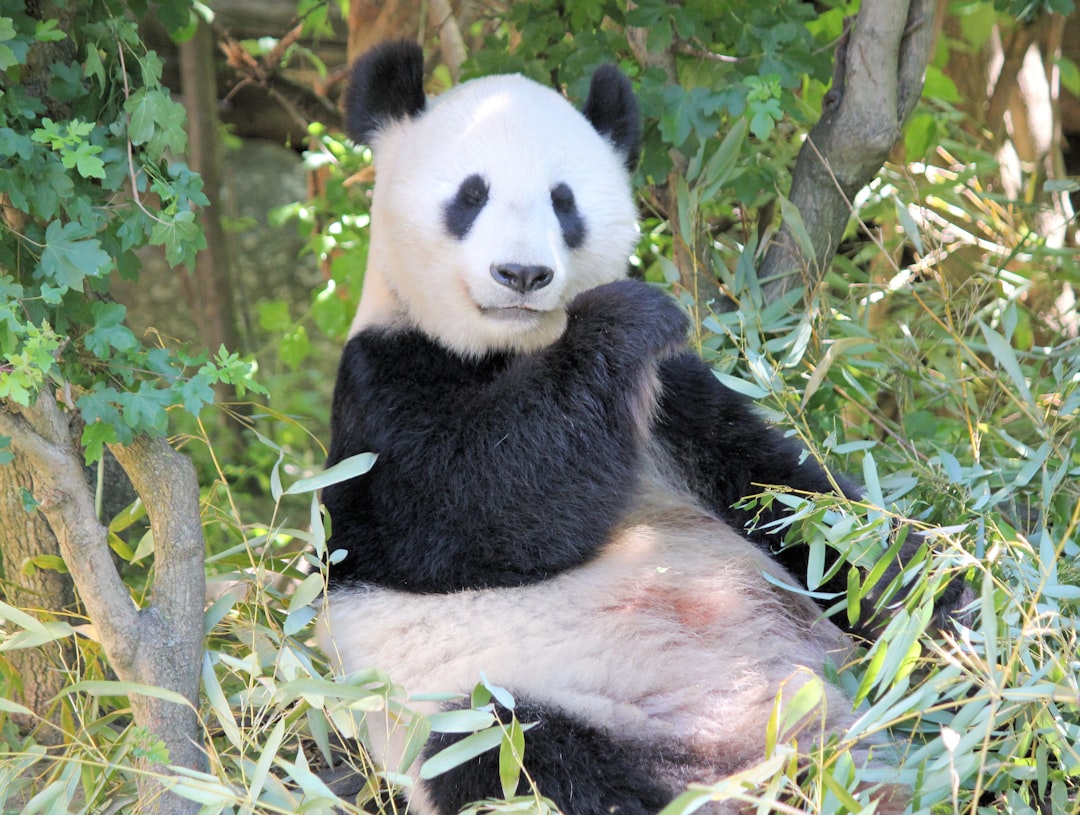
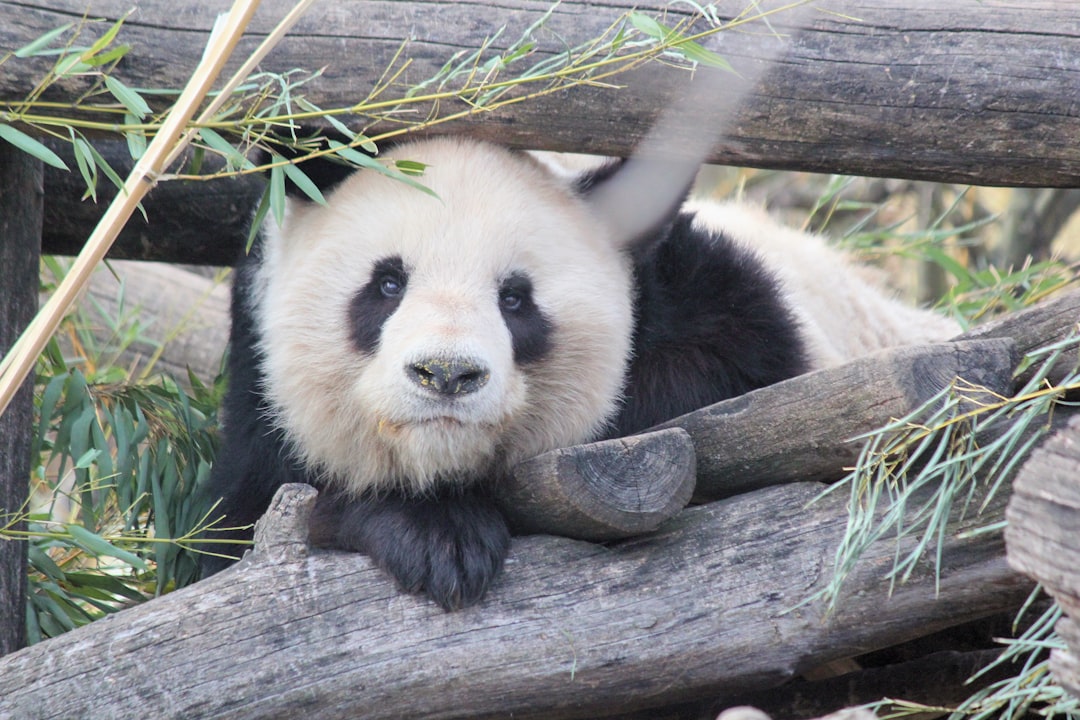
자이언트 판다는 가장 사랑받는 동물 중 하나입니다. 확인할 수 있는 오늘날 우리 지구에 있는 동물들 중 하나입니다. 이 아름다운 곰들은 독특한 흑백 털로 유명합니다. 자이언트 판다는 중국 중부의 산림 지대에서만 서식하기 때문에 매우 희귀합니다. 희귀한 자이언트 판다는 동물입니다. 다 자라면 몸무게가 최대 130파운드(약 136kg)에 달하고 키는 약 1.5미터 정도 됩니다. 중국은 자이언트 판다를 중국에 귀한 동물로 여깁니다. 국가의 소중한 보물들을 아끼고 그것들을 위험으로부터 지키기 위해 열심히 노력합니다.
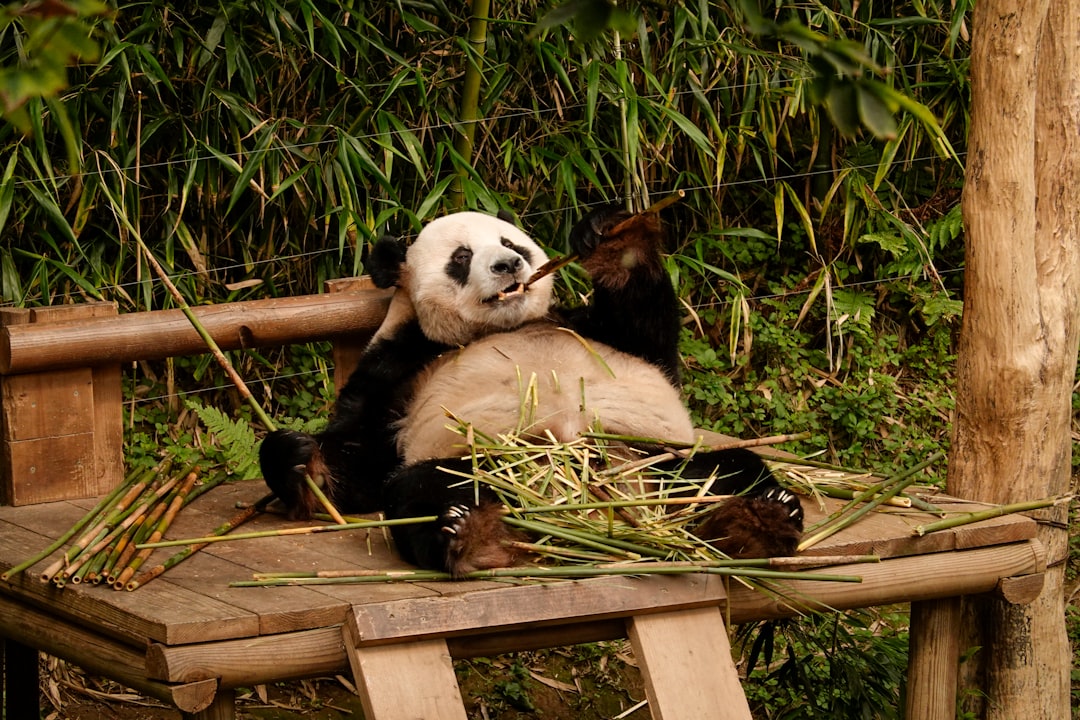
대부분의 곰과는 달리 자이언트 판다는 거의 아무것도 먹지 않습니다. 대나무 판다는 평생 동안 대나무를 먹습니다. 성체 판다는 생존을 위해 매일 최대 80파운드(약 36kg)의 대나무를 먹어야 합니다. 대나무는 영양가가 높지 않기 때문에 판다는 하루에 약 12시간을 먹는 데만 소비합니다. 영양물 섭취 또는 에너지. 판다는 식사를 할 때 대나무 줄기를 잡는 데 도움이 되는 엄지손가락과 같은 특별한 뼈를 가지고 있습니다. 분류상으로는 동물이지만, 육식동물, 판다는 고기를 거의 먹지 않고 대나무를 주식으로 하는 채식 위주의 식단을 선호합니다.
아기 판다는 믿을 수 없을 정도로 작습니다. 취약한 야생에서 갓 태어난 판다는 몸무게가 겨우 113g(4온스)밖에 되지 않아 버터 한 조각만 합니다. 분홍색 털에 눈도 보이지 않고 완전히 무력한 상태로 태어나 생존을 전적으로 어미에게 의존합니다. 어미 판다는 새끼를 따뜻하게 해주기 위해 처음 몇 달 동안 끊임없이 품에 안고 있습니다. 새끼 판다는 생후 6개월쯤부터 대나무를 먹기 시작하지만, 2년 동안 어미와 함께 지냅니다.
자이언트 판다는 한때 멸종 위기에 처한 1980년대에는 야생에 천 마리도 채 남지 않았습니다. 중국의 보존 프로그램은 수십 년 동안 판다를 보호하기 위해 노력해 왔습니다. 서식지 그리고 더 많은 판다를 번식시켰습니다. 이러한 노력 덕분에 판다 개체 수는 서서히 증가하여 현재 1,800마리가 넘습니다. 동물원에서 태어난 판다는 자연 개체 수 증가를 위해 야생으로 방사되기도 합니다. 자이언트 판다는 강력한 생태계의 일원이 되었습니다. 상징 전 세계 야생 동물 보호 노력.
전 세계 동물원들은 방문객들이 보고 감상할 수 있도록 판다를 빌리기 위해 중국에 비용을 지불합니다. 이러한 판다 대여는 자금을 모으는 데 도움이 되며, 의식 중국에서 진행되는 보존 프로그램에도 기여하고 있습니다. 수백만 명의 사람들이 이 사랑스러운 흑백 곰을 직접 보기 위해 동물원을 찾습니다. 판다는 전 세계 멸종 위기종 보호의 중요성을 사람들에게 알리는 데 도움을 줍니다. 판다를 보호함으로써 우리는 판다의 서식지인 산림과 그곳에 사는 다른 동물들도 보호할 수 있습니다.
수준: 레벨 F
A. 어휘 매칭
각 단어와 그 정의를 연결하세요.
1. 확인할 수 있는 ______
2. 희귀한 ______
3. 국가의 ______
4. 대나무 ______
5. 영양물 섭취 ______
6. 육식동물 ______
7. 취약한 ______
8. 멸종 위기에 처한 ______
9. 서식지 ______
10. 의식 ______
a. 쉽게 식별하거나 기억할 수 있는
b. 어떤 것에 대한 지식과 이해
c. 팬더가 먹는 키가 크고 나무처럼 단단한 풀
d. 고기를 먹도록 만들어진 동물
예: 한 국가 전체에 속하는
f. 건강과 성장에 필요한 영양소
예를 들어, 약하고 쉽게 상처받거나 다치는
h. 흔히 볼 수 없는; 드문
i. 동물들이 사는 자연 서식지
j. 완전히 사라질 위험에 처해 있다
B. 참 또는 거짓
각 문장에 대해 T(참) 또는 F(거짓)를 쓰십시오.
- 자이언트 판다는 아시아 전역의 숲에 서식합니다.
- 판다는 무게가 최대 300파운드(약 136kg)까지 나갈 수 있습니다.
- 판다는 매일 약 80파운드의 대나무를 먹습니다.
- 아기 판다는 태어날 때 크고 강합니다.
- 판다는 육식동물로 분류됩니다.
- 1980년대에는 판다가 1,000마리도 채 되지 않았습니다.
- 최근 판다 개체 수가 감소했습니다.
- 동물원들이 판다를 빌리기 위해 중국에 돈을 지불한다.
- 판다는 하루에 약 12시간을 먹는 데 보낸다.
C. 빈칸을 채우세요
단어 목록: 식별 가능한 | 희귀한 | 대나무 | 영양 | 취약한 | 멸종 위기에 처한 | 서식지
- 자이언트 판다는 지구상에서 가장 _______________ 동물 중 하나입니다.
- 이 곰들은 매우 희귀하며 중국에만 서식합니다.
- 판다는 평생 동안 거의 아무것도 먹지 않고 _______________만 먹습니다.
- 아기 판다는 태어났을 때 매우 _______________하고 무력합니다.
- 보존 프로그램은 야생에서 판다를 보호하기 위해 노력합니다.
D. 이해력 질문
- 자이언트 판다는 야생에서 어디에 살까요?
- 성인 판다는 하루에 대나무를 얼마나 먹을까요?
- 판다는 왜 그렇게 오랜 시간을 먹는 데 보낼까요?
- 아기 판다는 태어날 때 얼마나 작을까요?
- 보존 프로그램은 판다 개체 수 증가에 어떻게 도움이 되었습니까?
E. 토론 질문
이 질문들에 대해 짝과 이야기하거나 답을 적어보세요.
- 전 세계적으로 판다가 그토록 인기 있는 이유가 뭐라고 생각하세요?
- 동물원에서 판다를 사육해야 할까요, 아니면 모든 판다가 야생에서 살아야 할까요?
- 어떤 다른 멸종 위기 동물들이 더 많은 보호를 필요로 한다고 생각하시나요?
📝 정답을 보려면 클릭하세요
아래에서 정답을 확인하세요.
A. 어휘: 1-a, 2-h, 3-e, 4-c, 5-f, 6-d, 7-g, 8-j, 9-i, 10-b
B. 참/거짓: 1-F, 2-T, 3-T, 4-F, 5-T, 6-T, 7-F, 8-T, 9-T
C. 빈칸을 채우세요: 1-알아볼 수 있는, 2-희귀한, 3-대나무, 4-취약한, 5-서식지
D. 이해력: 1. 중국 중부의 산림 지대에서 서식합니다. 2. 무게는 최대 80파운드(약 36kg)입니다. 3. 대나무는 영양가나 에너지가 많지 않기 때문입니다. 4. 무게는 약 4온스(약 113g)로 버터 한 조각만큼 작습니다. 5. 그들은 서식지를 보호하고, 판다의 번식을 촉진하여 개체 수를 1,800마리 이상으로 늘렸습니다.
저희의 전체 컬렉션을 살펴보세요 무료 ESL 워크시트 및 학습 자료 대만 문화, 과학, 세계사 등을 다룹니다.

 한국어
한국어  English
  繁體中文
繁體中文  日本語
日本語  ไทย
ไทย  Bahasa Indonesia
  Tiếng Việt
  Français