
餐廳英文: 50 Restaurant Phrases Taiwan Travelers Need (2026) | 點餐英文對話
Walk into a Manhattan diner at 7 p.m. on a Friday and the host will throw three sentences at you in twelve seconds: “How many?” “Booth or table?” “Any allergies tonight?” Most Taiwan travelers freeze on sentence two — and the line behind them grows. The fix is not more vocabulary. It is the exact 餐廳英文 (restaurant English) wording that Western servers actually expect, in the order they expect it.
This guide gives you 50 phrases, organized by the moment you need them — from the host stand to the tip line. Every one has been pulled from real menus, real receipts, and real complaints overheard at restaurants from Brooklyn to Brisbane.
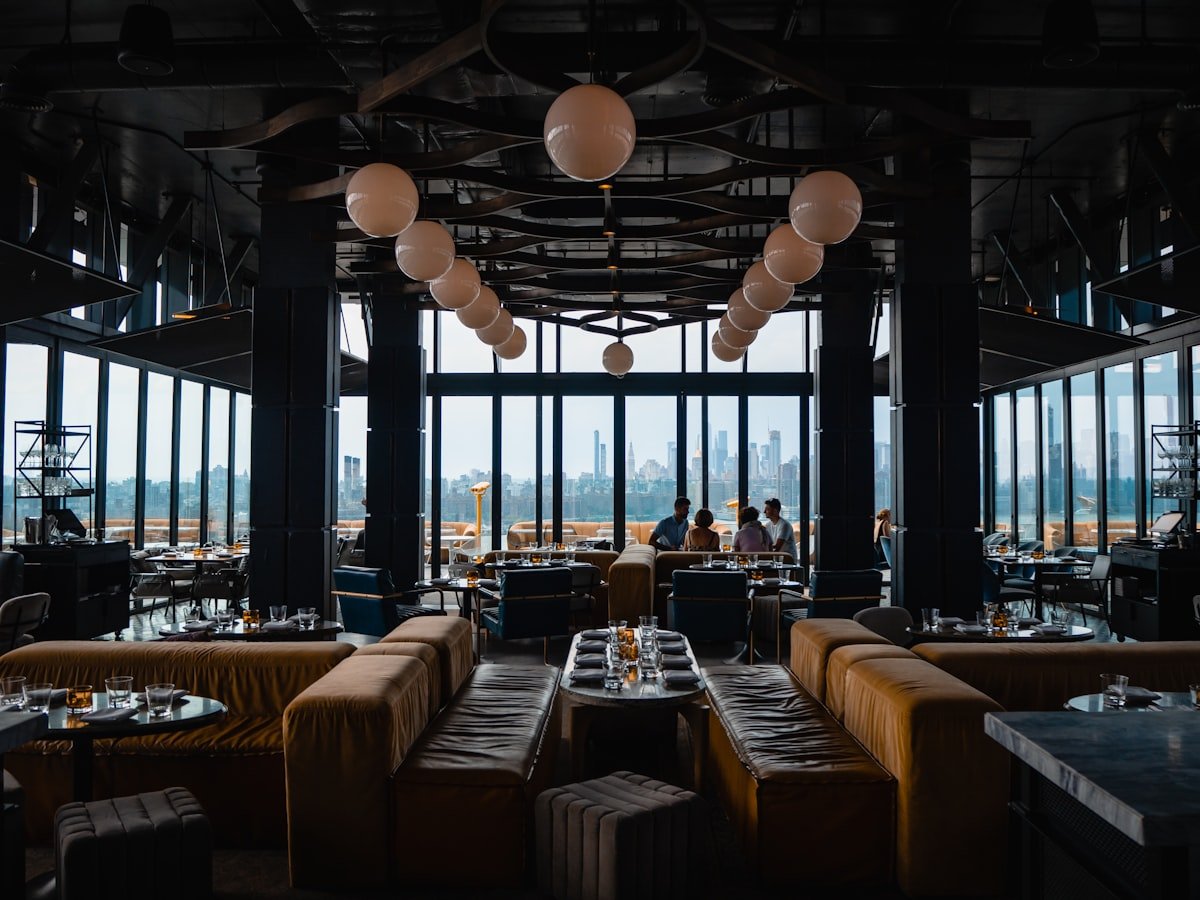
What 餐廳 Actually Means in English (餐廳英文單字)
The word restaurant covers a narrow slice of what Taiwan calls 餐廳. In American English, restaurant usually implies table service and a printed menu — a 路邊小吃店 is a diner, a noodle shop, or simply a place that does noodles. Asking “Where is a good restaurant nearby?” when you mean a beef-noodle stall will get you sent to a $40-a-plate steakhouse.
Here is the working vocabulary every Taiwan traveler needs:
- Restaurant — sit-down, table service, printed menu (台灣的「餐廳」)
- Diner — American casual, all-day breakfast, vinyl booths (小吃店 / 茶餐廳的概念)
- Café / Coffee shop — coffee-led, light food (咖啡廳)
- Bistro — small, French-leaning, wine-friendly (餐酒館)
- Pub / Gastropub — beer plus elevated food (酒吧餐廳)
- Food court — mall stalls, no table service (美食街)
- Buffet — pay one price, serve yourself (吃到飽)
- Drive-thru — order from your car (得來速)
How to Pronounce “Restaurant” (Restaurant 怎麼唸)
The single biggest pronunciation trap in 餐廳英文 is the word restaurant itself. American English drops the middle vowel: RES-trant (two syllables), not RES-tau-rant (three). British English keeps three syllables but softens the ending to res-tron. Both are correct, but mixing them — saying RES-tau-RAUNT with a hard final T — is the giveaway that flags you as a learner.
Practice pair: “There’s a great restaurant on the corner.” Aim for RES-trant. Once that lands, the rest of the menu becomes easier — half the words you will read are borrowed French, and English speakers butcher them too.
訂位英文: 8 Reservation Phrases That Always Work
Reservations are the highest-stakes moment because you are usually on the phone — no body language, no menu to point at. The trick is to front-load the four facts the host needs: time, party size, name, and contact number. Western reservation systems are built around that order.
- “I’d like to make a reservation for two on Saturday at seven.” — standard opener
- “Do you have anything available around 7:30?” — when the time you want is taken
- “It’s a party of four — two adults and two kids.” — flag children early so they prep a booster seat
- “Could we get a quieter table, please?” — specific request, polite frame
- “Is there outdoor seating?” — patio/沙發/露台 are all outdoor seating
- “It’s under the name ‘Chen’ — C-H-E-N.” — spell it. Always.
- “We might be ten minutes late — is that okay?” — say this if you are running behind; most places hold the table 15 minutes
- “I need to cancel my reservation for tonight.” — cancel by phone, not text. No-shows cost the host their tip.
Walking In Without a Reservation
Western restaurants treat the host stand as a checkpoint, not a suggestion. Do not seat yourself unless there is a sign that says Please seat yourself — and even then, busy spots will reset the table if you grab the wrong one.
- “Table for three, please.” — opening line, every time
- “"얼마나 기다려야 하나요?"” — they will quote in minutes, not order numbers
- “We’ll wait at the bar.” — most restaurants will text you when ready
- “Can we add a name to the list?” — if there is a wait sheet
- “Is the bar open for food too?” — bar seats often skip the wait
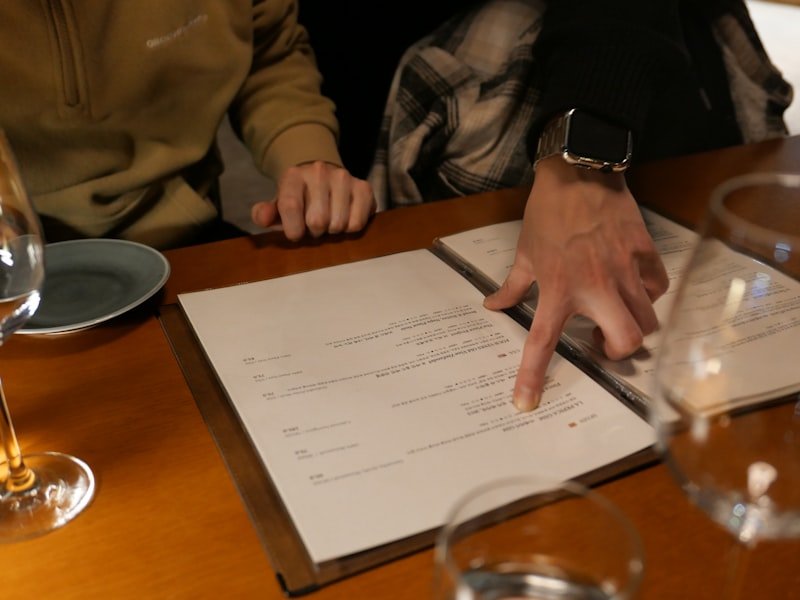
Reading the English Menu (菜單英文)
Western menus are organized by course, not by ingredient — and the labels are inconsistent. Once you know the structure, ordering speeds up by half. Most American restaurants run in this sequence:
- Appetizers / Starters / Apps — small first dishes (前菜) — share two between four people
- 수프 & 샐러드 — often a separate column; house salad is the cheapest
- Entrées / Mains — the main course (主菜) — note that “entrée” means main in the US, but starter in France and the UK
- Sides — extras you add to a main (附餐 / 配菜)
- 디저트 — sweets; many places run a separate dessert menu after
- Specials — daily items not on the printed menu; the server recites them
The 30-second menu trick: skip to the entrées first, then back-fill with one appetizer to share. Reading top to bottom usually means you over-order.
點餐英文: 12 Phrases for Ordering Food Like a Local
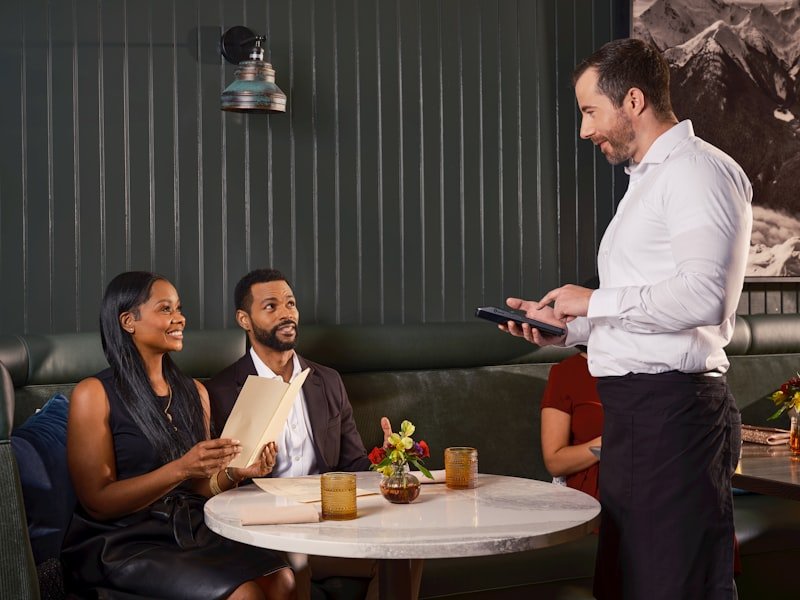
Servers ask three questions in a fixed order: drinks first, then food, then dessert. Match that rhythm and the meal flows. Fight it by ordering food before drinks and you will get a confused pause every time.
- “Could we have a few more minutes?” — when they come too early
- “"추천 메뉴가 무엇인가요?"” — opens the door; servers love this
- “What’s the most popular dish?” — backup to the recommendation question
- “I’ll have the salmon, please.” — clean, direct, no apology needed
- “Can I get the burger, medium, with fries?” — the American template: dish, doneness, side
- “I’d like that with the dressing on the side.” — sauce/dressing separated
- “We’ll split the calamari to start.” — sharing an appetizer between the table
- “Is the soup spicy?” — Western spicy is half what Taiwan calls 辣; ask
- “What comes with the steak?” — confirms which sides are included
- “That’s all for now, thanks.” — closes the order; signals you are done
- “Could we get bread for the table?” — many places give bread free if you ask
- “I think we’re ready to order.” — wave-down line when the server forgets you
Special Requests and Food Allergies (Where Taiwan Travelers Slip Up)
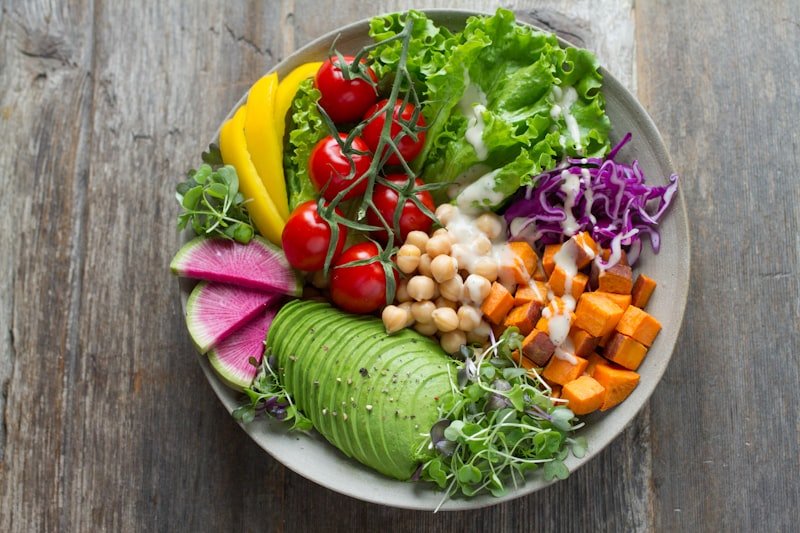
Western servers take allergies extremely seriously — partly culture, mostly legal liability. Say the word allergy and the kitchen will change gloves, wipe the prep station, and send the manager. Saying I don’t like… instead of I’m allergic to… matters: the kitchen treats the two completely differently.
- “I have a shellfish allergy — can the kitchen check?” — name the allergen specifically
- “Does this dish contain peanuts?” — direct question, easier to answer
- “I’m vegetarian — what do you recommend?” — most menus mark V for vegetarian, VG for vegan
- “Can you make it without cilantro?” — modifications are normal, not rude
- “Is there a gluten-free option?” — many places now have a separate GF menu
- “Could I substitute the fries for a salad?” — common swap; sometimes costs $2 extra
- “Light on the salt, please.” — Western salt levels are often double Taiwan’s
Drinks, Refills, and Asking About the Meal
American restaurants offer free refills on soda, iced tea, and coffee — water is always free and always tap unless you ask for bottled. In Europe, every refill is paid. Knowing which country you are in saves money on the small stuff.
- “Can I get a tap water, please?” — say 수도꼭지 or you may be sold bottled at $8
- “What’s on draft?” — for beer; on tap works too
- “Could we get a refill on the iced tea?” — refills assumed but say it
- “모든 게 잘 지내시나요?” — the server’s standard mid-meal check-in
- “It’s great, thanks — could we get more napkins?” — answer the check-in, then add a request
When Something’s Wrong (Polite Complaints in 餐廳英文)
Most Taiwan travelers swallow problems out of politeness. Western servers prefer the complaint — a quiet table that tips badly is worse than a fixable problem the kitchen can correct. The phrasing matters: lead with the fact, end with the fix you want.
- “I think there’s been a mix-up — I ordered the chicken, not the pork.”
- “This is a little undercooked — could you put it back on for two more minutes?” — specific fix, no anger
- “The soup came out cold — could we get a fresh bowl?”
- “Excuse me, we’ve been waiting about thirty minutes — any update?” — time-stamps the wait without accusing
- “This isn’t what I ordered, but we’ll keep it — no problem.” — when you don’t want to send it back
結帳英文: Paying, Splitting, and Tipping (8 Bill Phrases)
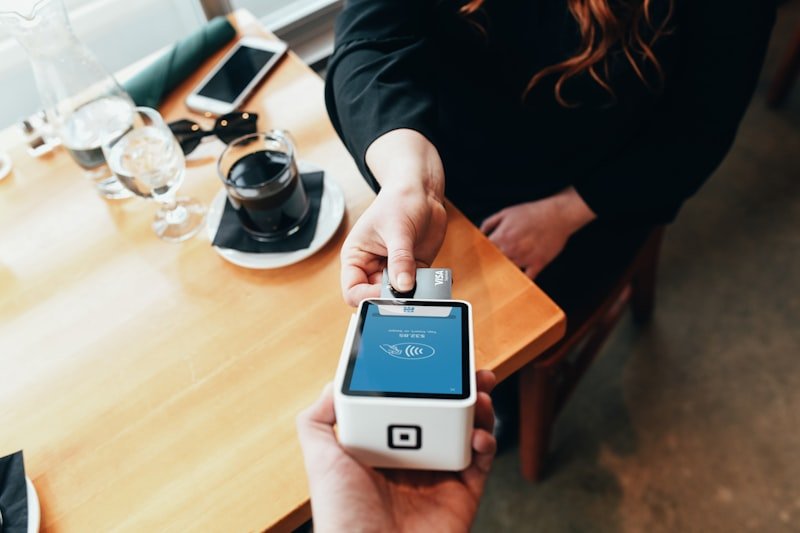
The bill is called the check in America and the bill in Britain — both work either side of the Atlantic. Tipping is the bigger trap: 18–22% on the pre-tax total is the American standard in 2026, and many checks now print a suggested tip line. Ignoring it draws stares.
- “Could we get the check, please?” — American; or “the bill” in the UK
- “Can we split the bill four ways?” — even split
- “Separate checks, please.” — itemized split; say this before the order if possible
- “Can I put it on this card?” — handing over a credit card
- “What’s the tip standard here?” — fair to ask in a new country
- “Could I get a receipt?” — say it; many places skip it for credit-card payments
- “Is service included?” — Europe often adds service to the bill (look for servizio 또는 service compris)
- “잔돈은 가지세요.” — cash payment, fixed tip — still common at diners
外帶英文: Takeout, Delivery, and Drive-Thru
Takeout English splits by region. American English says to go 또는 takeout. British and Australian English say takeaway. Both are understood everywhere, but matching the local term smooths the order. A few phrases that do most of the work:
- “That’s to go, please.” — American
- “Can I get this to go?” — switching from dine-in to takeout mid-meal
- “Could I get a box for the leftovers?” — Western restaurants box up leftovers without judgment; ask
- “Is delivery available through your own app or DoorDash?” — many US places split between in-house and third-party
- “I’ll have a number three, no onions, with a Coke.” — drive-thru template: combo number, modification, drink
One final note that catches Taiwan travelers off guard: in the West, the host station is not where you pay. The check comes to your table, you pay there, and you leave. Walking up to the front to pay — perfectly normal in Taiwan — confuses the staff and slows the line. Pay at the table, leave a fair tip, and walk out the door.
Watch: Restaurant Ordering Practice
This shadow-reading practice video walks through the full arc — entry, ordering, paying — at conversational speed:
Putting It Together
The fifty phrases above cover roughly 95% of what you will say in a Western restaurant. The other 5% is regional slang and inside jokes — let those come later. For your next trip, pick five phrases from each section and run through them out loud before you fly. Reading them is not the same as saying them at speed under fluorescent lights with a hungry partner across the table.
Pair this guide with our travel and food vocabulary list, brush up on small talk phrases for the chat between courses, and review English numbers so prices, party size, and reservation times come out clean. The meal is the easy part once the ordering is automatic.
출처
- Cambridge English — Teaching Restaurant English — methodology for ordering, complaining, and paying phrases used in classroom textbooks.
- BBC Learning English — The English We Speak — UK regional usage for bill, takeaway, and service charge norms.
- Toast — 2026 Restaurant Tipping Guide — current US tip standards (18–22%), suggested-tip prompts on checks, and POS-driven changes since 2024.
Looking for free ESL worksheets for your classroom? Browse our free worksheet library →
Are you a teacher? Find lesson resources and worksheets at TahricTeaches.com.




 한국어
한국어  English
  繁體中文
繁體中文  日本語
日本語  ไทย
ไทย  Bahasa Indonesia
  Tiếng Việt
  Français