

Dolphins Intermediate
Reading Passage
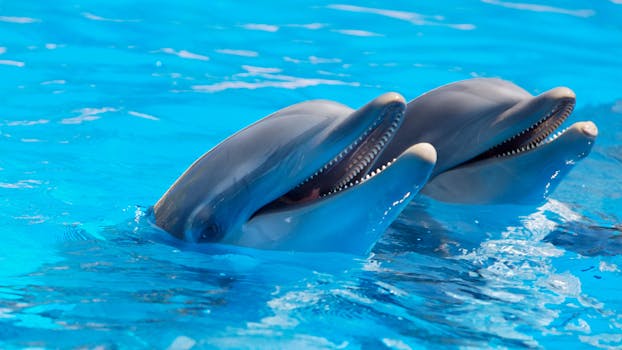
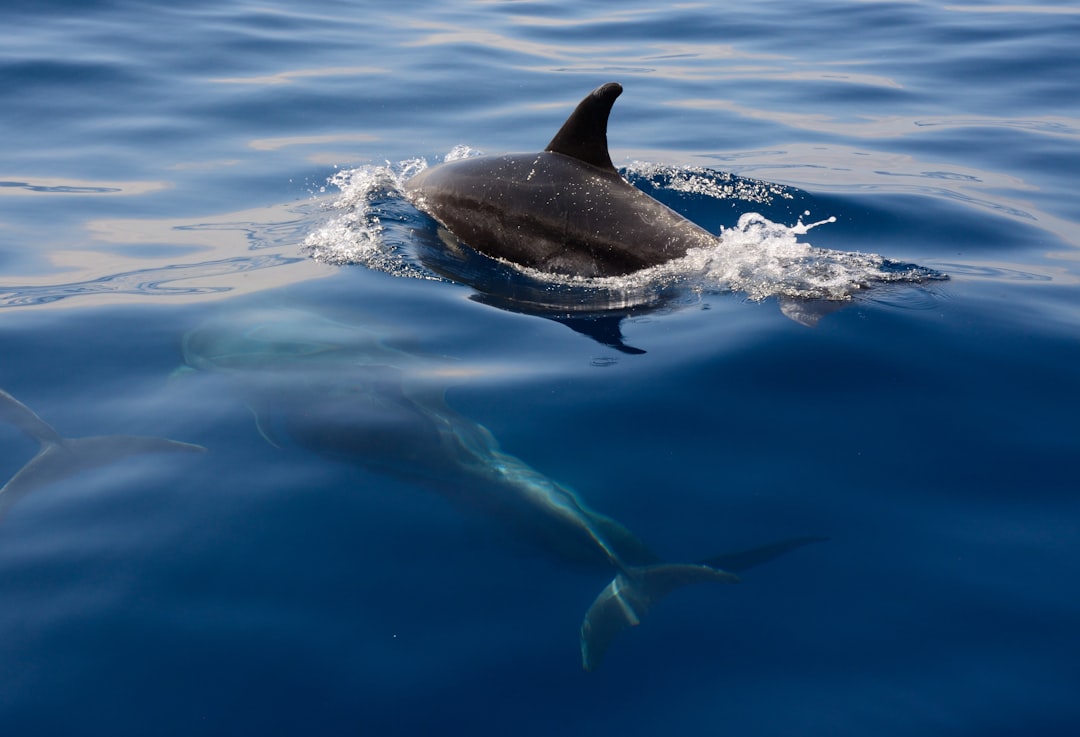
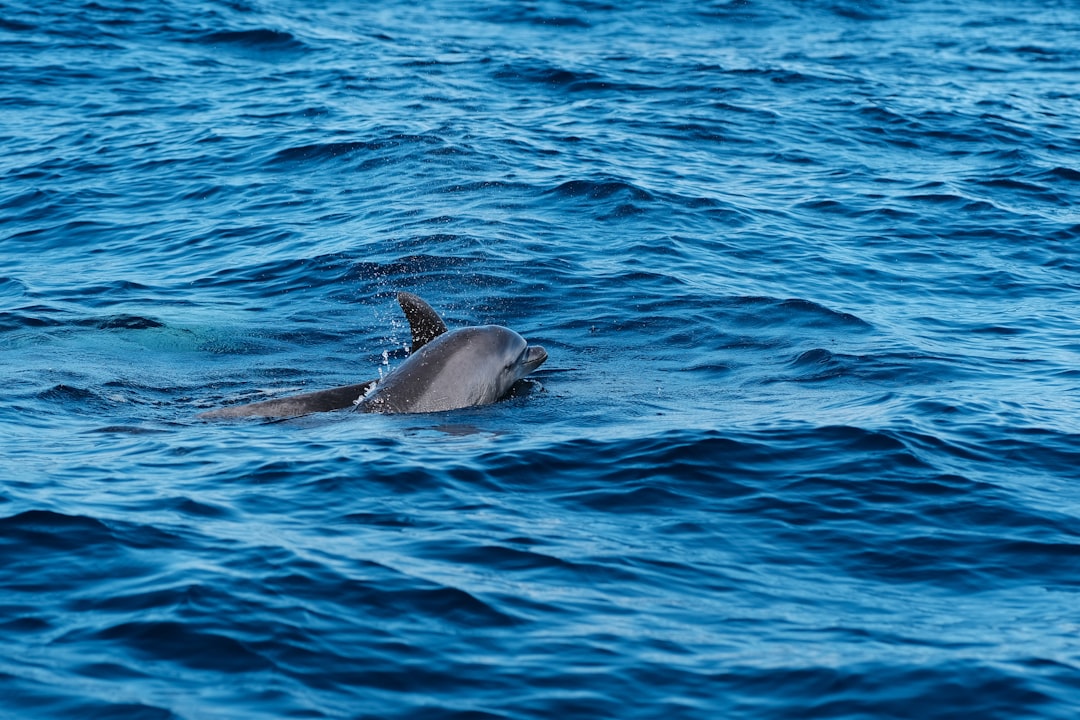
Dolphins are some of the most intelligent animals living in our oceans today. These amazing creatures are not fish but mammals that breathe air just like humans do. There are over forty different species of dolphins found in oceans and rivers around the world. Dolphins have smooth, gray skin and a curved fin on their backs that helps them swim fast. They can reach speeds of up to twenty miles per hour when chasing fish or playing with friends.
One remarkable thing about dolphins is how they communicate with each other underwater. They make clicking sounds and whistles that travel through the water to send messages. Scientists believe each dolphin has its own special whistle that works like a name. Dolphins use a skill called echolocation to find food in dark or murky water. They send out sounds that bounce off objects and return, helping them locate fish to eat.

Dolphins are very social animals that live together in groups called pods. A pod can have just a few dolphins or more than one hundred members swimming together. They work as a team to hunt fish by surrounding them in tight circles. Mother dolphins are very protective of their babies and nurse them with milk for years. Young dolphins stay close to their mothers while learning important survival skills in the ocean.
These playful creatures are known for their acrobatic jumps and flips above the water surface. Scientists think dolphins jump for fun, to communicate, and to remove parasites from their skin. Dolphins have been observed helping injured dolphins and even saving humans from shark attacks. They seem to understand when other animals need assistance and show genuine kindness and care. This behavior shows that dolphins may feel empathy like humans do.
Sadly, dolphins face many dangers from human activities in the modern world. Pollution, fishing nets, and boat traffic all threaten dolphin populations worldwide today. Many organizations work hard to protect dolphins and keep oceans clean and safe. Marine parks study dolphins to learn how we can better help them survive. By understanding these incredible animals, we can work together to ensure dolphins thrive for generations to come.
수준: Level F
A. Vocabulary Matching
Match each word with its definition.
1. intelligent ______
2. mammals ______
3. communicate ______
4. echolocation ______
5. social ______
6. protective ______
7. acrobatic ______
8. parasites ______
9. empathy ______
10. threaten ______
a. living and interacting in groups
b. to share information with others
c. organisms that live on and harm another
d. having a high ability to learn and think
e. warm-blooded animals that nurse their young
f. to put in danger or at risk
g. understanding and sharing feelings of others
h. using sound echoes to locate objects
i. performing impressive jumps and movements
j. wanting to keep someone safe from harm
B. True or False
Write T (True) or F (False) for each statement.
- Dolphins are a type of fish. ______
- There are over forty species of dolphins. ______
- Each dolphin has its own special whistle. ______
- Dolphins live alone, not in groups. ______
- Dolphins can swim up to twenty miles per hour. ______
- Dolphins use echolocation to find food. ______
- Mother dolphins nurse their babies with milk. ______
- Dolphins never help other animals in trouble. ______
- Pollution is a threat to dolphin populations. ______
C. Fill in the Blanks
Word Bank: intelligent | mammals | communicate | echolocation | social | protective | threaten
- Dolphins are some of the most _______________ animals in the ocean.
- Dolphins are _______________ that breathe air just like humans do.
- Dolphins _______________ with each other using clicks and whistles.
- They use _______________ to find fish in dark water.
- Pollution and fishing nets _______________ dolphin populations worldwide.
D. Comprehension Questions
- Why are dolphins classified as mammals and not fish?
- How do dolphins use echolocation to find food?
- What is a group of dolphins called?
- Why do scientists think dolphins jump out of the water?
- What are some dangers that dolphins face from humans?
E. Discussion Questions
Talk about these questions with a partner or write your answers.
- Why do you think dolphins are so popular with people around the world?
- What can humans do to help protect dolphins and their ocean homes?
- Do you think dolphins should be kept in marine parks? Why or why not?
Answer Key
Check your answers below.
A. Vocabulary: 1-d, 2-e, 3-b, 4-h, 5-a, 6-j, 7-i, 8-c, 9-g, 10-f
B. True/False: 1-F, 2-T, 3-T, 4-F, 5-T, 6-T, 7-T, 8-F, 9-T
C. Fill in the Blanks: 1-intelligent, 2-mammals, 3-communicate, 4-echolocation, 5-threaten
D. Comprehension: 1. They breathe air and nurse their young with milk; 2. They send out sounds that bounce off objects and return; 3. A pod; 4. For fun, to communicate, and to remove parasites; 5. Pollution, fishing nets, and boat traffic
Browse our complete collection of free ESL worksheets and learning resources covering Taiwan culture, science, world history, and more.
 한국어
한국어  English
  繁體中文
繁體中文  日本語
日本語  ไทย
ไทย  Bahasa Indonesia
  Tiếng Việt
  Français