

介係詞用法完整指南:7 Rules for English Prepositions (in/on/at)
把「我在捷運站」翻成英文,台灣學生十個有八個會說「I’m ~에 the MRT station」。其實母語人士會說「I’m ~에 the MRT station」。這個一個介係詞的差別,正是介係詞 (介系詞) 最棘手的地方——規則不難,難在中文的「在」一個字,到了英文要拆成 at、on、in 三個不同的選擇。這篇用 7 個可以馬上套用的規則,加上中英對照表、必背搭配詞和台灣人最常犯的錯誤,幫你一次把 in/on/at 搞定。
Prepositions are the grammar point most students get wrong in conversation class.
英文介係詞是什麼?(What Are Prepositions?)
介係詞是放在名詞或代名詞前面、用來表示「時間、地點、方向、關係」的小字。常見的有 in、on、at、to、for、with、by、from。它們本身沒有什麼意思,卻決定了整句話聽起來自不自然。母語人士不需要思考就知道用哪一個,因為他們是「整組記憶」的——記的是 on the bus、at home 這樣的搭配,而不是套公式。
A preposition is a connecting word that shows the relationship between a noun and the rest of the sentence. It usually answers one of three questions: when (time), where (place), or which way (direction). Look at how one tiny word changes the whole meaning: “The cat is ~에 the box,” “The cat is ~에 the box,” and “The cat is under the box” describe three completely different scenes. That is the power, and the difficulty, of prepositions.
這也是為什麼背一張「規則表」永遠不夠。規則能帶你走七成的路,剩下三成是固定搭配 (collocations),得靠大量輸入累積。好消息是:日常生活裡九成的句子,都落在那「七成的規則」裡,所以先把規則學扎實,CP 值最高。
時間介系詞:at / on / in 怎麼選?(Prepositions of Time)
時間介係詞最好記的口訣是「從小到大」:時間範圍越小用 ~에,中等用 ~에,越大越長用 ~에。一個鐘點是個「點」,所以 at;一天是個「框」,所以 on;一個月、一年、一個季節範圍最大,所以 in。

Use at for exact clock times: at 7 o’clock, at noon, at midnight.
at — 明確的時刻 (Specific Times)
用在鐘點和特定的時間點。也用在某些固定的時間「期間」和節日。一個常被忽略的固定用法是 at night——明明 night 是一段時間,卻用 at,這就是得整組記下來的例外。常見例句:
- The meeting starts ~에 9 o’clock.
- I usually feel sleepy ~에 noon.
- She studies English ~에 night.
- We exchange gifts ~에 Christmas.
- He left ~에 the same time as me.

Use on for specific days and dates: on Monday, on June 30.
on — 特定的日子與日期 (Days and Dates)
只要是「某一天」就用 on,連「某天的某個時段」也跟著用 on。注意這裡——單獨講「早上」是 in the morning,但一旦綁定某一天,就升級成 on Friday morning。台灣學生最常在這裡卡住。常見例句:
- My class is ~에 Monday.
- Her birthday is ~에 June 30.
- We met ~에 New Year’s Day.
- I have a test ~에 Friday morning.
- They got married ~에 a rainy day.
in — 較長的時段 (Longer Periods)
月份、年份、季節、世紀,以及一天裡的大段時間,都用 in。in 還能表示「再過多久」:I’ll be there in ten minutes (十分鐘後到)。這個未來用法和「持續時間」的 for 很容易搞混,後面會再談。常見例句:
- It often rains ~에 July.
- I was born ~에 2001.
- We travel a lot ~에 summer.
- She wakes up early ~에 the morning.
- The train leaves ~에 five minutes.
地點介系詞:at / on / in 的差別 (Prepositions of Place)
地點的邏輯和時間幾乎一樣,也是「從小到大」:~에 是一個「點」、~에 是一個「面」、~에 是一個「空間或範圍」。把這三個畫面記在腦中,大部分情況都能直覺反應。
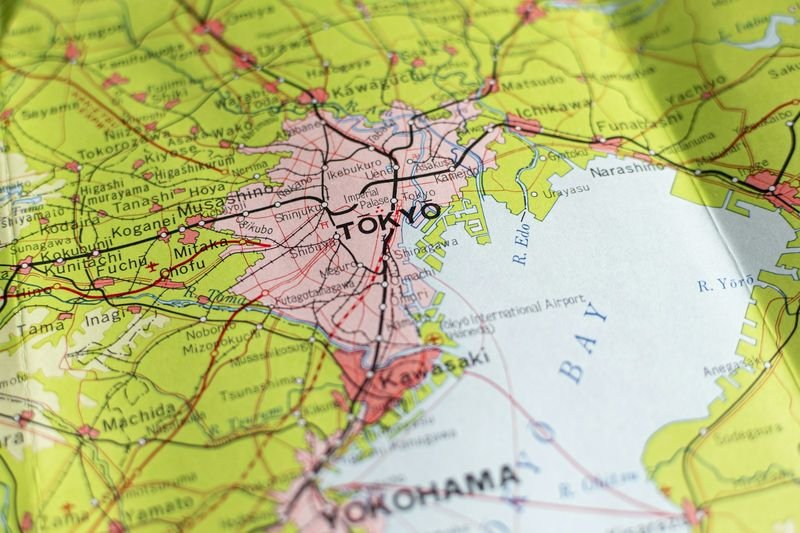
Use in for cities and countries: in Taipei, in Taiwan.
at — 一個地點 (A Point)
把地方看成地圖上的一個「點」時用 at。重點是你不在乎它的內部空間,只把它當一個位置。所以約見面說 Let’s meet at the station,因為車站在這裡只是一個「會合點」。常見例句:
- I’m waiting ~에 the bus stop.
- Someone is ~에 the door.
- She is ~에 work right now.
- Let’s meet ~에 the corner of the street.
- The kids are ~에 home today.
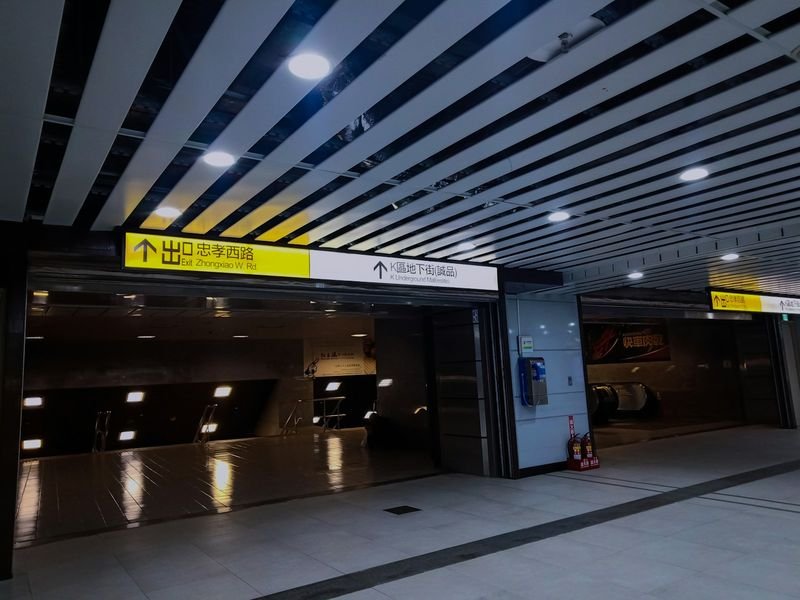
“At the MRT station” vs “on the MRT” — the difference Taiwanese speakers mix up.
on — 一個表面或一條線 (A Surface or Line)
東西「接觸到表面」時用 on,延伸到「街道」和「樓層」也是 on。交通工具裡,能站起來走動的大型工具用 on。所以「我在捷運上」是 I’m on the MRT,但「我在捷運站」是 I’m at the MRT station——同一趟通勤,兩個不同的介係詞。常見例句:
- Your phone is ~에 the table.
- There’s a poster ~에 the wall.
- Our office is ~에 the third floor.
- I read the news ~에 the train every morning.
- The bakery is ~에 Zhongxiao Road.
in — 一個封閉空間 (An Enclosed Space)
被「包起來」的空間用 in。城市、國家範圍大,當然是 in。一個經典對照:你坐進計程車是 get in a taxi,但搭公車是 get on a bus——大小決定了介係詞。常見例句:
- The documents are ~에 the drawer.
- We live ~에 Taipei.
- I left my umbrella ~에 the car.
- She works ~에 Taiwan now.
- Please wait ~에 the meeting room.
in / on / at 用法總整理表 (Quick Comparison Table)
| 介係詞 | 時間 (Time) | 地點 (Place) | 記憶口訣 |
|---|---|---|---|
| ~에 | 明確時刻 at 7:00, at noon, at night | 一個點 at home, at the door | 最小 — 一個點 |
| ~에 | 特定日期 on Monday, on June 30 | 一個表面/線 on the table, on the bus | 中等 — 一個面 |
| ~에 | 較長時段 in July, in 2026, in summer | 一個空間/範圍 in the car, in Taipei | 最大 — 一個空間 |
方向介系詞:into, onto, through, across (Prepositions of Movement)
前面講的 in/on/at 是「靜止狀態」的位置。一旦有「移動」發生,介係詞就要換成方向介係詞——這組是台灣課本最少教、母語人士卻天天用的。基本邏輯:in/on 是「已經在裡面/上面」,into/onto 則是「從外面移動進去/上去」。常見的方向介係詞和例句如下:
- into (進入) — She walked into the room.
- onto (移到表面上) — The cat jumped onto the table.
- out of (從…出來) — He took his phone out of his pocket.
- through (穿過內部) — We drove through the tunnel.
- across (橫越表面) — They walked across the street.
- toward (朝向) — She ran toward the door.
- along (沿著) — We walked along the river.
- past (經過) — I drove past your house.
最常見的混淆是 through 和 across:穿過「有內部空間」的東西 (隧道、森林、人群) 用 through;橫越「平面」(街道、橋、河) 用 across。記住畫面就不會錯。
其他常用介係詞:to, for, by, with, from (Other Key Prepositions)
in/on/at 之外,還有五個高頻介係詞值得單獨記。它們的錯誤率甚至比 in/on/at 更高,因為中文很難找到對應。
- 에게 — 方向、目的地:go to school、give it to me。注意 arrive 後面不接 to (arrive at/in),這是台灣人最常多加的字。
- for — 持續時間、目的、對象:for two hours (持續兩小時)、a gift for you。和 since (從某時間點起) 成對記。
- by — 方法、期限、被動:by bus (注意:交通方法用 by,沒有 the)、by Friday (在週五前)、written by Lucy。
- ~와 함께 — 一起、用某工具:with my friends、cut it with a knife。
- from — 起點、來源:from Taiwan、from 9 to 5。和 to 成對。
Many prepositions are idiomatic — you learn the collocation, not a rule.
台灣人最常犯的 5 個介系詞錯誤 (5 Common Mistakes)
教 ESL 二十年,下面這五個錯誤幾乎每個台灣學生都犯過。它們的共同點是:把中文的「在」「用」「對」直接搬到英文。最大的錯誤來源從來不是規則本身,而是逐字翻譯——中文的「在」一個字,到英文要看情況拆成 at、on、in,沒辦法一對一對應。
- discuss about — discuss 後面不接 about。
❌ Let’s discuss about the plan. ✅ Let’s discuss the plan. - go to home — home 是副詞,前面不加 to。
❌ I will go to home. ✅ I will go home. - on the morning — 單講早上是 in the morning;只有綁定某天才用 on。
❌ I exercise on the morning. ✅ I exercise in the morning. - in the MRT — 捷運是能走動的大型交通工具。
❌ I’m in the MRT. ✅ I’m on the MRT. (但 ~에 the MRT station) - married with — 受中文「和…結婚」影響。
❌ She is married with him. ✅ She is married to him.
30 個必背介系詞搭配詞 (Essential Preposition Collocations)
很多介係詞錯誤其實是「搭配詞」問題——特定動詞或形容詞後面只能接特定介係詞,沒有道理可講,只能整組記。這類搭配在多益 (TOEIC) 和學測寫作的扣分點裡佔很大比例。下面這 30 組是出現頻率最高的必背清單:
| 搭配詞 (Collocation) | 중국어 | 例句 (Example) |
|---|---|---|
| 의존하다 ~에 | 取決於 | It depends on the weather. |
| listen 에게 | 聽 | I listen to music every day. |
| look ~에 | 看 | Look at this photo. |
| wait for | 等待 | We waited for the bus. |
| good ~에 | 擅長 | She is good at math. |
| interested ~에 | 對…有興趣 | I’m interested in history. |
| 두려워하는 of | 害怕 | He is afraid of dogs. |
| 유명한 for | 以…聞名 | Taipei is famous for night markets. |
| apologize for | 為…道歉 | I apologize for being late. |
| belong 에게 | 屬於 | This bag belongs to me. |
| focus ~에 | 專注於 | Focus on your goals. |
| agree ~와 함께 | 同意 | I agree with you. |
| worry ~에 대한 | 擔心 | Don’t worry about the exam. |
| 믿다 ~에 | 相信 | I believe in you. |
| arrive ~에 | 到達 (地點) | We arrived at the airport. |
| arrive ~에 | 到達 (城市) | They arrived in Tokyo. |
| 자랑스러운 of | 以…為傲 | I’m proud of my team. |
| responsible for | 對…負責 | You are responsible for this. |
| different from | 與…不同 | This is different from that. |
| similar 에게 | 與…相似 | It’s similar to the old one. |
| good for | 對…有益 | Exercise is good for you. |
| angry ~와 함께 | 對…生氣 | She is angry with him. |
| thank you for | 感謝 | 도와주셔서 감사합니다. |
| look forward 에게 | 期待 | I look forward to seeing you. |
| think ~에 대한 | 思考 | Let me think about it. |
| laugh ~에 | 嘲笑 | Don’t laugh at me. |
| full of | 充滿 | The room is full of people. |
| pay for | 付錢買 | I’ll pay for dinner. |
| succeed ~에 | 成功做到 | She succeeded in passing TOEIC. |
| rely ~에 | 依賴 | You can rely on me. |
想把搭配詞記得更牢,可以順手複習 英文 12 種時態 和 冠詞 a/an/the 用法——這兩個和介係詞並列為台灣學生三大文法痛點,一起練效果最好。

The fastest way to fix preposition mistakes: write, get corrected, repeat.
介系詞練習方法 (How to Practice Prepositions)
介係詞沒辦法靠「理解」一次學會,只能靠「重複接觸」變成反射。最有效的三個方法都不花錢:第一,每天寫三句和自己生活有關的句子,刻意用上 in/on/at,寫完丟進文法檢查工具或請老師改;第二,看影集時把字幕裡的介係詞圈出來,注意母語人士怎麼搭配;第三,把固定搭配做成手機桌布,利用零碎時間複習。
比起背一百條規則,每天五分鐘的「輸出 + 修正」迴圈進步更快。想搭配連接詞一起練,可以參考 英文連接詞用法,讓句子更通順;假設語氣不熟的話,條件句 (假設語氣) 也值得一併補強。
小測驗:填入正確的介系詞 (Quick Quiz)
讀完規則,馬上測試自己。在每個空格填入 in、on、at 或其他正確的介係詞。答案在最下方。
- I have an English class ____ Monday afternoon.
- The meeting starts ____ 10 o’clock sharp.
- She was born ____ 1998 ____ Kaohsiung.
- Please put the report ____ my desk.
- We were stuck ____ the MRT for twenty minutes.
- He is really good ____ playing the guitar.
- The cat jumped ____ the sofa and fell asleep.
- I’m looking forward ____ seeing you next week.
解答 (Answers): 1. on 2. at 3. in / in 4. on 5. on 6. at 7. onto 8. to。答對 6 題以上,代表你已經掌握核心規則;錯比較多的話,回到上面的對照表再看一次,並把錯的那組搭配抄下來反覆練。
看影片快速複習 (Video Lesson)
下面這支由 English with Lucy 製作的影片,用情境示範 in/on/at 在時間和地點的差別,很適合搭配本文一起看:
常見問題 (FAQ)
介係詞 in、on、at 怎麼分?
用「從小到大」記:範圍最小用 at (明確時刻、一個點),中等用 on (特定日期、一個表面),最大用 in (較長時段、一個空間)。例如 at 7:00 → on Monday → in July;at the door → on the wall → in the room。
「在捷運上」英文怎麼說?
是 on the MRT,不是 in the MRT。能站起來走動的大型交通工具 (公車、火車、捷運、飛機) 都用 on;小型、要鑽進去的 (計程車、轎車) 才用 in。但「在捷運站」是 at the MRT station。
at night 為什麼不是 in the night?
這是固定用法,沒有邏輯可循,直接記下來。in the morning / afternoon / evening 都用 in,唯獨 night 用 at night。
介係詞要背嗎?
規則部分要理解,固定搭配 (如 depend on、good at) 則必須整組背。建議規則先學七成,搭配詞靠大量閱讀和聽力累積,不要想用一條公式套用所有情況。
into 和 in 有什麼不同?
in 表示「已經在裡面」的靜止狀態 (The keys are ~에 the bag);into 表示「從外面移動進去」的動作 (She put the keys into the bag)。只要句子裡有移動,就用 into,不用 in。onto 和 on 的關係也一樣。
交通工具用 in 還是 on?
看大小:能站起來走動的大型工具用 on (on the bus / train / MRT / plane / ship);小型、要彎腰鑽進去的用 in (in a car / taxi)。所以是 get on the bus 但 get in the taxi。腳踏車和機車比較特別,用 on (on a bike / scooter)。
下一步 (Where to Go From Here)
介係詞不是考前能臨時抱佛腳的文法,而是每天說話、寫信都會用到的基本功。與其追求「全部記住」,不如挑你最常用錯的那兩三組 (多數台灣人是 on the morning 和 in the MRT),這週開始刻意改過來。當這幾組變成反射,你的英文聽起來會立刻自然一個檔次。Pick one rule from this guide, use it in three real sentences today, and let it become a habit before you move on to the next. 想把文法地基一次打穩,接著就從 英文 12 種時態完整指南 開始,搭配介係詞一起練,進步最快。
출처
- 영국문화원 대만 지사 — 如何正確使用英文介系詞 in, at, on。
- 캠브리지 사전 문법 — Prepositions of time (at, on, in) reference.
- EF English Live — 簡述英文介系詞 in, on, at 的用法。
- Purdue OWL — Prepositions of time, place, and direction.
Looking for free ESL worksheets for your classroom? Browse our free worksheet library →
Are you a teacher? Find lesson resources and worksheets at TahricTeaches.com.





 한국어
한국어  English
  繁體中文
繁體中文  日本語
日本語  ไทย
ไทย  Bahasa Indonesia
  Tiếng Việt
  Français