
Four-Domain Vocabulary: Travel, Food, Technology & Health | 旅遊美食科技健康英文單字
本文重點:旅遊英文(travel English)、美食英文(food English)、科技英文(technology English)與健康英文(health English)是台灣上班族最常需要的四大英語情境。本文整理每個主題的核心英文單字(英語詞彙)與常用搭配詞(collocations),幫助英文學習者(英文學習、英語學習)在真實情境中自然表達。特別適合多益(TOEIC)考生、有海外商務往來需求的職場人士,以及正在補英文(英文家教課程)的台灣上班族。
When Taiwan professionals (台灣上班族、職場英文使用者) think about building English vocabulary, many picture a long list of words to memorize in isolation. But research in applied linguistics consistently shows that vocabulary sticks when learned in semantic clusters — groups of words tied to a specific real-world domain like travel, food, technology, or health. This guide moves through four universally useful vocabulary domains with a focus on natural usage patterns, authentic collocations, and the specific gaps that Taiwanese learners most commonly encounter.
Why Domain-Based Vocabulary Works | 為什麼主題式詞彙學習更有效
Traditional vocabulary study (英文單字學習、詞彙記憶法) often treats words as isolated items — you see a word, learn its definition, and move on. The problem is that meaning doesn’t exist in isolation. The word “discharge” means something entirely different in a medical context compared to an electrical engineering one. When you group vocabulary into domains, you train your brain to access the right word in the right situation automatically, without having to translate from Mandarin first.
Cognitive science calls this “situated learning” — knowledge embedded in the context where it will actually be used. For Taiwan professionals (台灣職場英文) preparing for international travel, business dining, tech collaboration, or overseas medical care, domain-based vocabulary is not just efficient. It is essential. Each domain covered in this guide was selected because it represents a high-frequency context where Taiwan professionals consistently report needing more confident, natural English.

Travel English in Practice | 旅遊英文實戰
Navigating Airports and Transportation | 機場與交通英文
The travel domain (旅遊英文、出國英文) begins long before you board the plane. At check-in, you need to handle routine exchanges like “Is this flight on time?” and “I’d like a window seat, please.” But beyond the basics, confident travelers know words like “standby,” “departure lounge,” “boarding pass,” “overbooked,” and “transit visa.” These are the words that appear in airport announcements and gate signage — understanding them immediately, without translation, changes the travel experience entirely.
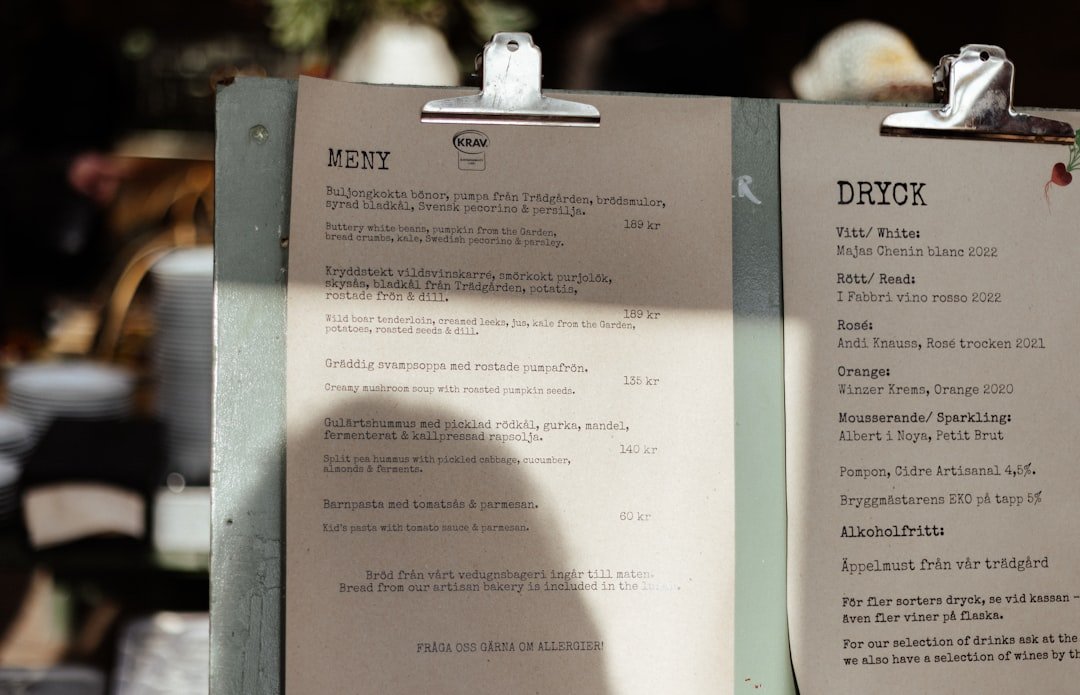
Once in transit, vocabulary shifts to ground transportation. Train stations in Europe and North America use terms like “platform,” “return ticket,” and “peak hours.” In a taxi or rideshare, you might encounter “metered fare,” “surge pricing,” or “drop-off point.” A simple but powerful collocation to master is make + reservation — you make a hotel reservation, a restaurant reservation, and a flight reservation. Many Taiwanese learners say “book a reservation,” which is redundant in English. You either “make a reservation” or “book a room” — not both.
Key travel collocations worth internalizing: check in (not “sign in”), board the plane (not “get on the airplane”), pass through customs (not “finish customs”), and claim your baggage (not “take your luggage”). These phrasing differences feel minor on paper but signal fluency immediately in real-world situations, particularly during business travel (商務旅行、出差英文) when the people around you are native speakers.
Accommodation and Local Exploration | 住宿與觀光英文
Hotel vocabulary deserves focused attention. The difference between understanding “en suite bathroom,” “amenities,” “complimentary breakfast,” and “late check-out” can mean the difference between a smooth stay and a frustrating one. When exploring a new city, phrases like “walking distance,” “tourist information center,” “landmark,” and “guided tour” help you navigate and communicate efficiently in English-speaking environments (英文情境練習、口說英文).
A common gap for Taiwan learners: mixing up “sightseeing” and “tourism.” Sightseeing is what you do (visiting attractions); tourism is the broader industry or phenomenon. Similarly, “souvenir” and “gift” are not interchangeable — a souvenir carries cultural or location significance, while a gift is simply something you give. These distinctions reflect how native speakers conceptualize the travel domain, and knowing them marks you as a fluent traveler rather than a translation-dependent one.
Food and Dining English | 美食英文
From Menu to Table | 點餐與菜單英文
Food vocabulary (美食英文、餐廳英文) is one of the most practical domains for professionals who dine with international clients or travel abroad. English menus use specific culinary vocabulary that can be intimidating: “braised,” “sautéed,” “pan-seared,” “drizzled with a reduction,” “emulsified sauce.” These are not just cooking techniques — they signal the style and quality of a dish. In business dining (商務餐敘英文、招待客戶英文) contexts, reading a menu confidently and making a well-informed recommendation to your guest is a real professional advantage.
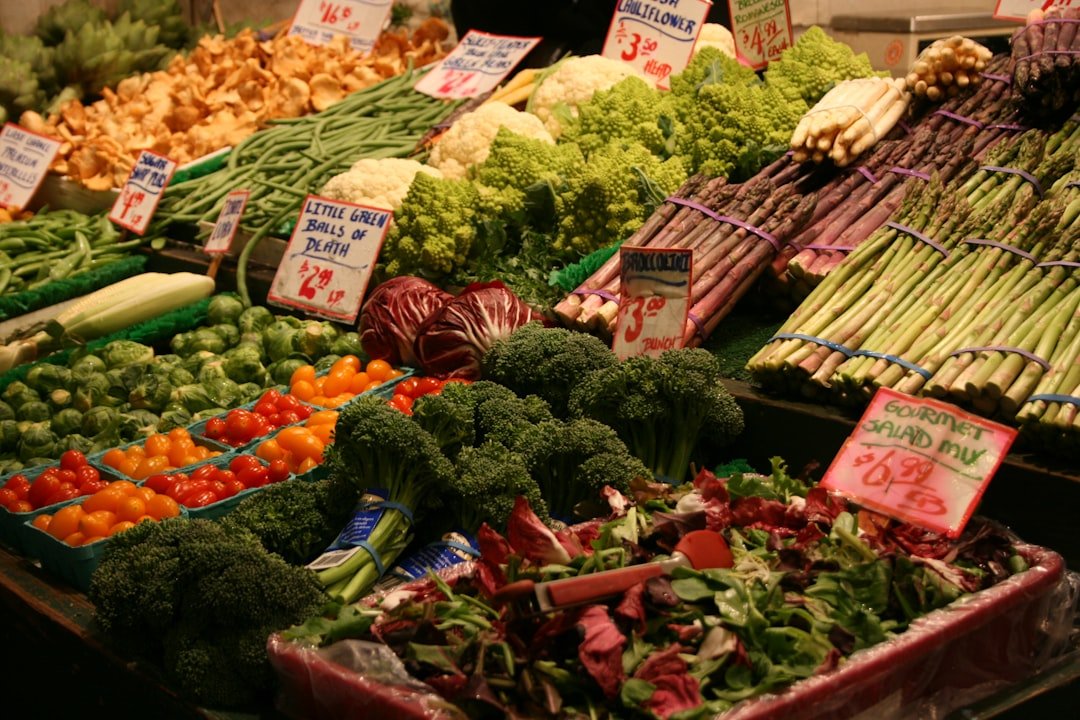
When ordering, natural English flows differently from Mandarin conventions. Instead of “I want the steak,” native speakers typically say “I’ll have the steak” or “I’d like to try the salmon.” The modal verb “I’d like” softens the request, which is the default register in most restaurant settings. Learning this register shift — from direct statement to polite modal — is one of the highest-impact single changes a Taiwan learner can make in dining situations.
Understanding dietary vocabulary is increasingly important in international settings. Terms like “gluten-free,” “plant-based,” “dairy-free,” “nut allergy,” and “vegan” are now standard on menus worldwide. For Taiwan professionals hosting international colleagues or attending overseas events, knowing how to clearly ask “Does this contain shellfish?” or “Is this dish suitable for vegetarians?” is a real professional competency, not just a social nicety.
Food Descriptions and Cultural Context | 食物描述與飲食文化英文
Beyond ordering, food vocabulary includes how to describe flavors and textures fluently. “Umami,” “savory,” “tangy,” “crispy,” “al dente,” “silky” — these adjectives appear in food reviews, business entertainment settings, and everyday conversation with international colleagues over a shared meal. Being able to describe and appreciate food in English builds genuine cross-cultural rapport in ways that purely transactional vocabulary cannot.
One frequently misused phrase: “This food is very delicious” — grammatically correct, but slightly unnatural in casual conversation. Native speakers might say “This is amazing,” “I love this,” or “This is so good.” “Delicious” works well in formal or written contexts, but in spontaneous conversation, simpler enthusiastic expressions often sound more natural. Recognizing this register gap — between textbook-correct and native-natural — is a hallmark of advanced learners and is worth practicing deliberately.
Technology English for Taiwan Professionals | 科技英文
Digital Workspace Vocabulary | 數位工作場域英文
Taiwan’s technology sector (科技英文、職場英文) makes English fluency a practical necessity for professionals across industries — not just engineers. Whether you’re reading documentation, attending international meetings, or writing reports for a global team, technology vocabulary follows consistent domain-specific patterns. For those preparing for TOEIC (多益考試、英文能力檢定), the technology and business domains together represent a significant portion of the listening and reading sections.

Core software vocabulary: “deploy,” “debug,” “iterate,” “version control,” “repository,” and “pull request” appear in daily developer communication. For cloud computing, essential terms include “scalability,” “uptime,” “latency,” “API endpoint,” and “data pipeline.” For project management communication (商業英文溝通、跨國工作英文), “sprint,” “standup,” “backlog,” “deliverable,” and “stakeholder update” appear constantly in international teams. These aren’t words you find in a general English textbook — they live in the technology domain, and learning them in context makes them immediately and durably usable.
A subtle but important distinction Taiwan professionals often miss: “update” versus “upgrade.” You update software to keep it current (patches, minor fixes); you upgrade it when moving to a significantly newer version with changed functionality. Similarly, “reboot” applies to full system restarts, while “refresh” typically refers to reloading a page or clearing a cache. These word-level distinctions reflect deeper conceptual differences that matter significantly in technical communication with international colleagues.
Communicating About Technical Issues | 溝通技術問題英文
Technical communication requires specific vocabulary for describing problems and solutions with precision. “The system is down” means it’s completely unavailable. “It’s running slow” means performance degradation. “There’s a bug” means a code error causing unexpected behavior. “The server is unresponsive” means it’s not processing requests. These distinctions matter because they direct the appropriate response from your team or a support engineer, and using the wrong term can lead to the wrong fix.
When writing to international colleagues or clients about technical issues, passive voice is common and professionally appropriate: “The issue has been identified,” “The patch has been deployed,” “The team has been notified.” This register (職場英文表達、商業英文寫作) signals accountability without assigning personal blame — an important cultural distinction in international professional communication that often differs from more direct phrasing influenced by Mandarin sentence patterns.
Health and Medical English | 健康與醫療英文
Describing Symptoms Accurately | 描述症狀英文
Health vocabulary (健康英文、醫療英文) is arguably the highest-stakes vocabulary domain — getting it wrong can directly affect the quality of care you receive. When visiting a doctor or emergency room in an English-speaking country, knowing how to describe your symptoms accurately and using the right clinical vocabulary changes everything. This is an area where many Taiwan learners (台灣英文學習者) discover significant gaps between their general English proficiency and what they actually need in a medical setting.

The key patterns are in the descriptors. “I have a dull ache in my lower back” versus “I have a sharp pain in my chest” — “dull” versus “sharp” immediately tells the doctor about the character of the pain. “It’s constant” versus “It comes and goes” describes the temporal pattern. “It started three days ago” versus “It came on suddenly this morning” indicates onset and urgency. These simple descriptors meaningfully shape a doctor’s diagnosis, and knowing them ensures you receive appropriate treatment rather than being misunderstood.
Core symptom vocabulary: “nauseous” (feeling like you’ll vomit), “dizzy” (feeling unsteady or like the room is spinning), “short of breath” (difficulty breathing), “swollen” (enlarged or inflamed), “tender” (painful when touched). Taiwan learners sometimes confuse “nauseous” with “dizzy,” or use “sick” to mean nauseous — while “I feel sick” is understood, “I feel nauseous” is more precise in a medical context and helps the doctor differentiate between conditions faster.
Wellness and Preventive Health Language | 預防醫學英文
Beyond acute care, health vocabulary (健康管理英文、預防保健英文) extends into wellness conversations increasingly common in international workplaces. “Preventive care,” “annual check-up,” “chronic condition,” “risk factor,” and “lifestyle modification” appear in health articles, company wellness programs, and conversations with international colleagues who may come from health systems with very different terminology and cultural assumptions around healthcare.
For Taiwan professionals navigating health insurance or medical systems in English, key terms include “deductible,” “copay,” “in-network provider,” “pre-authorization,” and “coverage limit.” These concepts have no direct cultural equivalents in Taiwan’s NHI system (全民健保), which is precisely why learning them in meaningful context — with concrete examples of when and how they apply — is far more effective than looking up direct translations that don’t map cleanly onto the underlying concept.

Building Your Domain Vocabulary Practice | 建立主題詞彙練習習慣
The four domains in this guide — travel, food, technology, and health — cover a remarkable portion of the real-life situations where Taiwan professionals need confident, natural English. But knowing words in a reading context and producing them accurately in real-time conversation are different skills that require deliberate, domain-focused practice. Whether you’re self-studying or working with an English tutor (英文家教、英語學習輔導), the most effective approach is targeted immersion within each domain rather than general vocabulary drills.
When planning a trip, read hotel reviews and travel forums in English before switching to Mandarin sources. When cooking or dining out, look at English recipes and restaurant reviews in the original language. When encountering a technical problem at work, search for the solution in English first. When reading health news, find the original English-language source before the Chinese summary. This deliberate domain immersion is how vocabulary moves from “words you recognize” to “words you use” — and how you stop mentally translating before every sentence.
Vocabulary retention research consistently shows that encountering a word five to seven times in varied meaningful contexts moves it from passive recognition to active production. Domain-based learning naturally creates this repetition because the same words keep reappearing in the same contextual field — travel articles keep using “itinerary,” tech discussions keep using “deploy,” health conversations keep using “chronic.” The clustering effect works precisely because domains create natural, organic repetition without mechanical drilling. This makes domain vocabulary learning (主題詞彙學習法、情境英文學習) one of the most efficient paths toward fluent, context-appropriate English for Taiwan professionals.
Sources | 參考資料
- Oxford Learner’s Dictionaries — oxfordlearnersdictionaries.com
- British Council: Teaching English — teachingenglish.org.uk
- Cambridge Dictionary Online — dictionary.cambridge.org





 한국어
한국어  English
  繁體中文
繁體中文  日本語
日本語  ไทย
ไทย  Bahasa Indonesia
  Tiếng Việt
  Français