
Taiwan’s Ocean Animals | Intermediate ESL Worksheet

Reading Passage
Taiwan is surrounded by rich ocean waters that support an incredibly diverse range of marine life throughout the year. The warm Kuroshio Current flows northward along Taiwan’s eastern coast, bringing nutrients that feed countless sea creatures. Over one third of the world’s whale and dolphin species have been spotted in waters surrounding the island. Taiwan’s coral reefs are home to over three hundred species of coral, making them among the most biodiverse reef systems anywhere. This small island nation punches far above its weight when it comes to ocean animal diversity remarkably.
Whale sharks, the largest fish in the entire ocean, migrate through Taiwan’s waters seasonally between spring and fall. These gentle giants can grow up to twelve meters long but feed only on tiny plankton and small fish daily. Bottlenose dolphins and spinner dolphins are frequently spotted playing in the waves off Taiwan’s eastern coastline areas. Humpback whales and sperm whales pass through Taiwan’s deep ocean channels during their annual migration routes southward. Whale and dolphin watching boat tours from Hualien and Yilan have become popular ecotourism activities for visitors.
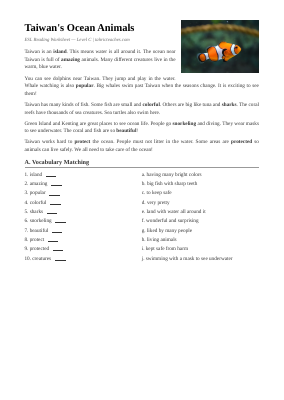
Taiwan’s coral reefs, particularly around Kenting and Green Island, are thriving underwater ecosystems full of life. Sea turtles, including the endangered green sea turtle, nest on Taiwan’s southern beaches during summer breeding season. Divers and snorkelers can observe clownfish, parrotfish, and moray eels living among the colorful coral formations below. Kenting’s coral reef system supports over one thousand species of fish and marine invertebrates in its warm waters. Green Island is considered one of the best diving destinations in all of Asia by experienced divers worldwide.
Despite its rich marine life, Taiwan’s oceans face serious threats from pollution, overfishing, and climate change today. Rising ocean temperatures cause coral bleaching, which weakens reef systems and threatens the animals that depend on them. Plastic waste in the ocean endangers sea turtles, dolphins, and seabirds who mistake it for food regularly. Taiwan has implemented fishing regulations and established marine protected areas to help restore declining fish populations. Coastal cleanup events organized by environmental groups remove tons of garbage from Taiwan’s beaches every single year.
Taiwan has made significant progress in marine conservation and protecting its ocean animals from further decline recently. The government has banned single-use plastic straws and bags in many businesses to reduce ocean pollution significantly. Research teams track whale shark movements using satellite tags to better understand their migration patterns and behavior. Educational programs teach schoolchildren about marine ecosystems and the importance of protecting ocean habitats for survival. Taiwan’s growing commitment to ocean conservation gives hope that future generations will inherit healthy seas full of life.
수준: Level F
A. Vocabulary Matching
Match each word with its definition.
1. marine ______
2. nutrients ______
3. biodiverse ______
4. migrate ______
5. migration ______
6. ecotourism ______
7. formations ______
8. invertebrates ______
9. implemented ______
10. conservation ______
a. tourism focused on nature and protecting the environment
b. animals without a backbone like crabs and jellyfish
c. put into action or started using
d. natural shapes or arrangements
e. the protection of natural resources and wildlife
f. substances that provide food for growth
g. having a wide variety of living things
h. growing well and being successful
i. related to the sea or ocean
j. to move from one region to another seasonally
B. True or False
- The Kuroshio Current flows along Taiwan’s eastern coast. ______
- Whale sharks are the smallest fish in the ocean. ______
- Over one third of whale species have been spotted near Taiwan. ______
- Green sea turtles nest on Taiwan’s southern beaches. ______
- Taiwan’s coral reefs have fewer than fifty species of coral. ______
- Green Island is considered a top diving destination in Asia. ______
- Plastic waste does not affect marine animals. ______
- Taiwan has banned single-use plastic straws in many businesses. ______
- Rising ocean temperatures cause coral bleaching. ______
C. Fill in the Blanks
Word Bank: marine | nutrients | migrate | ecotourism | formations | implemented | conservation
- Taiwan’s waters support an incredibly diverse range of _______________ life.
- The Kuroshio Current brings _______________ that feed countless sea creatures.
- Whale sharks _______________ through Taiwan’s waters between spring and fall.
- Whale watching tours have become popular _______________ activities.
- Taiwan has made significant progress in _______________ of its ocean animals.
D. Comprehension Questions
- What is the Kuroshio Current and why is it important?
- How large can whale sharks grow?
- What threats do Taiwan’s oceans face?
- Why is Green Island popular with divers?
- What steps has Taiwan taken to protect marine life?
E. Discussion Questions
- What can individuals do to help protect ocean animals?
- Would you rather go whale watching or coral reef diving? Why?
- How does plastic pollution affect ocean ecosystems?
Answer Key
A. Vocabulary: 1-i, 2-f, 3-g, 4-j, 5-d, 6-a, 7-e, 8-b, 9-c, 10-h
B. True/False: 1-T, 2-F, 3-T, 4-T, 5-F, 6-T, 7-F, 8-T, 9-T
C. Fill in the Blanks: 1-marine, 2-nutrients, 3-migrate, 4-ecotourism, 5-conservation
D. Comprehension: 1. A warm ocean current that brings nutrients to feed sea creatures; 2. Up to twelve meters long; 3. Pollution, overfishing, climate change; 4. Over 1,000 species of fish, excellent coral reefs; 5. Fishing regulations, marine protected areas, banned single-use plastics
Browse our complete collection of free ESL worksheets and learning resources.


 한국어
한국어  English
  繁體中文
繁體中文  日本語
日本語  ไทย
ไทย  Bahasa Indonesia
  Tiếng Việt
  Français