Academic Vocabulary: 25 AWL Words for IELTS TOEFL Success (2026) | 學術英文單字
本文重點: 學術英文單字 (Academic Vocabulary) 是台灣上班族攻克 IELTS 和 TOEFL 考試的關鍵。本文整理 25 個 AWL (Academic Word List) 必學單字,搭配例句、台灣考生常犯的錯誤分析,以及有效的英文學習記憶法。適合準備留學、移民、申請研究所,或需要強化商業英文寫作能力的讀者參考。
Mastering academic vocabulary (學術英文單字) is one of the highest-leverage moves a Taiwan professional can make when preparing for IELTS (雅思), TOEFL (托福), or graduate study abroad. These words show up in academic readings, lecture transcripts, and essay prompts at a rate far higher than everyday conversation — but they almost never appear in pop songs, social media, or casual English classes. That is why so many Taiwan test-takers score well in the listening and speaking sections, then suddenly stall on reading and writing.
This guide focuses on the 570 word families of the Academic Word List (AWL), a vocabulary corpus built specifically for university-bound English learners. We will walk through the 25 most useful AWL words for the IELTS / TOEFL writing tasks, group them by function, show you how to use each one correctly, and finish with a memorization plan that actually sticks. Whether you study with an 英文家教 (English tutor) or self-study at home, these are the words that move your band score the fastest.
What Is Academic Vocabulary? | 什麼是學術英文單字?
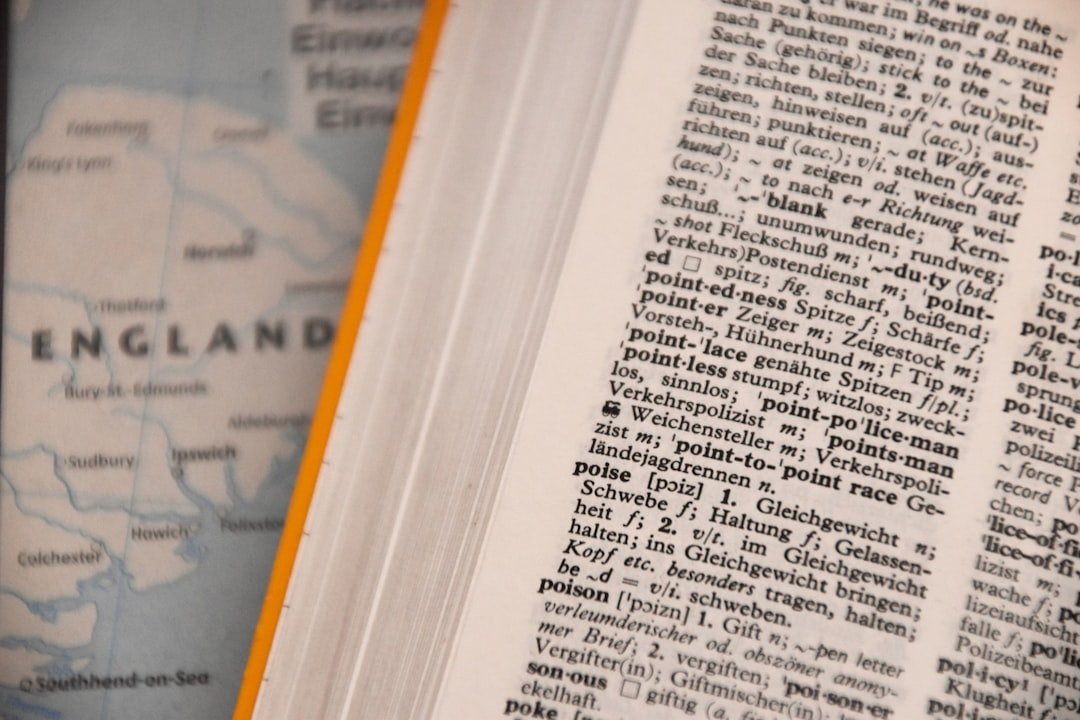
Academic vocabulary refers to the cross-disciplinary words that appear frequently in university textbooks, research papers, and formal essays across every subject — from economics to biology. They are not technical jargon (terms only a doctor or engineer would use); they are the connective tissue of academic English. Words like analyze, significant, establish, และ contrast appear so often that without them, you simply cannot read or write at university level.
The Academic Word List (AWL) | 學術詞彙表
The Academic Word List was developed by Dr. Averil Coxhead at Victoria University of Wellington in 2000. She analyzed 3.5 million words from academic texts across four disciplines — arts, commerce, law, and science — and identified 570 word families that appear at high frequency in all of them. These 570 families account for roughly 10% of the words in any academic text, which is huge: learn them well, and you instantly understand one in ten words of every IELTS reading passage.
Why It Matters for IELTS & TOEFL | 為什麼對考試重要
Examiners reward lexical resource — the variety and precision of your word choice. A candidate who writes “the chart shows that prices went up a lot” gets a band 5 or 6. A candidate who writes “the chart illustrates a substantial increase in prices” gets a band 7 or higher. Same idea, very different score. AWL vocabulary is the single fastest way to upgrade your writing register from intermediate to academic.
25 Essential Academic Words | 25 個必學學術單字
We have grouped the 25 words below by function rather than alphabetically — this makes them easier to remember and easier to deploy in essays. Each entry includes the part of speech, a working definition, and a Taiwan-friendly example sentence.
Analysis & Research Verbs | 分析與研究動詞
- analyze (v.) — to examine in detail. “Researchers analyzed survey responses from 1,200 Taipei commuters.”
- evaluate (v.) — to judge value or quality. “The committee will evaluate each proposal before funding.”
- investigate (v.) — to study a question systematically. “Scientists investigate the causes of typhoon intensity.”
- assess (v.) — to measure or rate. “Teachers assess student progress every semester.”
- identify (v.) — to recognize or pinpoint. “The report identifies three main factors driving wage growth.”
Cause & Effect Words | 因果關係詞
- consequence (n.) — a result that follows. “One consequence of remote work is rising suburban rents.”
- ผลกระทบ (n./v.) — a strong effect. “Inflation has had a serious impact on small businesses.”
- factor (n.) — one contributing element. “Affordability is the key factor in housing decisions.”
- derive (v.) — to come from a source. “Many English academic terms derive from Latin.”
- generate (v.) — to produce or create. “Solar panels generate clean electricity for the campus.”
Evaluation Words | 評估詞彙
- significant (adj.) — large enough to matter. “The survey found a significant gap in salary expectations.”
- substantial (adj.) — considerable in size or amount. “The company made a substantial investment in AI training.”
- adequate (adj.) — enough for the purpose. “Most apartments offer adequate space for one person.”
- สำคัญ (adj.) — extremely important. “Sleep is crucial for memory consolidation.”
- relevant (adj.) — connected to the topic. “Only relevant data should appear in the conclusion.”
Argument & Discussion Words | 論述討論詞
- argue (v.) — to give reasons for a position. “The author argues that public transport reduces inequality.”
- conclude (v.) — to decide after consideration. “The study concludes that exercise improves focus.”
- demonstrate (v.) — to show clearly with evidence. “The data demonstrate a clear seasonal pattern.”
- indicate (v.) — to point to or suggest. “Recent figures indicate a slowdown in exports.”
- contrast (n./v.) — to show difference. “In contrast to Tokyo, Taipei has lower commercial rents.”
Process & Method Words | 過程與方法詞
- establish (v.) — to set up firmly. “The team established a new protocol for client onboarding.”
- implement (v.) — to put a plan into action. “The school implemented bilingual classes in 2024.”
- require (v.) — to need as essential. “Most graduate programs require a TOEFL score above 90.”
- obtain (v.) — to get or acquire. “You can obtain the application form online.”
- occur (v.) — to happen or take place. “Typhoons typically occur between July and October.”
How to Memorize Academic Vocabulary | 如何記憶學術單字
Cramming 25 words in one night feels productive but rarely sticks. The science of spaced repetition is clear: short, frequent review sessions beat long marathon study blocks every time. A common rhythm that works well for busy Taipei professionals is 10 new words on Monday, 10 more on Wednesday, and a full review on Friday and Sunday — roughly 20 minutes per session.
The Sentence-First Method | 例句優先法
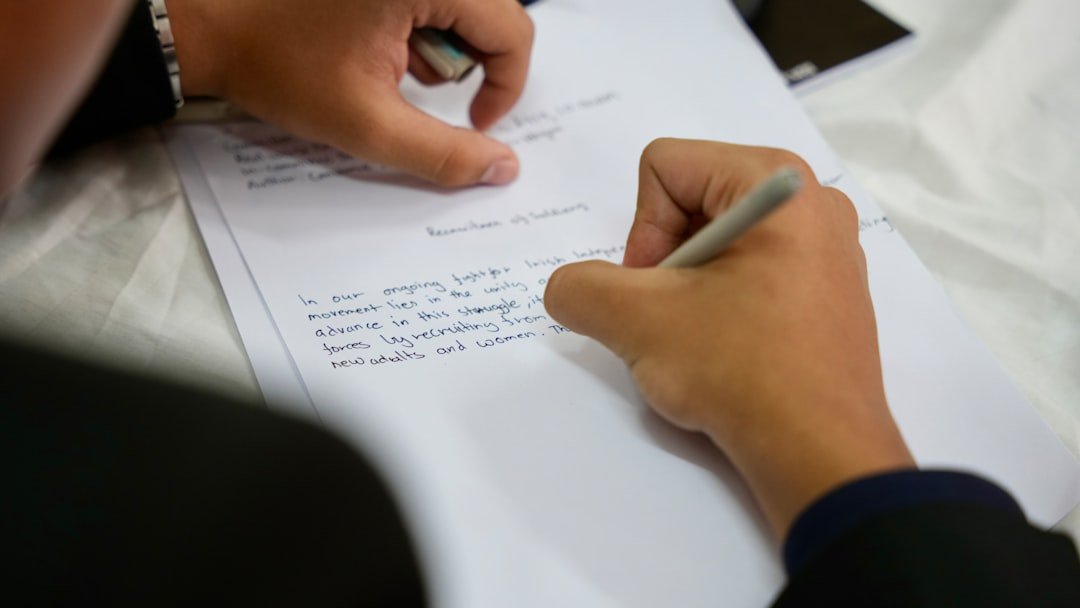
Do not memorize words in isolation. The brain stores meaning through context, so always learn a new word inside a full sentence. Write the sentence by hand once, say it aloud twice, then close your notebook and try to write it from memory. This forces deeper encoding than passive flashcard flipping. Pair this with a tool like Anki or Quizlet for spaced review, and you will retain roughly 80% of new vocabulary after two weeks — versus the typical 20% from cramming.
Word Families, Not Single Words | 單字家族法
One AWL family is more than a single word — analyze brings analysis, analyst, analytical, และ analytically with it. Learn all forms together. This is especially important for the IELTS Writing task, where examiners look for grammatical flexibility. Knowing that significant (adj.) becomes significance (n.) and significantly (adv.) lets you reshape a sentence on the fly instead of repeating the same form.
Using Academic Words in Writing | 在寫作中靈活運用
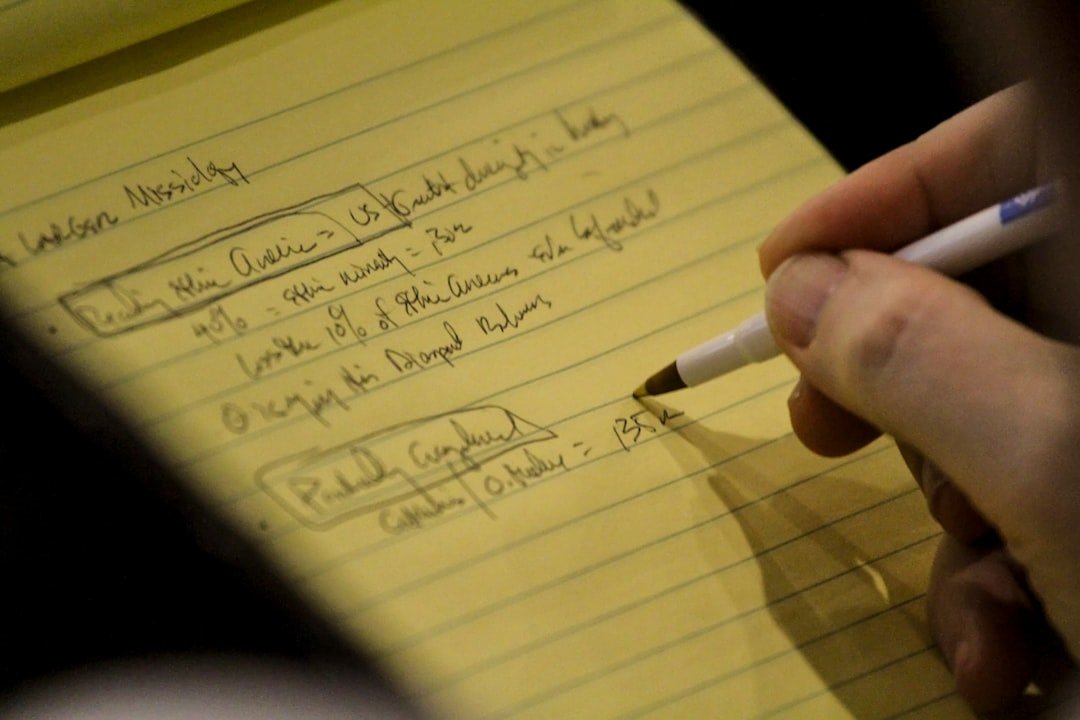
Knowing a word is one thing. Using it correctly under exam pressure is another. The fastest way to bridge that gap is to rewrite your own intermediate sentences using AWL replacements. Take a casual sentence like “The number of users went up because the app got better,” and force yourself to rewrite it twice — once with one AWL word, once with three. Result: “User numbers increased because the app improved,” then “The substantial growth in users derived from significant product improvements.”
This drill takes five minutes a day and rebuilds your default writing register from the ground up. After two weeks of consistent practice, academic vocabulary starts arriving on the page automatically — which is exactly what you need during the 40-minute IELTS Writing Task 2.
Avoid Overuse | 避免過度使用
A common mistake is stuffing every sentence with three or four academic words. Examiners notice this immediately and mark it down for unnatural style. Use one AWL word per sentence on average. Keep simple words (เป็น, show, have) when they fit naturally. Precision beats density.

Common Mistakes Taiwan Test-Takers Make | 台灣考生常犯錯誤
After years of teaching IELTS and TOEFL prep classes in Taipei, certain mistakes appear again and again. Recognizing them in advance can save you a full band on test day.
- Confusing affect และ effect. Affect is the verb (to influence); effect is the noun (a result). “The policy affected prices. The effect was immediate.”
- โดยใช้ ผลกระทบ too loosely. Reserve ผลกระทบ for genuinely strong effects, not minor changes. Otherwise switch to influence หรือ affect.
- Mixing argue และ discuss. Argue means to take a position with reasons. Discuss means to consider multiple sides without committing.
- Dropping articles before AWL nouns. “Research show” should be “Research shows” or “The research shows.” Articles trip up many Taiwan writers because Mandarin has no equivalent.
- Translating Chinese idioms directly. “重點是” should not become “the heavy point is” — use “the key point is” or “crucially” instead.
Frequently Asked Questions | 常見問題
How many AWL words should I learn for IELTS 7.0? | 雅思 7.0 需要學多少單字?
Aim to actively use about 200 AWL families with full confidence, and recognize all 570 passively. That gives you enough lexical range for a band 7 in Writing and Speaking, and removes most unknown words from Reading passages.
Is AWL useful for TOEIC too? | AWL 對多益有幫助嗎?
Partially. TOEIC focuses on business English (商業英文), so words like establish, implement, require, และ generate overlap heavily. But TOEIC also tests workplace-specific terms (invoice, supplier, quarterly) that AWL does not cover.
Should I work with an English tutor? | 需要找英文家教嗎?
A tutor helps most with writing feedback — academic vocabulary errors are hard to spot yourself. Even a 30-minute weekly review of your own essays with a qualified teacher can lift your Writing band faster than any textbook.
Your 30-Day Academic Vocabulary Plan | 30 天學習計畫
Here is a simple month-long roadmap to lock in the AWL: Week 1 — learn 50 high-frequency words with example sentences. Week 2 — add 50 more and start rewriting daily news headlines using them. Week 3 — write three short essays (250 words each) and self-mark for AWL usage. Week 4 — full review, take a practice IELTS Writing test, and identify gaps. Consistent 20-minute daily blocks beat weekend marathon sessions every time.
Academic vocabulary is the single most reliable lever for raising your IELTS or TOEFL score. It rewards consistent daily practice, transfers directly to professional writing, and — unlike grammar — does not have an upper ceiling. Start with the 25 words in this guide, build the habit, and your next mock test score will tell the story.
Sources | 參考資料
- Victoria University of Wellington — Academic Word List
- สำนักพิมพ์มหาวิทยาลัยเคมบริดจ์
- British Council — IELTS Preparation
- ETS — TOEFL Official Site
Looking for free ESL worksheets for your classroom? Browse our free worksheet library →
Are you a teacher? Find lesson resources and worksheets at TahricTeaches.com.
Shop on Amazon
Vocabulary Books on Amazon →
As an Amazon Associate we earn from qualifying purchases.






 ไทย
ไทย  English
  繁體中文
繁體中文  日本語
日本語  한국어
한국어  Bahasa Indonesia
  Tiếng Việt
  Français