
閒聊英文:30 Small Talk Phrases Taiwan Pros Need (2026) | 跟外國人聊天英文
閒聊英文 (small talk English) is the social warm-up Taiwanese professionals get wrong more than any other workplace skill. A 2024 LinkedIn survey of 1,400 hiring managers found that 86% rate “ability to make small talk” as critical for promotion into client-facing roles — yet most Taiwan English curricula skip it entirely. This guide gives you 30 small talk phrases organized by situation, the four cultural rules Westerners follow without thinking, and a 30-day practice routine that fits around a Taipei work schedule.

Small Talk 是什麼?(What Is Small Talk and Why Does Taiwan Skip It?)
Small talk is the 30-to-90-second exchange of pleasantries that opens almost every Western professional interaction — before a meeting, in an elevator, at a coffee station, on a Zoom call while waiting for the host. The Chinese translation 閒聊 (xián liáo) is technically correct, but it carries a slightly negative connotation of “idle chatter.” In English-speaking workplaces, small talk is the opposite of idle. It’s the rapport-building layer that determines who gets included in deals, lunches, and Slack channels.
Taiwanese learners arrive at this conversation underprepared because the school system optimizes for TOEIC reading and grammar drills, not unscripted speaking. The result is technically fluent professionals who freeze when a Canadian client says “How was your weekend?” — not because the words are hard, but because nobody taught them that the correct answer is two sentences, not a one-word “good.”
The 4 Rules Westerners Follow Without Thinking
Before the phrases, the framework. Master these four rules and the phrases below become plug-and-play. Skip these and even perfect pronunciation sounds robotic.
Rule 1 — Match the energy, then add 20%. If a colleague greets you cheerfully, you respond cheerfully, then nudge the energy slightly up. Matching low and going lower kills the exchange.
Rule 2 — Always return the question. When someone asks “How was your weekend?”, you answer in two sentences and bounce it back: “Pretty quiet — I caught up on reading. How about yours?” The bounce is non-negotiable.
Rule 3 — Specifics beat generics. “It was good” is a conversation killer. “It was good — I tried that new ramen place on Yongkang Street” gives the other person something to grab onto.
Rule 4 — Read the exit signal. Small talk has a natural lifespan of about 90 seconds in transit situations and 3-5 minutes at events. Watch for body cues — phone glances, half-turned shoulders — and exit gracefully before being asked to leave.
Icebreaker Phrases | 開場白英文 (5 Openers)
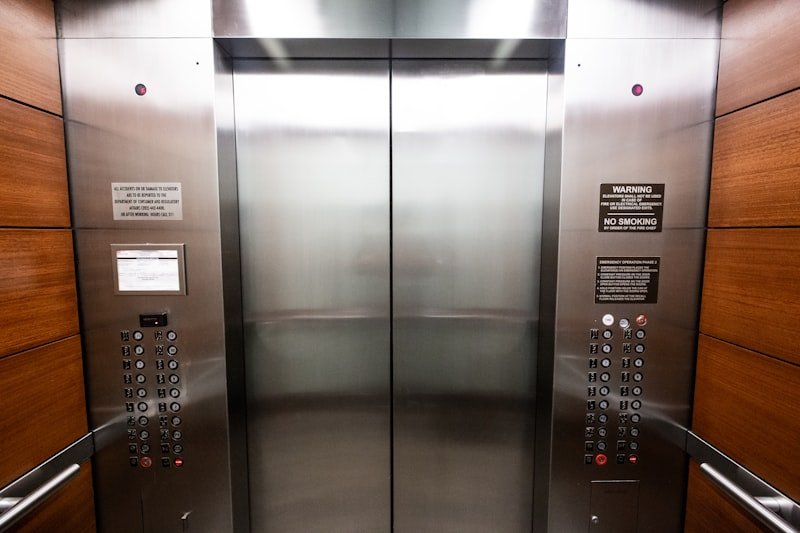
The opener carries disproportionate weight — it sets the tone for the entire interaction. Drop the textbook “How do you do?” (no native speaker says this) and use one of these instead:
- “How’s your week going?” — 你這週過得如何? Safer than “How was your weekend?” on a Wednesday. Works any day Monday through Friday.
- “What have you been up to lately?” — 你最近在忙什麼? Implies you remember the person and care what they’ve been doing. Use with familiar colleagues.
- “Crazy traffic this morning, right?” — 今早交通真誇張,對吧? Shared-pain opener. Universal in Taipei.
- “Did you catch the game last night?” — 昨晚的比賽你看了嗎? Works with sports-watching colleagues. Replace “game” with the specific event if you know it.
- “You look like you needed that coffee.” — 你看起來很需要那杯咖啡。 Light, observational, friendly. Great at the office coffee machine.
Weather and Weekend Topics | 天氣與週末話題 (5 Phrases)

Weather and weekend chat are the two universal safe zones. They feel shallow to Taiwanese ears, and that’s exactly why they work — they signal “I’m being friendly, not interrogating you.” Memorize these five.
- “This humidity is brutal, isn’t it?” — 這濕度真是要命。 Pure Taipei. Use anytime June through September.
- “I can’t believe how nice it’s been this week.” — 真不敢相信這週天氣這麼好。 A gift-wrapped opener — anyone can respond.
- “Did you do anything fun this weekend?” — 你週末有做什麼有趣的事嗎? The classic Monday morning question. Expect to answer it yourself.
- “Any plans for the long weekend?” — 連假有什麼計畫嗎? Great for Friday afternoons before a Taiwan public holiday.
- “That typhoon really knocked us out, didn’t it?” — 那個颱風真把我們搞慘了。 Local-specific. Use after any major weather event.
Work-Related Small Talk | 工作相關閒聊 (5 Phrases)

Work small talk has rules of its own. Avoid project specifics in public spaces, never mention salary, and never complain about a third colleague to someone outside your team. Stay in the neutral zone.
- “How’s the new project treating you?” — 新專案做得還順嗎? Acknowledges their work without prying.
- “Are you swamped this week too?” — 你這週也忙翻了嗎? Builds solidarity. Use sparingly — overuse signals you’re always complaining.
- “How long have you been with the company?” — 你在公司待多久了? Solid for new hires or networking events.
- “Which team are you on?” — 你在哪個團隊? Practical and friendly at company-wide events.
- “What did you think of the all-hands?” — 你覺得全體大會怎麼樣? Show interest in shared experiences without taking a strong stance.
If you’re still building confidence with workplace English in general, our 30 office phrases for Taiwan professionals guide is the natural next read.
Travel and Food Topics | 旅遊與美食 (5 Phrases)

Travel and food are the highest-yield small talk topics in Taiwan because everyone here has strong opinions on both. Lead with these when you sense a conversation is dying.
- “Have you traveled anywhere good recently?” — 你最近有去哪裡玩嗎? Pulls a story out of almost anyone.
- “Where would you go if you had two weeks off?” — 如果你有兩週假期會去哪? A dream question — easy and pleasant to answer.
- “Have you tried that new place in Da’an?” — 你試過大安那家新店嗎? Replace the neighborhood with whatever is nearby. Food talk in Taipei is endless.
- “What’s your go-to lunch spot around here?” — 你這附近常吃哪一家? Instant rapport. Also genuinely useful info.
- “Are you a coffee or tea person?” — 你比較喜歡咖啡還是茶? Classic. Often opens 10 minutes of follow-up.
Follow-up Questions That Keep the Conversation Alive (5 Phrases)

The single biggest Taiwan small talk error is answering the question and stopping. The native pattern is answer-bounce-listen-react. These five follow-up phrases are the “react” part of that pattern.
- “Oh wow, tell me more about that.” — 哇,多告訴我一點。 Signals real interest. Avoid overusing or it sounds rehearsed.
- “How did that go?” — 結果怎麼樣? Perfect after someone mentions an event or trip.
- “That sounds amazing — what was the best part?” — 聽起來太棒了——最棒的部分是什麼? Specific, curious, and friendly.
- “No way! What happened next?” — 不會吧!後來呢? For stories with a punchline. Match the storyteller’s energy.
- “I’ve always wanted to try that — any tips?” — 我一直想試試——有什麼建議嗎? Turns the spotlight back to them and asks for expertise. Universally flattering.
For the cousin skill of formal speaking, our 1-minute English self-introduction script pairs naturally with these icebreakers — small talk usually follows an introduction.
Polite Exit Phrases | 禮貌結束對話 (5 Closers)

Ending a conversation gracefully is harder than starting one. Walking away mid-sentence or saying “OK bye” abruptly will brand you as cold. Use one of these five exits — they signal warmth and respect for the other person’s time.
- “It was really good catching up — I should let you get back to it.” — 跟你聊真好——我就不耽誤你了。 The gold standard exit.
- “I won’t keep you — let’s grab coffee next week.” — 我不耽誤你了——下週一起喝咖啡吧。 Combines exit with follow-up. Only say this if you mean it.
- “Anyway, I’d better get going, but it was great seeing you.” — 總之我該走了,很高興見到你。 Reliable. Works in any social setting.
- “I’ll let you go, but thanks for the chat.” — 我先讓你忙——謝謝你聊這麼多。 Polite and warm.
- “Let’s catch up properly soon.” — 改天再好好聊。 Use to signal that this exchange was the appetizer, not the meal.
Topics to Avoid in Western Small Talk | 不該聊的話題
This is where Taiwan transplants often slip. Many topics that are casual in Mandarin office culture are landmines in Western workplaces. Steer clear of the following until you know the person well:
- Salary or rent — 薪水或房租 — In most Western workplaces this is taboo until close friendship.
- Weight, age, or appearance — 體重、年齡、外貌 — “You’ve lost weight!” is a compliment in Taiwan and an HR complaint in the US.
- Marital status and children — 婚姻狀況、生小孩計畫 — Wait for them to volunteer.
- Politics and religion — 政治與宗教 — Even more charged abroad than in Taiwan. Default to no.
- Specific health issues — 具體健康問題 — Stick to general “How have you been feeling?” not “Is your back still bothering you?”
The truth is, most Taiwanese pros err on the side of being too personal — Taiwan office culture is warm and family-coded, while Western office culture is friendly but boundaried. When in doubt, ask about their weekend, not their relationships.
30-Day Small Talk Practice Routine for Taiwan Pros
Reading these phrases changes nothing. Saying them out loud, on demand, in real situations is the only thing that builds the muscle. Here’s the practice routine I give to my Taipei adult students who need conversational fluency in 30 days.
Days 1–7: Memorize 10 phrases. Pick three openers, two follow-ups, and five from the topic categories. Say each one out loud 20 times a day. Record yourself on your phone. Listen back and fix the rhythm.
Days 8–14: Shadow native conversations. Pull a 5-minute clip from a podcast like How I Built This หรือ The Daily. Pause every 15 seconds and repeat the previous sentence out loud, matching tone and pace. This trains your mouth for the natural rhythm of English small talk.
Days 15–21: Use one new phrase per day in real life. The 7-Eleven cashier, an Uber driver, a Tinder match, a foreign teacher at your school — anyone. Production beats theory every time.
Days 22–30: Run “small talk drills” with a partner. Find a study buddy or use a language exchange app like Tandem. Set a timer for 3 minutes and force yourself to keep the conversation alive using only the 30 phrases above. Switch topics every 30 seconds.
For the targeted speaking practice that complements this routine, our 30 phone English phrases guide builds on the same fluency foundation.
Watch: 22 Great Phrases for Small Talk in Action
This 12-minute video walks through 22 native small talk phrases with American pronunciation modeled by a teacher. Use it as your daily shadowing target for Week 2.
The One Thing That Will Make or Break Your Small Talk
Phrases are 30% of small talk. The other 70% is being genuinely curious about the other person. Westerners can smell rehearsed dialogue from across the room, and they shut down the moment they feel they’re talking to a script. Pick three of these phrases this week and adapt them to your own voice — change a word, soften a phrase, find the version that sounds like you. The Canadian client who asks “How was your weekend?” doesn’t want a perfect answer. She wants to know there’s a person on the other end of the conversation. Be that person, and the rankings, the promotions, and the deals will follow.
แหล่งที่มา
- Harvard Business Review — The Surprising Benefits of Talking to Strangers — Research on weak-tie conversations and professional outcomes.
- Cambridge English Research and Validation — Underlying research on spoken English assessment and conversational competence.
- BBC Learning English — The English We Speak — Authentic native-speaker phrases and current usage.
- LinkedIn Talent Blog — Workplace skills research including soft-skill ranking surveys.
Looking for free ESL worksheets for your classroom? Browse our free worksheet library →
Are you a teacher? Find lesson resources and worksheets at TahricTeaches.com.
Shop on Amazon
English Learning Books on Amazon →
As an Amazon Associate we earn from qualifying purchases.





 ไทย
ไทย  English
  繁體中文
繁體中文  日本語
日本語  한국어
한국어  Bahasa Indonesia
  Tiếng Việt
  Français