
Typhoons Taiwan Intermediate
Reading Passage
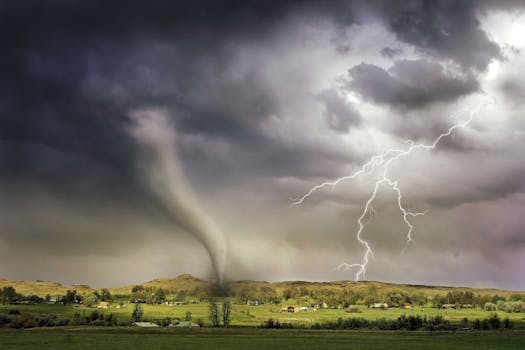
Typhoons are powerful tropical storms that hit Taiwan several times every year, usually between May and November. These massive storms form over the warm waters of the Pacific Ocean and move westward toward the island. Typhoons can bring wind speeds over two hundred kilometers per hour and dump enormous amounts of rain. Taiwan’s location makes it one of the most vulnerable places in the world for these dangerous storms. On average, three to four typhoons directly impact the island each year, though some years bring many more.
When a typhoon approaches, the Taiwan government issues warnings to help people prepare for the storm. Schools and businesses may close on designated typhoon days so people can stay safely indoors. The Central Weather Bureau tracks storms using satellites and radar technology to predict their path. Television and radio stations broadcast constant updates about the storm’s location and strength. People are advised to stock up on food, water, and emergency supplies before the typhoon arrives.
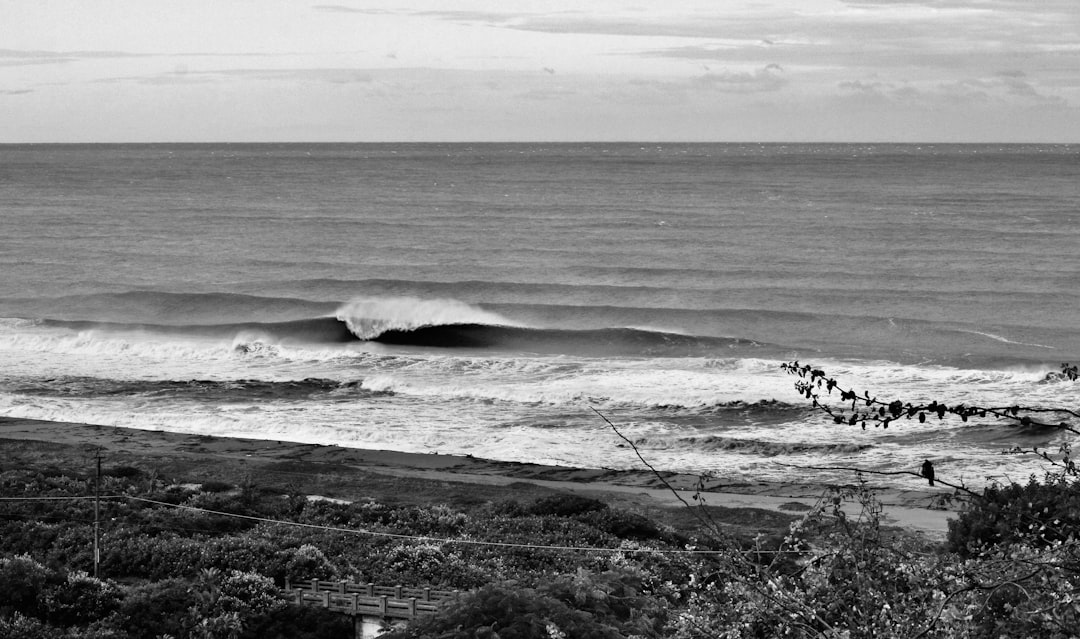
The dangers from typhoons come from both powerful winds and heavy flooding. Strong winds can knock down trees, damage buildings, and send objects flying through the air. The torrential rain often causes rivers to overflow and creates dangerous mudslides in mountain areas. Coastal areas face threats from storm surges, when the sea level rises dramatically. Every year, typhoons cause millions of dollars in destruction to homes, farms, and infrastructure across Taiwan.
Taiwan has developed excellent systems for responding to typhoon disasters over the years. Rescue teams are trained and ready to help people trapped by floods or landslides. The military often helps with evacuations and relief efforts in affected areas. Shelters open in schools and community centers for people who need a safe place to stay. Engineers constantly work to improve drainage systems and strengthen buildings against future storms.
Despite the dangers, some people appreciate what typhoons bring to Taiwan. The heavy rains fill reservoirs that provide drinking water during dry periods. Some farmers say the storms help clean out old growth and refresh the soil. Typhoon days also give workers and students unexpected time off to rest at home. However, everyone agrees that safety must always come first when these powerful storms approach the island.
Level: Level F
A. Vocabulary Matching
Match each word with its definition.
1. vulnerable ______
2. approaches ______
3. designated ______
4. satellites ______
5. constant ______
6. emergency ______
7. torrential ______
8. destruction ______
9. responding ______
10. relief ______
a. happening all the time
b. comes closer to something
c. easily hurt or damaged
d. reacting or answering to something
e. a sudden dangerous situation
f. officially chosen or appointed
g. objects orbiting Earth for observation
h. falling in large amounts rapidly
i. help given in difficult times
j. the act of destroying something
B. True or False
Write T (True) or F (False) for each statement.
- Typhoons usually hit Taiwan in winter months. ______
- Wind speeds can exceed 200 km per hour. ______
- Schools may close on typhoon days. ______
- Taiwan gets about 3-4 typhoons per year. ______
- Typhoons form over cold ocean water. ______
- Storm surges raise the sea level. ______
- The military helps with evacuations. ______
- Typhoons never bring any benefits. ______
- Radar is used to track typhoons. ______

C. Fill in the Blanks
Word Bank: vulnerable | approaches | designated | satellites | torrential | destruction | relief
- Taiwan is one of the most _______________ places for dangerous typhoon storms.
- When a typhoon _______________, the government issues warnings to the public.
- Schools and businesses close on _______________ typhoon days.
- The _______________ rain often causes rivers to overflow and flood.
- Rescue teams provide _______________ efforts in areas affected by storms.
D. Comprehension Questions
- During which months do typhoons usually hit Taiwan?
- How do officials track typhoons before they arrive?
- What are two dangers that typhoons bring besides strong winds?
- What happens on designated typhoon days in Taiwan?
- What is one positive thing that typhoons bring to Taiwan?

E. Discussion Questions
Talk about these questions with a partner or write your answers.
- Has your area ever experienced a major storm? What was it like?
- What would you do to prepare if a typhoon was coming?
- Why is it important for governments to have emergency response systems?
Answer Key
Check your answers below.
A. Vocabulary: 1-c, 2-b, 3-f, 4-g, 5-a, 6-e, 7-h, 8-j, 9-d, 10-i
B. True/False: 1-F, 2-T, 3-T, 4-T, 5-F, 6-T, 7-T, 8-F, 9-T
C. Fill in the Blanks: 1-vulnerable, 2-approaches, 3-designated, 4-torrential, 5-relief
D. Comprehension: 1. Between May and November; 2. Using satellites and radar technology; 3. Heavy flooding and mudslides (or storm surges); 4. Schools and businesses may close; 5. The rain fills reservoirs for drinking water
Browse our complete collection of free ESL worksheets and learning resources covering Taiwan culture, science, world history, and more.


 English
  繁體中文
繁體中文  日本語
日本語  한국어
한국어  ไทย
ไทย  Bahasa Indonesia
  Tiếng Việt
  Français