
Volcanoes Intermediate
Reading Passage
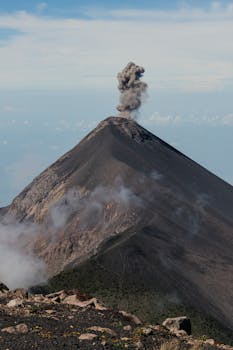
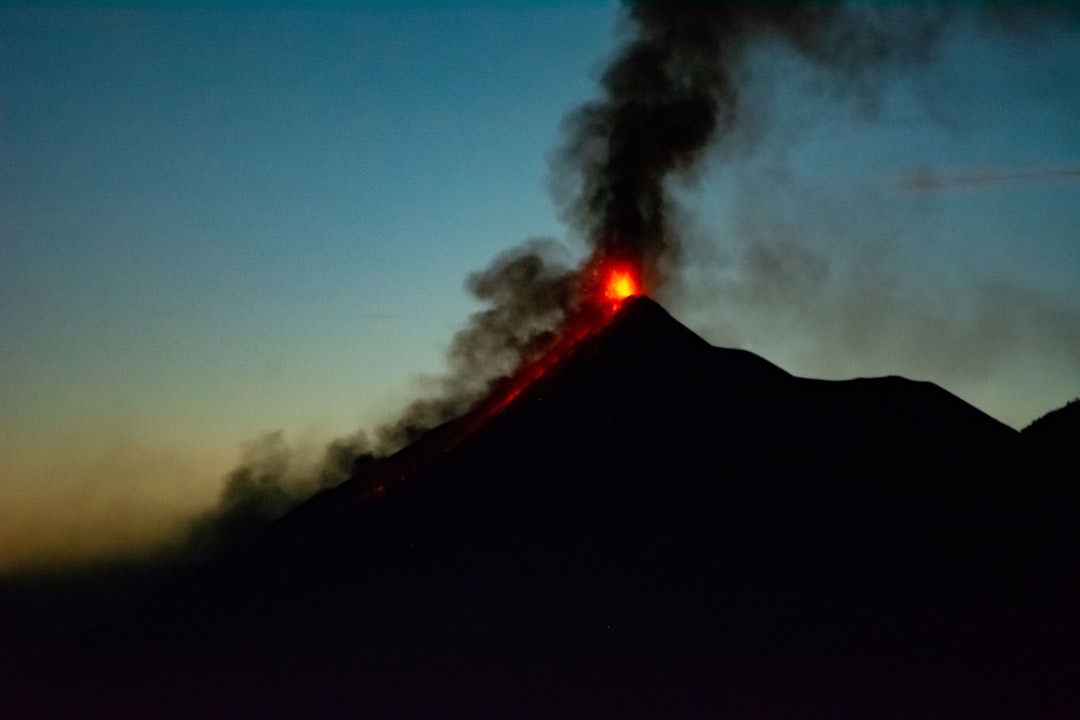
Volcanoes are powerful openings in the Earth’s surface where hot molten rock escapes from deep underground. These fire mountains have fascinated and terrified humans for thousands of years throughout history. When a volcano erupts, it can shoot lava, ash, and gases high into the sky above. There are about fifteen hundred active volcanoes around the world that could erupt at any time. Scientists called volcanologists study these mountains to understand how they work and when they might explode.
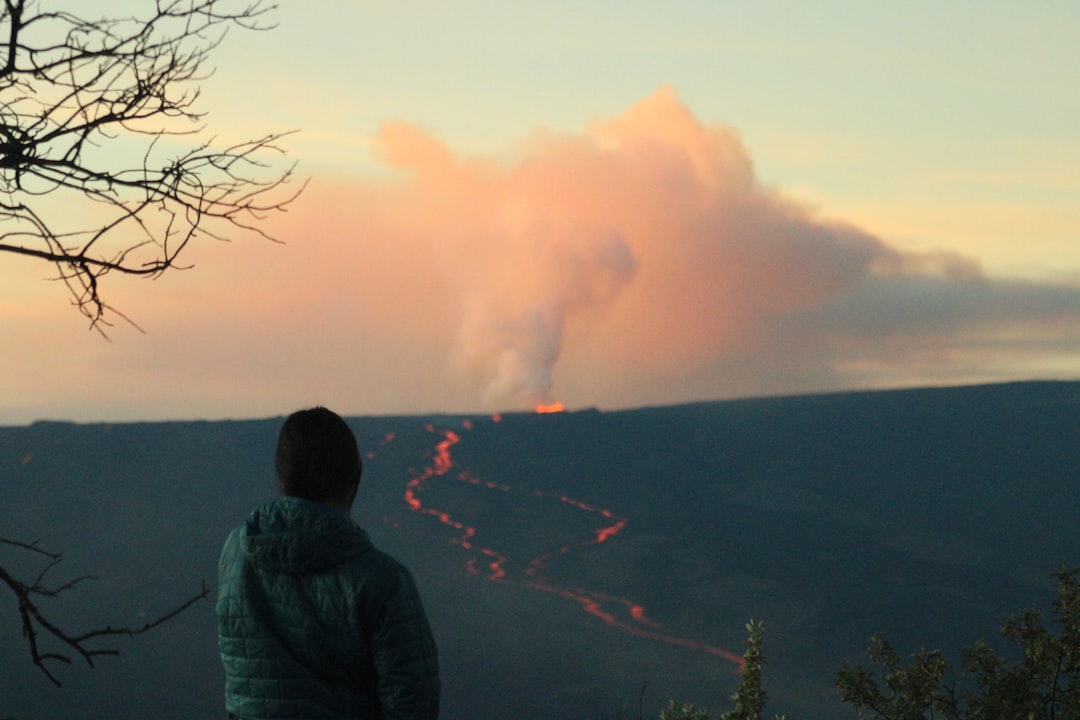
Deep beneath every volcano lies a pool of melted rock called magma waiting under pressure. When pressure builds up too much, the magma pushes upward through cracks and openings in the earth. Once magma reaches the surface, it is called lava and can flow for miles burning everything nearby. The temperature of lava can reach over two thousand degrees, hot enough to melt steel easily. Some eruptions are gentle and slow, while others are violent explosions that destroy entire cities.

Volcanoes have shaped our planet in many important ways over millions of years. The Hawaiian Islands were created entirely by underwater volcanoes rising from the ocean floor. Rich volcanic soil is extremely fertile and perfect for growing crops like coffee and grapes. Many hot springs and geysers exist because of heat from underground volcanic activity below. Even the air we breathe contains gases that came from ancient volcanic eruptions billions of years ago.
The Pacific Ring of Fire is home to most of the world’s active volcanoes today. This horseshoe-shaped zone surrounds the Pacific Ocean and includes Japan, Indonesia, and western Americas. Mount Vesuvius in Italy famously destroyed the Roman city of Pompeii in seventy-nine AD completely. More recently, the nineteen eighty Mount St. Helens eruption in Washington caused massive destruction across the region. Scientists monitor these dangerous mountains constantly to warn people of possible eruptions ahead.
Living near a volcano can be both beneficial and extremely dangerous for local communities. Farmers love the rich soil, but they must always be ready to evacuate quickly if needed. Early warning systems help save lives by detecting signs of volcanic activity before eruptions occur suddenly. Communities practice emergency drills so everyone knows exactly what to do during an eruption event. Understanding volcanoes helps us respect their power while enjoying the benefits they provide to our world.
Level: Level F
A. Vocabulary Matching
Match each word with its definition.
1. molten ______
2. erupts ______
3. volcanologists ______
4. magma ______
5. eruptions ______
6. fertile ______
7. geysers ______
8. horseshoe-shaped ______
9. destruction ______
10. evacuate ______
a. hot melted rock beneath Earth’s surface
b. severe damage or complete ruin
c. hot springs that shoot water into the air
d. scientists who study volcanoes
e. explosions of lava and gas from volcanoes
f. suddenly bursts out with force
g. to leave a dangerous place quickly
h. curved like a letter U
i. melted by extremely high heat
j. good for growing plants and crops
B. True or False
Write T (True) or F (False) for each statement.
- There are about 1,500 active volcanoes in the world. ______
- Lava is hotter than molten steel. ______
- All volcanic eruptions are violent explosions. ______
- The Hawaiian Islands were created by volcanoes. ______
- Volcanic soil is bad for growing crops. ______
- Mount Vesuvius destroyed the city of Pompeii. ______
- The Ring of Fire is in the Atlantic Ocean. ______
- Scientists cannot detect signs of volcanic activity. ______
- Magma is called lava when it reaches the surface. ______
C. Fill in the Blanks
Word Bank: molten | erupts | magma | fertile | geysers | destruction | evacuate
- Volcanoes release hot _______________ rock from deep underground.
- When a volcano _______________, it can shoot lava high into the sky.
- Deep beneath every volcano lies a pool of melted rock called _______________.
- Volcanic soil is extremely _______________ and great for growing crops.
- Communities must be ready to _______________ quickly if a volcano threatens.
D. Comprehension Questions
- What is the difference between magma and lava?
- How were the Hawaiian Islands created?
- What is the Pacific Ring of Fire?
- What happened to the city of Pompeii in 79 AD?
- Why do farmers like to live near volcanoes despite the danger?
E. Discussion Questions
Talk about these questions with a partner or write your answers.
- Would you want to live near an active volcano? Why or why not?
- How do you think people felt about volcanoes before scientists understood them?
- What should a family do to prepare for a possible volcanic eruption?
Answer Key
Check your answers below.
A. Vocabulary: 1-i, 2-f, 3-d, 4-a, 5-e, 6-j, 7-c, 8-h, 9-b, 10-g
B. True/False: 1-T, 2-T, 3-F, 4-T, 5-F, 6-T, 7-F, 8-F, 9-T
C. Fill in the Blanks: 1-molten, 2-erupts, 3-magma, 4-fertile, 5-evacuate
D. Comprehension: 1. Magma is underground, lava is on the surface; 2. By underwater volcanoes rising from the ocean floor; 3. A horseshoe-shaped zone around the Pacific Ocean with most active volcanoes; 4. It was destroyed by Mount Vesuvius eruption; 5. Because volcanic soil is very fertile for growing crops
Browse our complete collection of free ESL worksheets and learning resources covering Taiwan culture, science, world history, and more.


 Tiếng Việt
  English
  繁體中文
繁體中文  日本語
日本語  한국어
한국어  ไทย
ไทย  Bahasa Indonesia
  Français