
運氣英文慣用語 | 10 Luck Idioms in English Every ESL Learner Should Know
When an American colleague says “knock on wood” after sharing good news, many Taiwan ESL learners miss the signal entirely. It’s not a request to find wood nearby. It’s a superstitious phrase borrowed from centuries of English-speaking tradition, meant to stop bad luck from erasing a good thing. Native speakers use it without thinking — which is exactly why you need to know it.
The 10 luck idioms below are the ones that actually appear in Netflix dialogue, business emails, and casual conversation. Master them and you’ll catch cultural references that used to fly right past you.

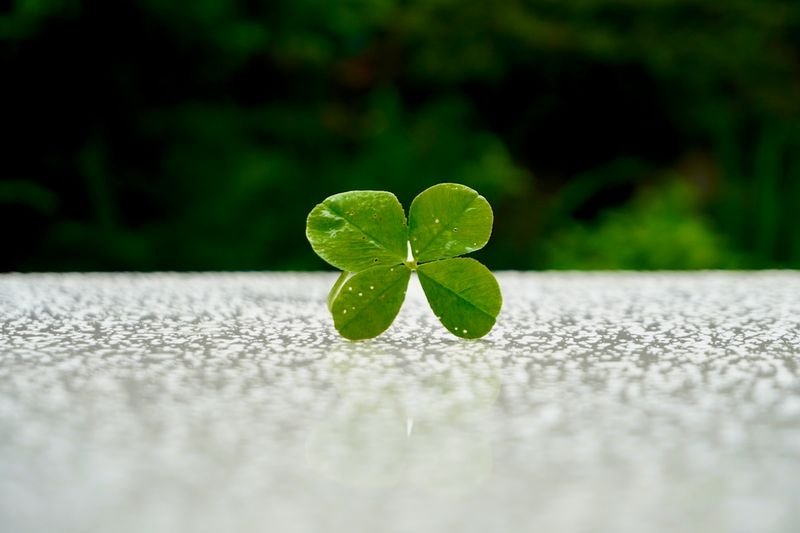
The four-leaf clover is one of the most recognized good luck symbols — and it’s tied to several luck idioms in English.
What Are Luck Idioms in English? (運氣英文慣用語是什麼?)
Luck idioms are fixed phrases where the combined meaning has nothing to do with the individual words. “Break a leg” doesn’t involve any legs. “Born with a silver spoon” has nothing to do with silverware. These are cultural expressions that have developed over centuries of English-speaking history, and each one carries a meaning that only makes sense when you learn it as a unit — not by translating word by word.
In Chinese, you use 成語 (chéngyǔ) — four-character classical idioms packed with compressed meaning. English luck idioms work the same way. “Blessing in disguise” is four words that together mean something an entire sentence can barely capture: a misfortune that reveals hidden good fortune only in hindsight.
Native English speakers reach for these phrases automatically. When your American client says “we hit the jackpot with this supplier” in a business meeting, you need to know instantly that’s enthusiastic praise — not a reference to gambling. The 10 idioms below are organized from most common to most nuanced, so you can build your fluency step by step.
10 Essential Luck Idioms in English(十個必學的運氣英文慣用語)
1. Break a Leg(祝你好運 / 加油)
意義: “Good luck” — used specifically before a performance, presentation, job interview, or any high-stakes event.
起源: Theater superstition. Performers believed saying “good luck” directly would jinx the show, so they said the opposite. The tradition spread beyond theater into everyday English.
Example in context:
- “Your TEDx talk is tomorrow — break a leg!”
- “Thanks! I’m so nervous, but I’ll try my best.”
中文說明:台灣學生常在考試前互道 “加油”,”break a leg” 就是英文的那種鼓勵。但注意:只用於即將發生的重要表演或場合,不能用來打日常招呼。
Common mistake: Don’t say “break a leg” when someone is heading out for a regular workday. It’s specifically for high-stakes moments — a performance, a pitch, a big exam.
2. Born with a Silver Spoon(含著金湯匙出生 / 生來好命)
意義: Born into wealth and privilege; having every advantage from birth that others have to work for.
Example in context:
- “She’s been born with a silver spoon — her parents bought her apartment before she even graduated.”
- “Not everyone is born with a silver spoon. Some of us had to work our way up from nothing.”
中文說明:這和中文的 “含著金湯匙出生” 幾乎完全一樣!差別是英文只說 “silver spoon”,不需要每次都說完整版。你常會聽到 “born with a silver spoon” 或簡短版 “he had a silver spoon.”
Tone: Often carries mild envy or subtle criticism — it implies the person didn’t earn their advantages through effort.
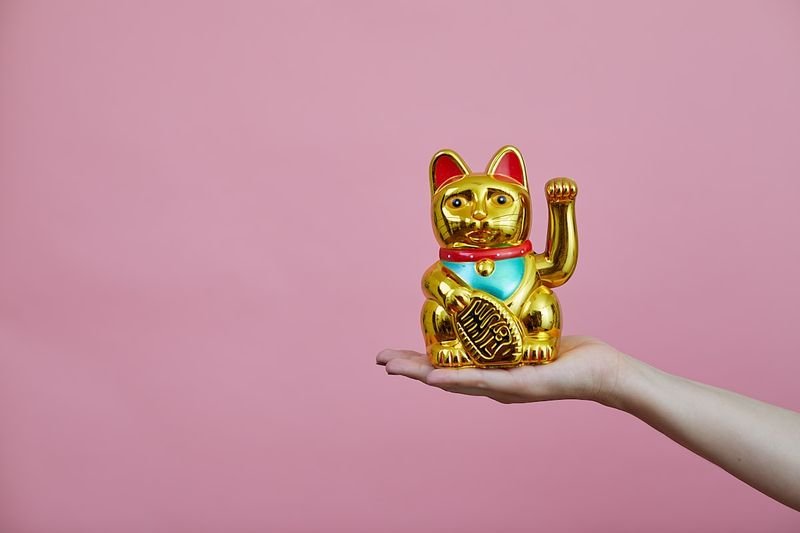
Luck and fortune appear in dozens of English idioms — each with a distinct cultural meaning.
3. Beginner’s Luck(新手運氣)
意義: Unexpected success achieved by someone doing something for the very first time — often followed by much worse results afterward.
Example in context:
- “I got a strike on my first bowling attempt!” / “That’s just beginner’s luck!”
- “Don’t celebrate too early — that might just be beginner’s luck.”
中文說明:中文沒有完全對應的固定說法,但這個概念人人都懂。在英文中,”beginner’s luck” 帶有輕微的諷刺意味,暗示成功只是運氣而非實力。用得好,是友善的玩笑;用得不好,可能讓人覺得你在否定他們的努力。
4. Knock on Wood(敲木頭 / 祈求好運)
意義: Said immediately after stating something positive — a superstitious phrase to prevent bad luck from reversing your good fortune.
Example in context:
- “I haven’t been sick in two years — knock on wood.”
- “The project is running perfectly so far, knock on wood.”
中文說明:和說完好事之後怕被 “烏鴉嘴” 的習慣很像。在美國,說這句話時,很多人真的會順手拍一下桌子或牆壁。英國英語版本是 “touch wood”,意思完全相同。
Usage: Always placed at the end of a positive statement, never at the beginning. “Knock on wood, I haven’t been sick” sounds wrong. “I haven’t been sick — knock on wood” sounds natural.

Learning English luck idioms in context is far more effective than memorizing definitions alone.
5. Blessing in Disguise(因禍得福)
意義: Something that appears to be bad luck initially but turns out to have positive consequences.
Example in context:
- “Losing that job was a blessing in disguise — I found a much better one two months later.”
- “Missing that flight was actually a blessing in disguise. I met my business partner in the airport waiting area.”
中文說明:和中文的 “因禍得福” 或 “塞翁失馬焉知非福” 意思幾乎完全一樣。英文版本更直接:你以為的壞運氣(bad luck in disguise)其實是偽裝的福氣(blessing)。這是安慰朋友遇到挫折時的超好用短語。
6. Strike While the Iron is Hot(打鐵趁熱 / 把握時機)
意義: Take action at the right moment — before an opportunity cools down or disappears.
Example in context:
- “The investor is interested — strike while the iron is hot and send the proposal today.”
- “If you want to ask for a raise, do it now. Strike while the iron is hot.”
中文說明:這是英文和中文完全相同的諺語!中文說 “打鐵趁熱”,英文也說 “strike while the iron is hot”。原理一樣:鍛鐵時必須趁熱才能塑形,機會也是一樣。
Context: Most common in business, negotiation, and sales English. If someone uses this in a meeting, they mean: act now, not tomorrow.

Many English luck idioms translate directly into business and professional contexts.
7. Hit the Jackpot(中大獎 / 走大運)
意義: Achieve sudden, spectacular success or find something exceptionally valuable — not limited to gambling.
Example in context:
- “We hit the jackpot with that supplier — the prices are incredible and quality is perfect.”
- “I think I hit the jackpot when I found this apartment. Quiet, affordable, and 10 minutes from work.”
中文說明:“Jackpot” 原本是撲克牌術語,指積累的大獎金。但在現代英文,這個片語廣泛用於任何意外的巨大成功,不一定和賭博有關。台灣的商業英文環境中非常常見。
8. Third Time’s the Charm(第三次才成功)
意義: The third attempt will be successful, even after two previous failures.
Example in context:
- “I failed my driver’s test twice, but third time’s the charm!”
- “We’ve lost two pitches to this client, but I’m staying optimistic — third time’s the charm.”
中文說明:西方文化中,”3″ 是幸運數字。這個說法和中文的 “事不過三” 有趣地相反 — 英文版是說第三次「才會」成功,中文版暗示第三次就應該停止了。這個文化差異本身就是很好的對話素材。
9. Lady Luck(幸運女神)
意義: Luck personified as a woman — used to talk about fortune as if it were a conscious, living force that can choose to help or ignore you.
Example in context:
- “Lady luck was on our side today — three goals in the final ten minutes.”
- “Sometimes you just have to trust lady luck and take the risk.”
中文說明:中文的 “幸運女神” 是直譯,概念完全相同 — 把好運人格化。在英文報紙和體育報導中非常常見。你也會聽到 “lady luck smiled on us”,意思是 “幸運降臨”。
10. Every Cloud Has a Silver Lining(烏雲背後有銀邊)
意義: Every bad situation has a positive aspect, if you’re willing to look for it.
Example in context:
- “I know the project got cancelled, but every cloud has a silver lining — you now have time for that course you wanted to take.”
- “Losing that deal was painful. But every cloud has a silver lining — it freed us up to pursue a bigger client.”
中文說明:中文接近的說法是 “否極泰來” 或 “烏雲總有散的一天”。英文這句話強調:每一片壞事(烏雲)的邊緣都有看不見的亮光(silver lining)。用來安慰朋友時非常有力。
Luck idioms come up regularly in ESL classrooms — and in real conversations with native English speakers.
How to Use Luck Idioms Naturally(如何自然地使用運氣英文慣用語)
Native speakers don’t announce idioms — they drop them mid-sentence without hesitation. The mistake most ESL learners make is planning which idiom to use before speaking, which makes conversations feel stiff. The better method: hear each idiom in real contexts first, then notice when native speakers use them. After you’ve heard “blessing in disguise” in three different contexts — a podcast, a movie, a meeting — you’ll naturally reach for it yourself.
A few context rules worth memorizing:
- “Break a leg” — right before the high-stakes moment. Not after. Not in general.
- “Knock on wood” — always at the end of a positive statement, often with a light tap on a nearby surface.
- “Hit the jackpot” — works in casual and professional speech; one of the most versatile luck idioms in this list.
- “Every cloud has a silver lining” — use to comfort someone after a setback. Don’t use it to dismiss pain — wait until the worst moment has passed.
- “Strike while the iron is hot” — best in business and decision-making contexts where timing is the point.
For Taiwanese learners specifically: these idioms show up constantly when discussing business deals, job searches, and academic results — all areas where professional English matters. Knowing them positions you as someone who understands English culture, not just English grammar.
Watch and Listen: Luck Idioms in Real English(看影片學習運氣英文慣用語)
The video below covers good luck, bad luck, and chance expressions in natural English. It’s a strong supplement to this article — pay attention to how the presenter uses intonation and stress when delivering these phrases. That rhythm is part of using idioms correctly.

Practice: Fill in the Blank(填空練習)
Try placing the idioms from this article into the correct blanks. Answers appear below.
- My startup failed twice, but __________ — we just closed our first round of investment.
- Losing that client was a __________ — their payments were always three months late anyway.
- The CEO is in a great mood today. __________ and ask for that budget increase now.
- She was __________ — her family paid for her MBA and bought her first apartment.
- “Good luck on the presentation!” / “Thanks! __________ to me!”
Answers:
- Third time’s the charm
- Blessing in disguise
- Strike while the iron is hot
- Born with a silver spoon
- Break a leg!

Practice using luck idioms in real sentences — that’s what moves them from passive recognition to active fluency.
Keep Building Your Idiom Vocabulary(繼續擴展你的英文慣用語庫)
These 10 luck idioms are a solid foundation. But idioms work best when you learn them in clusters — because the same cultural patterns appear across related topics. If you found this list useful, your next step is to explore health idioms in English 和 music idioms in English, which use the same kind of cultural compression. For learners who want to go even deeper, the guide to English phrasal verbs will unlock hundreds of expressions in one structured lesson.
One last thing: fluency in idioms is not about memorizing 100 expressions. It’s about deeply knowing 20 that actually come up — and these luck idioms are 10 of them.
來源
- English Grammar: Idioms About Luck and Chance — comprehensive reference list of luck and chance expressions in English.
- Idiomzworld: Powerful Idioms About Good Luck (2026 Guide) — explanations and usage examples for good luck idioms.
- ESL Pals: Luck Idioms Lesson Plan — ESL-focused idiom lesson with context and practice activities.





 繁體中文
繁體中文  English
  日本語
日本語  한국어
한국어  ไทย
ไทย  Bahasa Indonesia
  Tiếng Việt
  Français