
How to Learn English Vocabulary by Topic | 主題式英文單字學習法
本文重點:本文為台灣上班族與英文學習者介紹「主題式英文單字」學習法(thematic vocabulary),說明為什麼按主題分類記單字,比死背單字表(rote memorization)更有效、更記得住。內容涵蓋旅遊英文、飲食英文、科技與職場英文,以及健康醫療英文四大主題,每個主題都附上實用單字庫與中文對照,並提供「每週學習系統」與間隔重複(spaced repetition)技巧。適合準備多益(TOEIC)、找英文家教、或想自學英文單字、提升英文口說與語感的台灣讀者。
Most people learn English vocabulary the hardest way possible: a long alphabetical list, twenty unrelated words, memorized the night before a test and forgotten the week after. The words never stick because your brain has nowhere to file them. Learning vocabulary by topic — grouping words around travel, food, technology, or health — works with the way memory actually operates instead of against it. This guide explains why thematic vocabulary sticks, and then walks through four everyday topics with real word banks you can start using this week.

Why Topic-Based Vocabulary Actually Sticks | 為什麼主題式學習記得住
Your brain does not store words in an alphabetical dictionary. It stores them in networks of meaning. When you learn the word passport(護照),your mind naturally reaches toward airport(機場)、luggage(行李)、and boarding gate(登機門) — not toward passion 或者 pasta, even though those come next in a dictionary. Psychologists call these connected clusters “semantic networks”(語意網絡),and topic-based learning (主題式學習) builds them on purpose — the opposite of 死背單字, or rote memorization.
There is a second advantage that matters even more for busy adults. When words share a topic, they share situations. You will hear refund(退款)、receipt(收據)、and exchange(換貨) together at a store counter (結帳櫃台), never one at a time. Learning them as a set means that when one word appears in real life, it pulls the others up with it. This is the difference between recognizing a word on a flashcard and actually producing it in a conversation — the gap most Taiwanese learners struggle to cross.
Topic learning also solves the motivation (學習動機) problem. A random list is a chore. But a set of words you can use on your next trip, in your next meeting, or at your next doctor’s appointment feels like a tool, not homework. That relevance (相關性) is what keeps you coming back — and repetition, not talent, is what builds a large vocabulary (單字量).
Travel Vocabulary That Travels With You | 旅遊英文單字
Travel is the best topic to start with because the situations are predictable and the payoff is immediate. Break the theme into three moments: the airport, the hotel (飯店), and getting around (交通). At the airport you need boarding pass(登機證)、gate(登機門)、layover(轉機停留)、海關(海關)、and baggage claim(行李提領). Notice how naturally these hang together — you would never meet just one of them on a real trip.
At the hotel, the useful cluster is check-in(辦理入住)、reservation(訂房)、vacancy(空房)、amenities(設施)、and front desk(櫃台). For getting around, learn fare(車資)、transfer(轉乘)、one-way(單程)、round-trip(來回)、and itinerary(行程). Instead of memorizing these as a flat list, imagine a single trip and narrate it silently in English from the moment you leave home. The story gives every word a place to live.
Travelers also need verbs, not just nouns. You board(登機) the plane, claim(領取) your luggage, confirm(確認) a reservation, cancel(取消) a booking, and extend(延長) your stay. Verbs are where fluency (流利度) really lives, so pair each noun cluster with the two or three actions that go with it. A word bank of nouns alone leaves you pointing; the verbs let you actually speak.
Food Vocabulary — From Menus to Markets | 飲食英文
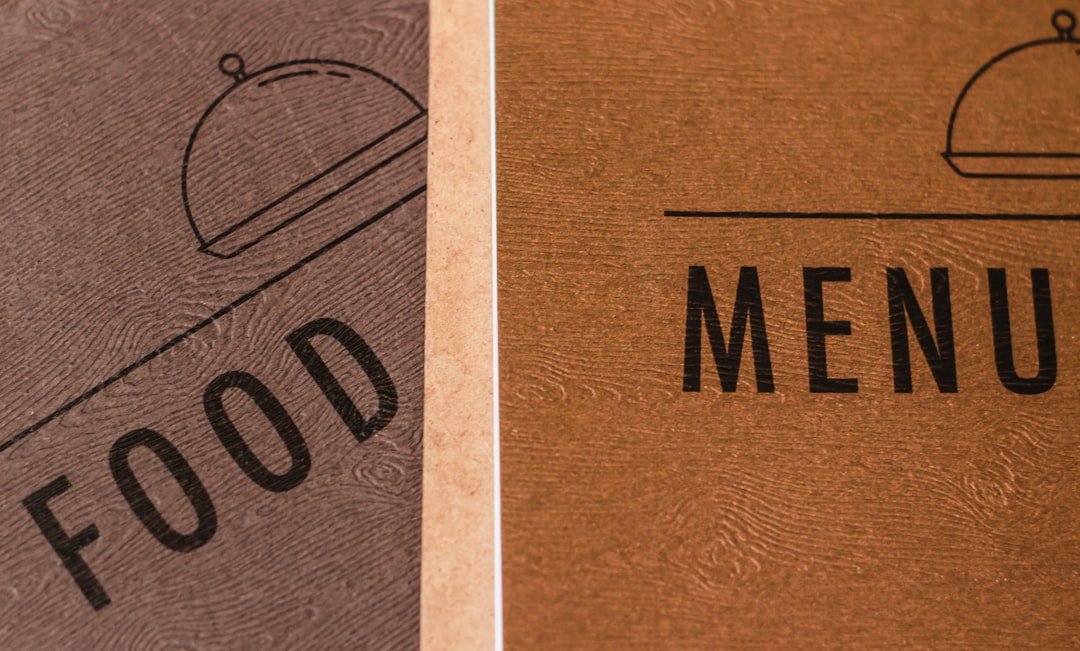
Food vocabulary rewards you every single day, which makes it ideal for spaced practice (間隔練習). Split it by where you use it. At a restaurant you need appetizer(開胃菜)、main course(主菜)、side dish(配菜)、medium-rare(三分熟)、and the bill(帳單). For dietary needs — increasingly important when traveling — learn allergy(過敏)、vegetarian(素食)、gluten-free(無麩質)、and spicy(辣).
Cooking (烹飪) is its own sub-topic, and a rich one for describing texture (口感) and method. English is precise about how heat is applied: you can boil(煮)、steam(蒸)、fry(炸)、grill(烤)、roast(烘烤)、or simmer(慢燉). Taiwanese cuisine uses all of these, so you already know the concepts — you are simply attaching English labels to skills you have. That is the easiest kind of vocabulary to learn, because the meaning is already in your head.
Describing taste turns a small food vocabulary into a large one. Move beyond good 和 可口的 到 savory(鹹香)、tender(嫩)、酥脆(酥脆)、bland(清淡無味)、and rich(濃郁). These adjectives transfer everywhere — they are the words a food writer or a confident diner reaches for, and they instantly raise the level of your spoken English (英文口說).
Technology Vocabulary for the Modern Workplace | 科技與職場英文
Technology vocabulary is where career English (職場英文) and everyday English overlap most, which is exactly why it ranks so well and matters so much for Taiwan’s professionals. The workplace core is compact: deadline(截止日)、update(更新)、backup(備份)、attachment(附件)、and notification(通知). If you handle email in English at work, these five appear before lunch every day.

Then there is the vocabulary of digital problems, because software rarely behaves. Learn crash(當機)、glitch(小故障)、lag(延遲)、漏洞(程式錯誤)、and troubleshoot(排除故障). Notice that several of these are verbs and nouns at once — the app crashes, or you recover from a crash — which is common in tech English and worth pointing out to yourself as you learn.
A newer cluster is worth adding while it is fresh: the language of AI and remote work. Prompt(提示詞)、dashboard(儀表板)、bandwidth(頻寬)、remote(遠端)、and sync(同步) now show up in ordinary office conversation. Because this topic is evolving, it is also the one where reading real content — a product blog, a help page, a LinkedIn post — teaches faster than any textbook. This is a theme where a good tutor or 英文家教 can help you keep the nuance straight, since usage shifts month to month.
Health Vocabulary You Hope You Never Need | 健康與醫療英文
Health is the topic people skip until the moment they desperately need it — a clinic (診所) visit abroad, a pharmacy (藥局) in a country where nobody speaks Mandarin. Learn it early precisely because you cannot predict when it becomes urgent. Start with symptoms, which follow a simple pattern: I have a + symptom. Headache(頭痛)、fever(發燒)、sore throat(喉嚨痛)、cough(咳嗽)、and rash(疹子) cover most of what you would report to a doctor (醫生).

The pharmacy is its own small world of words: prescription(處方箋)、dosage(劑量)、painkiller(止痛藥)、side effect(副作用)、and refill(續領藥物). These are high-stakes words — getting a dosage wrong is not a grammar mistake (文法錯誤) — so this is a topic where accuracy matters more than fluency, and slow, careful learning pays off.
Everyday wellness (日常保健) rounds out the theme and connects to the fitness (健身) and health content you probably already consume online: workout(健身)、營養(營養)、rest(休息)、hydration(補水)、and recovery(恢復). Because you engage with this content anyway, you can absorb the vocabulary passively — one more reason topics beat isolated lists. The words arrive attached to something you actually care about.
Turning Word Banks Into Real Fluency | 把單字庫變成流利英文
A topic list is a starting point, not a finish line. The words only become yours through use, and the fastest path is context (語境). Instead of drilling layover in isolation, write one true sentence: “My flight to Tokyo has a three-hour layover in Osaka.” A word inside your own sentence is remembered far better than a word beside its translation, because you have done something with it. This is the single most important habit (習慣) in vocabulary learning (單字學習).

Spacing beats cramming, and it is not close. Reviewing a topic set five times over two weeks builds far more durable memory than fifty repetitions in one night. A simple spaced-repetition (間隔重複) app — or even a paper flashcard box (單字卡) you rotate — turns this principle into a routine. The goal is not to see a word once and “know” it, but to meet it again just as you are about to forget it. That is when memory locks in.
Finally, let one topic lead into the next. Travel bumps into food the moment you sit down in a foreign restaurant; technology touches health through the fitness apps on your phone. When you notice a word bridging two themes, you have found a genuinely useful piece of English — the kind that appears everywhere. Follow those bridges and your vocabulary grows like a web, which is exactly how a native speaker (母語人士) organizes vocabulary in the first place.
A Simple Weekly System | 每週學習系統
You do not need a complicated plan — you need a repeatable one. Pick a single topic each week and give it a light daily touch rather than one heavy session. A workable rhythm looks like this:
- 週一 — collect ten to fifteen words for the week’s topic and write the Chinese gloss beside each.
- Tuesday to Thursday — write one true sentence per word, drawn from your own life, not a textbook.
- 星期五 — read a short real article or watch a video on the topic and hunt for your words in the wild.
- 週末 — review last week’s set alongside this week’s, so nothing is left behind.

Four weeks of this covers travel, food, technology, and health — roughly two hundred genuinely useful words, all organized the way your brain wants them. For learners preparing for the 多益 (TOEIC) or simply trying to sound natural at work, this is far more effective than another vocabulary app (背單字app) streak built on random, unconnected words. Topics give your English a shape, and shape is what you remember.
Start today with the topic you will use soonest. If a trip is coming, learn travel. If you live in English email, learn technology. The best topic is always the one you can put to work before you forget it — and with a thematic approach, you rarely will.
Sources | 參考資料
- Cambridge University Press — English vocabulary and learning research
- British Council — English learning resources
- Cambridge Dictionary — word definitions with Chinese
- English vocabulary by topic — books on Amazon
Looking for free ESL worksheets for your classroom? Browse our free worksheet library →
Are you a teacher? Find lesson resources and worksheets at TahricTeaches.com.






 繁體中文
繁體中文  English
  日本語
日本語  한국어
한국어  ไทย
ไทย  Bahasa Indonesia
  Tiếng Việt
  Français