

看電影學英文: 7 Steps to Real Fluency with Netflix (2026) | 看影集學英文
The average person in Taiwan spends more than two hours a day on Netflix, YouTube, and Disney+. That is roughly 60 hours a month of English audio going straight past your ears. Turned into study time, it could be the difference between understanding a native speaker and nodding along politely. The catch is that most people do it wrong — Chinese subtitles on, one episode after another — and wonder why ten seasons of Friends never fixed their speaking. This guide breaks down a 7-step active watching method that turns your favorite shows into a listening and speaking gym instead of background noise.
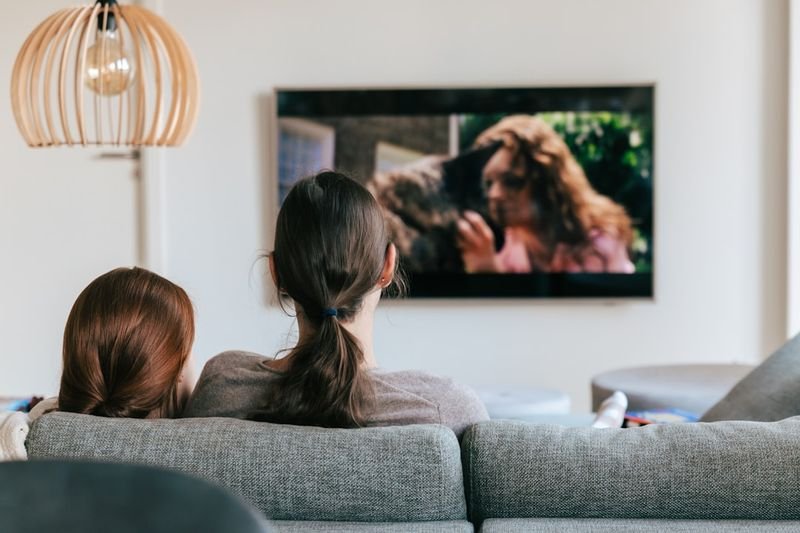
Sitcoms feed you the same everyday phrases on repeat until they stick.
Why Learning English with Movies Works(看電影學英文為什麼有效)
The linguist Stephen Krashen argued that we acquire a language best through comprehensible input — content that sits just above our current level but stays understandable. Shows fit that description almost perfectly. The picture, the actors’ faces, and the plot fill in the words you miss, so your brain absorbs vocabulary and grammar inside a real situation instead of memorizing lists.
This isn’t just theory. A study published in PLOS ONE had two groups of adults watch an hour of English TV: the group that used English subtitles improved their listening test scores by 17%, while the group watching with subtitles in their own language barely moved. The difference wasn’t whether they watched a show — it was how the subtitles were set. That is exactly why so many people in Taiwan watch for years with Chinese subtitles and stay stuck. Their eyes read the translation while their ears take a nap.
Shows also give you something a textbook never can: the rhythm of real speech. A book teaches you “What are you going to do?” A show lets you hear how it actually sounds — “Whatcha gonna do?” Linked sounds, contractions, filler words like you know and I mean — this is the natural English you only pick up from real conversation.
Choosing the Right Level(挑選適合你程度的影集)
The most common way learning English with movies fails is starting with something like Game of Thrones, where the dialogue is fast, old-fashioned, and full of invented names. Wrong level, guaranteed frustration. The rule is simple: pick content you understand about 70% of — not everything, not almost nothing.
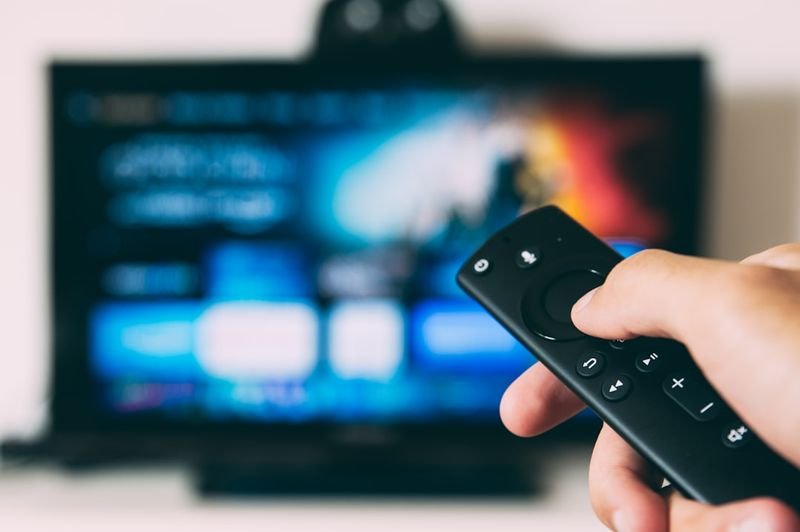
Netflix, Disney+, and YouTube all let you switch subtitle language in two taps.
Here is a starting point sorted by level:
| Level 程度 | Recommended Shows 推薦 | Why 原因 |
|---|---|---|
| Beginner (A2–B1) | Friends, The Office, Modern Family | Everyday situations, slower speech, short sentences, heavy repetition |
| Intermediate (B1–B2) | Brooklyn Nine-Nine, Ted Lasso, Emily in Paris | Natural but clear speech, lots of workplace and social dialogue |
| Advanced (B2–C1) | Suits, The Crown, documentaries | Formal and professional vocabulary, mixed accents, faster pace |
My honest advice: a sitcom beats a movie for beginners every time. Episodes run 25 minutes, the dialogue is dense, and the structure repeats, so the same spoken phrases keep coming back around. If you want to pair this with structured listening drills, our guide on English listening practice methods works well alongside it.
How to Use Subtitles(字幕該開英文、中文,還是關掉)
Subtitles are the single most important — and most misused — part of learning English with movies. The answer is not “turn them off completely.” It is “use them in stages.” Drop Chinese subtitles as early as you can stand to, because the moment a translation is on screen, your eyes get lazy and your ears switch off.
The practical three-stage approach goes like this. First, watch with English subtitles to follow the story and circle new words. Second, pick a short clip and turn the subtitles off to test how much you actually hear. Third, turn them back on to check your answers and spot the linked sounds you missed. Running one clip through all three passes teaches you more than leaving subtitles on for a whole season.
Cinema trips are fine for fun, but the real studying happens at home on streaming.
A tool worth installing is the browser extension Language Reactor, which shows dual subtitles on Netflix and YouTube, lets you pause and replay line by line, and saves words for later. It is one of the fastest ways to flip passive binge-watching into active study.
The 7-Step Active Watching Method(七步驟主動觀看法)
Apply this routine to a single 3–5 minute clip, not a whole episode. Processing one short scene deeply beats swallowing an entire season whole.
- Watch it through once with English subtitles, just for the gist and the fun of it.
- Pick a 3–5 minute clip you enjoy with clear dialogue as your study material.
- Listen with subtitles off, forcing yourself to catch every line.
- Turn subtitles on to compare, marking the linked sounds and words you missed.
- Look up new words and copy the whole sentence — never just the word, so you keep the context.
- Shadow the actors — pause and imitate their tone and rhythm, line by line, out loud.
- Review those lines the next day and try to use them in a sentence of your own.

Active watching means pausing to catch a phrase, not letting it wash over you.
Step 6, shadowing, matters most because it trains listening and pronunciation at the same time. To sharpen your accent further, pair it with our English pronunciation guide. The whole routine takes about 20–30 minutes per clip — roughly one commute or the stretch before bed.
How to Pick the Best Show(最適合學英文的影集怎麼選)
People always ask “which show is best?” The real answer is: the one you will happily watch again. Learning English with movies runs on repetition, and a single show you rewatch three times beats ten acclaimed dramas you quit after one episode.

Watching with friends who also study keeps you accountable.
If you want one starting point, Friends is still the best on-ramp for learners in Taiwan, for very practical reasons: the pace is moderate, the jokes live in dialogue rather than action, the six characters all speak differently, and 236 episodes give you plenty to chew on. If workplace English is your goal, switch to The Office or Ted Lasso, where the meetings, small talk, and apologies transfer straight to your job the next morning. Documentaries — Netflix’s nature and food series, for example — suit anyone who wants formal vocabulary without chasing a plot.
Common Mistakes to Avoid(台灣學習者最常犯的錯)
Learning English with movies usually fails because of a few predictable traps. The biggest is passive binge-watching with Chinese subtitles — that is entertainment, not study. The second is choosing something so hard you catch less than half and end up leaning on subtitles the whole way.
Rewatching a scene you already know is where the real learning happens.
The third mistake is watching without ever using what you hear. You fill a page with new words and never say them out loud, so a week later they’re gone. Anything you learn has to be produced — spoken or written — before it becomes yours. The fourth is spreading yourself thin: a movie today, a different series tomorrow, a little of everything and none of it deep. Focus on one show and squeeze it dry. The truth is, most learners who “watch a lot” aren’t really studying — they’re just relaxing in English and hoping it counts.
Turn Lines into Active Vocabulary(把台詞變成你的字彙)
The last step in learning English with movies — and the one people skip most — is moving what you hear into long-term memory. The method is called sentence mining: instead of noting a single word, you copy the whole line of dialogue where the word appeared, context and all.

One series you genuinely love beats ten you’ll never finish.
Say you hear “You should’ve told me sooner.” Save the entire sentence, not just sooner. Now you’ve captured how “should have + past participle” really gets used, and you can reuse the pattern next time you speak. Feed those sentences into a spaced-repetition app for review — our guide to the Anki spaced repetition method shows you how. Mine 3–5 sentences a day, and after a month you’re holding a few hundred lines of natural, native phrasing.
Video Demonstration(影音示範)
This video walks through intensive listening and shadowing on real clips, and pairs neatly with the seven steps above:
Frequently Asked Questions(常見問題)
How long should I watch each day? Not a whole episode. Focus on the intensive listening and shadowing for one 3–5 minute clip, 20–30 minutes a day. That beats two hours of passive watching easily.
Which show suits a beginner? Friends or The Office. Moderate pace, short sentences, heavy repetition of everyday phrases, and the visuals carry a lot of the meaning.
Should I keep subtitles on? English subtitles early on, and drop Chinese ones fast. As you improve, take clips with the subtitles off, then turn them back on to check.
Can this replace an English class? Not entirely, but it’s the best supplement there is. A class gives you systematic grammar; shows give you real listening and natural phrasing. Together they beat either one alone.
Sources
- Birulés-Muntané J, Soto-Faraco S (2016). Watching Subtitled Films Can Help Learning Foreign Languages. PLOS ONE — Experimental evidence that English subtitles beat native-language subtitles for listening gains.
- Stephen Krashen, Principles and Practice in Second Language Acquisition — The original source of the comprehensible input hypothesis.
- Language Reactor — Dual-subtitle and line-by-line study tool for Netflix and YouTube.





 English
  繁體中文
繁體中文  日本語
日本語  한국어
한국어  ไทย
ไทย  Bahasa Indonesia
  Tiếng Việt
  Français