

健康英文慣用語 | 10 Health Idioms Every ESL Learner Should Know
英語中的健康慣用語是日常對話中不可缺少的一部分。Health idioms appear everywhere — at the office, in TV dramas, in casual conversation with foreign colleagues. For ESL learners in Taiwan, these expressions are especially worth mastering: they close the gap between textbook English and the way native speakers actually talk. This guide covers the 10 most essential health idioms in English, each with a Chinese translation, historical origin, and real-world example sentences you can use today.
掌握這些表達方式不僅能提升你的英語流利度,也能讓你更自然地理解英語母語者的日常對話。These 10 expressions appear in movies, workplaces, doctor visits, and social situations. Once you know them, you will spot them everywhere.

1. Under the Weather [身體不舒服]
Meaning 意思: Feeling slightly ill or unwell — not sick enough to be in bed, but not feeling great either. 感覺有點不舒服或身體微恙,沒嚴重到臥床,但狀態也不好。
Origin 起源: This phrase came from 19th-century sailing. When sailors felt seasick, they would go below deck — literally below the weather on the ship’s deck. The expression entered everyday English as a way to describe any mild illness.
📝 Example 1: “I’m feeling a bit under the weather today — I think I’ll skip the gym and rest instead.”(我今天感覺有點不舒服,我想我會跳過健身房,改為休息。)
📝 Example 2: Her manager noticed she was sneezing all morning and asked, “Are you under the weather? Maybe you should work from home.”(她的主管注意到她整個上午都在打噴嚏,問道:「你身體不舒服嗎?也許你應該在家工作。」)
2. On the Mend [康復中]

Meaning 意思: Getting better after an illness or injury — in the process of recovering. 在生病或受傷後正在康復中,身體狀況逐漸好轉。
Origin 起源: The word “mend” originally meant to repair or restore. By the 18th century, people were using “on the mend” to describe a person healing, just as a broken object is mended. It remains one of the most natural ways to describe recovery in British and American English.
📝 Example 1: “Good news — my grandfather had surgery last week but he is definitely on the mend now.”(好消息——我祖父上週動了手術,但他現在確實在康復中。)
📝 Example 2: After three days of fever and rest, she finally felt on the mend and managed to eat a full meal.(發燒三天休息後,她終於感覺在康復中,並設法吃了一頓完整的飯。)
3. A Clean Bill of Health [身體健康無虞]
Meaning 意思: An official declaration that a person (or thing) is completely healthy and in good condition. 官方宣布某人(或某物)完全健康、狀態良好。
Origin 起源: This phrase has a literal origin in maritime history. A “bill of health” was an official document given to ship captains by port authorities confirming that the ship’s crew had no infectious disease. A “clean” bill meant they were disease-free and could dock safely. Today it is used in medical check-ups and even in business to mean “all clear.”
📝 Example 1: “The doctor gave him a clean bill of health after his annual physical — no problems at all.”(醫生在他的年度體檢後給了他一個健康良好的證明——沒有任何問題。)
📝 Example 2: Before she started the new job, the company required a medical exam. She passed and received a clean bill of health.(在她開始新工作之前,公司要求進行體檢。她通過了並獲得了健康良好的證明。)

4. Back on Your Feet [恢復健康]
Meaning 意思: Recovered from an illness or difficulty and able to function normally again. 從疾病或困難中恢復,再次能夠正常運作。
Origin 起源: The image here is simple and direct: when you are ill, you might be lying down or sitting. Getting “back on your feet” literally means being upright again — strong enough to stand and walk. The phrase was recorded in American English as far back as the early 1800s.
📝 Example 1: “It took two weeks of rest, but she was finally back on her feet and ready to return to work.”(休息了兩週,但她終於恢復健康,準備好重返工作崗位。)
📝 Example 2: His teammates visited him in the hospital and said, “We will be waiting for you — get back on your feet soon.”(他的隊友到醫院探望他,說:「我們會等你的——快點恢復健康。」)
5. Sick as a Dog [病得很嚴重]

Meaning 意思: Extremely ill — more than just feeling a bit unwell. Used to emphasize how badly you feel. 非常嚴重地生病——比只是感覺有點不舒服要嚴重得多。用來強調病情有多嚴重。
Origin 起源: The association between dogs and illness goes back to at least the 1700s in English literature. Historically, dogs were associated with scavenging and eating things that made them sick. Jonathan Swift used this phrasing in the early 18th century. Today it simply means being severely unwell, with no connection to animals.
📝 Example 1: “I caught a terrible flu last winter and was sick as a dog for a whole week — I couldn’t eat or get out of bed.”(去年冬天我得了嚴重的流感,整整一週都病得很嚴重——我既不能吃東西,也無法起床。)
📝 Example 2: He texted his teacher: “I won’t be in class today — I’m sick as a dog. I’ll send the homework by email.”(他發短信給老師:「我今天不會來上課——我病得很嚴重。我會通過電子郵件發送作業。」)
6. In the Pink (of Health) [身體非常健康]

Meaning 意思: In excellent health; looking and feeling at your very best. 身體狀況非常好;看起來和感覺都處於最佳狀態。
Origin 起源: “Pink” as a word for excellence dates to the 1590s, when Shakespeare used “the pink of courtesy” to mean the peak of good manners in Romeo and Juliet. The connection to health — as in the rosy pink color of healthy skin — came later, and the full phrase “in the pink of health” was established by the 19th century.
📝 Example 1: “My grandmother just turned 80 and she is absolutely in the pink — she walks three kilometers every morning.”(我祖母剛滿80歲,她的身體非常健康——她每天早上步行三公里。)
📝 Example 2: The coach told reporters: “Our star player is in the pink of health and ready for the championship game.”(教練告訴記者:「我們的明星球員身體狀況非常好,準備好迎接冠軍賽。」)
7. Bite the Bullet [咬緊牙關忍耐]
Meaning 意思: To endure pain or hardship bravely — to get through something difficult by accepting it rather than avoiding it. 勇敢地忍受痛苦或困難——通過接受而非逃避來度過艱難時刻。
Origin 起源: Before anesthesia was available, surgeons would give patients a bullet to bite on during operations to help them endure the pain. The earliest written record of the phrase appears in Rudyard Kipling’s 1891 novel The Light That Failed. It is used broadly today — not just in medical situations — to mean accepting something unpleasant without complaint.
📝 Example 1: “I hate getting injections, but I just bit the bullet and rolled up my sleeve for the flu vaccine.”(我討厭打針,但我咬緊牙關,捲起袖子接種流感疫苗。)
📝 Example 2: The dentist told him the cavity needed a root canal. He bit the bullet, scheduled the appointment, and got it done.(牙醫告訴他蛀牙需要根管治療。他咬緊牙關,預約了時間,並完成了治療。)
8. Feel Like Death Warmed Up [感覺非常糟糕]
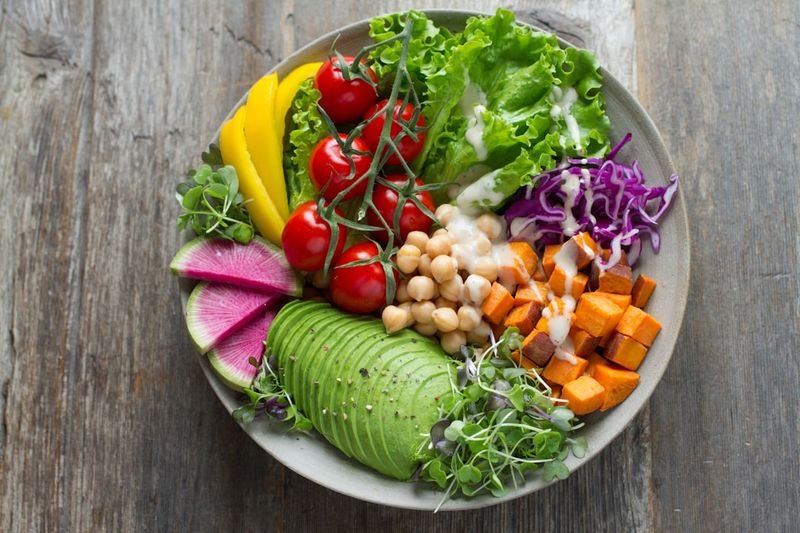
Meaning 意思: To feel extremely unwell — so bad that you look or feel as though you are barely alive. 感覺極度不舒服——糟糕到看起來或感覺幾乎無法正常生活的程度。
Origin 起源: This dark expression (sometimes “death warmed over” in American English) paints a vivid picture of how terrible a person looks when severely ill. It has been used since at least the mid-20th century in British English and remains one of the more colorful ways to describe genuine suffering from illness.
📝 Example 1: “I think I got food poisoning last night — I feel like death warmed up and I haven’t left the bathroom all morning.”(我想昨晚我食物中毒了——我感覺非常糟糕,整個上午都沒有離開浴室。)
📝 Example 2: When she arrived at the office looking pale and exhausted, her colleague whispered, “You look like death warmed up — you should go home.”(當她面色蒼白、精疲力竭地出現在辦公室時,她的同事低聲說:「你看起來非常糟糕——你應該回家。」)
9. Nurse Someone Back to Health [悉心照料至康復]
Meaning 意思: To take care of a sick or injured person over time until they recover fully. 長時間照料生病或受傷的人,直到他們完全康復。
Origin 起源: The verb “to nurse” in the sense of caring for the sick dates to the 16th century in English — long before “nurse” became a professional title. A nurse was originally anyone who tended to the sick or helpless. The phrase “nurse back to health” emphasizes the ongoing, attentive process of recovery, not just a single act of care.
📝 Example 1: “When her husband had pneumonia last spring, she took a week off work to nurse him back to health.”(當她丈夫去年春天得了肺炎時,她請了一週的假來悉心照料他直到康復。)
📝 Example 2: The rescue center found the injured bird and nursed it back to health over three weeks before releasing it.(救援中心發現了這隻受傷的鳥,並在三週內悉心照料它直到康復後才放飛。)
10. An Apple a Day Keeps the Doctor Away [一天一蘋果,醫生不來找]
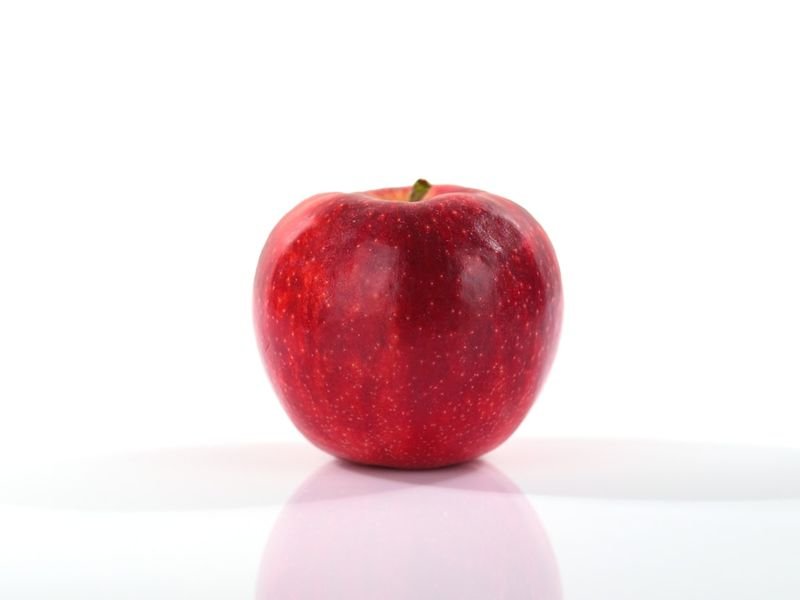
Meaning 意思: Eating well (especially fruits and vegetables) keeps you healthy and prevents illness. Often used playfully to suggest that simple healthy habits are the best medicine. 吃得好(尤其是水果和蔬菜)能讓你保持健康並預防疾病。通常用來幽默地建議簡單的健康習慣是最好的藥方。
Origin 起源: This is one of the oldest health idioms in English. Its origins trace to a Welsh proverb from 1866: “Eat an apple on going to bed, and you’ll keep the doctor from earning his bread.” The shorter, catchier version became widespread in the early 20th century. Today science supports the basic idea — regular fruit consumption is linked to lower rates of chronic disease, according to the Harvard T.H. Chan School of Public Health.
📝 Example 1: “My mother always packed an apple in my lunchbox, saying an apple a day keeps the doctor away — and I almost never got sick.”(我媽媽總是在我的午餐盒裡放一個蘋果,說一天一蘋果醫生不來找——而且我幾乎從不生病。)
📝 Example 2: The nutrition teacher wrote it on the board: “An apple a day keeps the doctor away — but only if you combine it with sleep, exercise, and vegetables.”(營養老師把它寫在黑板上:「一天一蘋果醫生不來找——但只有在加上睡眠、運動和蔬菜的前提下才有效。」)
Watch: Health Idioms in Action [影片學習健康慣用語]
聽英語母語者示範如何自然使用這些健康慣用語。The video below from English teacher James covers 13 idioms related to illness and health — a perfect companion to the 10 expressions above.
How to Actually Remember These Idioms [如何真正記住這些慣用語]
Reading a list of idioms and remembering them in conversation are two different things. The fastest way to make these stick is to use them within 24 hours of learning them — send a message to a friend, write a diary entry, or say one out loud when you wake up tomorrow. Passive reading is almost never enough.
讀一個慣用語列表和在對話中記住它們是兩件不同的事。讓這些表達方式深入記憶最快的方法是在學習後24小時內使用它們。Context matters too. Next time you feel slightly ill, say it out loud: “I’m a bit under the weather.” The moment you use an idiom in a real situation, it is yours forever.
If you enjoyed these health idioms, you will find more useful expressions in our guides on animal idioms in English and love and relationship idioms. For expressions related to work and effort, check out our guide to hard work and determination idioms.
Sources [參考資料]
- Merriam-Webster: “Under the Weather” — Definition and Etymology
- Online Etymology Dictionary: “Mend” — Historical origin of the word and phrase “on the mend”
- Harvard T.H. Chan School of Public Health: Fruit consumption and disease prevention
- BBC Learning English: Health and Fitness Expressions
- Online Etymology Dictionary: “Pink” — historical use as excellence or peak condition






 English
  繁體中文
繁體中文  日本語
日本語  한국어
한국어  ไทย
ไทย  Bahasa Indonesia
  Tiếng Việt
  Français