
Ancient Egypt Intermediate
Reading Passage
Ancient Egypt was one of the most powerful and fascinating civilizations in human history. This great empire lasted for over three thousand years along the banks of the Nile River. The pharaohs were kings who ruled Egypt with complete power and were considered living gods. Egyptians built incredible monuments, developed writing, and created beautiful art that still amazes us today. Their achievements in science, medicine, and architecture were far ahead of other ancient cultures.
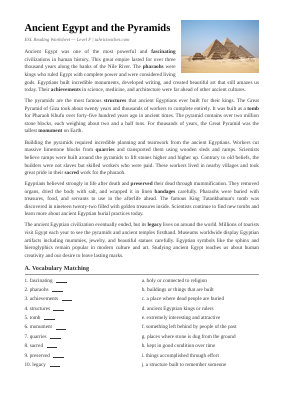
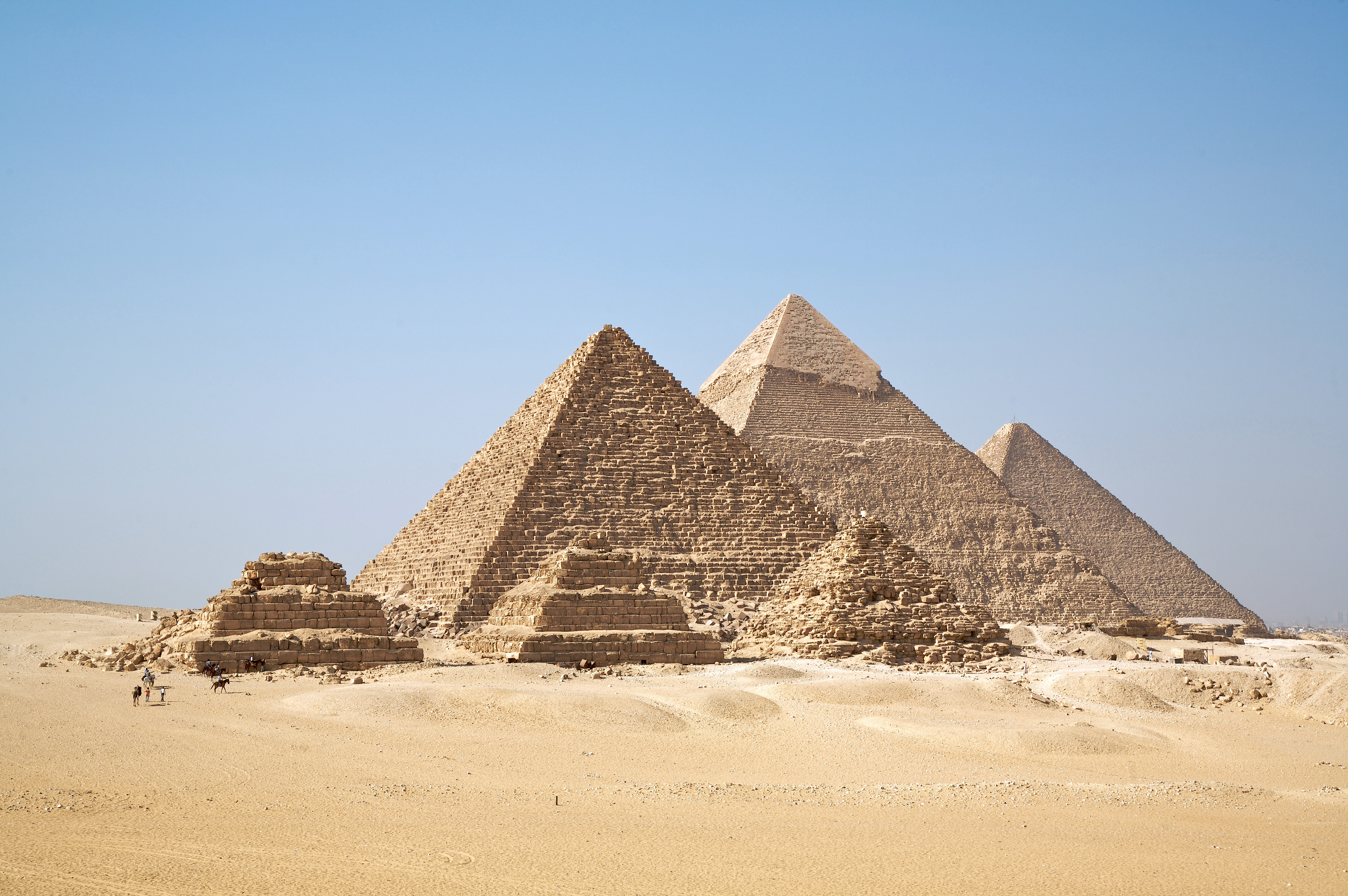
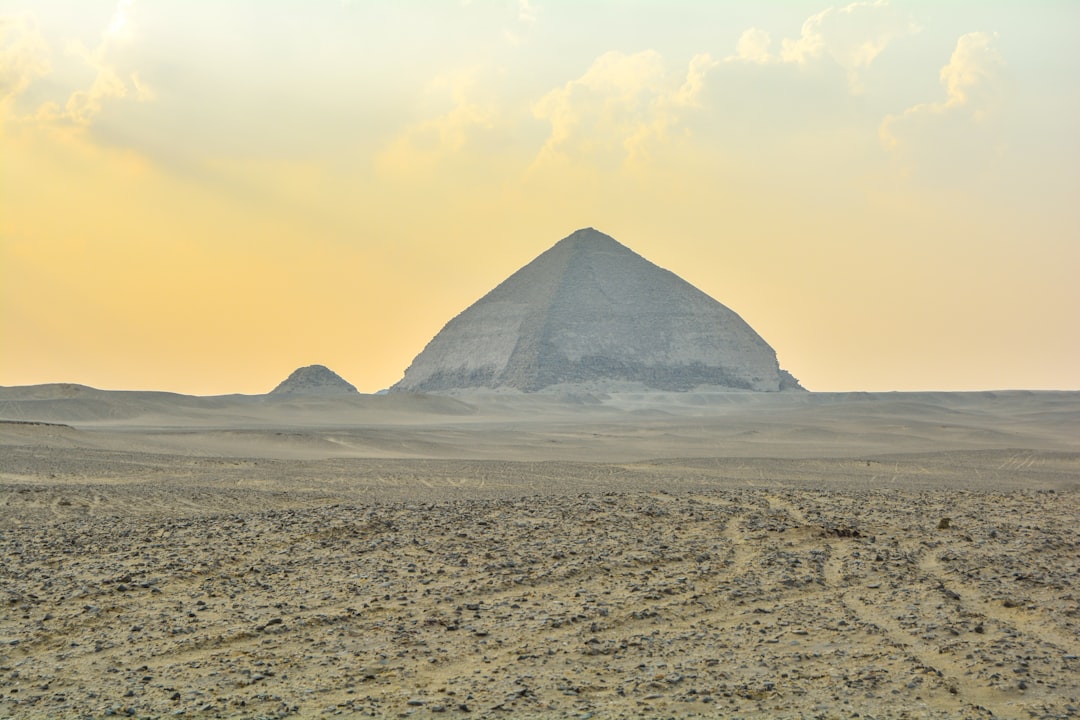
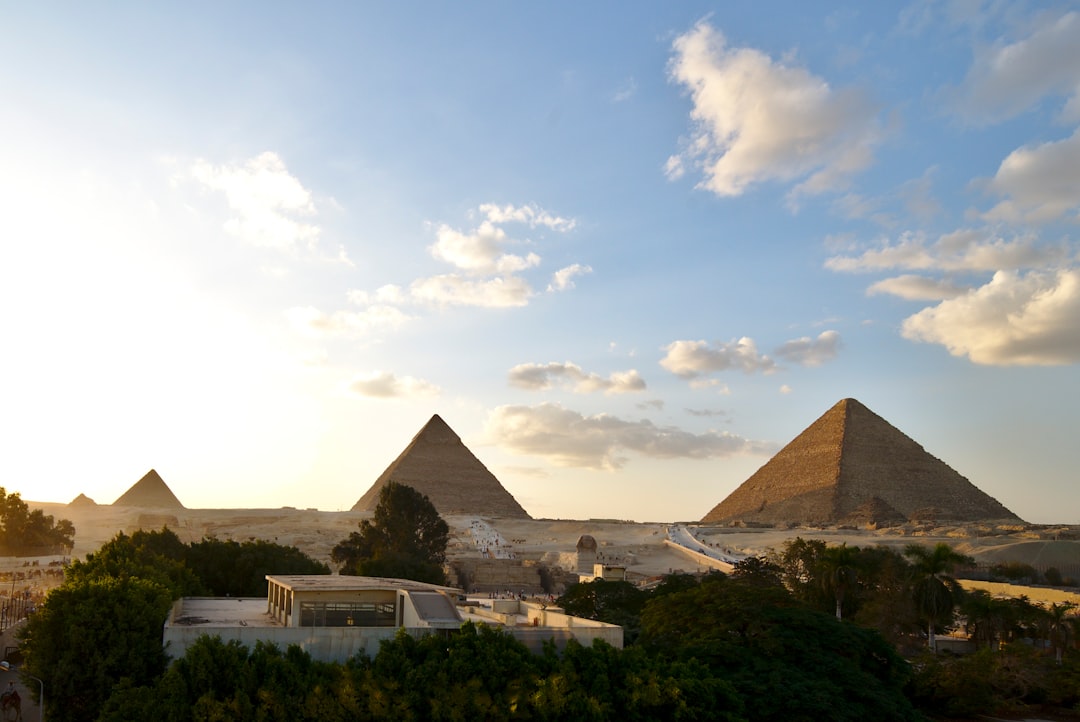
The pyramids are the most famous structures that ancient Egyptians ever built for their kings. The Great Pyramid of Giza took about twenty years and thousands of workers to complete entirely. It was built as a tomb for Pharaoh Khufu over forty-five hundred years ago in ancient times. The pyramid contains over two million stone blocks, each weighing about two and a half tons. For thousands of years, the Great Pyramid was the tallest monument on Earth.
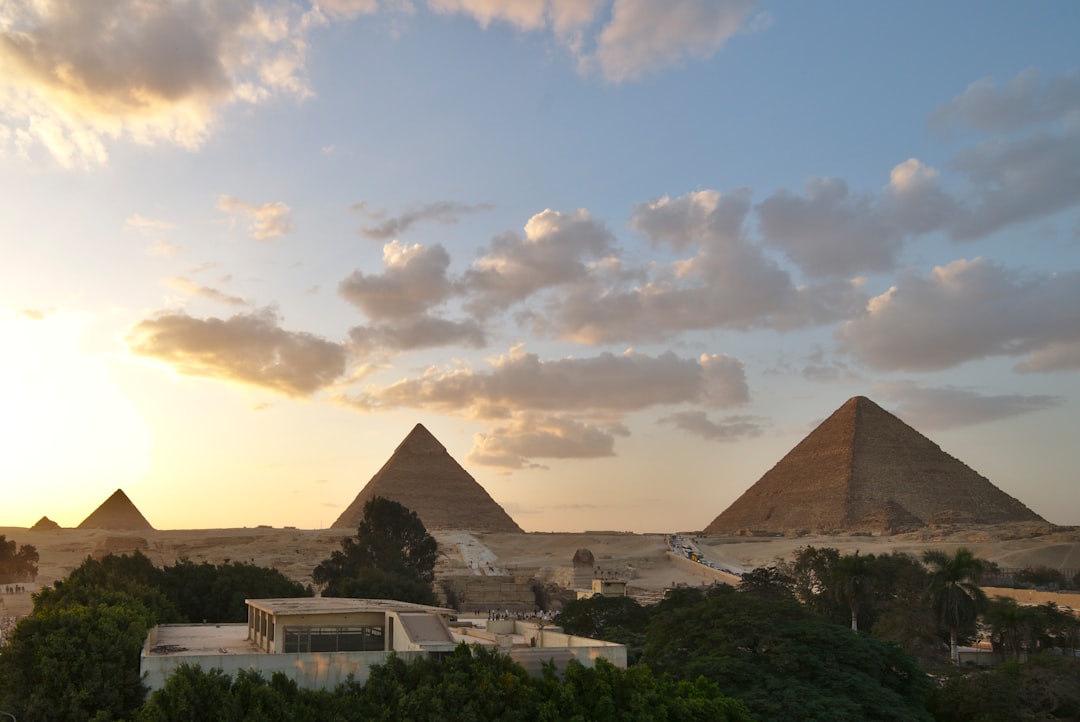
Building the pyramids required incredible planning and teamwork from the ancient Egyptians. Workers cut massive limestone blocks from quarries and transported them using wooden sleds and ramps. Scientists believe ramps were built around the pyramids to lift stones higher and higher up. Contrary to old beliefs, the builders were not slaves but skilled workers who were paid. These workers lived in nearby villages and took great pride in their sacred work for the pharaoh.
Egyptians believed strongly in life after death and preserved their dead through mummification. They removed organs, dried the body with salt, and wrapped it in linen bandages carefully. Pharaohs were buried with treasures, food, and servants to use in the afterlife ahead. The famous King Tutankhamun’s tomb was discovered in nineteen twenty-two filled with golden treasures inside. Scientists continue to find new tombs and learn more about ancient Egyptian burial practices today.
The ancient Egyptian civilization eventually ended, but its legacy lives on around the world. Millions of tourists visit Egypt each year to see the pyramids and ancient temples firsthand. Museums worldwide display Egyptian artifacts including mummies, jewelry, and beautiful statues carefully. Egyptian symbols like the sphinx and hieroglyphics remain popular in modern culture and art. Studying ancient Egypt teaches us about human creativity and our desire to leave lasting marks.
Niveau: Level F
A. Vocabulary Matching
Match each word with its definition.
1. fascinating ______
2. pharaohs ______
3. achievements ______
4. structures ______
5. tomb ______
6. monument ______
7. quarries ______
8. sacred ______
9. preserved ______
10. legacy ______
a. holy or connected to religion
b. buildings or things that are built
c. a place where dead people are buried
d. ancient Egyptian kings or rulers
e. extremely interesting and attractive
f. something left behind by people of the past
g. places where stone is dug from the ground
h. kept in good condition over time
i. things accomplished through effort
j. a structure built to remember someone
B. True or False
Write T (True) or F (False) for each statement.
- Ancient Egypt lasted for over 3,000 years. ______
- Pharaohs were elected by the people. ______
- The Great Pyramid took about 20 years to build. ______
- Pyramid builders were all slaves. ______
- The Great Pyramid has over 2 million stone blocks. ______
- Mummies were wrapped in silk bandages. ______
- King Tut’s tomb was discovered in 1922. ______
- The pyramids are located along the Nile River. ______
- Egyptians did not believe in life after death. ______
C. Fill in the Blanks
Word Bank: fascinating | pharaohs | structures | tomb | quarries | preserved | legacy
- Ancient Egypt was one of the most _______________ civilizations in history.
- The _______________ were kings who ruled Egypt with complete power.
- The pyramids are the most famous _______________ built by ancient Egyptians.
- The Great Pyramid was built as a _______________ for Pharaoh Khufu.
- Egyptians _______________ their dead through the process of mummification.
D. Comprehension Questions
- How long did ancient Egyptian civilization last?
- How many stone blocks are in the Great Pyramid?
- Who actually built the pyramids according to scientists?
- What is mummification and why did Egyptians do it?
- When was King Tutankhamun’s tomb discovered?
E. Discussion Questions
Talk about these questions with a partner or write your answers.
- Why do you think people are still fascinated by ancient Egypt today?
- If you could visit one ancient Egyptian site, which would you choose?
- What do you think future people will remember about our civilization?
Answer Key
Check your answers below.
A. Vocabulary: 1-e, 2-d, 3-i, 4-b, 5-c, 6-j, 7-g, 8-a, 9-h, 10-f
B. True/False: 1-T, 2-F, 3-T, 4-F, 5-T, 6-F, 7-T, 8-T, 9-F
C. Fill in the Blanks: 1-fascinating, 2-pharaohs, 3-structures, 4-tomb, 5-preserved
D. Comprehension: 1. Over 3,000 years; 2. Over 2 million stone blocks; 3. Skilled, paid workers (not slaves); 4. Preserving dead bodies for the afterlife; 5. In 1922
Browse our complete collection of free ESL worksheets and learning resources covering Taiwan culture, science, world history, and more.


 Français
  English
  繁體中文
繁體中文  日本語
日本語  한국어
한국어  ไทย
ไทย  Bahasa Indonesia
  Tiếng Việt