
7 Levels of English Learning: Which Level Is Your Child? (2026 Parent Guide)
Does your child come home from school and say they “know English” — but you’re not sure exactly what that means? You’re not alone. Understanding your child’s English level can feel tricky, especially when schools use different systems or just say “intermediate.” The good news: there is a clear, internationally recognized framework that maps every stage of learning — and knowing which level your child is at makes it so much easier to celebrate their progress and support them at home.
This guide breaks down the 7 levels of English learning, from the exciting start of the journey (Level 0) all the way to near-native fluency (Level 6 / C2). Each level corresponds to the CEFR (Common European Framework of Reference for Languages), the global standard used by schools, tests like IELTS and TOEFL, and universities worldwide.
Watch this video by LangLox for a visual overview of all 7 levels before diving in.
Why Levels Matter for Your Child’s English Journey
When you know your child’s exact level, you can:
- Choose the right books, apps, and classes — perfectly matched to where they are right now
- Set realistic expectations — progress takes time, and every step forward counts
- Celebrate real milestones instead of vague “improvement”
- Understand their school reports and test scores more clearly
Taiwan’s school system (國中/高中) often uses internal grades, but international exams like GEPT (全民英檢) and Cambridge tests map directly to the CEFR. Knowing the CEFR scale helps you compare across everything.
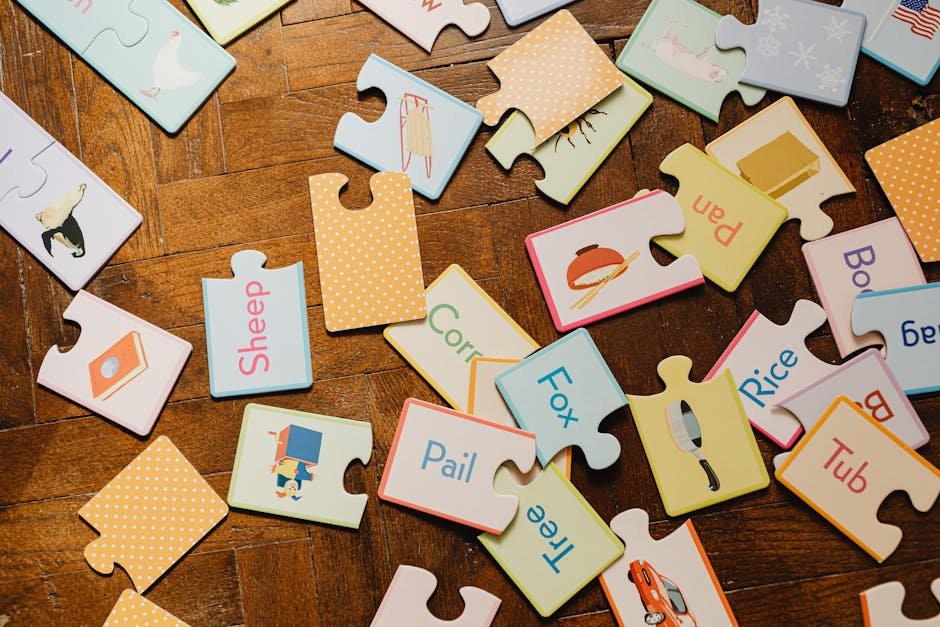
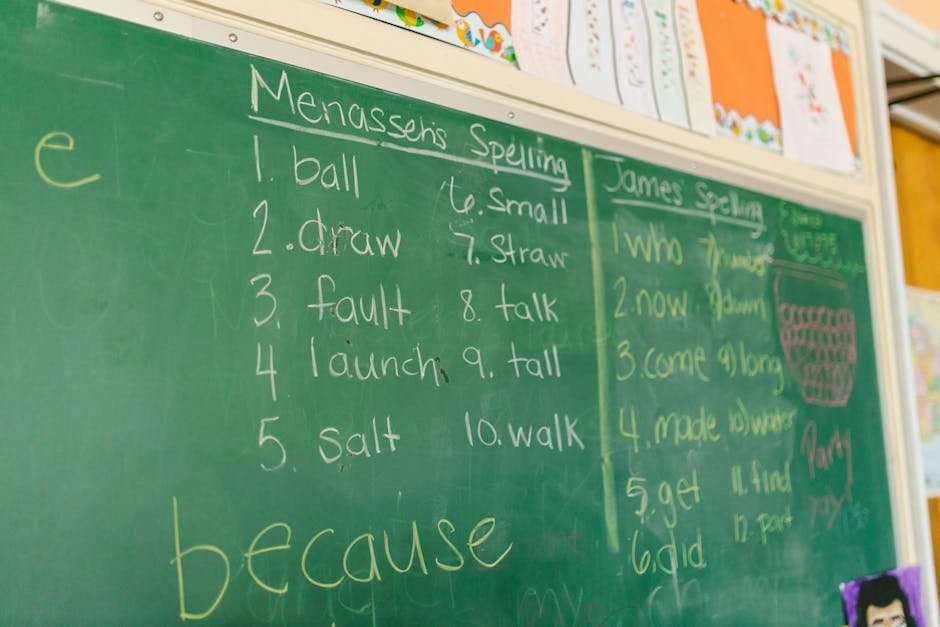
Photo: www.kaboompics.com / Pexels
Level 0 — Pre-A1: The Beginning of the Journey (完全初學者)
Every expert was once a beginner — and Level 0 is where every English success story starts. Your child at this stage is building their very first foundations: beginning to recognize words like “hello,” “thank you,” and numbers, and taking their first exciting steps into a new language.
What this looks like at school: Just starting English classes (Grade 3 in Taiwan), or a child with limited prior exposure who is ready and eager to begin.
What helps most: Songs, cartoons, picture books, and phonics. The goal at this stage is familiarity and enjoyment, not grammar. Keep it fun — and celebrate every new word they recognize!

Photo: Pavel Danilyuk / Pexels
Level 1 — A1: The True Beginner (初學者) — First Real Milestones
At A1, your child has built a vocabulary of around 700 words — a genuine achievement! They’re now ready to:
- Introduce themselves confidently (“My name is… I am 8 years old.”)
- Answer simple questions about family, hobbies, and objects
- Use the present tense (“I like cats. She goes to school.”)
Taiwan context: Many Grade 3–4 students reach A1 after a year of school English — real progress worth celebrating. GEPT Elementary corresponds roughly to this level.
Tips for parents: Label items around the house in English. Watch simple YouTube videos like Peppa Pig together. Encourage your child to say one new English sentence per day — consistency builds confidence fast.
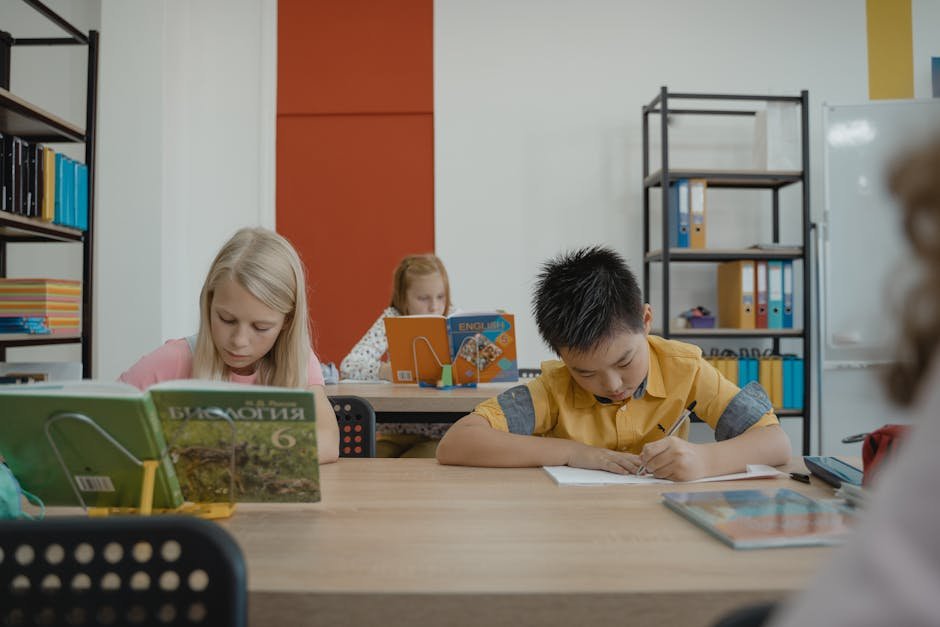
Photo: Tima Miroshnichenko / Pexels
Level 2 — A2: Elementary (基礎級) — Handling Real Life
At A2, vocabulary jumps to around 1,500 words — more than double A1! Your child is now ready to:
- Handle real-world tasks independently: shopping, asking for directions, reading simple menus
- Write short messages and simple emails
- Understand slow, clear spoken English on familiar topics
Taiwan context: Many Grade 5–6 students reach A2 by the end of primary school — a great foundation heading into junior high (國中).
Tips for parents: Encourage simple English diaries or text messages. Graded readers at “Level 1–2” from publishers like Oxford Bookworms are perfect here — your child will feel proud reading a real book in English!
Level 3 — B1: Lower Intermediate (中級) — Conversationally Confident
B1 is a major milestone worth celebrating. With around 2,500 words, your child is now conversationally independent. They’re ready to:
- Maintain conversations with native speakers on familiar topics
- Watch English movies and TV shows dengan subtitles and follow the plot
- Write simple essays and understand most school-level texts
Taiwan context: GEPT Intermediate (中級) maps to B1. High school (高中) English classes generally target this level by graduation. This is where real confidence blooms.
Tips for parents: At B1, exposure beats drilling. Movies, podcasts designed for learners, and reading in English become powerful tools. Reduce pressure; increase input — your child is ready to enjoy English, not just study it.
The Grammar Myth: Your Child Doesn’t Need Perfect Grammar to Communicate
Here’s something many parents worry about unnecessarily: grammar. If your child is at Level 1, 2, or even 3, imperfect grammar is completely normal — and it doesn’t stop them from communicating. The LangLox video above makes this point clearly: grammar refinement is an advanced-stage skill, not a prerequisite for speaking English.
At Levels 0–3, your child’s brain is doing something remarkable — absorbing vocabulary, building listening instincts, and gaining the confidence to speak up. Drilling grammar rules too early can actually backfire, making English feel like a chore instead of a tool for connection. Research consistently shows that communicative confidence develops before grammatical accuracy — and that’s exactly how it should be.
When does grammar become important? Around Level 4 (B2), learners have built enough vocabulary and real-world exposure that grammar instruction finally clicks — it sharpens fluency that’s already there. Until then, the best thing you can do is keep your child’s English experience positive, communicative, and enjoyable. Accurate grammar follows naturally once the foundation is solid.

Photo: RDNE Stock project / Pexels
Level 4 — B2: Upper Intermediate (中高級) — Fluency Takes Hold
At B2, vocabulary reaches around 4,000 words — and this is where real fluency clicks into place. Your child is now able to:
- Make arguments, give opinions, and explain complex ideas
- Watch English TV news and understand without subtitles
- Read authentic English texts (articles, novels)
Taiwan context: GEPT High-Intermediate (中高級) corresponds to B2. Students aiming for foreign universities or English-medium programs thrive at this level.
Research shows that long-term memory retention really kicks in at B2 — words encountered at this stage tend to stick permanently. Your child is building a vocabulary that will last a lifetime.
Tips for parents: Encourage English movies and YouTube without subtitles as an exciting challenge. Each stumble is a step forward — this is how B2 gets cemented into lasting fluency.
Photo: cottonbro studio / Pexels
Level 5 — C1: Advanced (高級) — Sophisticated and Natural
At C1, your teenager has mastered around 8,000 words — a truly impressive achievement. They’re now able to:
- Hold long, nuanced conversations on virtually any topic
- Enjoy humor, sarcasm, and idioms naturally in context
- Write academic essays and professional documents with confidence
Taiwan context: GEPT Advanced (高級) maps to C1. Students who score well on international tests like TOEFL iBT (95+) or IELTS (7.0+) have reached this exceptional level.
C1 is the level required by many top universities in the UK, US, and Australia for international students — a remarkable door-opener for your child’s future.
Level 6 — C2: Near-Native Mastery (精通) — The Summit
At C2, with roughly 16,000 words, your child has achieved something extraordinary — near-bilingual English. They can now:
- Read complex literature, legal texts, and academic papers with ease
- Think in English — no mental translation needed
- Use language with precision, nuance, and style
C2 is typically reached through extended immersion (living abroad, international school, etc.) — an aspirational long-term goal that represents a truly bilingual mind. Every step toward it is worth celebrating along the way.
Photo: Thirdman / Pexels
Quick Parent Checklist: Celebrating Where Your Child Is Right Now
- Level 0: Beginning to recognize English words and sounds — the journey has started!
- A1: Can introduce themselves and name familiar objects — first real English!
- A2: Can handle a short conversation about daily life — functional and growing!
- B1: Can watch a movie in English with subtitles and follow along — truly conversational!
- B2: Can understand English YouTube videos without subtitles — genuinely fluent!
- C1: Can enjoy English jokes and idioms naturally — advanced and impressive!
- C2: Thinks and dreams in English — near-native mastery achieved!

Photo: Ivan S / Pexels
What to Do Next
Once you know your child’s level, the most important thing is consistent, enjoyable input — not cramming grammar worksheets. Research consistently shows that learners progress fastest when they enjoy the content they’re consuming in the target language.
For parents in Taiwan: consider pairing your child’s school English with resources at the right CEFR level — graded readers, leveled apps like Duolingo or Cake, and English YouTube channels appropriate for their age and level. Every step forward is a win worth recognizing.
If your child is a teen or adult learner looking for more structured guidance, visit Tahric Mengajar — a dedicated resource for older learners working through the CEFR levels with practical strategies.
Sources & Further Reading
- Council of Europe — CEFR Level Descriptions
- MyLinguistics — A1 to C2 CEFR Guide
- StoryLearning — Language Levels Explained
- LangLox — The 7 Levels of Language Learner (YouTube)
A Note for Parents from a Taiwan Classroom
One thing I tell every parent in Taipei: levels are signposts, not finish lines. A child cruising through A2 at 9 is on track. A teenager hitting B1 before TOEIC season is right on schedule. Two siblings can be a full level apart at the same age, and both can still be reading TIME for Kids or watching Bluey without subtitles within a year. The framework lets you celebrate that real progress instead of measuring against a friend’s kid. And if your child stalls at a level for six months, that is the cue to switch input — a different book series, a different YouTube channel, a different conversation partner — not a cue to panic. Movement resumes once the input changes.
Looking for free ESL worksheets for your classroom? Browse our free worksheet library →




 Bahasa Indonesia
  English
  繁體中文
繁體中文  日本語
日本語  한국어
한국어  ไทย
ไทย  Tiếng Việt
  Français