
Compound Words: 8 Rules to Build 100+ New English Words (2026) | 英文複合詞完整指南
English dictionaries list more than 5,000 compound words in everyday use, and that number grows every year as new technology and culture create new combinations — crowdfunding, self-checkout, deepfake. For Taiwanese learners, compound words are both a shortcut and a trap: a shortcut because you already know both halves, a trap because English won’t tell you whether to write them as one word, two words, or a hyphenated pair. Get the pattern logic right, and you can guess dozens of compounds you’ve never seen before.

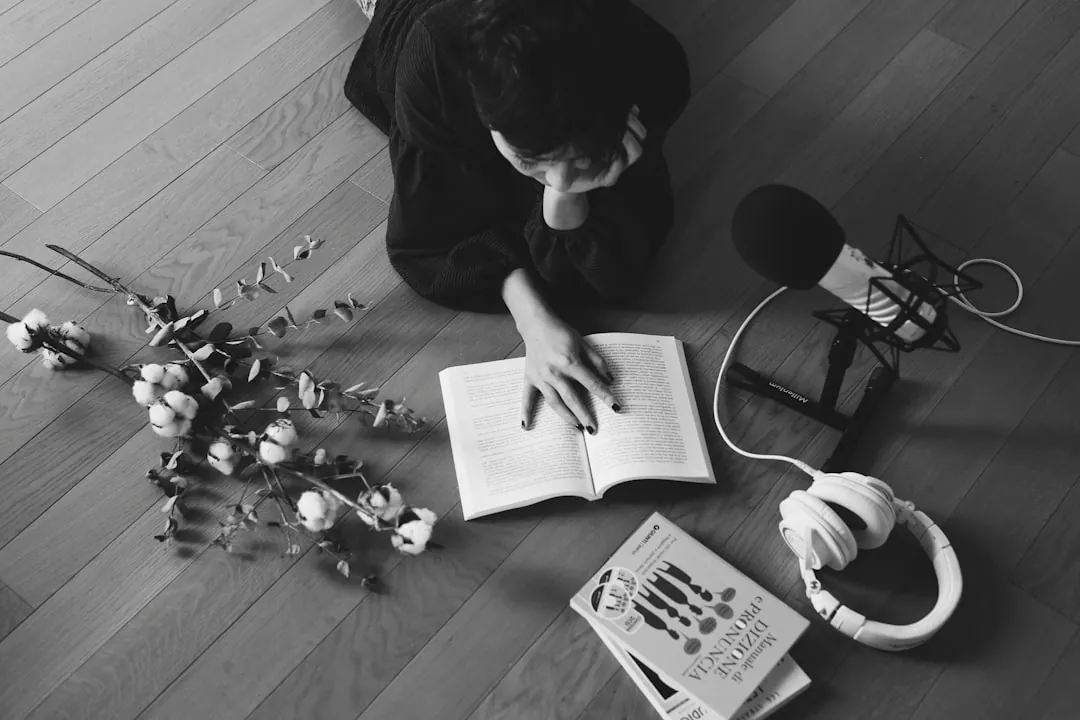
Sunflower is the textbook example — two whole words, one new meaning.
什麼是複合詞?(What Is a Compound Word?)
A compound word takes two independent words and fuses them into a single vocabulary item with its own meaning — often one that isn’t simply the sum of its parts. A butterfly is not a flying stick of butter, and a bookworm is not an actual worm. The new word inherits its grammar from the last part (the “head”): toothbrush is a kind of brush, not a kind of tooth. That head-final pattern is consistent enough that you can use it to guess meaning even for compounds you’ve never met before.
Chinese does something similar — 「電腦」(diàn nǎo, “electric brain” = computer) and 「火車」(huǒ chē, “fire vehicle” = train) are compounds built the same way, joining two meaningful characters into one new concept. That’s actually good news: the compounding instinct you already have in Mandarin transfers directly to English. The part that doesn’t transfer is the spelling — Chinese never has to decide whether to leave a space.
三種複合詞形式:Closed、Open、Hyphenated
English compounds are written three different ways, and which one applies to any given word is a matter of convention, not logic. This table covers the three forms with the words T’s students mix up most.
| 形式 (Form) | 寫法 (Spelling) | 例子 (Examples) |
|---|---|---|
| 封閉式 Closed | 一個字,沒有空格或連字號 | notebook, keyboard, weekend, sunflower |
| 開放式 Open | 兩個字,中間有空格 | ice cream, high school, coffee table |
| 連字號式 Hyphenated | 用連字號連接 | well-known, mother-in-law, twenty-one |
Here’s the piece most textbooks skip: individual compounds drift between these three categories over time, usually moving toward closed as they become more common. E-mail was hyphenated in the 1990s; most style guides now write email. Web site became website the same way. When you’re not sure, a current dictionary beats a rule — Merriam-Webster updates spellings as usage shifts, and the “correct” answer today may not match a textbook printed five years ago.

Keyboard is closed; the same logic used to spell it “key board” a century ago.
重音在哪裡?Compound Noun vs. Two Separate Words
This is the rule that actually changes how you speak, not just how you spell. A compound noun stresses the first word: GREENhouse (a building for growing plants) puts the stress on hijau. Say the same two words as an adjective plus a noun — a green HOUSE (a house painted green) — and the stress moves to house. Same two words, same spelling when spoken casually, completely different meaning signaled only by which syllable you hit harder.
This pattern repeats across dozens of common pairs: a BLACKbird (a species of bird) versus a black BIRD (any bird that happens to be black); a DARKroom (for developing photos) versus a dark ROOM (a room with the lights off). Native speakers rely on this stress shift constantly and rarely notice they’re doing it — which is exactly why it trips up learners who were never taught to listen for it.
100 個實用複合名詞,依主題分類 (Compound Nouns by Theme)
Rather than memorizing a random list, group compound nouns by the situation where you’ll actually use them. These clusters cover the categories that show up most in daily conversation and on English tests in Taiwan.
Home & daily life (居家生活): bedroom, bathroom, doorway, backyard, dishwasher, toothbrush, sunrise, sunset, weekend, daylight.
Technology & work (科技與工作): keyboard, laptop, software, website, screenshot, breakthrough, workflow, deadline, feedback, startup.
Nature & weather (自然與天氣): rainbow, snowfall, earthquake, thunderstorm, sunflower, waterfall, moonlight, butterfly, honeybee, firefly.
People & relationships (人與關係): classmate, roommate, girlfriend, boyfriend, grandfather, stepmother, mother-in-law, teammate, babysitter, newcomer.
School & exams (校園與考試): classroom, homework, textbook, notebook, background, gatekeeper, breakthrough, GPA-related terms like coursework Dan midterm show up constantly on the GEPT and TOEIC reading sections, precisely because compounds pack two ideas into one testable word.
- fireproof — resistant to fire (able to survive fire)
- waterproof — resistant to water
- homesick — missing home badly
- airsick — nauseated from flying
- bittersweet — both bitter and sweet at once

Rainbow, sunflower, and waterfall are all closed compounds built from nature vocabulary.
複合動詞:babysit, daydream, sleepwalk (Compound Verbs)
Compound nouns get most of the attention, but English also builds verbs the same way, fusing two words into one action. Babysit (baby + sit) means to watch a child; daydream (day + dream) means to drift into imagination while awake; sleepwalk (sleep + walk) means to walk while unconscious. These are almost always closed, one-word verbs, and they’re formed by a process linguists call “back-formation” — the noun babysitter actually came first, and English worked backward to invent the verb babysit to match it.
Other common compound verbs worth knowing: daydream, oversleep, outgrow, downplay, upgrade, proofread. Notice the pattern: a direction or intensity word (over-, out-, down-, up-) fused onto a plain verb, changing its meaning in a predictable way. Once you spot that over- usually means “too much” (oversleep = sleep too long, overthink = think too much), you can decode new compound verbs the moment you meet them.

Oversleep follows the same over- + verb pattern as overthink and overreact.
複合形容詞:連字號什麼時候要加?(Compound Adjectives — When Hyphens Matter)
Compound adjectives combine two or more words to describe a noun, and the hyphen rule here is actually consistent: hyphenate when the compound comes before the noun it describes, and usually drop the hyphen when it comes after. “She has three years of experience” has no hyphen because the numbers sit after the verb, but “She is a three-year veteran” hyphenates because three-year now directly modifies veteran in front of it.
The same logic explains well-known author (hyphenated, before the noun) versus the author is well known (no hyphen, after the verb). Other common compound adjectives Taiwan learners use constantly: self-employed, world-class, high-quality, long-term, up-to-date, state-of-the-art. Miss the hyphen on a resume and “a well known company” reads as slightly off to a native reader — small detail, real impression.
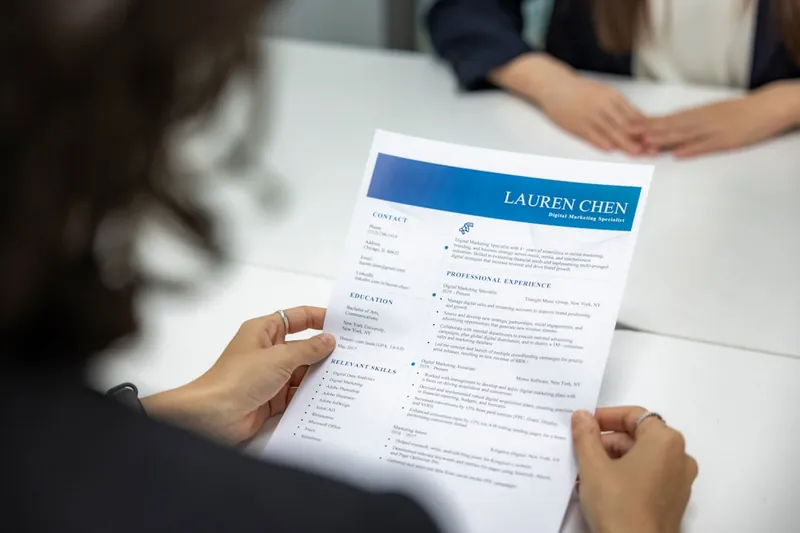
Hyphenation on a resume is one of the fastest tells of careful English.
台灣學生最常犯的 5 個錯誤 (5 Mistakes Taiwanese Learners Make)
After years of correcting these in student writing, the same five patterns come up again and again — and every one traces back to translating word-for-word from Chinese instead of learning the compound as a single unit.
- Adding an unnecessary space. ❌ note book ✅ notebook. If it’s one concept, it’s very likely one word.
- Guessing the hyphen. ❌ well known before a noun ✅ well-known author. Check position: before the noun needs the hyphen.
- Misplacing stress. Saying “green HOUSE” when you mean the plant building (should be “GREENhouse”) changes the meaning to a listener even if the spelling is identical.
- Literal translation from Chinese. Chinese compounds don’t map word-for-word — 「電腦」 is “electric brain,” but the English word is komputer, not electric brain. Learn the English compound as its own unit.
- Forgetting plural placement. The plural -s goes on the whole compound, not the middle word: mothers-in-law, not mother-in-laws; passersby, not passerbys.

Most compound word mistakes come from translating instead of learning the whole unit.

Grouping compounds by pattern beats memorizing them one at a time.
快速自我測驗 (Quick Self-Test)
Cover the answers and decide: closed, open, or hyphenated? Then check the stress if it’s a compound noun.
- fire + fighter → firefighter (closed)
- high + school → high school (open)
- mother + in + law → mother-in-law (hyphenated)
- a “GREENhouse” grows plants; a “green HOUSE” is → a house painted green
- The company is a “well ___ name” (before a noun) → well-known
If you got the stress question right, you’ve already internalized the hardest part — most learners never notice that stress carries meaning in English the way tone does in Mandarin.
For a visual breakdown of open, closed, and hyphenated compounds with more examples, this short lesson from Learn English with Emma walks through the categories clearly:
把複合詞變成你的單字量捷徑 (Make Compounds Your Vocabulary Shortcut)
Once you notice the pattern, compound words stop being 5,000 separate items to memorize and become a handful of building blocks you can recombine. Learn house, work, book, Dan proof well, and you can decode or build housework, homework, notebook, textbook, fireproof, waterproof without ever opening a dictionary. That’s the real payoff — not memorizing the list, but learning to trust the logic behind it.
Compound words are one piece of the bigger vocabulary-building puzzle. If this clicked, the same “learn the building blocks” approach powers word roots and prefixes, and pairs naturally with English collocations — the words that simply sound right together. Master all three systems and vocabulary stops feeling like an endless list and starts feeling like a language you can actually predict.
Sumber
- Grammarly — Open and Closed Compound Words — reference on closed, open, and hyphenated compound spelling conventions.
- BBC Bitesize — Compound Words — plain-language explanation of compound word formation for learners.
- Merriam-Webster — Compound Words — dictionary authority on current spelling of drifting compounds.






 Bahasa Indonesia
  English
  繁體中文
繁體中文  日本語
日本語  한국어
한국어  ไทย
ไทย  Tiếng Việt
  Français