
伝統的な楽器 – レベル F 上級 ESL 読解ワークシート | 傳統樂器進階
這份進階英文閱讀學習單 (Advanced ESL Reading Worksheet) 帶領學生深入探索世界各地的傳統樂器 (Traditional Musical Instruments)。從印度西塔琴到蒙古馬頭琴,這份 Level F 工作表挑戰學生用學術英文分析文化保存與音樂演變的複雜議題。
When UNESCO designated the Mongolian long song as an Intangible Cultural Heritage in 2005, it wasn’t just recognizing a way of singing — it was acknowledging that when a traditional instrument or musical tradition disappears, an entire way of understanding the world goes with it. For advanced ESL learners, traditional musical instruments offer a window into the academic vocabulary of culture, identity, and preservation that appears constantly in university and professional contexts.
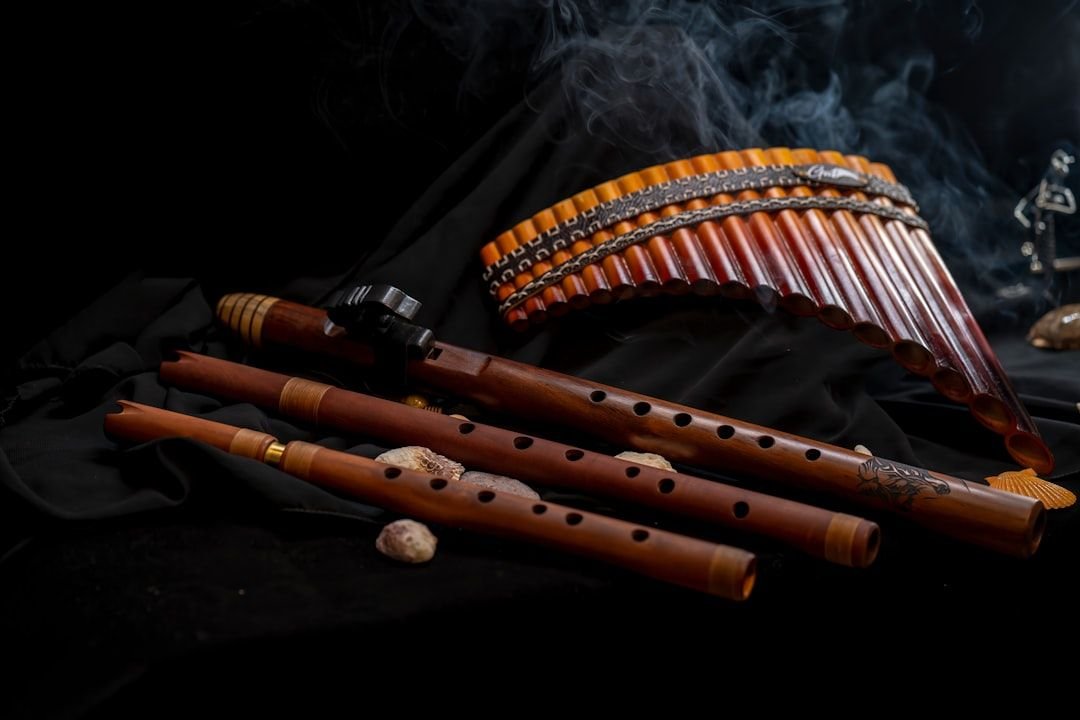
Cultural Ambassadors in Sound [文化的聲音大使]
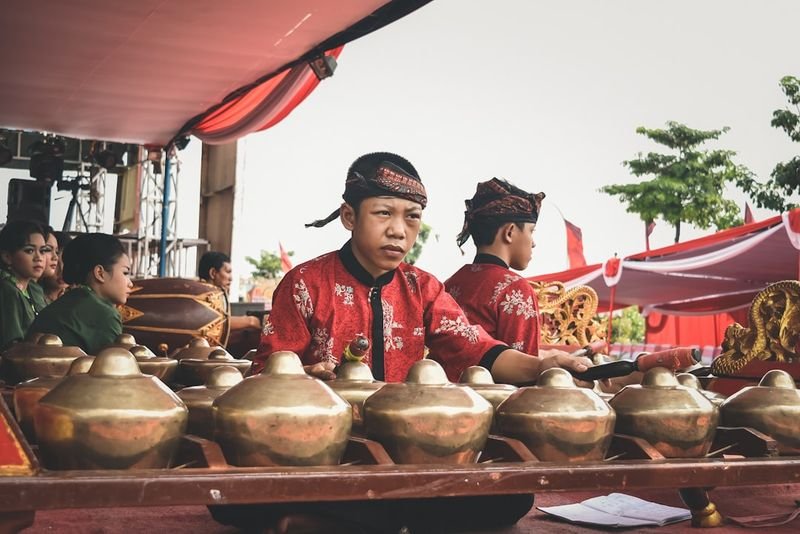
Every traditional instrument carries a story that words alone cannot tell. The ガムラン インドネシアのオーケストラは、重層的なブロンズ製メタロフォンの音色を通して、社会階層と精神的な信仰を表現している。モンゴルの心に残る倍音は、 モリン・クール (馬頭琴)は中央アジアの広大な草原と遊牧民の伝統を想起させる。 ウード, 中東で3500年以上前に遡るフレットレスリュートであるこの楽器は、現代の標準化を受け入れようとしないにもかかわらず、あるいはむしろそれゆえに、アラブ音楽のアイデンティティの中心であり続けている。.
これらの楽器は単に文化を代表するものではなく、積極的に 持続する them. When a master musician teaches an apprentice, they transmit not only technique but worldview — a philosophy encoded in sound. The Japanese 琴, for instance, is not merely a 13-stringed zither; its tuning systems are tied to specific emotional states and seasonal contexts that Japanese aesthetics have refined over 1,300 years.
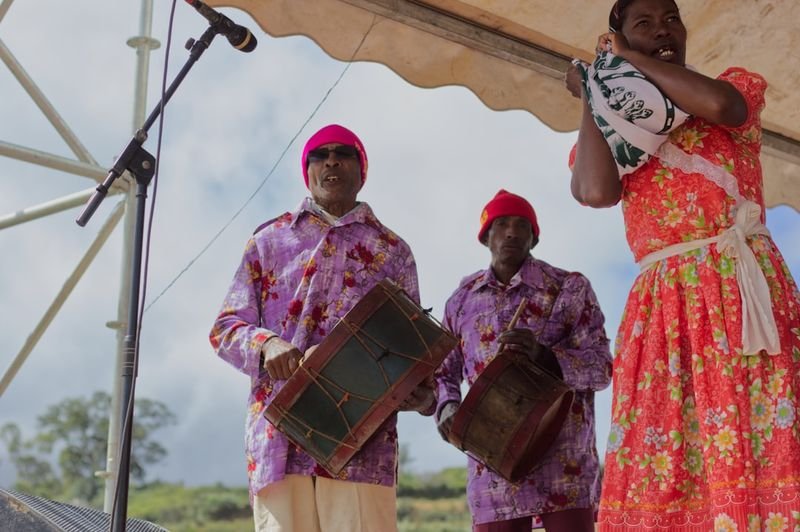
Technological Evolution: Adaptation or Dilution? [科技演變:適應還是稀釋?]
The 21st century presents traditional instruments with a challenge that has no clean answer: how do you preserve an authentic art form while adapting to modern musical contexts? The debate is fierce among ethnomusicologists and performers alike.
一部の楽器は増幅とジャンルを超えた融合を取り入れている。アイルランドの ウイリアンパイプ 現在ではロックやアンビエント系の電子音楽作品に登場する。 太鼓 ドラム演奏は、世界中のコンサートホールを満員にする演劇的なパフォーマンスアートへと進化しました。インド古典音楽 シタール found a global audience through collaboration with Western jazz and rock musicians in the 1960s — an influence that continues today.
Others resist modernization. The 二胡 中国中央音楽学院の巨匠たちは、デジタル複製は楽器の表現力を決定づける微細な音程のニュアンスや物理的な共鳴を奪ってしまうと主張する。同様に、バリ島のガムランコミュニティは楽器の製作と演奏に関して厳格な儀式的慣習を維持しており、商業的な改変を文化的な侵害とみなしている。.
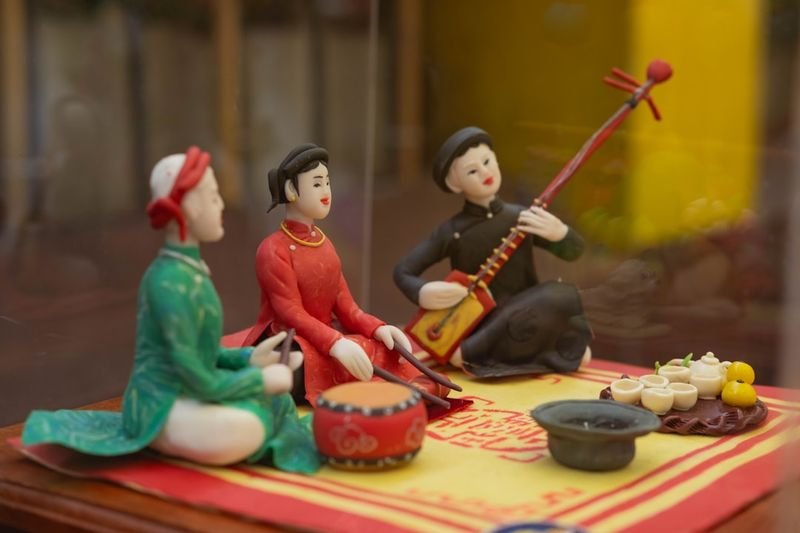
Preservation in the Digital Age [數位時代的文化保存]
UNESCO’s Intangible Cultural Heritage program has designated dozens of traditional musical practices as requiring urgent safeguarding. The Smithsonian Folkways collection and the British Library Sound Archive are preserving recordings of instruments and performance traditions that exist in only a handful of aging practitioners.
However, preservation through recording alone risks creating a museum culture around living traditions. The most effective preservation happens through community-based education — when schools incorporate traditional music into curricula, when governments fund apprenticeship programs, and when diaspora communities maintain performance traditions across generations and geography.
Taiwan’s own traditional music scene offers a compelling example: Hakka and Aboriginal musical traditions have been integrated into school curricula since the 1990s, resulting in measurable growth in young practitioners and renewed audience interest among younger generations.
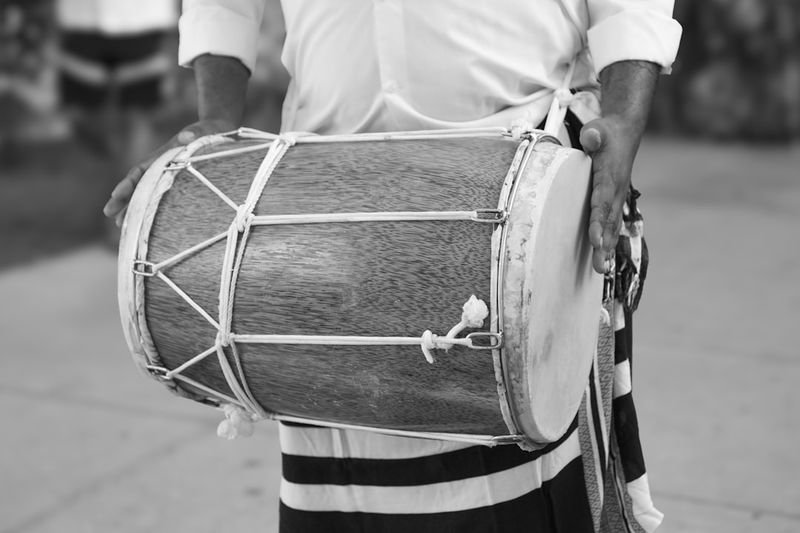
The Language of Traditional Music [傳統音樂的學術詞彙]
Advanced ESL students reading about world music will encounter a cluster of academic terms that appear repeatedly across disciplines — from anthropology to music journalism to cultural policy. Knowing these words unlocks not just this topic but dozens of related reading contexts.
- Ethnomusicology — the academic study of music from cultural and social aspects
- Intangible cultural heritage — practices, knowledge, and skills that communities recognize as part of their cultural identity
- Acoustic resonance — the way an instrument body amplifies and shapes sound through physical vibration
- Microtonal — relating to musical intervals smaller than a semitone, common in non-Western scales
- Apprenticeship — a system of training where a learner works alongside an expert over an extended period
- Diaspora — communities who have spread across the world from their original homeland
Instrument Families Around the World [世界樂器分類]
The Hornbostel-Sachs classification system, developed in 1914, organizes all musical instruments into five families based on how they produce sound. Understanding this framework helps learners read about any instrument from any culture with a useful analytical lens.
- Chordophones — sound from a vibrating string (sitar, erhu, koto, oud, morin khuur)
- Aerophones — sound from vibrating air (uilleann pipes, shakuhachi, didgeridoo, zurna)
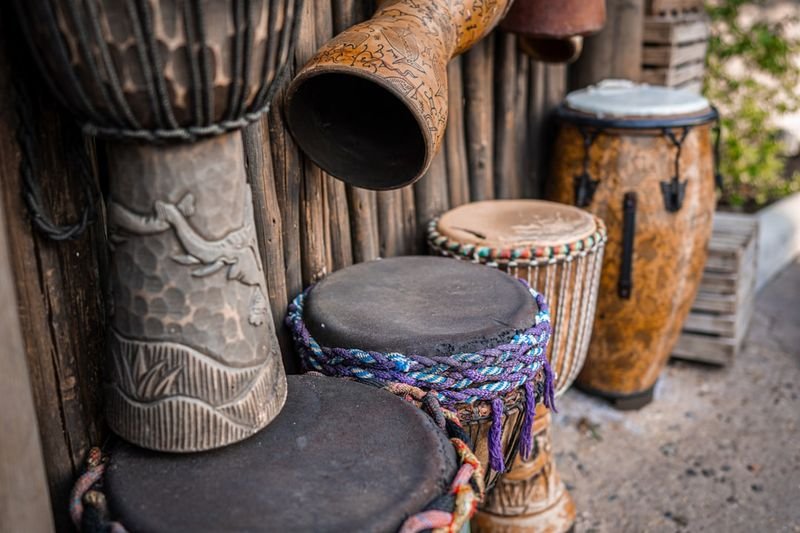
- Membranophones — sound from a vibrating membrane or skin (taiko, djembe, tabla)
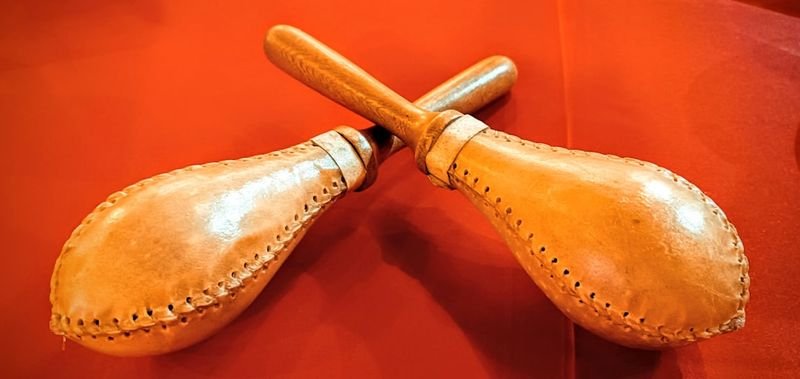
- Idiophones — sound from the body of the instrument itself (gamelan, marimba, maracas, castanets)
- Electrophones — sound produced electronically (modern hybrid instruments)
For Taiwan learners, the 二胡 (胡琴) and guqin (古琴) are familiar chordophones. The dizi (笛子) is a classic aerophone. Connecting world instrument vocabulary to locally familiar instruments builds retention far faster than purely abstract lists.
Watch: Why Playing Instruments Changes the Brain [影片:音樂與大腦的關係]
Before completing the worksheet, watch this TED-Ed explainer on how learning and playing instruments affects cognitive development. The science behind なぜ musical practice matters reinforces the cultural argument for preservation — traditional musical instruments aren’t just cultural artifacts; they’re tools that reshape how humans think.
Why This Worksheet Matters for Advanced Learners [為何選用這份工作表]
For Level F students, engaging with topics like cultural preservation builds the analytical vocabulary needed for academic writing, IELTS and TOEFL reading sections, and professional communication. Discussing instruments as cultural artifacts rather than entertainment develops argumentation skills and intercultural competence at the same time.
This article pairs with the Level C Elementary version for differentiated classroom instruction. Advanced learners can read this companion text first, then help scaffold discussion for lower-level peers. For another challenging advanced text in this series, try the Eagles Level F Advanced Worksheet, which covers ecology and conservation — similar academic vocabulary terrain. Cross-cultural literacy topics like body language across cultures pair well as a thematic unit on nonverbal communication and identity.
About This Worksheet [關於本工作表]
その 伝統的な楽器 – レベルF 上級ESLリーディングワークシート is designed for upper-intermediate and advanced learners (approximately Grade 6 reading level). Vocabulary draws from MOE Level 2–3 word lists, featuring academic and domain-specific terms used in authentic cultural contexts.
What’s Inside
- 小学6年生レベルの読解力を持つ、356語の文章。
- 推論的理解力と評価的理解力を問う問題
- 学術用語リストの用語を用いた、文脈に沿った語彙練習
- 短いエッセイの課題:「伝統的な楽器は近代化されるべきか、それとも元の形のまま保存されるべきか?」“
- 比較分析活動:2つの機器の技術的進化
- グループ討論やソクラテス式セミナーのための議論の質問
- Complete answer key with full model answers
Vocabulary Targets (MOE Level 2–3)
tradition · culture · instrument · preserve · evolve · adapt · identity · heritage · community · apprentice
Perfect For
- Intermediate to upper-intermediate ESL / EFL students
- GEPT and high school English exam prep
- Cross-curricular units on culture, globalization, and technology
- Discussion-driven reading classes and Socratic seminars
- Independent self-study or homework
Printable A4 · 4 pages · Free to use in your classroom
Classroom Applications [課堂應用]
This worksheet integrates naturally into thematic units on culture, globalization, and technology. It pairs well with listening activities featuring traditional instrument recordings available on Spotify’s “World Music” playlists or YouTube’s cultural heritage channels.
As a discussion extension, ask students to research one traditional instrument from Taiwan — such as the erhu, pipa, or Aboriginal mouth harp — and present it using the academic vocabulary from this worksheet. This bridges the global topic with local cultural pride and produces authentic speaking practice at a high register.
Discussion Questions for Critical Thinkers [批判性思考討論題]
The worksheet includes three discussion questions designed for Socratic seminar or written response. Here’s a preview of the critical thinking challenges your students will encounter:
The first question pushes students to consider unintended consequences: if a traditional instrument community accepts commercial recording contracts, does the resulting global exposure preserve the tradition or quietly transform it into something more palatable to outside audiences? There is no safe answer — both positions require evidence and logical structure to defend.
The second question examines the tension between cultural ownership and global participation. If the sitar belongs to Indian classical music, what happens when a Norwegian pop artist samples sitar sounds in a chart-topping single? Is that cultural exchange, cultural borrowing, or something more complicated? Advanced learners need to distinguish between these terms precisely before they can write about them clearly.
The third question asks students to design a preservation program for a traditional instrument of their choice. This moves from analysis into synthesis — the highest level of Bloom’s taxonomy — and requires students to apply every vocabulary term they’ve learned in a practical, creative context. Strong responses cite specific policies from UNESCO or national arts councils and connect them to measurable outcomes.
These are not simple questions with right answers. That’s the point. At Level F, the goal isn’t to test recall — it’s to build the kind of argumentative precision that academic and professional English actually demands.
情報源
- UNESCO Intangible Cultural Heritage Program — official database of recognized traditions and safeguarding initiatives worldwide
- Smithsonian Folkways — world music archive with recordings of endangered traditional instruments and endangered musical traditions
- British Library Sound Archive: World and Traditional Music — curated recordings and scholarship on global musical heritage




 日本語
日本語  English
  繁體中文
繁體中文  한국어
한국어  ไทย
ไทย  Bahasa Indonesia
  Tiếng Việt
  Français