家庭菜園と植物 – 上級ESLワークシート
Home Gardens and Plants – ESL Advanced Worksheet
This sophisticated worksheet explores home agriculture, sustainable gardening, and modern cultivation techniques. Designed for advanced ESL students ready to tackle complex environmental and scientific concepts, this resource bridges language learning with real-world knowledge about sustainable living and food production.
Learning Objectives
By completing this advanced ESL worksheet on home gardens and plants, students will be able to:
- Master advanced agricultural and environmental vocabulary in context
- Understand ecosystem principles and explain sustainable practices in English
- Learn about modern gardening techniques including vertical gardening and hydroponics
- Analyze and discuss the broader social and environmental benefits of home agriculture
- Read and comprehend complex scientific texts about plant biology and cultivation
- Write analytical paragraphs using sophisticated gardening and ecology vocabulary
Topics Covered in This Worksheet
The advanced ESL worksheet covers a comprehensive range of gardening and agricultural topics carefully selected to expand vocabulary while encouraging critical thinking. Students engage with:
- Sustainable agriculture and organic farming methods
- Crop rotation, companion planting, and soil health management
- Modern techniques: vertical gardening, hydroponics, and aquaponics
- Environmental conservation and biodiversity in garden ecosystems
- Community benefits: food security, mental health, and local economies
- Climate adaptation and resilient gardening strategies
Key Vocabulary: Advanced Level
This worksheet introduces and reinforces the following advanced English vocabulary terms related to gardens, agriculture, and ecology:
| Vocabulary Word | Part of Speech | 意味 |
|---|---|---|
| Agriculture | noun | The practice of cultivating soil and raising crops or livestock for food and other products |
| Resurgence | noun | An increase or revival after a period of decline; the resurgence of urban farming |
| Cultivation | noun | The act of preparing land for growing crops; the promotion of growth through care and attention |
| Ecosystem | noun | A biological community of interacting organisms and their physical environment |
| Microorganisms | noun | Microscopic living organisms including bacteria and fungi that play crucial roles in soil health |
| Biodiversity | noun | The variety of life in a particular habitat or ecosystem, essential for environmental resilience |
| Legumes | noun | Plants (beans, peas, lentils) that fix atmospheric nitrogen in soil through symbiotic bacteria |
| Nitrogen | noun | A chemical element essential for plant growth, making up 78% of Earth’s atmosphere |
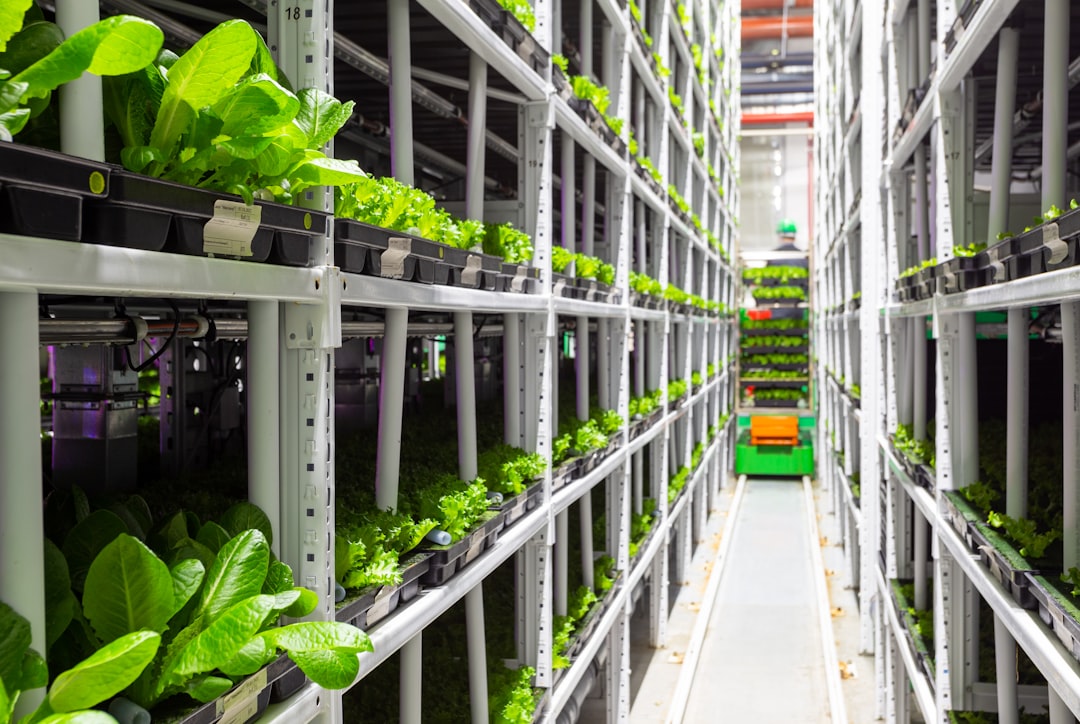
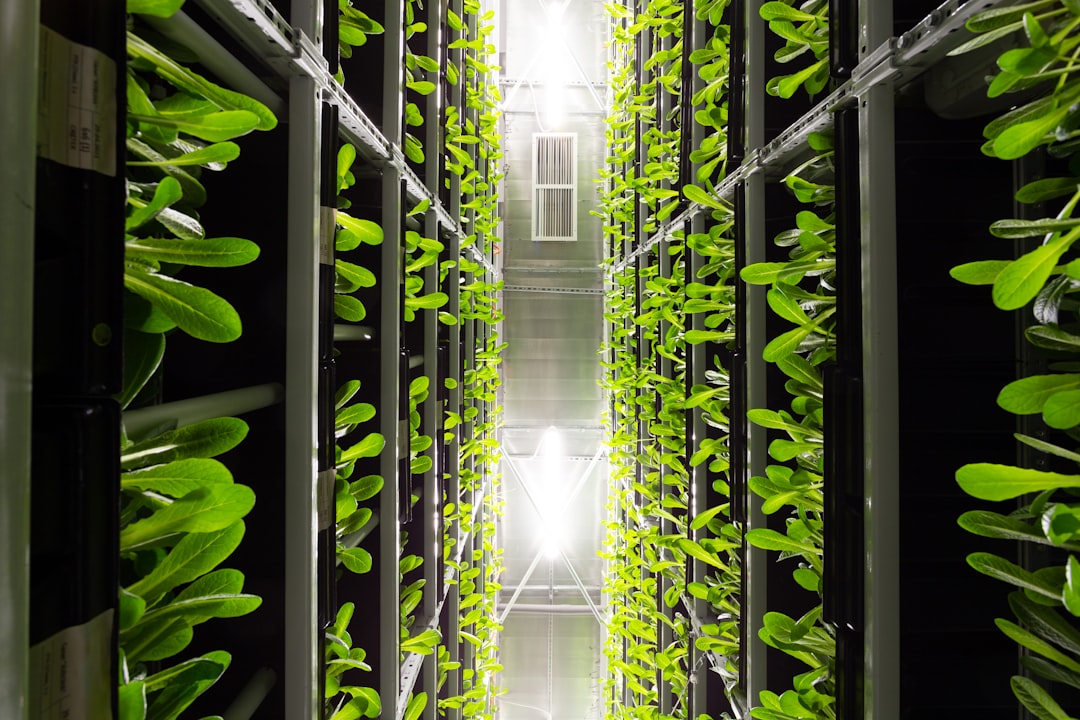
| Vertical gardening | noun phrase | A method of growing plants upward on structures, maximizing space in urban environments |
| Hydroponics | noun | A method of growing plants without soil, using mineral nutrient solutions in water |
Watch: Garden Vocabulary in Action
Before completing the worksheet activities, watch this engaging video lesson to hear garden vocabulary used naturally in context. Listen carefully to pronunciation and note how these advanced terms appear in authentic speech:
Worksheet Activities
This advanced ESL worksheet includes five carefully structured activity types designed to build reading comprehension, vocabulary retention, and analytical writing skills:
Activity 1: Vocabulary in Context (15 points)
Students read extended passages about sustainable gardening and identify the ten key vocabulary terms as they appear in authentic contexts. They then rewrite each sentence using a synonym or paraphrase, demonstrating deep understanding of word meaning and register.
Activity 2: Reading Comprehension (20 points)
A 350-word passage about the global resurgence of home gardening presents advanced students with challenging academic text. Comprehension questions require students to identify main ideas, make inferences, analyze author perspective, and evaluate evidence—all essential critical thinking skills for advanced English learners.
Activity 3: Vocabulary Application (15 points)
Gap-fill exercises require students to select the correct vocabulary word based on context clues. Advanced-level distractors ensure students understand nuanced differences between similar terms (e.g., cultivation vs. agriculture, ecosystem vs. biodiversity).
Activity 4: Discussion and Critical Thinking (20 points)
Open-ended discussion prompts encourage students to analyze complex relationships between gardening practices and broader societal issues. Sample prompts include:
- “Discuss how home gardening can contribute to urban food security. Use specific vocabulary from the worksheet in your response.”
- “Compare the environmental benefits and drawbacks of hydroponics versus traditional soil gardening.”
- “How does biodiversity in home gardens support local ecosystems? Provide examples and analysis.”
Activity 5: Extended Writing Task (30 points)
Students compose a structured 200-250 word analytical paragraph responding to the prompt: “Is vertical gardening a viable solution to urban food insecurity?” This task requires students to use at least six vocabulary words from the worksheet, organize an argument with clear evidence, and employ appropriate academic register.

How to Use This Worksheet in Your ESL Classroom
This advanced home gardens ESL worksheet works best as part of a thematic unit on environmental science and sustainability. Teachers can use it effectively in the following ways:
- 読書前のウォーミングアップ: Show images of different garden types and elicit vocabulary students already know
- Vocabulary preview: Pre-teach the ten key terms using the vocabulary table before students attempt reading activities
- ジグソーパズル読書: Divide the comprehension passage into sections and have student groups become “experts” on different aspects of gardening
- Debate preparation: Use the discussion questions as debate prompts, with students arguing for and against different gardening methods
- Homework extension: Assign the writing task as a graded essay with teacher feedback on vocabulary use and argument structure

Worksheet Specifications
レベル: Advanced (CEFR B2-C1) | Reading Level: Grade 6-8 | Word Count: ~356 words (main passage)
Format: PDF worksheet, printer-friendly | Pages: 3 pages including answer key
Time Required: 50-70 minutes (full lesson) or 30-40 minutes (homework assignment)
Download PDF: Home Gardens Advanced Worksheet
Related ESL Resources
Looking for more topic-based ESL worksheets? Browse our collection of nature, science, and environment-themed resources designed for advanced English learners at 18K English. Our worksheets align with MOE curriculum standards and are perfect for cram school teachers, private tutors, and classroom educators in Taiwan.
This worksheet pairs well with our other sustainability-themed resources covering topics such as ocean conservation, renewable energy, and urban ecology — all available in the 18K English worksheet library.
The Science Behind Plant Growth: Language Learning Through Biology
One of the most effective ways for advanced ESL students to build academic vocabulary is through science-based content that connects language to observable reality. This section of our advanced home gardens worksheet explores the biological processes of plant growth, giving students additional vocabulary to master while deepening their understanding of how gardens function at a cellular and molecular level.
Plants are remarkable organisms that convert sunlight into chemical energy through photosynthesis — a process that produces oxygen as a byproduct and forms the foundation of most food chains on Earth. In a home garden context, understanding photosynthesis helps gardeners optimize conditions for maximum plant productivity. Light intensity, leaf surface area, and the presence of chlorophyll all affect how efficiently a plant converts sunlight into sugar for energy.
Soil composition is another critical area where vocabulary and science intersect productively for ESL learners. Terms like aeration, pH balance, organic matter, 、 そして drainage appear frequently in gardening texts, agricultural journalism, and environmental science writing. Students who master these terms in context gain access to a much wider range of authentic English reading material beyond the ESL classroom.
Advanced Discussion: Sustainability and Urban Food Security
The contemporary relevance of home gardening makes it an ideal topic for advanced ESL discussion activities. Across Asia, Europe, and North America, urban farming movements have gained significant momentum as concerns about food security, environmental sustainability, and public health have grown. Taiwan, in particular, has seen increasing interest in rooftop gardens, community farming plots, and indoor hydroponic systems as urban populations seek connections to food production.
For advanced English learners, engaging with these real-world topics provides authentic practice with the kind of academic and journalistic English they will encounter in university reading lists, professional environments, and international media. The vocabulary of sustainability — terms like carbon footprint, food miles, permaculture, regenerative agriculture, 、 そして food sovereignty — represents exactly the type of high-frequency academic vocabulary that standardized tests, professional examinations, and university courses demand.
This worksheet challenges advanced students to move beyond surface-level comprehension and engage critically with these concepts. The extended writing activity and discussion questions are specifically designed to push students toward the kind of analytical, evidence-based English expression that characterizes proficient academic writing.
Differentiation: Using This Worksheet with Mixed-Level Classes
While this worksheet targets advanced learners at CEFR B2-C1 level, experienced ESL teachers can adapt it effectively for mixed-ability classrooms. Here are specific differentiation strategies:
- Scaffolding for B1 students: Pre-teach vocabulary using the word table, and provide a sentence starter for the writing task (“Home gardens contribute to food security because…”)
- Extension for C1+ students: Ask them to research one vocabulary term in depth and present a two-minute explanation to the class, incorporating collocations and example sentences beyond those in the worksheet
- Peer teaching: Pair stronger and weaker students for the vocabulary matching activity, encouraging explanation using paraphrase and examples
- Leveled reading: Provide a simplified version of the reading passage for students below B2 while advanced students work with the original
Teachers in Taiwan’s cram school (bǔxí) context will find this worksheet particularly adaptable for intensive English programs, where topic-based learning helps maintain student engagement across long lesson blocks.
Looking for more Advanced ESL worksheets? Browse the full Advanced worksheet collection →



 日本語
日本語  English
  繁體中文
繁體中文  한국어
한국어  ไทย
ไทย  Bahasa Indonesia
  Tiếng Việt
  Français