台灣學生最常犯的10個英語文法錯誤 (10 Most Common English Grammar Mistakes Made by Taiwanese Students)
作為一名在台灣教授英語超過20年的老師,我發現台灣學生在學習英語時經常犯同樣的文法錯誤 (As a teacher who has been teaching English in Taiwan for over 20 years, I’ve noticed that Taiwanese students frequently make the same grammar mistakes)。這些錯誤往往源於中英文語言結構的差異 (These errors often stem from differences in Chinese and English language structures)。今天我們來探討最常見的10個文法錯誤,並學習如何避免它們 (Today we’ll explore the 10 most common grammar mistakes and learn how to avoid them)。
1. 主詞動詞不一致 (Subject-Verb Disagreement)
錯誤範例 (Wrong Example): “My friend have many books.”
正確句子 (Correct Sentence): “My friend has many books.”
中文沒有動詞變化的概念,所以台灣學生容易忽略單複數的一致性 (Chinese doesn’t have the concept of verb conjugation, so Taiwanese students easily overlook singular-plural agreement)。記住單數主詞搭配單數動詞,複數主詞搭配複數動詞 (Remember that singular subjects go with singular verbs, and plural subjects go with plural verbs)。
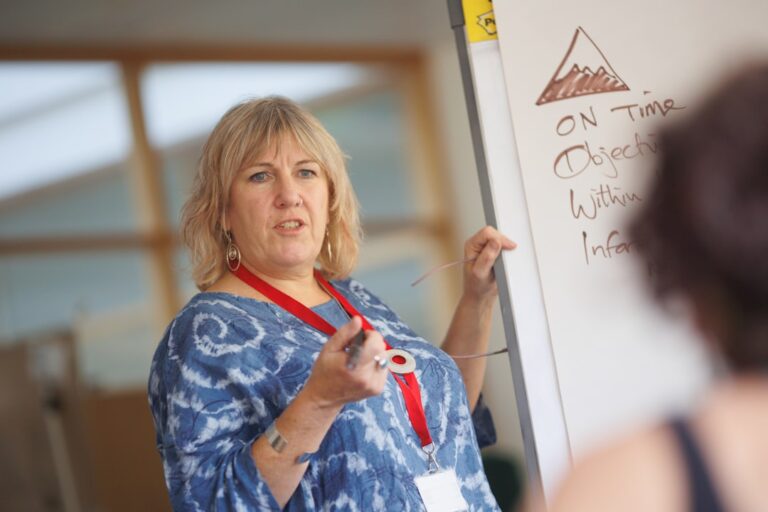
學習英語語法需要持續練習 (Learning English grammar requires continuous practice)

2. 冠詞的誤用 (Article Misuse)
錯誤範例: “I go to school by the bus.”
正確句子: “I go to school by bus.”
中文沒有冠詞系統,所以a、an、the的使用對台灣學生來說特別困難 (Chinese doesn’t have an article system, so the use of a, an, and the is particularly difficult for Taiwanese students)。固定搭配如”by bus”、”on foot”不需要冠詞 (Fixed collocations like “by bus” and “on foot” don’t need articles)。
3. 介系詞錯誤 (Preposition Errors)
錯誤範例: “Wait me a second.”
正確句子: “Wait for me a second.”
這是直接翻譯中文「等我一下」造成的錯誤 (This is an error caused by directly translating the Chinese “等我一下”)。當wait有受詞時,必須使用介系詞for (When wait has an object, you must use the preposition for)。
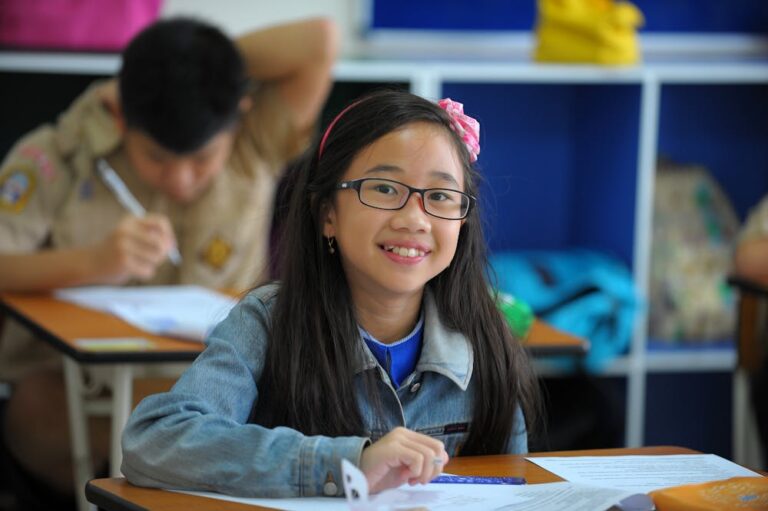
寫作練習是改正文法錯誤的最佳方法 (Writing practice is the best way to correct grammar mistakes)




 한국어
한국어  English
  繁體中文
繁體中文  日本語
日本語  ไทย
ไทย  Bahasa Indonesia
  Tiếng Việt
  Français