
Onomatopoeia: 50+ English Sound Words Taiwan Learners Need (2026) | 英文狀聲詞完整指南
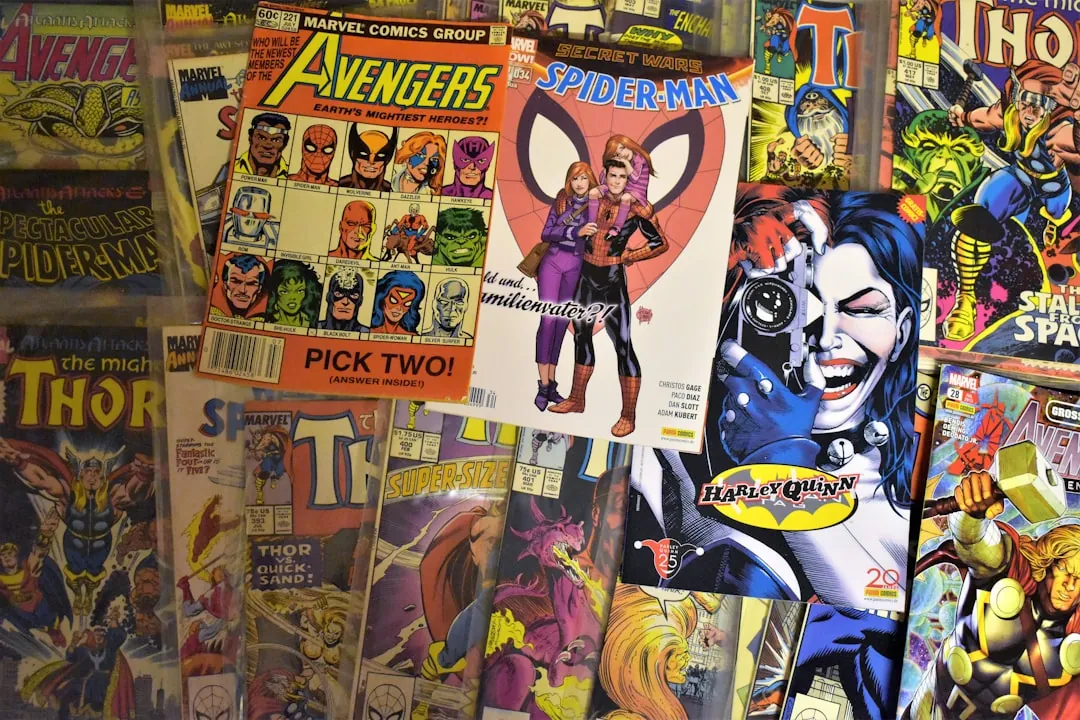
English speakers use roughly 200 onomatopoeia words in regular conversation, and comic books alone have standardized hundreds more — POW, BAM, KABOOM — into a visual vocabulary that Taiwanese readers usually recognize before they can explain why. That’s the strange thing about onomatopoeia: it’s the one part of English vocabulary that sneaks in through sound first and meaning second. Once you notice the pattern, entire categories of English words start to click into place.

Buzz is one of the clearest onomatopoeia words — it sounds exactly like what it means.
什麼是狀聲詞?(What Is Onomatopoeia?)
Onomatopoeia is a word whose pronunciation imitates the sound of the thing it names. Meow is what English speakers decided a cat’s sound looks like in writing; woof is a dog’s bark. Every language invents its own version, and they rarely match — a rooster says cock-a-doodle-doo in English but 咕咕咕 (gū gū gū) in Mandarin, even though roosters everywhere make the same actual sound. That mismatch is proof the words are cultural conventions, not literal recordings — useful to remember before you assume an English sound word will translate directly from Chinese.
Linguists split onomatopoeia into a few working categories: animal sounds (moo, quack, roar), human sounds (giggle, sniff, gulp), nature and impact sounds (splash, crackle, boom), and mechanical sounds (click, honk, buzz). Comic-book “sound effect” words — POW, BAM, CRASH — are really just onomatopoeia formatted in capital letters for visual punch.
四大類狀聲詞 (The 4 Main Categories, with Examples)
| 類別 (Category) | 例子 (Examples) |
|---|---|
| 動物 Animal sounds | moo, oink, quack, meow, roar, hiss, chirp, neigh |
| 人類 Human sounds | giggle, sniff, gulp, mumble, whisper, cough, sigh |
| 自然/撞擊 Nature & impact | splash, crackle, boom, thud, rustle, drip, sizzle |
| 機械 Mechanical | click, honk, buzz, ding, beep, clank, whirr |

Splash, drip, and patter are all nature-sound onomatopoeia words used to describe rain.
拼字藏著聲音的線索 (Spelling Patterns That Hint at the Sound)
Here’s the part most vocabulary lists skip: English onomatopoeia isn’t random. Certain letter combinations consistently signal certain kinds of sound, and once you notice them, you can guess the meaning of a brand-new onomatopoeia word the first time you read it.
Short, sharp sounds often end in a hard consonant cluster: crack, snap, click, pop. Long or continuous sounds tend to use -ing or drawn-out vowels: buzzing, humming, ringing, hissing. Sudden impact frequently uses -ash or -ash/-ush endings: crash, smash, splash, bash all describe something hitting something else hard. Notice how differently crash (violent, one-time) and hum (soft, continuous) are built — the spelling itself is doing work that a dictionary definition would take a full sentence to explain.
Crash, smash, and bash share the same -ash sound pattern for sudden impact.
漫畫與廣告中的狀聲詞 (Onomatopoeia in Comics and Advertising)
American and Taiwanese comics both lean hard on sound-effect words, but English formats them differently — always capitalized, often stretched across the panel in bold type: BOOM, CRASH, POW, ZAP, KABOOM. These aren’t casual spelling; comic artists deliberately exaggerate the letters (extra O’s in BOOOOM, extra exclamation points) to stretch the sound visually the way a longer spoken sound would stretch in real life.
Advertising borrows the same trick for brand names and slogans — cereal brands built entirely around onomatopoeia (Snap, Crackle, and Pop for Rice Krispies is the textbook case), because a sound word is instantly memorable in a way an abstract adjective never is. If you notice a brand name that “sounds like” its product, there’s a good chance a copywriter chose it for exactly that reason.
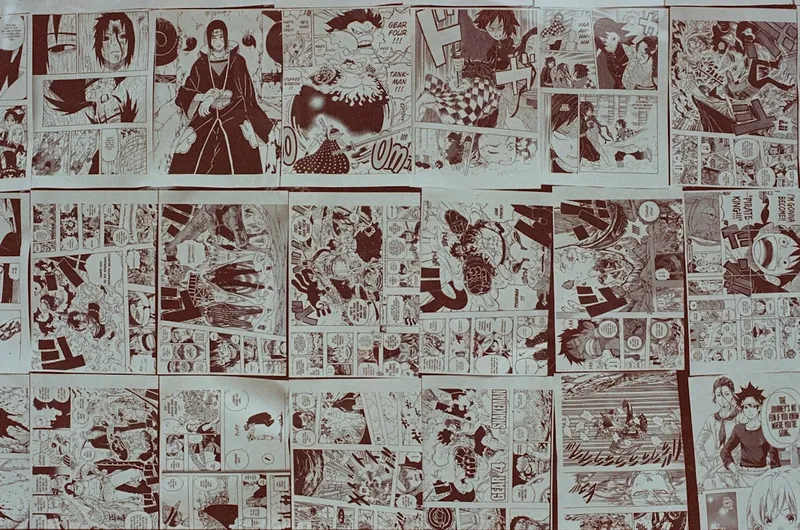
Comic sound effects are onomatopoeia stretched and capitalized for visual impact.
英文 vs 中文狀聲詞:不能直接翻譯 (English vs. Chinese Onomatopoeia — Why You Can’t Translate Directly)
This is where Taiwanese learners get tripped up most: onomatopoeia feels like it should be universal since it’s “just sound,” but every language invents its own spelling for the same real-world noise. Mandarin’s rich set of reduplicated sound words — 嘩啦嘩啦 (rushing water), 轟隆隆 (rumbling thunder), 叮叮噹噹 (jingling) — don’t map onto single English words. English usually needs a full sentence to capture what Mandarin compresses into a four-character sound phrase.
The safest approach: learn English onomatopoeia as their own vocabulary items, the same way you’d learn any other word, rather than searching for a one-to-one Chinese translation. When a direct translation doesn’t exist, that’s not a gap in your English — it’s just how onomatopoeia works across languages. English speakers face the identical problem trying to learn Mandarin’s sound words in reverse.
疊字狀聲詞:tick-tock, ding-dong (Reduplicated Onomatopoeia)
English has its own version of the reduplication pattern that makes Mandarin sound words so distinctive. Tick-tock (a clock), ding-dong (a doorbell), pitter-patter (light rain or small footsteps), and knock-knock all repeat a syllable with a small vowel shift, mimicking a sound that naturally happens twice or in a steady rhythm. This is the same instinct behind Mandarin’s 叮叮噹噹 or 滴滴答答 — languages independently invent repetition to represent repeating sounds, which is a small but satisfying proof that onomatopoeia isn’t arbitrary.
The vowel shift matters: English almost always changes the vowel on the second repeat rather than copying it exactly — tick-TOCK, not tick-tick; ding-DONG, not ding-ding. Linguists call this “ablaut reduplication,” and it follows a near-universal rule across languages: the vowel order always goes high-to-low (i, then a or o) — which is why “tick-tock” sounds natural but “tock-tick” would sound backward to a native ear, even though nobody ever taught you the rule directly.
10 個最實用的狀聲詞 (10 Onomatopoeia Words Worth Knowing First)
- buzz — the sound of a bee or a phone vibrating
- splash — water hitting a surface
- crash — a sudden loud collision
- whisper — speaking very quietly
- click — a short, sharp mechanical sound
- sizzle — food cooking in hot oil
- giggle — light, quick laughter
- growl — a low, threatening animal sound
- ding — a small bell or notification sound
- rustle — leaves or paper moving softly
Sound words stick faster when you say them out loud instead of just reading them silently.
台灣學生最常犯的錯誤 (Common Mistakes Taiwanese Learners Make)
Onomatopoeia looks easy because it’s “just sound,” but learners still stumble in predictable ways.
- Assuming direct translation exists. Not every Chinese sound word has an English equivalent — some need a descriptive phrase instead of a single word.
- Overusing them in formal writing. Boom and splash belong in casual speech, comics, and creative writing — not in a business email or academic essay.
- Mispronouncing the vowel sound. Meow is not pronounced like the Chinese 喵 exactly — the English vowel glide is different, and it’s worth hearing a native speaker say it once.
- Forgetting they can become verbs. Buzz, splash, and click all function as regular verbs too: “My phone buzzed,” “She splashed water on her face.”
For more examples spoken aloud with context, this video breaks down common English onomatopoeia used in everyday conversation:

Boom and rumble both describe thunder, but rumble stretches the sound out longer.
快速自我測驗 (Quick Self-Test)
Match the sound to the word. Cover the answers first.
- A bee flying near your ear → buzz
- Water hitting the ground from a big splash → splash
- A door closing hard → slam or bang
- Bacon cooking in a pan → sizzle
- Someone laughing quietly → giggle
If all five landed, you’ve already got the core vocabulary that most learners pick up only after years of watching English cartoons and reading comics — you just did it in five minutes with the pattern spelled out.
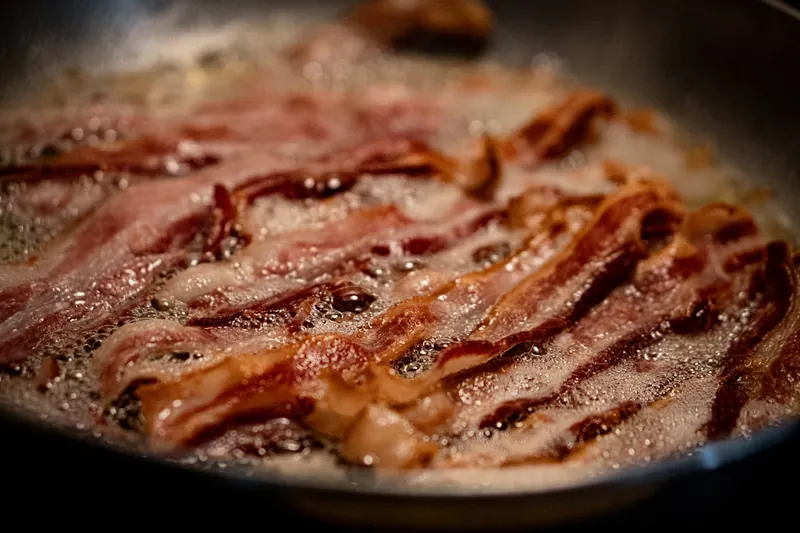
Sizzle is one of the most recognizable food-related onomatopoeia words.
從聲音開始,記住整個單字家族 (Use Sound as Your Memory Hook)
Onomatopoeia is one of the few corners of English vocabulary where the spelling gives you the meaning for free — you don’t need a dictionary if you just say the word out loud and listen to what it does. Use that shortcut deliberately: when you meet a new sound word, read it aloud twice before you check the definition. More often than not, you’ll already know what it means.
Sound words are a fun entry point, but they sit inside the bigger project of building real vocabulary instead of memorizing isolated lists. The same “notice the pattern” approach works for word roots and prefixes, and if slang and casual expressions like these interest you, American slang essentials covers the next layer of everyday, unwritten English.
Sources
- Merriam-Webster — Onomatopoeia — dictionary definition and word origin.
- BBC Bitesize — What Is Onomatopoeia? — categories and classroom examples of sound words.
- Reader’s Digest — 50 Examples of Onomatopoeia — extended example list across categories.




 English
  繁體中文
繁體中文  日本語
日本語  한국어
한국어  ไทย
ไทย  Bahasa Indonesia
  Tiếng Việt
  Français