
Đường sắt cao tốc tiên tiến của Đài Loan
Đoạn văn đọc
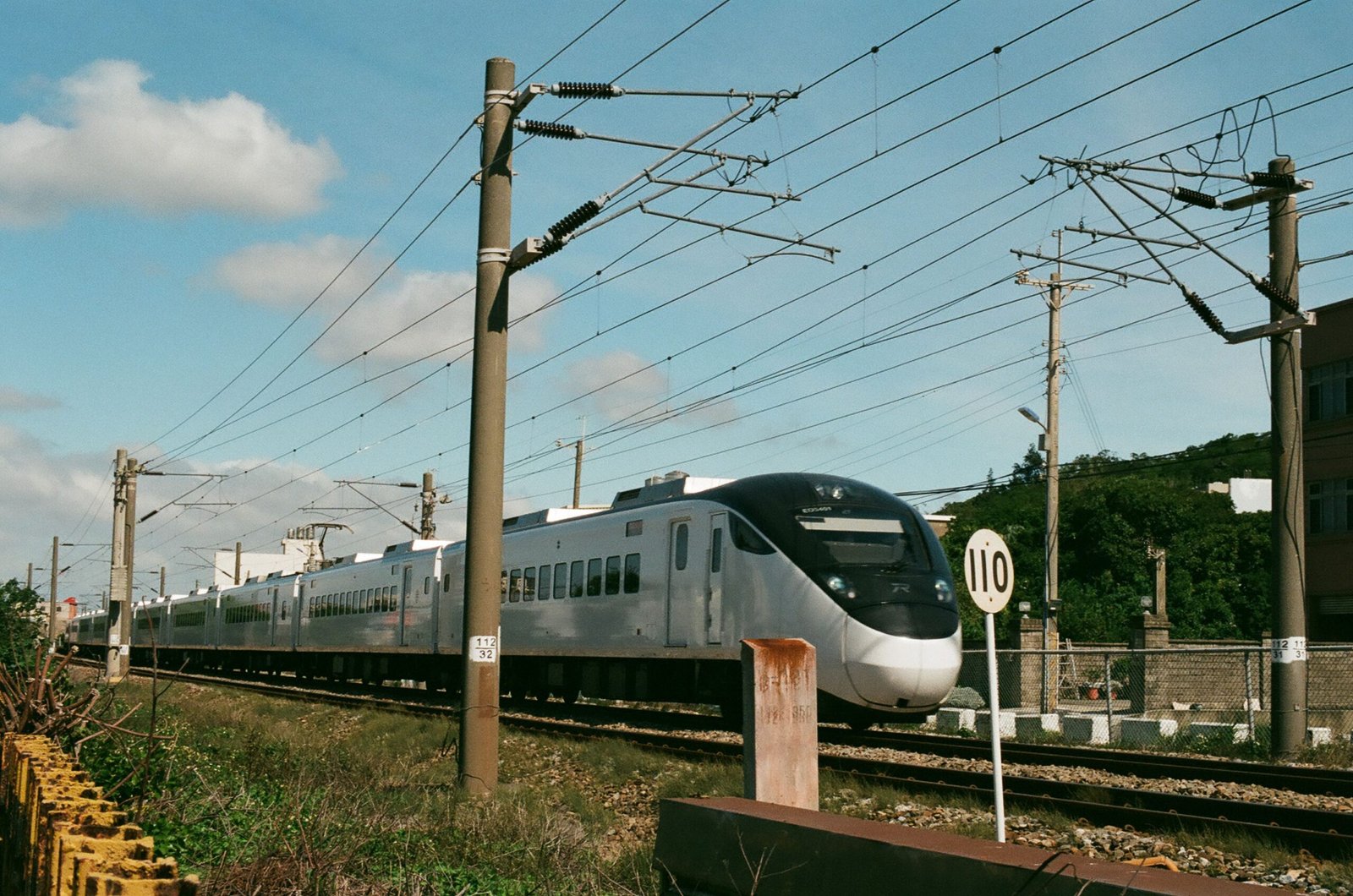
Đường sắt cao tốc Đài Loan, hay còn gọi là HSR, là một trong những hệ thống đường sắt nhanh nhất và hiện đại nhất. có hiệu quả Hệ thống đường sắt ở châu Á. Các đoàn tàu di chuyển với tốc độ lên tới 300 km/giờ, khiến chúng cực kỳ nhanh. Toàn bộ hệ thống được khánh thành vào năm 2007 sau nhiều năm lập kế hoạch và xây dựng cẩn thận. Nó kết nối các thành phố lớn dọc theo bờ biển phía tây Đài Loan. hành lang Từ Đài Bắc ở phía bắc đến Cao Hùng ở phía nam. Hành trình từng mất hơn bốn tiếng bằng tàu hỏa thông thường nay chỉ còn chín mươi phút.
Đường sắt cao tốc HSR sử dụng công nghệ tàu cao tốc tiên tiến của Nhật Bản. công nghệ Được gọi là Shinkansen, nổi tiếng về độ an toàn và tốc độ. Các đoàn tàu có thiết kế hiện đại và đẹp mắt. khí động học, Được thiết kế để xé gió với lực cản tối thiểu. Mỗi đoàn tàu có mười hai toa và có thể chở hơn một nghìn người. hành khách Trong một chuyến đi duy nhất, ghế ngồi thoải mái với chỗ để chân rộng rãi, và chuyến đi cực kỳ êm ái và yên tĩnh. Khách du lịch công tác đặc biệt yêu thích HSR vì họ có thể làm việc trên máy tính xách tay trong suốt hành trình.

An toàn là trên hết sự ưu tiên Đối với hệ thống đường sắt cao tốc Đài Loan. Trong suốt những năm hoạt động, chưa từng có một tai nạn chết người nào xảy ra. Các đoàn tàu được trang bị hệ thống đặc biệt tự động giảm tốc độ khi xảy ra động đất. Các kỹ sư màn hình Đường ray được trang bị hệ thống máy tính và cảm biến tiên tiến, hoạt động liên tục. Trong các cơn bão, tàu có thể tạm ngừng hoạt động để đảm bảo an toàn cho mọi người. Hồ sơ an toàn xuất sắc này giúp hành khách cảm thấy tự tin khi đi lại trên đường sắt cao tốc.
Việc mua vé tàu cao tốc rất dễ dàng. thuận lợi và dễ dàng cho du khách. Mọi người có thể mua vé trực tuyến, qua ứng dụng di động hoặc tại các ki-ốt ở nhà ga. Có nhiều hạng dịch vụ khác nhau, bao gồm ghế hạng phổ thông và hạng thương gia. Nhiều du khách mua các loại vé đặc biệt cho phép... không giới hạn Các chuyến đi kéo dài vài ngày. Các nhà ga hiện đại và sạch sẽ với nhà hàng, cửa hàng và dịch vụ tuyệt vời. cơ sở Dành cho hành khách đang chờ.
Đường sắt cao tốc đã thay đổi cách sống và làm việc của người dân Đài Loan. Nhiều người hiện sống ở các thành phố nhỏ hơn nhưng làm việc tại Đài Bắc vì thời gian đi lại rất nhanh. Điều này đã giúp giảm bớt tình trạng quá tải ở thủ đô và thúc đẩy tăng trưởng kinh tế. Đường sắt cao tốc cũng giúp giảm ô nhiễm vì ít người lái xe ô tô giữa các thành phố. Đường sắt cao tốc của Đài Loan cho thấy giao thông hiện đại có thể cải thiện cuộc sống của người dân như thế nào.
Mức độ: Cấp độ F
A. Ghép từ vựng
Hãy ghép mỗi từ với định nghĩa tương ứng của nó.
1. có hiệu quả ______
2. hành lang ______
3. công nghệ ______
4. khí động học ______
5. hành khách ______
6. sự ưu tiên ______
7. màn hình ______
8. thuận lợi ______
9. không giới hạn ______
10. cơ sở ______
a. Làm việc hiệu quả mà không lãng phí nguồn lực
b. Kiến thức khoa học được ứng dụng thực tiễn
c. Được thiết kế để dễ dàng di chuyển trong không khí
d. điều quan trọng nhất
e. theo dõi và kiểm tra cẩn thận
f. dễ sử dụng và phù hợp
g. các tòa nhà hoặc thiết bị phục vụ cho các hoạt động
h. không có bất kỳ giới hạn hoặc ràng buộc nào
i. những người đang di chuyển trên một phương tiện giao thông
j. một lối đi hoặc tuyến đường dài và hẹp
B. Đúng hay Sai
Hãy viết T (Đúng) hoặc F (Sai) cho mỗi câu.
- Tàu cao tốc chạy với tốc độ 300 km/giờ. ______
- Hệ thống này được khai trương vào năm 2010. ______
- Các đoàn tàu sử dụng công nghệ của Mỹ. ______
- Mỗi đoàn tàu có mười hai toa. ______
- Chưa từng có tai nạn chết người nào liên quan đến đường sắt cao tốc. ______
- Tàu hỏa vẫn hoạt động bình thường trong thời gian có bão. ______
- Vé có thể được mua thông qua ứng dụng di động. ______
- Hành trình từ Đài Bắc đến Cao Hùng mất 4 tiếng. ______
- Đường sắt cao tốc giúp giảm ô nhiễm không khí. ______

C. Điền vào chỗ trống
Ngân hàng từ vựng: hiệu quả | công nghệ | khí động học | hành khách | ưu tiên | thuận tiện | tiện ích
- Hệ thống đường sắt cao tốc Đài Loan là một trong những hệ thống đường sắt tiên tiến nhất ở châu Á.
- Các đoàn tàu sử dụng công nghệ tàu cao tốc tiên tiến của Nhật Bản _______________ để đảm bảo an toàn và tốc độ.
- Thiết kế kiểu dáng đẹp, _______________ giúp các đoàn tàu di chuyển nhanh chóng trong không trung.
- Mỗi chuyến tàu có thể chở hơn một nghìn _______________ trong một chuyến đi.
- An toàn là ưu tiên hàng đầu của hệ thống đường sắt cao tốc.
D. Câu hỏi hiểu bài
- Tốc độ tối đa của tàu cao tốc Đài Loan là bao nhiêu?
- Mất bao lâu để đi từ Đài Bắc đến Cao Hùng bằng tàu cao tốc?
- Công nghệ của quốc gia nào được sử dụng trong dự án đường sắt cao tốc này?
- Điều gì xảy ra với các đoàn tàu trong trận động đất?
- Đường sắt cao tốc đã thay đổi nơi mọi người sinh sống và làm việc như thế nào?

E. Câu hỏi thảo luận
Hãy thảo luận những câu hỏi này với bạn cùng nhóm hoặc viết câu trả lời của bạn.
- Bạn thích đi tàu cao tốc hay máy bay hơn? Tại sao?
- Nước bạn có tàu cao tốc không? Bạn có muốn đi tàu cao tốc không?
- Bạn nghĩ tàu cao tốc có thể giúp ích gì cho môi trường?
📝 Nhấp chuột để xem đáp án
Kiểm tra đáp án của bạn bên dưới.
A. Từ vựng: 1-a, 2-j, 3-b, 4-c, 5-i, 6-d, 7-e, 8-f, 9-h, 10-g
B. Đúng/Sai: 1-T, 2-F, 3-F, 4-T, 5-T, 6-F, 7-T, 8-F, 9-T
C. Điền vào chỗ trống: 1-hiệu quả, 2-công nghệ, 3-khí động học, 4-hành khách, 5-ưu tiên
D. Khả năng hiểu: 1. Tốc độ lên đến 300 km/giờ; 2. Chỉ 90 phút; 3. Thuộc Nhật Bản (Tàu cao tốc Shinkansen); 4. Tự động giảm tốc; 5. Người ta có thể sống ở các thành phố nhỏ hơn nhưng làm việc ở Đài Bắc vì thời gian đi lại nhanh chóng.
Xem toàn bộ bộ sưu tập của chúng tôi các bài tập và tài liệu học tập tiếng Anh cho người học ESL miễn phí Bao gồm văn hóa Đài Loan, khoa học, lịch sử thế giới và nhiều hơn nữa.



 Tiếng Việt
  English
  繁體中文
繁體中文  日本語
日本語  한국어
한국어  ไทย
ไทย  Bahasa Indonesia
  Français