Restaurant English: 40 Phrases Taiwan Travelers Need (2026) | 餐廳英文必備句型
餐廳英文 is the single biggest confidence killer for Taiwan travelers abroad. You can read English novels and pass TOEIC 800+, but the second a waiter asks “Still or sparkling?” the brain freezes. This guide walks through 40 restaurant English phrases you actually need — from booking the table to paying the bill — grouped by the order a real meal unfolds (訂位 → 入座 → 點餐 → 結帳).
The fastest way to sound natural in an English-speaking restaurant is not to memorize vocabulary lists. It is to learn the 5 to 6 phrases that cover 80% of each scenario, then practice them until they are automatic. Everything below is shaped around that principle.
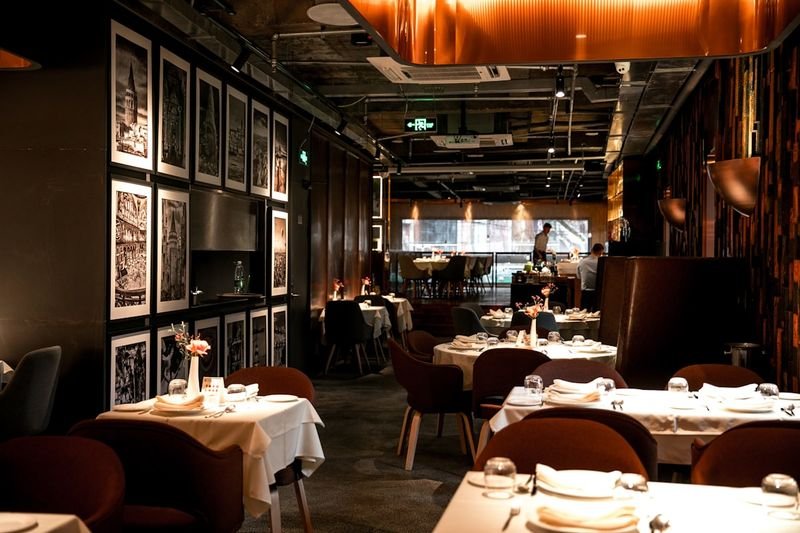
訂位英文|How to Make a Reservation in English (6 Phrases)
Booking a table is usually the first English moment of the entire trip — and it sets the tone. Most Taiwan diners over-translate 訂位 as “I want to book a table,” which works but lands stiff. The natural phrasing is “I’d like to make a reservation.”
- I’d like to make a reservation for two at 7 p.m.|我要訂位,兩位,晚上七點。
- Do you have a table for four this Friday?|這週五有沒有四人桌?
- What’s the wait time tonight?|今晚要等多久?
- Can I book a table by the window?|可以訂窗邊的位置嗎?
- I’d like to confirm my reservation under the name Chen.|我想確認訂位,姓陳。
- Is there a dress code?|有服裝規定嗎?
One detail Taiwan diners often miss: high-end restaurants in the US, UK and Australia ask for a credit card to hold the reservation, and they will charge a no-show fee — typically $25–50 USD per person. Always ask “Will I be charged if I cancel?” before giving the number.
入座英文|Arriving and Being Seated (5 Phrases)
The host or hostess will greet you at the door — that 30-second exchange is where most Taiwan travelers freeze. Memorize one opener and one follow-up, and the rest is easy.
- I have a reservation under Chen, party of two.|我有訂位,姓陳,兩位。
- Two for dinner, please.|兩位用餐,謝謝。
- Could we have a quieter table?|可以安排比較安靜的位置嗎?
- Could we sit by the window?|可以坐窗邊嗎?
- We’re still waiting for one more person.|還有一位朋友還沒到。
“Party of two” is the phrase to drill. Americans use it constantly — it means “group of two.” Saying “two people” works but sounds textbook. “Party of two” sounds local.
菜單英文|Reading the Menu (7 Phrases & Terms)
The menu is where 餐廳英文 gets dense. A typical Western menu lists items in courses, and each course has its own vocabulary. Skim the structure before you panic-read the dishes.
Common menu terms you will see on every English menu:
- Appetizer / Starter|開胃菜 — small first course
- Món chính|主菜 — confusingly means “main course” in US, “starter” in France
- Side / Side dish|配菜 — small portion that comes with the main
- Today’s special|今日特餐 — usually the freshest, ask for it
- Comes with|附餐 — what is included in the price
- Market price (MP)|時價 — usually seafood, ask before ordering
- Prix fixe|套餐 — fixed-price set menu, often best value
Two phrases to keep in your back pocket:
- May I see the menu, please?|可以看一下菜單嗎?
- Do you have an English menu?|有英文菜單嗎?
點餐英文|Ordering Food (8 Phrases)
Point at the menu if you have to. No server will judge you for it. But if you want to sound smooth, the formula is “I’ll have the [dish], please” or “I’d like to start with the [appetizer]” — and you are 80% of the way there.
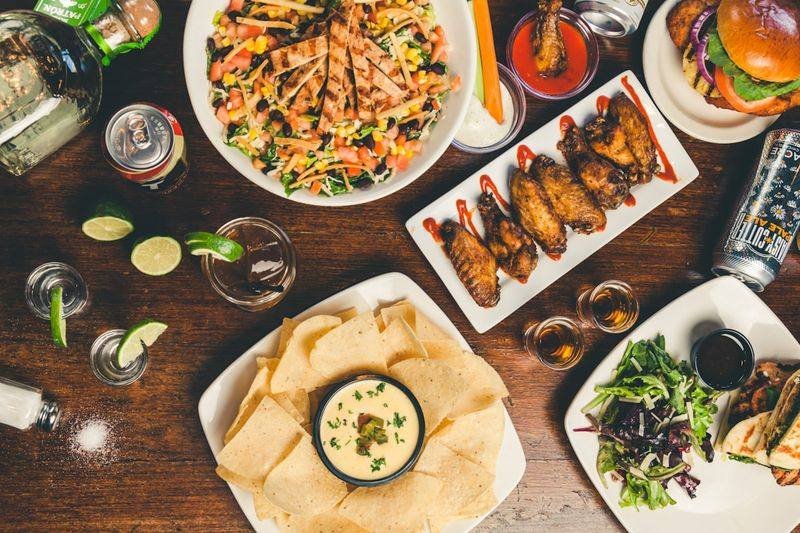
- I’ll have the steak, medium rare.|我要牛排,五分熟。
- I’d like to start with the Caesar salad.|我先點凱薩沙拉。
- Could I get the pasta without mushrooms?|義大利麵可以不加蘑菇嗎?
- I’ll have the same.|我點一樣的。
- That sounds good, I’ll try it.|聽起來不錯,我試試看。
- How spicy is this dish?|這道菜有多辣?
- What do you recommend?|你推薦什麼?
- I’ll take a glass of house red.|我來一杯招牌紅酒。
“I want” sounds rude to native English ears. It is grammatically fine, but socially it lands like 我要 said sharply. “I’ll have” and “I’d like” are the polite default. Drill these two into muscle memory and skip the rest.
服務生英文|Talking to Your Server (5 Phrases)
How do you call a waiter without yelling 服務員! across the dining room? You don’t. Catch their eye, raise a hand slightly, and wait. When they approach, open with “Excuse me” — that one phrase covers everything.
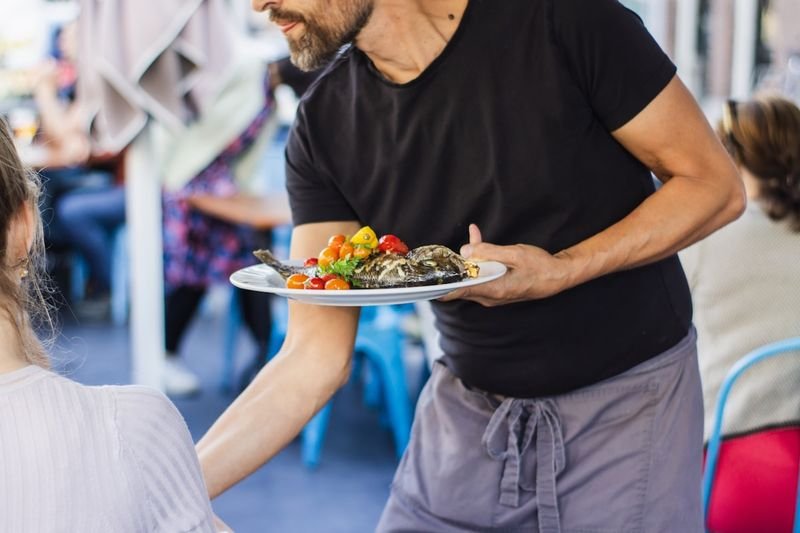
- Excuse me, could you bring us some napkins?|不好意思,可以給我們一些餐巾嗎?
- We need a few more minutes.|我們再看一下菜單。
- Could we have some water, please?|可以給我們水嗎?
- This isn’t what I ordered.|這不是我點的。
- Could we have some bread to start?|可以先給我們一些麵包嗎?
In the US, water is usually free and tap water arrives automatically. In Europe, the server will ask “Still or sparkling?” — that means bottled, and there is a charge. If you want free tap, say “Just tap water, please.” This one phrase saves several euros every meal.
特殊要求英文|Special Requests and Dietary Needs (5 Phrases)
Allergies and dietary restrictions are taken seriously in English-speaking kitchens — far more than in Taiwan. State the allergy clearly and the kitchen will rework the dish or recommend an alternative. Hedging with 應該不會吧 will get you nowhere; be direct.
- I’m allergic to peanuts.|我對花生過敏。
- Is this dish vegetarian?|這道菜是素食嗎?
- Could you make it less spicy?|可以做得不那麼辣嗎?
- I’d prefer it well done.|我要全熟。
- Does this contain dairy or gluten?|這個含奶製品或麩質嗎?
Steak doneness terms in English are precise — they mean specific temperatures, not vibes. Hiếm (一分熟) is red center, medium rare (三至五分熟) is warm pink, medium (七分熟) is pink center, medium well (八分熟) is mostly brown, well done (全熟) is fully brown. Most Western chefs recommend medium rare for ribeye and sirloin; well done dries the meat out.
結帳英文|Asking for the Bill and Tipping (5 Phrases)
This is where Taiwan diners trip up the most. 結帳 does not translate to “settle the bill” — that sounds like a Bond villain. Native English speakers say “Could we get the check?” (American) or “Could we have the bill?” (British). Pick one and use it.
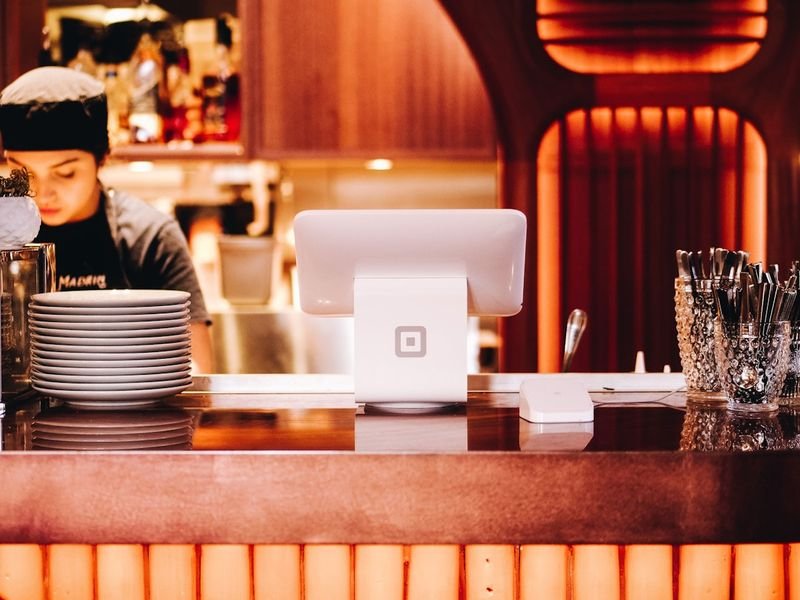
- Could we get the check, please?|可以結帳嗎?
- Is service included?|服務費含了嗎?
- Could we split the bill?|我們可以分開結嗎?
- Can I pay by card?|可以刷卡嗎?
- Keep the change.|不用找了。
Tipping is not optional in the US. Servers earn as little as $2.13/hour in some states and rely on tips for their actual income. The standard is 18–20% on the pre-tax total — 15% only if service was poor. In the UK and Australia, 10–12.5% is normal and often added automatically as “service charge.” Always check the bill before adding extra. The US Department of Labor publishes the official tipped minimum wage rates if you want the legal background here.
投訴英文|Polite Complaints When Something Goes Wrong (4 Phrases)
What if the food is cold, the bill is wrong, or the wait drags? Western dining culture rewards calm, specific complaints. Yelling gets you nothing. The magic structure is “Excuse me” + describe the problem + what you’d like instead.
- Excuse me, our order is taking a while.|不好意思,我們的餐等很久了。
- This isn’t quite what I expected — could I see the menu again?|這個跟我想的不一樣,可以再給我看一下菜單嗎?
- Could I exchange this for the chicken instead?|可以換成雞肉嗎?
- I think there’s a mistake on the bill.|帳單可能有點問題。
3 Restaurant English Mistakes Taiwan Diners Make
The truth is, most Taiwan diners abroad lose confidence not because of vocabulary, but because of three habits that bleed through from Chinese.
Mistake 1: Saying “I want” instead of “I’d like.” Direct-translating 我要 makes you sound demanding. Replace every “I want” with “I’d like” or “I’ll have” and you immediately sound 10x more natural.
Mistake 2: Translating 結帳 word-for-word. “Settle the bill” is technically English but no native speaker says it in a restaurant. “Check, please” (US) or “The bill, please” (UK) is what every server hears 100 times a night.
Mistake 3: Skipping the tip. In Taiwan service is included or absent. In the US, NOT tipping is read as a deliberate insult. If service was acceptable, tip 18%. If exceptional, tip 22%. Below 15% only when service was genuinely bad.
Watch and Practice — VibeEnglish Restaurant Drill
Shadow this VibeEnglish drill — it walks through being seated, ordering, and paying in real-time, with both English and Chinese subtitles. Pause after each phrase and repeat aloud until the rhythm feels natural.
One Phrase to Remember Above All
Forget the rest if you have to. Memorize this one: “Could I get the check, please?” Every English-speaking server on the planet understands it, and it carries you to the door no matter how the rest of the meal went. After that, practice the 5 phrases that fit your most common scenario — for most Taiwan travelers, that is ordering and paying — and let the rest accumulate over a few trips.
For the small talk that happens between courses (and the awkward silences while waiting for the check), see our guide to small talk English phrases. If you are heading abroad and want a wider scenario sweep covering airports, clinics and IT help desks too, the scenario English phrasebook bundles them all. For food-specific vocabulary built around real-world clusters, the travel and food vocabulary clusters guide is the next step.
Nguồn
- US Department of Labor — Minimum Wages for Tipped Employees — Federal and state tipped minimum wage rates, the legal basis for tipping expectations in the US.
- Cambridge Dictionary — “reservation” — Authoritative definition and example sentences for restaurant reservation usage.
- USDA — Food and Nutrition — Reference on dietary labeling, allergens and steak doneness temperatures.
Looking for free ESL worksheets for your classroom? Browse our free worksheet library →
Are you a teacher? Find lesson resources and worksheets at TahricTeaches.com.


 Tiếng Việt
  English
  繁體中文
繁體中文  日本語
日本語  한국어
한국어  ไทย
ไทย  Bahasa Indonesia
  Français