

簡報英文 (Presentation English) | 15 Essential Phrases
簡報英文該怎麼說?想在台灣職場自信上台,你需要三件事:一套可靠的開場句型、清楚的中段過渡語、以及能從容收尾的結尾與問答句。這篇簡報英文指南把 15 個商業場合最常用的句子,按簡報流程拆解,加上圖表描述、問答應對、台灣人最常犯的錯誤,讓你下次面對外籍客戶或總部主管時不再卡關。
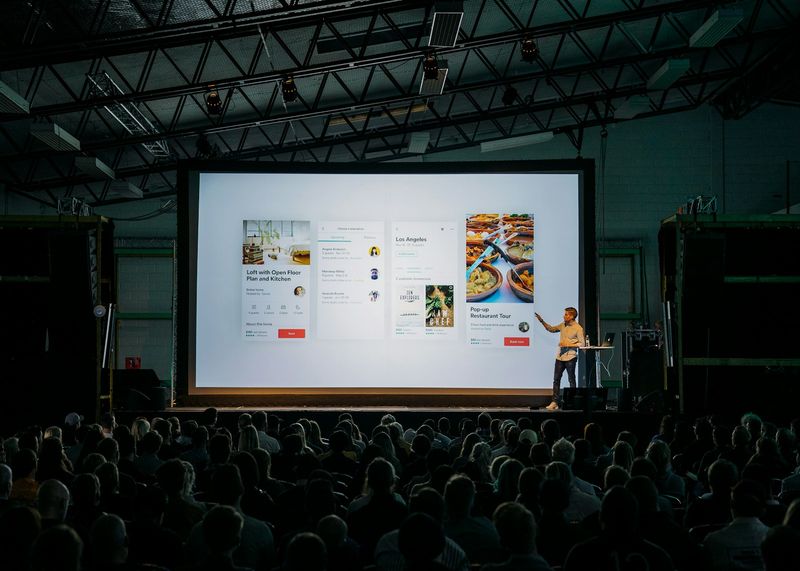
一個清楚的簡報英文開場,決定聽眾前 30 秒會不會放下手機專心聽你講。
為什麼簡報英文對台灣職場這麼重要?(Why Presentation English Matters)
在台灣外商、科技業、行銷與顧問業,能用英文做一場 15 分鐘的專業簡報,幾乎已經是升遷的門檻。根據 EF 英語能力指標(English Proficiency Index),台灣成人英語整體屬於「中等」水準,但在職場簡報情境裡,真正會卡住我們的往往不是文法,而是簡報英文的固定句型(set phrases)。
這些句型就像樂高積木:一旦你背熟 15 組,就能用它們拼出幾乎任何主題的簡報架構。本文的重點就是把這些積木一次備齊,並告訴你「哪一塊」放在「哪一段」。
英文簡報開場白:5 個必備句型 (5 Opening Phrases)
好的簡報英文開場白要在 30 秒內完成三件事:問候、自我介紹、告訴聽眾今天要講什麼。下面 5 句涵蓋所有正式商業情境。
- “Good morning, everyone. Thank you all for being here today.”(各位早安,謝謝大家今天出席。)— 這是最安全的開場,美國、英國、東南亞客戶都適用。
- “Let me briefly introduce myself. My name is Alice Chen, and I’m the Marketing Manager at ABC Technology.”(讓我簡單自我介紹。我是 ABC 科技的行銷經理 Alice Chen。)— 對不熟悉你的聽眾,一定要說公司+職稱。
- “Today, I’d like to talk to you about our Q2 sales performance.”(今天我想跟各位談談我們第二季的業績表現。)— 這句是整場簡報英文的「論文題目」,越具體越好。
- “My presentation will take about 20 minutes, and I’ll be happy to answer your questions at the end.”(我的簡報大約 20 分鐘,結束後很樂意回答各位的問題。)— 告知時長,讓聽眾設定期待。
- “Please feel free to interrupt if anything is unclear.”(如果有不清楚的地方,歡迎隨時打斷我。)— 這句顯得你自信又親切,外籍聽眾特別欣賞。
如果你還沒掌握基礎的自我介紹,可以先複習我們整理的英文自我介紹完整指南,把這塊打穩再上簡報台。

過渡句讓你的簡報英文像河流一樣順暢,不會讓聽眾迷路。
英文簡報過渡句:4 個讓聽眾不迷路的說法 (Transition Phrases)
簡報最怕「段落之間跳來跳去」。英文裡我們叫這些連接句 signposting phrases,功能就像導航路標。這幾句在商業簡報英文裡出現頻率最高:
- “Let’s move on to my next point.”(讓我們進入下一個重點。)— 萬用過渡句,沒有比這更安全的選擇。
- “I’d like to draw your attention to this chart.”(我想請各位注意這張圖。)— 準備切到視覺資料時的經典句。
- “This brings us to the second part of my presentation, which is our marketing strategy.”(這讓我們進入簡報的第二部分:行銷策略。)— 把「已講的」和「要講的」串起來,結構感十足。
- “Như tôi đã đề cập trước đó…”(如同我先前提到的⋯⋯)— 想回扣前面某個論點時用,讓聽眾感覺你整場都有連貫的邏輯主線。
這些句型和你在會議上引導發言的用法非常接近,值得和會議英文必備句一起背。
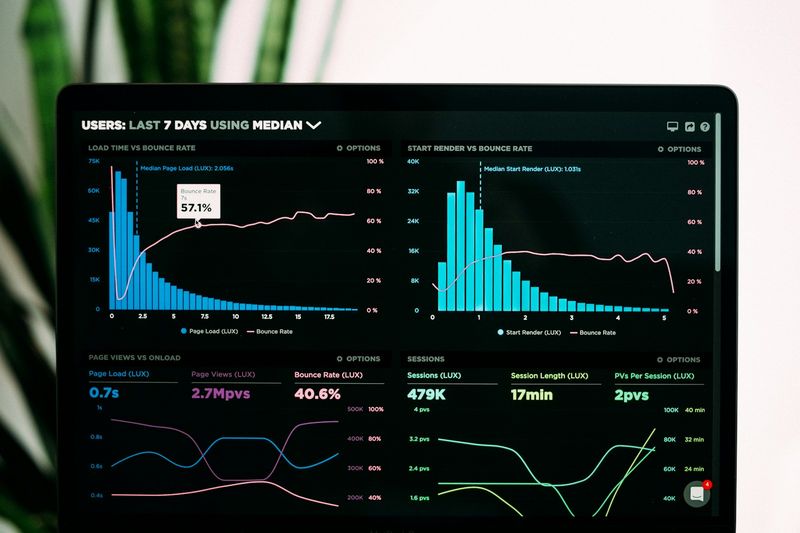
會描述圖表是商業簡報英文和一般口說英文最大的差別。
描述圖表的英文:簡報英文的核心 (Describing Charts and Graphs)
台灣人學的簡報英文常常漏掉一整塊——怎麼講圖表。這塊最能決定你聽起來是「唸稿」還是「專業」。記熟下面三個句型模板:
1. 介紹圖表類型 (Introducing the Chart)
“This bar chart / pie chart / line graph shows our revenue growth over the last three years.”(這張柱狀圖/圓餅圖/折線圖顯示我們過去三年的營收成長。)
2. 描述趨勢 (Describing Trends)
- 上升:“Sales rose sharply / increased steadily in Q3.”(第三季業績急升/穩定成長。)
- 下降:“Costs dropped by 12% / declined slightly.”(成本下降 12%/略為下滑。)
- 持平:“The numbers remained stable / leveled off in February.”(數字在二月維持穩定/趨於平穩。)
3. 解釋意義 (Interpreting the Data)
“What this tells us is that…” 或 “The key takeaway here is…” 是 native speaker 最愛用的句型。不是只把數字唸出來,而是告訴聽眾「這代表什麼」。例如:”The key takeaway here is that our Taiwan market has outperformed Southeast Asia by 18%.”(這裡的關鍵結論是,我們台灣市場表現比東南亞高出 18%。)

節奏、停頓、眼神接觸——這些是簡報英文影片裡學不到的細節。
英文簡報結尾:4 個專業收尾句 (Closing Phrases)
很多台灣講者到了結尾就慌,脫口而出 “OK, that’s all, thank you”。這樣太弱。好的簡報英文結尾要做兩件事:總結重點+自然邀請問答。
- “Before I finish, let me quickly recap the three main points.”(在結束之前,讓我快速回顧三個重點。)— 回顧比直接收尾更能加深記憶。
- “To sum up, our proposal addresses both cost reduction and customer retention.”(總結來說,我們的提案同時處理了成本下降與客戶留存。)— 用 To sum up,別再用 In conclusion(已被大量批改書視為老套)。
- “Thank you for your attention. I’d be happy to take any questions.”(感謝各位聆聽。我很樂意回答任何問題。)— Take questions 比 answer questions 更道地。
- “If you’d like to follow up, please feel free to email me at alice@abc.com.”(若想進一步討論,歡迎寫信給我。)— 給出下一步,讓簡報有延續價值。
這是一支在 Google 搜尋「presentation English」時常出現在前列的免費教學影片,把 40 個實用句型從頭到尾完整示範一次,非常適合搭配本文練習:

問答環節是簡報英文最難的一段,也是分出 B 級和 A 級講者的關鍵。
英文簡報問答:如何漂亮應對 Q&A (Handling Questions)
根據 Harvard Business Review 的研究,觀眾對簡報的印象有超過一半是在 Q&A 階段形成的。以下 2 個模板幫你 hold 住全場:
- 聽不清楚或需要思考時:“That’s a great question. Let me make sure I understand — are you asking about our Q3 forecast or our annual projection?”(這是個好問題。讓我確認一下——你是問第三季預測還是全年度預估?)— 爭取思考時間,同時顯得你重視對方。
- 不知道答案時:“I don’t have that data with me right now, but I’ll follow up with you by email this afternoon.”(我手邊沒有那筆資料,我今天下午用 email 跟你跟進。)— 絕對不要編造數字。承諾 follow up 是最安全、最專業的做法。
面對難纏問題的三步驟
- Acknowledge(承認對方的點):“That’s a fair concern.”
- Rephrase(重新詮釋):“What I hear you saying is that you’re worried about the timeline.”
- Respond(回應):“Here’s how we’re planning to address that…”
這三步驟和客服英文處理客訴的邏輯幾乎一樣——先 acknowledge,再解決。

實際簡報場地通常比想像中小、更安靜——這反而會放大你每個發音錯誤。
台灣人簡報英文最常犯的 5 個錯誤 (Common Mistakes)
這些錯誤不會出現在教科書裡,但我在台北外商教 ESL 十多年來反覆看到:
- 濫用 “um” 和 “you know”。這些是填空詞(filler words),英文聽眾會算。練習用「停頓」取代——沉默 1 秒聽起來比 “uhhh” 1 秒專業 10 倍。
- 把 “statistics” 發成 “sta-TIS-tics”,正確是 /stəˈtɪstɪks/。類似的還有 “data”(英式 /ˈdeɪtə/、美式 /ˈdætə/ 都可)、”economic” /ˌiːkəˈnɒmɪk/。
- 說 “I think maybe perhaps…”——三個不確定詞疊在一起,聽起來像你不相信自己的提案。選一個就好:改成 “In my view, …”。
- 中文思維直翻:”As we all know…”。英文聽眾會想:「既然大家都知道,你為什麼還要講?」改成 “Research shows…” 或直接進入重點。
- 最後一張投影片寫 “The End” 或 “Thank You”。專業的簡報英文最後一張會留 Q&A 提示、聯絡方式,或你最想讓對方記住的那句話。

錄影+回放是進步最快的簡報英文練習方式,沒有之一。
英文簡報如何練習:3 個高效方法 (Practice Methods)
句型背完只是起點,上台流不流暢靠練習。推薦以下三種方法,都有實證支持:
- Shadowing(影子跟讀):選一段 TED Talk(語速約 130–150 wpm),聽一句跟一句。根據 Kadota 的研究,這對口說流暢度的效果在 4 週後顯著。
- 錄影回放:用手機把練習錄下來,看回放時通常會發現「我的手一直在甩」「我每句都在點頭」——這些你自己感覺不到。
- Rehearse with a timer(計時彩排):真正的商業簡報英文通常時間很緊。把計時器設到比正式時間短 10%(例如正式 15 分鐘,就練 13.5 分鐘),正式上台剛好有緩衝。
如果這場簡報是面試的一部分,記得先讀我們的英文面試技巧,把面試邏輯和簡報節奏一起思考。
簡報英文常見問題 (FAQ)
Q1: 簡報英文一定要用完全正式的 formal English 嗎?
看聽眾。對高層、政府、學術場合用 formal;對內部團隊、新創客戶可以 semi-formal,甚至穿插一點自然幽默。最糟的是「太僵硬到聽起來像機器人」。
Q2: 簡報英文可以背稿嗎?
開場和結尾可以背(字字句句都重要),中段建議用條列式 bullet point 提示,讓表達自然。純背稿的講者通常眼神死、無法回應聽眾反應。
Q3: 英文不好,可以在投影片放大量文字來「輔助」自己嗎?
不建議。一旦聽眾開始讀投影片文字,就不聽你說話了。改成:投影片放關鍵詞+圖表,講者講故事。這也是 Nancy Duarte 在 Slide:ology 一書裡強調的原則。
Q4: 遇到英文提問聽不懂怎麼辦?
誠實最好。說 “Could you rephrase that, please?” 或 “I want to make sure I understand — are you asking about X or Y?” 比硬回答無關的答案安全得多。
Complete Presentation English Phrase Bank (完整英文簡報句型表)
This is a working reference you can bookmark, print, and bring with you to the conference room. The phrases are grouped by the part of the presentation where you will actually use them. Underline the ones that feel natural to you and use those first — forcing a phrase that feels foreign to your own speaking style will almost always make your delivery sound mechanical. The goal of a phrase bank is not to memorize everything, but to give your brain a menu of safe options it can reach for when you are under pressure.
Welcome and Opening Phrases
- Good morning, everyone, and welcome to this meeting. (各位早安,歡迎來到這場會議。)
- Thank you all for making time today — I know your schedules are busy. (謝謝大家今天撥空出席——我知道大家都很忙。)
- It is a real pleasure to be here with you today. (很高興今天能和各位一起在這裡。)
- Before I begin, let me briefly introduce myself and the team I am representing. (在開始前,讓我簡短介紹自己和我代表的團隊。)
- Let me start by outlining what I will cover in the next fifteen minutes. (讓我先說明接下來十五分鐘的內容。)
- The purpose of today’s presentation is to walk you through our new proposal. (今天簡報的目的是帶各位了解我們的新提案。)
- I have divided my talk into three main parts, and I will take questions at the end. (我的報告分為三個主要部分,最後會開放問答。)
- Feel free to stop me at any point if something needs clarification. (如果有任何需要說明的地方,請隨時打斷我。)
Moving Between Sections (Signposting)
- Now that we have covered the background, let us look at the data. (既然我們談過背景,接下來來看數據。)
- This leads me nicely to my next point, which is our target market. (這剛好帶我們進入下一個重點:我們的目標市場。)
- Building on what I just said, there is one more angle we need to consider. (延續剛才所說,還有一個我們需要考慮的角度。)
- I would like to shift gears now and talk about execution. (我現在想轉個方向,談談執行面。)
- Before I move on, I want to make sure this point is crystal clear. (進入下一段之前,我想確認這個重點非常清楚。)
- So, what does all of this mean in practice? (所以,這些在實務上代表什麼?)
- Let me now turn to the second half of my presentation. (接下來我要進入簡報的下半部分。)
- For those of you who work in product, the next section is especially relevant. (對於在產品部門工作的各位,下一段特別相關。)
Describing Data, Charts and Numbers
- As you can see from the graph on the right, revenue grew by twenty percent year over year. (從右邊的圖表可以看到,營收年增二十%。)
- If we zoom in on Q2, we notice a sharp spike that we did not predict. (如果我們聚焦在第二季,可以看到一個沒有預料到的急遽上升。)
- The pie chart gives us a quick sense of how our revenue is distributed across regions. (這張圓餅圖讓我們快速了解營收在各地區的分布。)
- The numbers tell a clear story — we need to double down on Southeast Asia. (數字說得很清楚——我們需要加倍投入東南亞。)
- What is worth noting here is the contrast between the two product lines. (這裡值得注意的是兩條產品線之間的對比。)
- The dotted line represents our internal target for this quarter. (虛線代表本季的內部目標。)
- If we compare this year with last year, the gap is striking. (如果把今年和去年比較,差距非常明顯。)
- One caveat — the sample size for this survey was relatively small. (提醒一下——這份調查的樣本數相對小。)
Closing and Wrapping Up
- Let me briefly recap what we have covered today. (讓我簡短回顧今天所談的內容。)
- The three key takeaways are speed, quality, and cost. (三個關鍵結論是:速度、品質、成本。)
- To put it simply, we believe this is the right move at the right time. (簡單來說,我們相信這是對的時機做對的決定。)
- Thank you for your time and attention this morning. (感謝各位今早撥冗聆聽。)
- I will leave you with one final thought before we move to questions. (進入問答之前,我留給各位最後一個想法。)
- If you would like to continue the conversation, my contact details are on the final slide. (若想繼續討論,我的聯絡方式在最後一張投影片。)
- I look forward to hearing your feedback in the coming weeks. (期待在接下來幾週聽到各位的回饋。)
- Now, I would be delighted to take any questions you may have. (現在,我很樂意回答各位的任何問題。)
Handling Q&A Smoothly
- That is a very good point — let me address it directly. (這是很好的觀點——讓我直接回應。)
- I am glad you asked that, because it connects back to slide four. (很高興你問這個,因為它和第四張投影片有關。)
- Could you give me a moment to pull up the exact figure? (可以給我一點時間調出確切的數字嗎?)
- If I understand correctly, you are asking about the rollout timeline. (如果我理解沒錯,你問的是上線時程。)
- That is outside the scope of today’s session, but I can follow up by email. (這超出今天簡報的範圍,但我可以之後用 email 跟進。)
- Let me get back to you with a more precise number this afternoon. (我下午給你一個更精確的數字。)
- I see your concern — let me walk you through how we plan to handle it. (我了解你的顧慮——讓我說明我們的處理方式。)
- Does that answer your question, or would you like me to go deeper? (這樣有回答你的問題嗎?還是你想讓我再深入?)
Example Opening Script You Can Adapt (英文簡報開場範例)
Reading through isolated phrases is not the same as rehearsing a full flow. Below is a 90-second opening you can read aloud, time yourself on, and then rewrite in your own voice. Swap in your own name, company, and topic, but keep the rhythm — short sentences, clear structure, and one moment of natural warmth near the start.
“Good morning, everyone, and thank you for being here. For those of you I have not met yet, my name is Alice Chen, and I lead the marketing team at ABC Technology here in Taipei. Today I would like to walk you through the results of our Q2 campaign in Southeast Asia, explain what worked and what did not, and share three specific recommendations for Q3. My presentation will take about fifteen minutes, and I will leave plenty of time for your questions at the end. Before we dive in, let me quickly share one number that surprised even my own team: our click-through rate in Vietnam was almost triple what we projected. That number is what framed every decision I am about to describe. Please feel free to stop me at any point — I would much rather answer a question in the moment than miss it. Let us start with the market context.”
Notice how this opening does six things in about ninety seconds: greets the room, introduces the speaker, states the topic, promises a clear structure, hooks with one surprising data point, and invites interaction. Every strong 簡報英文 opening follows roughly this same skeleton. If you can deliver this single paragraph with steady eye contact and no notes, you are already ahead of most mid-level managers in Taiwan’s bilingual workplaces.
Nguồn
- EF English Proficiency Index — Global English Rankings — 台灣成人英語水準與商業英語需求的第三方數據。
- Harvard Business Review — How to Give a Killer Presentation — TED 策展人 Chris Anderson 談簡報結構與 Q&A 準備。
- Duarte — Presentation Skills Resources — Nancy Duarte 的投影片設計與敘事原則。
- 40 Phrases For Presenting In English (YouTube) — 本文嵌入的實戰句型教學影片。
Looking for free ESL worksheets for your classroom? Browse our free worksheet library →
Are you a teacher? Find lesson resources and worksheets at TahricTeaches.com.






 Tiếng Việt
  English
  繁體中文
繁體中文  日本語
日本語  한국어
한국어  ไทย
ไทย  Bahasa Indonesia
  Français