

醫院中文(醫院英文) | 60+ 台灣看病必知短語
Nobody wants to visit the hospital (醫院, yīyuàn), but when you need to, knowing the right English phrases makes a huge difference. Whether you’re an expat in Taiwan visiting a local clinic (診所, zhěnsuǒ) or a Taiwanese professional preparing for medical situations abroad, this guide covers every phrase you’ll need — from walking through the door to picking up your prescription (處方, chǔfāng).
Taiwan’s healthcare system (健保, jiànbǎo) is world-class, and many doctors speak some English. But knowing these phrases yourself puts you in control of your health conversations — and that matters when you’re describing symptoms (症狀, zhèngzhuàng) or understanding treatment instructions.
掛號 (Registration) — Checking In at the Front Desk

Your hospital visit begins at the registration counter (掛號櫃台, guàhào guìtái). Here are the essential phrases for getting started:
- “I’d like to make an appointment.” — 我想預約掛號 (Wǒ xiǎng yùyuē guàhào)
- “I’m here to see a doctor.” — 我來看醫生 (Wǒ lái kàn yīshēng)
- “Do I need to register first?” — 我需要先掛號嗎?
- “Which department should I go to?” — 我應該去哪一科?
- “Is there a walk-in clinic available?” — 有沒有可以直接看的門診?
- “I have my National Health Insurance card.” — 我有健保卡 (Wǒ yǒu jiànbǎo kǎ)
- “等待多久?” — 要等多久?
- “What’s the consultation fee?” — 掛號費多少?
In Taiwan, most hospitals use a numbered queuing system (叫號系統, jiàohào xìtǒng). You’ll hear your number called on a screen or speaker — listen for your number or watch the display.
描述症狀 (Describing Symptoms) — Telling the Doctor What’s Wrong

This is the most important part of your visit. Being specific about your symptoms helps the doctor understand your condition (病情, bìngqíng) and give you the right treatment.
General Symptoms 一般症狀 (Yībān Zhèngzhuàng)
- “I have a fever.” — 我發燒了 (Wǒ fāshāo le)
- “I’ve been coughing for three days.” — 我咳嗽三天了
- “I have a sore throat.” — 我喉嚨痛 (Wǒ hóulóng tòng)
- “I feel dizzy.” — 我頭暈 (Wǒ tóuyūn)
- “I’ve been vomiting.” — 我一直吐 (Wǒ yīzhí tù)
- “I have a runny nose.” — 我流鼻水 (Wǒ liú bíshuǐ)
- “I feel nauseous.” — 我想吐 / 我覺得噁心
- “I have chills.” — 我發冷 / 我畏寒
Pain Descriptions 疼痛描述 (Téngtòng Miáoshù)
- “I have a sharp pain in my chest.” — 我胸口有刺痛感
- “It’s a dull ache.” — 是一種悶痛 (Shì yī zhǒng mèntòng)
- “The pain comes and goes.” — 痛是一陣一陣的
- “It hurts when I breathe.” — 我呼吸的時候會痛
- “On a scale of 1 to 10, the pain is about a 7.” — 如果1到10分,大概7分痛
- “The pain started yesterday.” — 疼痛從昨天開始的
- “It gets worse at night.” — 晚上會更嚴重
專業提示: Doctors often ask “Where does it hurt?” (哪裡痛?) and “When did it start?” (什麼時候開始的?). Practice pointing to the body part and saying: “It hurts here” (這裡痛, zhèlǐ tòng) while gesturing.
身體部位 (Body Parts) — Essential Medical Vocabulary

You can’t describe your symptoms without knowing body parts. Here’s a quick reference chart covering the most important ones for medical visits:
- Head — 頭 (tóu) | Forehead — 額頭 (étóu)
- Eyes — 眼睛 (yǎnjīng) | Ears — 耳朵 (ěrduo)
- Throat — 喉嚨 (hóulóng) | Neck — 脖子 (bózi)
- Chest — 胸部 (xiōngbù) | Stomach — 胃 / 肚子 (wèi / dùzi)
- Back — 背 (bèi) | Lower back — 腰 (yāo)
- Arm — 手臂 (shǒubì) | Wrist — 手腕 (shǒuwàn)
- Knee — 膝蓋 (xīgài) | Ankle — 腳踝 (jiǎohuái)
- Shoulder — 肩膀 (jiānbǎng) | Hip — 臀部 (túnbù)
For internal organs that come up during serious consultations: heart (心臟, xīnzàng), lungs (肺, fèi), liver (肝, gān), kidneys (腎, shèn), and intestines (腸, cháng).
看診 (The Examination) — During Your Appointment
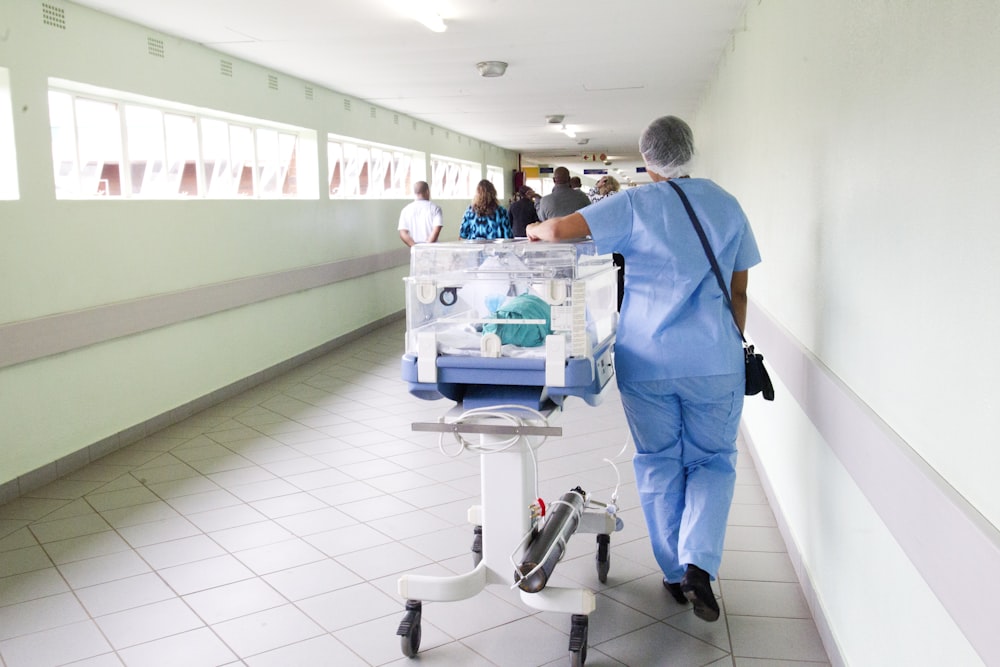
Once you’re called in, the doctor will examine you and ask questions. Here’s what you might hear and how to respond:
Common Doctor Questions 醫生常問的問題
- “What brings you in today?” — 你今天怎麼了?
- “How long have you had this problem?” — 這個問題多久了?
- “Are you allergic to any medications?” — 你有沒有對什麼藥過敏?(Nǐ yǒu méiyǒu duì shénme yào guòmǐn?)
- “Do you have any chronic conditions?” — 你有什麼慢性病嗎?
- “Are you currently taking any medications?” — 你目前有在吃什麼藥嗎?
- “Does it hurt when I press here?” — 我按這裡會痛嗎?
- “Please take a deep breath.” — 請深呼吸 (Qǐng shēn hūxī)
Useful Patient Responses 病人實用回答
- “I’m allergic to penicillin.” — 我對盤尼西林過敏
- “I take blood pressure medication.” — 我有在吃血壓藥
- “I have diabetes.” — 我有糖尿病 (Wǒ yǒu tángniàobìng)
- “I’m pregnant.” — 我懷孕了 (Wǒ huáiyùn le)
- “I have a history of heart disease.” — 我有心臟病的病史
- “This is my first visit.” — 這是我第一次來 (Zhè shì wǒ dì yī cì lái)
常見科別 (Hospital Departments) — Where to Go
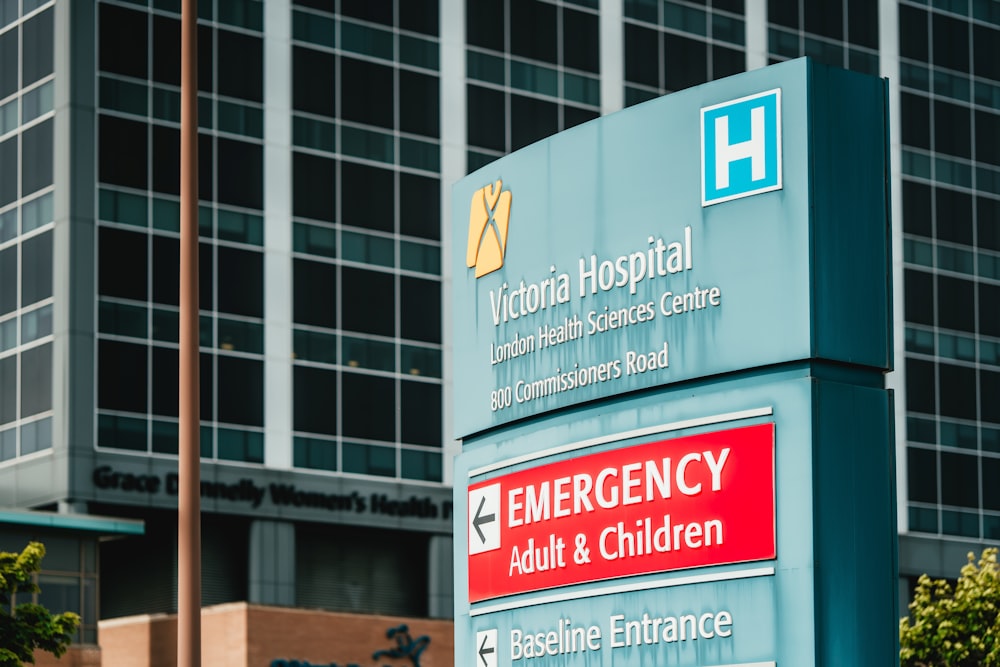
Taiwan hospitals are organized by department (科, kē). Knowing which department you need saves time and confusion:
- Internal medicine — 內科 (nèikē) — for fever, cough, stomach problems
- Surgery — 外科 (wàikē) — for injuries requiring operations
- Pediatrics — 小兒科 (xiǎo’érkē) — for children
- Dermatology — 皮膚科 (pífūkē) — for skin problems
- Orthopedics — 骨科 (gǔkē) — for bone and joint issues
- Ophthalmology — 眼科 (yǎnkē) — for eye problems
- ENT (Ear, Nose, Throat) — 耳鼻喉科 (ěrbíhóukē) — for ear infections, sinus issues
- Dentistry — 牙科 (yákē) — for dental problems
- Emergency room — 急診室 (jízhěnshì) — for urgent situations
- Gynecology — 婦產科 (fùchǎnkē) — for women’s health
Not sure where to go? Tell the registration staff your main symptom and they’ll direct you: “I have a rash on my arm — which department should I see?” (我手臂上有疹子,應該掛哪一科?)
拿藥 (Getting Your Medication) — At the Pharmacy
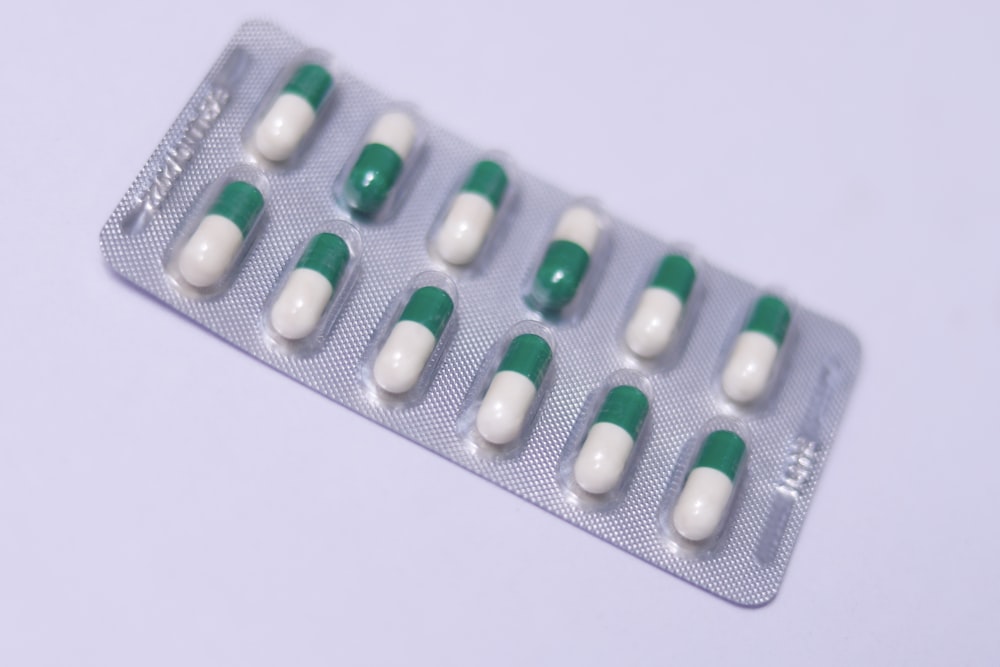
After your consultation, you’ll head to the pharmacy window (藥局, yàojú) — often right inside the hospital. Here are phrases for this stage:
- “Where do I pick up my prescription?” — 我在哪裡拿藥?
- “How many times a day should I take this?” — 這個一天吃幾次?(Zhège yītiān chī jǐ cì?)
- “Should I take this before or after meals?” — 飯前還是飯後吃?
- “Are there any side effects?” — 有什麼副作用嗎?(Yǒu shénme fùzuòyòng ma?)
- “Can I take this with other medications?” — 可以和其他藥一起吃嗎?
- “I need a refill.” — 我需要再拿一次藥 / 我需要續方
Common Medication Instructions 常見藥物指示
- “Take two tablets three times a day” — 一天三次,每次兩顆
- “Take after meals” — 飯後服用 (fànhòu fúyòng)
- “Take on an empty stomach” — 空腹服用 (kōngfù fúyòng)
- “Apply to the affected area” — 塗抹在患處 (túmǒ zài huànchù)
- “Do not drive after taking this medication” — 服藥後不要開車
- “Complete the full course of antibiotics” — 抗生素要吃完整個療程
緊急狀況 (Emergency Situations) — When It’s Urgent

In an emergency, every second counts. These phrases could be lifesaving:
- “Call an ambulance!” — 叫救護車!(Jiào jiùhùchē!) — Dial 119 in Taiwan
- “I need a doctor immediately.” — 我需要馬上看醫生
- “He/She is not breathing.” — 他/她沒有在呼吸
- “I’m having chest pains.” — 我胸口很痛
- “She collapsed.” — 她昏倒了 (Tā hūndǎo le)
- “He’s bleeding heavily.” — 他流了很多血
- “I think I broke my arm.” — 我覺得我手臂骨折了
- “Where is the nearest emergency room?” — 最近的急診室在哪裡?
Important Taiwan numbers: Emergency is 119 (fire/ambulance) and 110 (police). Many dispatchers can handle basic English, but knowing your address in Chinese helps enormously.
台灣看醫生的小技巧 (Tips for Visiting Hospitals in Taiwan)
Taiwan’s National Health Insurance (全民健保, quánmín jiànbǎo) covers most medical visits at incredibly low costs. Here are practical tips:
- Bring your NHI card (健保卡) to every visit — without it, you pay full price and apply for reimbursement later
- Morning visits are busier — afternoon and evening clinics often have shorter waits
- Most hospitals have English-speaking staff — larger hospitals (like NTU Hospital, Taipei Veterans General) have international patient departments
- Medication is usually dispensed on-site — you don’t always need a separate pharmacy
- Follow-up appointments (回診, huízhěn) are common — the doctor will tell you when to come back
- Bring a list of current medications — this prevents dangerous drug interactions (藥物交互作用, yàowù jiāohù zuòyòng)
Practice Dialogue 實用對話
Here’s a realistic conversation between a patient and doctor in Taiwan:
Doctor: Good morning. What brings you in today?
Patient: I’ve had a headache and sore throat for about three days.
Doctor: Do you have a fever?
Patient: Yes, I checked this morning — it was 38.2°C.
Doctor: Any other symptoms? Coughing, runny nose?
Patient: A little coughing, especially at night. And I feel really tired.
Doctor: Are you allergic to any medications?
Patient: Not that I know of.
Doctor: Let me take a look at your throat. Please open your mouth and say “ahhh.”
Patient: Ahhh…
Doctor: Your throat is quite red and swollen. I’m going to prescribe some anti-inflammatory medicine and cough syrup. Take them three times a day after meals.
Patient: How long should I take the medicine?
Doctor: Five days. If the fever doesn’t go down within two days, come back for a follow-up.
Patient: Thank you, doctor. Where do I pick up my medication?
Doctor: At the pharmacy counter on the first floor. Take your prescription slip with you.
🎬 Watch and Learn 影片學習
Want to practice hospital English with real conversations? Watch this excellent lesson covering doctor-patient dialogues, health vocabulary, and common medical phrases:
Comprehension Questions 閱讀理解
- What number do you call for an ambulance in Taiwan?
- What does NHI (全民健保) stand for?
- Name three hospital departments in English and Chinese.
- What should you bring to every hospital visit in Taiwan?
- How would you tell a doctor you have a fever and sore throat?
- What’s the difference between 內科 (internal medicine) and 外科 (surgery)?
- How do you ask the pharmacist about side effects?
- Why is it important to bring a list of current medications?
- What should you say in English if someone collapses?
- When should the patient in the dialogue return for a follow-up?
答案 關鍵 答案
- 119 — for fire and ambulance services in Taiwan.
- National Health Insurance (全民健康保險) — Taiwan’s universal healthcare system.
- Any three from: Internal medicine (內科), Surgery (外科), Pediatrics (小兒科), Dermatology (皮膚科), Orthopedics (骨科), Ophthalmology (眼科), ENT (耳鼻喉科), Dentistry (牙科), Emergency room (急診室), Gynecology (婦產科).
- Your NHI card (健保卡) — without it you pay full price.
- “I have a fever and a sore throat.” — 我發燒了,喉嚨痛。
- 內科 treats internal conditions (fever, cough, stomach issues) with medicine; 外科 treats conditions requiring surgery or operations.
- “Are there any side effects?” — 有什麼副作用嗎?
- To prevent dangerous drug interactions (藥物交互作用) — some medicines shouldn’t be taken together.
- “She collapsed!” 或者 “He collapsed!” — then call 119 immediately.
- If the fever doesn’t go down within two days, they should come back for a follow-up.
Bookmark this guide and review it before your next hospital visit. Practice saying the phrases out loud — when you’re feeling sick isn’t the best time to study new vocabulary! The more you practice now, the more confident you’ll feel when you actually need these phrases.





 繁體中文
繁體中文  English
  日本語
日本語  한국어
한국어  ไทย
ไทย  Bahasa Indonesia
  Tiếng Việt
  Français