

English Collocations Explained: A Practical Guide for Taiwan Learners (2026) | 英文搭配詞學習指南
本文重點: 英文搭配詞 (English collocations) 是台灣上班族 (Taiwan professionals) 英文學習 (English learning) 最常忽略的關鍵環節。本指南教你商業英文 (business English) 必備搭配詞、多益 (TOEIC) 與全民英檢 (GEPT) 高分技巧,以及如何透過英文家教 (English tutor) 或線上英文 (online English) 課程練習自然搭配詞。學會搭配詞能讓你的職場英文 (workplace English) 聽起來更道地、更專業,是商業會議、英文寫作、職場升遷不可或缺的工具。
If you’ve spent years memorizing vocabulary lists but still sound robotic when speaking English at work, you’re probably missing a critical piece of the puzzle: collocations. These are the natural word combinations native speakers use without thinking. “Heavy rain” sounds right. “Strong rain” sounds wrong — even though both adjectives mean roughly the same thing.
For Taiwan professionals climbing the corporate ladder, mastering collocations is the difference between sounding like a textbook and sounding like a colleague. This guide explains what collocations are, why they trip up even advanced learners, and how to start using them naturally in business English emails, meetings, and presentations.
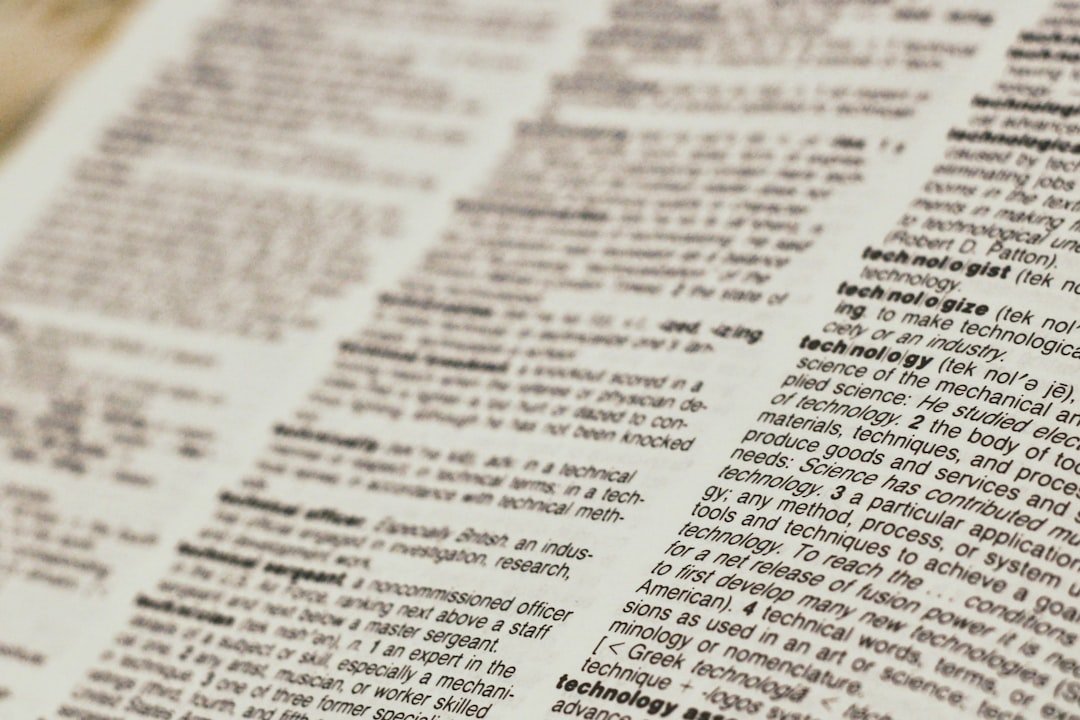
What Are English Collocations? | 什麼是英文搭配詞?
A collocation is a pair or group of words that frequently appear together in natural English. They aren’t grammar rules — they’re patterns that native speakers internalize through years of exposure. Some combinations sound completely natural while others, even if grammatically correct, sound strange to a native ear.
Consider these examples that often trip up Taiwan learners studying for the TOEIC (多益) exam:
- We say make a decision — not do a decision
- We say take a shower — not make a shower
- We say heavy traffic — not thick traffic
- We say fast food — not quick food
- We say do your homework — not make your homework
None of these are grammar mistakes. They’re collocation patterns. Getting them wrong won’t stop you from being understood, but it will mark you as a non-native speaker every single time you open your mouth in a meeting.
The Seven Main Types of Collocations | 搭配詞的七大類型
Linguists typically group collocations into seven categories based on the parts of speech involved:
- Adjective + Noun: heavy rain, strong coffee, fierce competition
- Noun + Noun: a sense of pride, a piece of advice, a round of applause
- Verb + Noun: commit a crime, do homework, make progress
- Verb + Adverb: speak loudly, drive carefully, smile warmly
- Adverb + Adjective: highly successful, deeply concerned, fully aware
- Verb + Preposition: arrive at, look forward to, depend on
- Adjective + Preposition: afraid of, interested in, worried about
Why Collocations Matter for Taiwan Professionals | 為什麼搭配詞對台灣上班族很重要
對台灣上班族來說,搭配詞 (collocations) 是英文進階的關鍵。背單字只能讓你看懂文章,但要在商業會議、客戶簡報、英文email中流暢表達,必須掌握自然搭配詞。
Vocabulary lists give you words. Grammar books give you rules. But collocations give you fluency. When you internalize natural word combinations, three things happen at work.
You sound more professional. Saying we need to make a strategic decision instead of we need to do a big choosing instantly signals competence in business English (商業英文). Colleagues will trust your judgment more when your language matches the standard they expect from a senior teammate.
You understand faster. Native speakers chunk language. They don’t process make + a + decision as three separate words — they hear make-a-decision as one unit. When you know the chunks, you process spoken English faster and miss fewer details in conference calls (電話會議).
You write better emails. Most business writing relies on a small set of formal collocations: address the issue, reach a consensus, raise concerns, implement a strategy. Learn these chunks and your emails will read like they were written by a native speaker.
Strong vs Weak Collocations | 強搭配與弱搭配
Not all collocations are equally fixed. Linguists distinguish between strong collocations (固定搭配) and weak collocations (彈性搭配).
Strong collocations have very few acceptable partners. You commit a crime — you don’t perform, execute, or carry out a crime. You shrug your shoulders — you don’t move, lift, or raise them in this context. These are nearly fixed and sound noticeably wrong when broken.
Weak collocations allow many partners. You can have a good, bad, nice, terrible, interesting, boring, long, short, or unforgettable day. The adjective good combines freely with thousands of nouns. Errors here are less noticeable but still affect how natural you sound.
For learners, strong collocations are the priority. They’re the ones that draw attention when you get them wrong. Focus your study energy on the rigid pairs first, then expand into the flexible ones as you build fluency.

30 Essential Collocations Every Taiwan Pro Should Know | 30 個台灣上班族必備搭配詞
These collocations appear constantly in Taiwan workplaces — meetings, emails, presentations, and casual office talk. Memorize the chunks, not the individual words. Practice each one out loud until the pairing feels automatic.
Business Meetings | 商業會議
- raise a concern — to bring up a problem politely
- reach a consensus — to all agree on something
- make a point — to express an important idea
- set an agenda — to plan what a meeting will cover
- address an issue — to deal with a problem directly
- follow up — to check on progress afterward
- tight deadline — a deadline that is hard to meet
- action items — tasks assigned at the end of a meeting
- circle back — to return to a topic later
- key takeaway — the most important point

Workplace Communication | 職場溝通
- heavy workload — too much work
- fierce competition — strong rivalry between companies
- strong leadership — effective guidance from a manager
- valuable experience — useful work history
- broad knowledge — wide understanding of a field
- take on responsibility — to accept duties
- make progress — to advance toward a goal
- meet expectations — to perform as required
- exceed expectations — to do better than required
- face challenges — to encounter difficulties
Daily Office Life | 日常辦公室生活
- busy schedule — many things to do
- spare time — free time outside work
- rush hour — peak commuting times
- quick break — a short pause
- strong coffee — coffee with a powerful flavor
- casual conversation — informal chat
- open office — workplace without walls
- remote work — working from outside the office
- flexible hours — adjustable working times
- work-life balance — healthy split between job and personal life
How to Learn Collocations Effectively | 如何有效學習搭配詞
Memorizing collocation lists alone is slow and forgettable. Use these four methods together to make the patterns stick in your long-term memory.
1. Notice and Record | 觀察並記錄
When you read English news, watch business presentations on YouTube, or listen to podcasts, actively notice word pairs. Keep a notebook organized by topic — meetings, email, presentations — and write down chunks, not individual words. Your brain remembers patterns better than isolated items.
2. Use a Collocations Dictionary | 使用搭配詞典
A regular dictionary tells you what words mean. A collocations dictionary tells you which words appear with them. The Oxford Collocations Dictionary is the standard reference and is available in print and online. When you learn a new word, check what verbs, adjectives, and prepositions naturally pair with it.

3. Practice with an English Tutor | 與英文家教練習
A skilled English tutor (英文家教) will catch unnatural word combinations in real time. This is the fastest correction loop available — much faster than self-study. Look for tutors who specialize in business English and have experience working with Taiwan professionals. Even one hour a week of focused conversation practice will accelerate your collocation acquisition dramatically.
4. Read in Your Field | 閱讀專業領域文章
If you work in finance, read the Financial Times. If you work in tech, read TechCrunch. Reading authentic content in your industry exposes you to the exact collocations you’ll need to use in your own work. Aim for 20 minutes a day — consistency beats intensity when building this kind of pattern recognition.
Common Collocation Mistakes Taiwan Learners Make | 台灣學習者常見搭配詞錯誤
多數台灣學習者的搭配詞錯誤來自中翻英 (direct translation)。中文一個動詞 (例如「做」、「開」、「打」) 在英文裡可能對應多個動詞 (do/make/take/have)。背誦時請把整個詞組記下來,不要拆開記。
Translating 開 as “Open”
In Chinese, 開 covers many actions. In English, each action has its own collocation: open a door, turn on a light, start a car, hold a meeting. Saying open a meeting or open the light sounds like direct translation and immediately marks you as a non-native speaker.
Translating 做 as “Do”
Chinese 做 spreads across English’s do, make, take, and have. Common mistakes include: do a decision (should be make), do a photo (should be take), do a shower (should be take), and do a party (should be throw or have).
Using “Very” Everywhere
Taiwan learners default to very + adjective because Chinese 很 works that way. But English prefers specific intensifiers: deeply concerned (not very concerned), highly successful (not very successful), strongly disagree (not very disagree), fully aware (not very aware).

FAQ: Collocations for ESL Learners | 常見問題
Are collocations tested on the TOEIC?
Yes — heavily. TOEIC Listening and Reading sections feature collocations in nearly every passage. Many incorrect answer choices use grammatically valid but unnatural word pairs to trick test-takers. Studying collocations alone can raise your TOEIC score (多益分數) significantly, often by 50 points or more.
How many collocations should I know?
Research suggests that mastering 2,500 to 5,000 common collocations covers most workplace English needs. Start with the highest-frequency 500 (your collocations dictionary will mark these as high-frequency entries) and build from there. Quality beats quantity — knowing 500 collocations well is more useful than half-knowing 2,000.
Are collocations the same as idioms?
No. Idioms (慣用語) have figurative meanings — kick the bucket means die, not literally kick a bucket. Collocations are literal word pairings that just happen to sound natural together — heavy rain still means rain that’s heavy. Collocations are far more common and more important for everyday business fluency than idioms.
Can I learn collocations from movies?
Yes, with the right method. Watch with English subtitles, pause when you hear a useful chunk, and write the full sentence in your notebook. Office-set series like The Office and Suits are gold mines for workplace collocations. Repeated exposure to the same characters using the same expressions builds pattern recognition fast.
How long does it take to sound natural?
With deliberate daily practice — noticing, recording, and using new collocations — most learners see noticeable improvement within three months and start sounding genuinely natural in business contexts within a year. Consistency matters more than intensity; 20 focused minutes a day beats four hours on a weekend.
Start Sounding Natural Today | 從今天開始說自然英文
Collocations are the missing link between vocabulary and fluency. Pick five collocations from this article that match your most common work situations, use each one three times this week in emails or conversation, and notice how much more natural your English starts to feel. Build from there, one chunk at a time. Within months, your colleagues will notice the difference.
Sources & Further Reading | 資料來源
- Oxford Learner’s Dictionaries — standard reference for English collocations
- British Council — free ESL learning resources for adults
- Cambridge University Press — collocations in use textbooks and reference materials
- Oxford Collocations Dictionary (Amazon) — buy the print reference
Looking for free ESL worksheets for your classroom? Browse our free worksheet library →
Are you a teacher? Find lesson resources and worksheets at TahricTeaches.com.





 English
  繁體中文
繁體中文  日本語
日本語  한국어
한국어  ไทย
ไทย  Bahasa Indonesia
  Tiếng Việt
  Français