
Articles
Read our latest English learning articles and tips.

英文重音規則 | English Word Stress: 10 Rules for Taiwan Learners (2026)
Quick Answer: English word stress (英文重音) means one syllable in a multi-syllable word is spoken louder, longer, and at a slightly higher pitch than the others. In stu-DENT, the second syllable carries the stress. Getting stress wrong does not just sound awkward — native speakers often fail to recognize the word at all. The 10…
English Collocations | 英文搭配詞: The Word-Pairing System Behind Natural Fluency
Collocations — the word pairs native speakers use automatically — are the hidden engine of natural English. Master the patterns behind verb+noun, adjective+noun, and adverb+adjective pairings to level up your professional and TOEIC English.
Passive Voice in English: How and When to Use It | 英文被動語態完整指南
Quick Answer: The passive voice in English is formed with be + past participle (e.g., “The report was written yesterday”). Use it when the doer is unknown, unimportant, or when you want to focus on the action or result rather than the person who did it. Active voice is clearer and more natural for most…
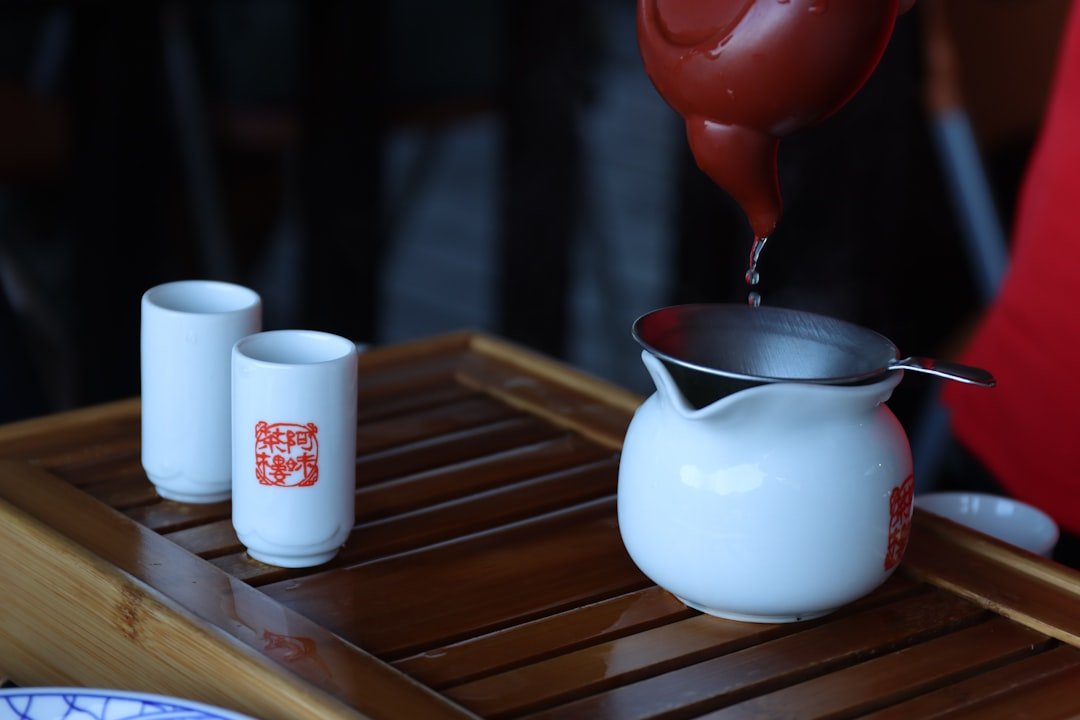
Tea Culture in Taiwan | Elementary ESL Reading Worksheet PDF
📄 Download Printable PDF Worksheet Free, classroom-ready, one click — includes answer key on page 3. Reading Worksheet — Elementary (C) | tahricteaches.com Taiwan is famous for its tea. Tea is a very important part of life in Taiwan. You can find tea shops and teahouses everywhere — in cities, small towns, and near the…
Hot Spring Bathing in Taiwan | Elementary ESL Reading Worksheet PDF
📄 Download Printable PDF Worksheet Free, classroom-ready, one click — includes answer key on page 3. Reading Worksheet — Elementary (C) | tahricteaches.com Taiwan is famous for many things. One very popular activity is visiting a hot spring. A hot spring is a pool of warm water that comes up from the ground. The water…
English Concession Clauses: Although, Despite, However | 英文讓步子句完整指南
Master English concession clauses — although, despite, however, nevertheless. Clear rules, real examples, and the fix for the common 雖然…但是 mistake that trips up Taiwan learners. 英文讓步子句完整指南.
附加問句英文 | Question Tags: 15 Rules Taiwan Learners Need (2026)
Quick Answer | 附加問句: A question tag (附加問句) is a short question added to the end of a statement — for example, “It’s hot today, isn’t it?” The rule is simple: if the statement is positive, the tag is negative; if the statement is negative, the tag is positive. The tag always uses the same…
IELTS & TOEFL Academic Vocabulary: The Context-First Guide | 雅思托福學術字彙:情境優先攻略
Master academic vocabulary for IELTS and TOEFL using the context-first approach. Learn how the Academic Word List (AWL) works and build active command over 570 essential word families — strategies designed for Taiwan English learners.
English Quantifiers: Much, Many, Few & Little | 英文數量詞用法完整指南 (2026)
Quick Answer: English quantifiers tell you how much or how many of something there is. Use many and few with countable nouns (books, students, cups), and much and little with uncountable nouns (water, time, money). Use some in positive statements and any in questions and negatives. 台灣學生最常問的一個問題就是:「到底什麼時候用 much,什麼時候用 many?」答案只需要記住一件事:看名詞能不能數。Taiwan English learners instinctively reach for 很多…
Can, Could or May? 英文Can Could差別:請求與許可完整指南
快速解答 Quick Answer: Can、Could 和 May 都可以用來表達請求和許可,但禮貌程度不同。Can 是最常用的(非正式請求),Could 比 Can 更有禮貌(適合職場),May 最正式(正式場合或書面英文)。記住這個順序:Can < Could < May,禮貌程度由低到高。 英文老師 Rebecca Oxford 在她1990年的語言學習研究中發現,台灣英語學習者在情態動詞(modal verbs)的使用上最容易犯「禮貌程度」的錯誤——不是因為不懂文法,而是因為不清楚何時該用哪個。這篇文章直接解決這個問題:你會學到 Can、Could、May 和 Would 的真正差別,以及20個在台灣職場和日常生活中立刻可以用的句型。 Colleagues having a polite conversation asking for permission in an office setting. In the workplace, knowing when to use ‘can’ vs ‘could’ can change how professional you sound. 英文情態動詞:Can、Could、May 和…
Making Complaints in English: 25 Phrases | 英文投訴句型職場日常全攻略
Quick Answer: Making complaints in English means expressing dissatisfaction politely while staying solution-focused. Start with a softener (“I’m sorry to bother you, but…”), clearly state the problem, and suggest what you’d like as a resolution. The 25 phrases in this guide cover workplace complaints, customer service, restaurants, hotels, and everyday situations — all with Chinese…
English Idioms: Love and Relationships(愛情慣用語)— 10 Expressions You Need to Know
English idioms add color and depth to the language — and no topic has inspired more colorful expressions than love and relationships. From the first rush of falling “head over heels” to the lifelong commitment of going “through thick and thin,” these phrases capture the full emotional spectrum of human connection. Whether you are a…











 English
  繁體中文
繁體中文  日本語
日本語  한국어
한국어  ไทย
ไทย  Bahasa Indonesia
  Tiếng Việt
  Français