
Robotics and Prosthetics | Elementary ESL Reading Worksheet PDF
Free, classroom-ready, one click — includes answer key on page 3.

Reading Worksheet — Elementary (C) | tahricteaches.com
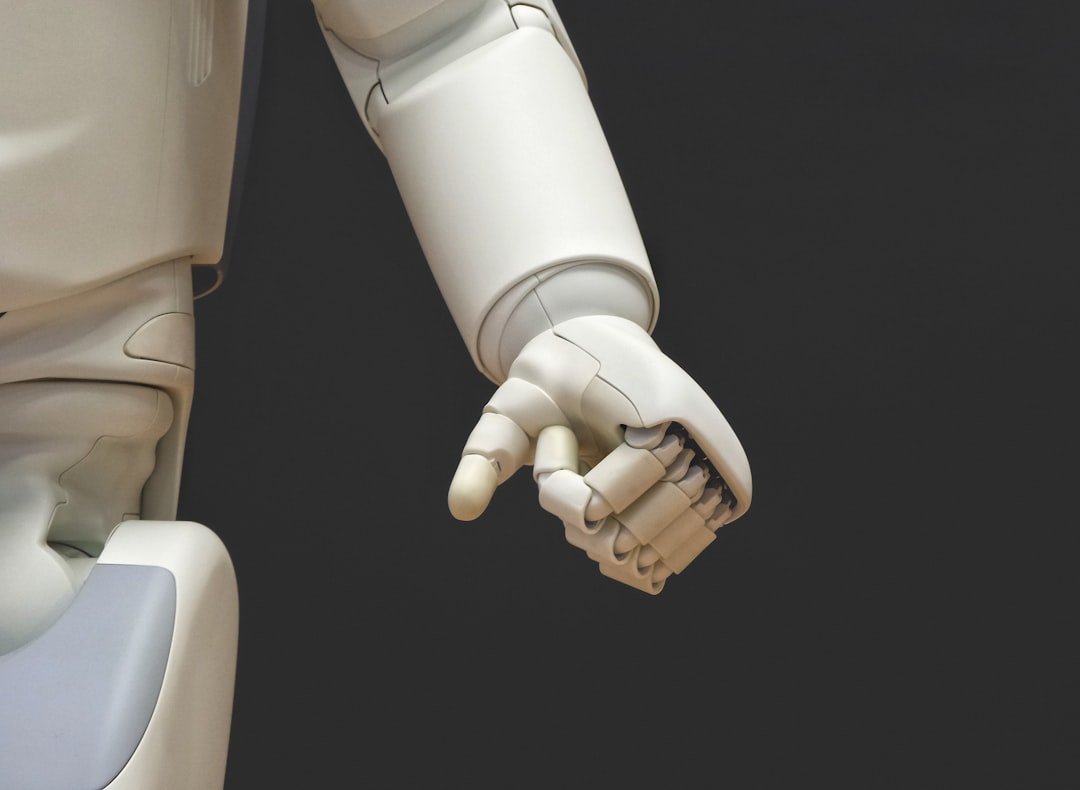
Robots are special machines. They can move and do many tasks. Some robots are very big, and some are very small. We can see robots in factories, hospitals, and even in our homes. They help people do difficult or dangerous work safely.
An engineer is a person who designs and builds machines like robots. Engineers think carefully about how a robot should look and what it should do. They use computers and special tools. Engineers work hard to make robots that are safe and useful for people.
A prosthetic is a special body part that people make. It is not a real body part, but it works like one. For example, some people do not have an arm or a leg. A prosthetic arm or leg helps them do everyday things like writing or walking.
Modern prosthetics use sensors to feel movement. When a person moves their body, the sensor tells the prosthetic what to do. Some prosthetic arms can pick up small objects. Some prosthetic legs can help people walk, run, or even dance at a party.
Many prosthetics use electric power to work. Small batteries inside give the prosthetic its energy. Robots and prosthetics work in similar ways. Scientists and engineers are working every day to make them better. In the future, these amazing machines will help even more people live happy and healthy lives.
A. Vocabulaire
- robot ____
- prosthetic ____
- engineer ____
- sensor ____
- electric ____
- factory ____
- battery ____
- movement ____
- object ____
- energy ____
- a. artificial body part that replaces a missing one
- b. thing you can pick up, hold, or touch
- c. small device that stores and gives electrical energy
- d. large building where machines make products
- e. machine that can move and do tasks on its own
- f. small device that detects movement or changes nearby
- g. person who designs and builds machines or structures
- h. powered by electricity
- i. power needed to move or do work
- j. act of moving from one place to another

B. Vrai ou faux
- ____ Robots can move and do many tasks.
- ____ All robots are very big.
- ____ An engineer designs and builds machines.
- ____ Engineers do not use computers.
- ____ A prosthetic is a real body part.
- ____ A prosthetic arm can help someone write.
- ____ Sensors help prosthetics feel movement.
- ____ Some prosthetic legs can help people dance.
- ____ Prosthetics use gasoline to work.
- ____ Scientists want to make robots and prosthetics better in the future.
C. Remplissez les blancs
- A ___ is a machine that can move and do many tasks.
- An ___ designs and builds machines like robots.
- A ___ helps people who are missing a body part.
- A ___ tells the prosthetic when the body moves.
- Many prosthetics use ___ power from small batteries.
D. Questions de compréhension
- What is a robot, and where can we find robots?
- How does a prosthetic arm or leg help people?
- What kind of power do many prosthetics use to work?
E. Questions de discussion
- If you could build a robot, what would it do and why?
- How do you think prosthetics help people feel more independent and happy?
Answer Key (click to reveal)
A. Vocabulaire : 1-e, 2-a, 3-g, 4-f, 5-h, 6-d, 7-c, 8-j, 9-b, 10-i
B. Vrai/Faux : 1-T, 2-F, 3-T, 4-F, 5-F, 6-T, 7-T, 8-T, 9-F, 10-T
C. Fill Blanks: 1-robot, 2-engineer, 3-prosthetic, 4-sensor, 5-electric
D. Compréhension :
- A robot is a machine that can move and do many tasks. We can find robots in factories, hospitals, and homes.
- A prosthetic arm or leg helps people who are missing a body part do everyday things like writing or walking.
- Many prosthetics use electric power from small batteries inside them.
© Tahric Teaches | tahricteaches.com



 Français
  English
  繁體中文
繁體中文  日本語
日本語  한국어
한국어  ไทย
ไทย  Bahasa Indonesia
  Tiếng Việt