
Topic Vocabulary: 80 Travel Food Tech Health Words (2026) | 主題英文單字
本文重點:本文為台灣上班族 (台灣上班族) 整理 80 個主題英文單字 (主題單字),涵蓋旅遊、美食、科技與健康四大日常領域。每組單字附中英對照與實用例句,幫助你在英文學習 (英文家教、商業英文、多益準備) 中更有效率地擴充字彙量。
If you have ever sat down to study English vocabulary (字彙) and felt overwhelmed by random word lists, you are not alone. Most Taiwan learners memorize 50 words on Monday and forget 40 by Friday. The fix is not more flashcards — it is smarter organization. When you group vocabulary by topic (主題單字), your brain links new words to situations you already understand, and recall improves dramatically.
This guide gives you 80 high-frequency English words split across four practical themes: travel (旅遊), food (美食), technology (科技), and health (健康). Each word includes a short context note so you can use it the same day at the office, on a trip, or at the clinic. By the end, you will have a portable vocabulary kit that works for casual conversation, work email (商業英文), and the TOEIC reading section (多益閱讀).

Why Topic-Based Vocabulary Works | 為什麼用主題學英文單字
Cognitive research from second-language acquisition (語言習得) shows that the brain stores words in semantic networks, not alphabetical lists. When you learn “boarding pass,” “departure gate,” and “luggage claim” in the same study session, each word reinforces the others. Pull one word out a week later and the rest come along for the ride.
Topic-based study also matches how you actually use English. You rarely need to recall a random list of 100 words; you need the right 10 words for the situation in front of you — booking a flight, ordering at a café, troubleshooting a laptop, describing a symptom. Themed vocabulary delivers exactly that.
For Taiwan professionals juggling work English (職場英文), travel English, and exam prep (英文檢定), this approach saves hours. Pick one topic, drill 20 words for a week, and rotate.
How to Use This List | 如何使用本表
Read each word out loud. Look at the example use case. Then write one short sentence of your own using the word in a Taiwan context — for example, “boarding pass at Taoyuan Airport.” Personalizing the example anchors the word in memory and makes recall in real conversations much faster.
Travel Vocabulary | 旅遊英文單字
Whether you are flying to Tokyo for a long weekend or attending a conference in Singapore, these 20 words handle most situations from airport check-in to hotel checkout. Practice them before your next trip so the right phrase appears under pressure.
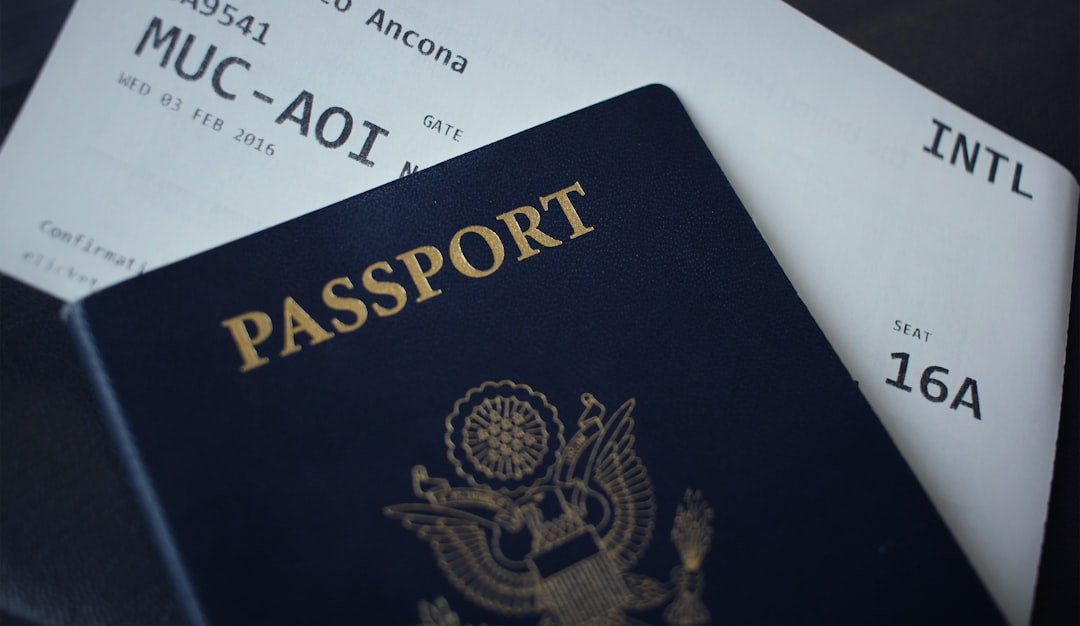
At the Airport | 機場英文
- Carte d'embarquement — the ticket that lets you on the plane.
- Departure gate — the door where your flight leaves.
- Halte — a stop between two flights.
- Carry-on — the bag you bring into the cabin.
- Checked luggage — the bag you give to the airline.
- Customs — the inspection area when you enter a country.
- Passport control — where an officer stamps your passport.
Hotel and Accommodation | 飯店住宿
- Check-in / check-out — arriving at and leaving the hotel.
- Réservation — a booking made in advance.
- Front desk — the hotel reception counter.
- Room service — food brought to your room.
- Amenities — extras like a pool, gym, or breakfast bar.
- Vacancy — an available room.
Sightseeing and Activities | 觀光活動
- Itinerary — a written travel schedule.
- Landmark — a famous building or natural feature.
- Tour guide — a person who shows visitors around.
- Souvenir — a small item you buy to remember a trip.
- Local cuisine — the typical food of a region.
- Currency exchange — swapping NT dollars for another currency.
- Off the beaten path — a place not crowded with tourists.
Food Vocabulary | 美食英文單字
Taiwan’s food culture is world-famous, and so is yours when you travel abroad or host international colleagues. These 20 words cover ordering, cooking, and dietary preferences (飲食偏好) — useful for restaurants (餐廳), work lunches, and your next business trip.
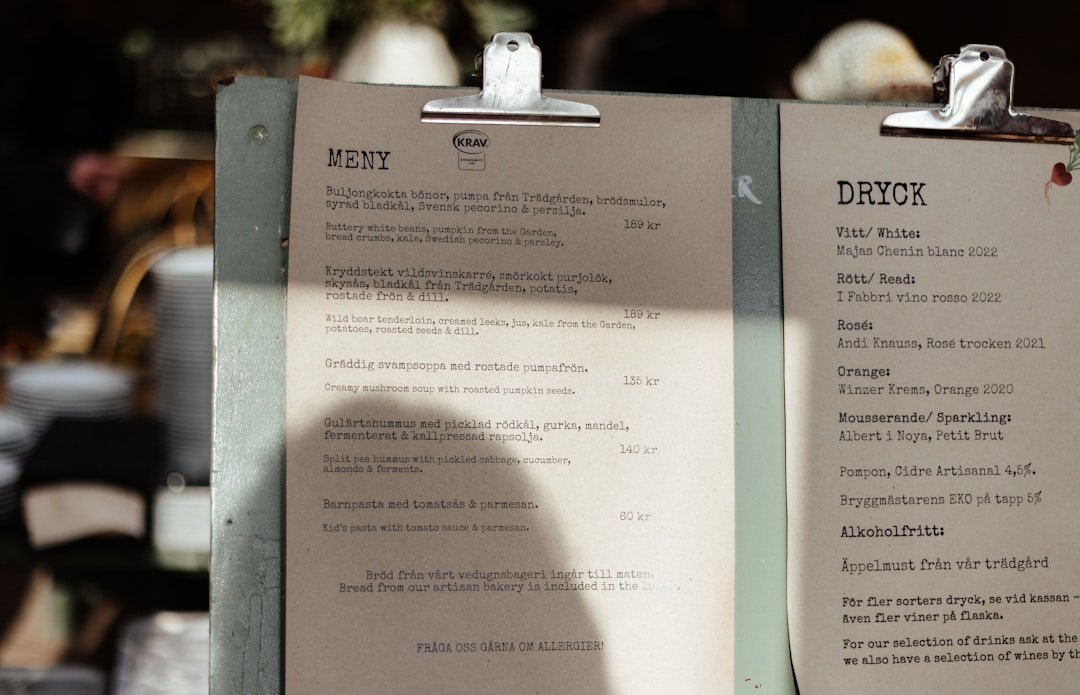
Restaurant Ordering | 餐廳點餐
- Menu — the list of dishes available.
- Apéritif — a small dish before the main course.
- Entrée — the main course (in US English).
- Accompagnement — a smaller portion served with the main.
- Bill / check — the payment slip at the end of the meal.
- Conseil — extra money given to the server (less common in Taiwan).
- Sac à doggy — a container for leftover food.
Cooking and Ingredients | 烹飪食材
- Recipe — instructions for making a dish.
- Marinate — to soak food in seasoning before cooking.
- Stir-fry — fast-cooking in a hot wok (familiar from Taiwan kitchens).
- Steam — to cook with hot vapor.
- Seasoning — salt, pepper, soy sauce, and other flavor-makers.
- Leftovers — food remaining after the meal.
Dietary Preferences | 飲食偏好
- Vegetarian — does not eat meat.
- Vegan — no meat, dairy, or eggs.
- Gluten-free — no wheat-based ingredients.
- Dairy-free — no milk or cheese.
- Allergic to — has a strong negative reaction to a food.
- Spicy / mild — strong or gentle in heat level.
- Comfort food — food that feels emotionally familiar.
Technology Vocabulary | 科技英文單字
Taiwan sits at the heart of global tech, so workplace English (職場英文) without tech vocabulary is incomplete. These 20 words show up in product specs, support tickets, and team Slack channels every day — exactly the kind of language a TSMC, Foxconn, or startup engineer needs.

Devices and Hardware | 裝置硬體
- Laptop / desktop — portable vs. fixed computer.
- Touchscreen — a display you control with your fingers.
- Battery life — how long a device runs on one charge.
- Charger — the cable and adapter that refills the battery.
- Headphones / earbuds — audio output for private listening.
- External hard drive — extra storage you plug in.
Software and Apps | 軟體應用
- Install / uninstall — add or remove software.
- Update — a new version of an app or system.
- Bug — an error in software.
- Crash — when an app suddenly stops working.
- Cloud storage — online file space (Google Drive, iCloud).
- Backup — a saved copy of your files.
- Login credentials — your username and password.
Internet and Communication | 網路通訊
- Wi-Fi signal — wireless internet strength.
- Streaming — playing video or audio in real time.
- Bandwidth — how much data can move at once.
- Video conference — a meeting over Zoom, Teams, or Meet.
- Notification — an alert from an app.
- Two-factor authentication — an extra security step.
- Privacy settings — controls over who sees your data.
Health Vocabulary | 健康英文單字
If you have ever struggled to explain a symptom at an English-speaking clinic — or wanted to read a fitness article without a dictionary — this section is for you. These 20 words cover body parts, doctor visits (看診), and wellness habits (保健習慣).

Body Parts and Symptoms | 身體症狀
- Headache — pain in the head.
- Sore throat — painful throat, often before a cold.
- Fever — body temperature above normal.
- Cough — sudden release of air from the lungs.
- Dizzy — feeling unsteady or lightheaded.
- Nausea — the feeling of wanting to vomit.
- Fatigue — strong tiredness.
Doctor Visits | 看診溝通
- Appointment — a scheduled meeting with a doctor.
- Symptôme — a sign of illness.
- Diagnosis — what the doctor says you have.
- Prescription — a doctor’s written order for medicine.
- Side effect — an extra reaction from medicine.
- Dosage — how much medicine to take.
- Refill — a repeat order of the same prescription.
Wellness and Fitness | 健身保健
- Workout — an exercise session.
- Cardio — exercise that raises your heart rate.
- Strength training — building muscle with weights.
- Stretching — slow movements to improve flexibility.
- Hydration — drinking enough water.
- Mindfulness — focused, present-moment awareness.
- Rest day — a day off from training to recover.
How to Study These Words | 主題單字學習方法
Reading the list once will get you maybe 10% retention. To lock these words into long-term memory, layer three techniques over the next two weeks.

1. Spaced Repetition | 間隔複習
Review the same 20 words today, tomorrow, three days from now, and one week later. Apps like Anki and Quizlet automate this, but a paper notebook works just as well. The gap between reviews is what forces your brain to store the word deeply.
2. Sentence Production | 造句練習
For every new word, write one sentence that connects it to your real life in Taiwan. Instead of memorizing “itinerary,” write “My itinerary for the Tokyo trip includes one day in Asakusa.” Now the word lives in your world, not in a textbook.
3. Output Practice | 口說輸出
Find a partner — a colleague, a friend, an English tutor (英文家教) — and have a five-minute conversation using only the topic you just studied. The friction of producing the word in real time is where actual learning happens.
Quick Practice Activities | 練習活動
Try these short drills the same day you learn each topic block. Each one takes under ten minutes and gives your brain a different angle of contact with the words.
Drill 1: Photo Caption | 照片寫句
Open your phone gallery and pick five recent photos. Write a one-sentence English caption for each using at least one word from the topic list. A photo of your lunch becomes “I ordered a vegetarian appetizer and a stir-fry main course.”
Drill 2: Topic Storytelling | 主題說故事
Pick a topic — travel, for example — and tell a 60-second story about your last trip using at least eight of the 20 words from that section. Record yourself on your phone. Listening back will show you which words still feel awkward.
Drill 3: Vocabulary Swap | 同義替換
Read a short English news article on your topic (BBC, NPR, or any major outlet). Highlight any word you do not know, then find which list word means the same thing. Building these synonym links expands your active range fast.

Putting It All Together | 結語
Eighty words across four topics is enough to handle a huge slice of daily and professional English. Block your next two months: travel vocabulary in weeks one and two, food in weeks three and four, technology in weeks five and six, health in weeks seven and eight. Layer in spaced repetition, sentence production, and output practice, and your active vocabulary (主動字彙) will be visibly larger by the end.
The goal is not to memorize a static list. It is to build a flexible vocabulary engine you can grow forever — just by picking the next topic that matters to your life. Start with the topic you will use this week, and let the words do the work.
Sources | 參考資料
- Cambridge University Press — Vocabulary research and ESL learner resources.
- Conseil britannique — English learning resources for adult learners.
- Wikipedia: Vocabulary Development — Overview of how vocabulary grows over time.
- Vocabulary-by-topic books on Amazon — Recommended workbooks for self-study.
Looking for free ESL worksheets for your classroom? Browse our free worksheet library →
Are you a teacher? Find lesson resources and worksheets at TahricTeaches.com.






 Français
  English
  繁體中文
繁體中文  日本語
日本語  한국어
한국어  ไทย
ไทย  Bahasa Indonesia
  Tiếng Việt