
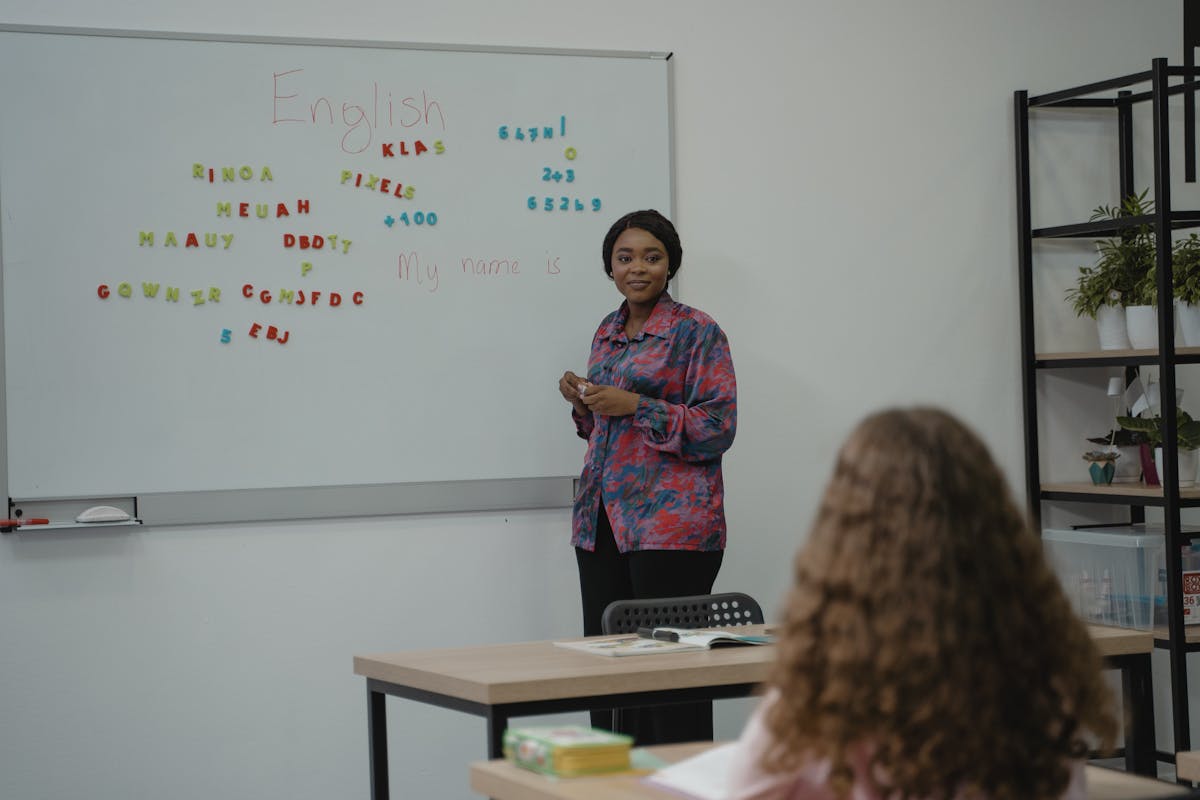
台灣學生最常犯的10個英語文法錯誤 (10 Kesalahan Tata Bahasa Inggris Paling Umum yang Dilakukan Pelajar Taiwan)
作為一名在台灣教授英語超過20年的老師,我發現許多台灣學生總是反覆犯同樣的文法錯誤。這些錯誤並不罕見——事實上,幾乎每個台灣英語學習者都會經歷這些挑戰。好消息是,一旦你了解了這些錯誤的根本原因,就能更有效地避免它們。
As a teacher who has been teaching English in Taiwan for over 20 years, I’ve noticed that many Taiwanese students keep making the same grammar mistakes over and over. These mistakes aren’t rare — in fact, nearly every Taiwanese English learner faces these challenges. The good news is, once you understand the root cause of these errors, you can avoid them much more effectively.
大多數錯誤源於中文和英文之間的根本結構差異。中文是一種分析語言,沒有動詞變化、冠詞或複雜的時態系統。當台灣學生直接用中文的邏輯來說英文時,就會產生這些常見的文法錯誤。
Most of these mistakes stem from fundamental structural differences between Chinese and English. Chinese is an analytic language without verb conjugation, articles, or a complex tense system. When Taiwanese students apply Chinese logic directly to English, these common grammar errors emerge.
讓我們深入探討這10個最常見的錯誤,以及如何修正它們。Let’s dive into the 10 most common mistakes and how to fix them.
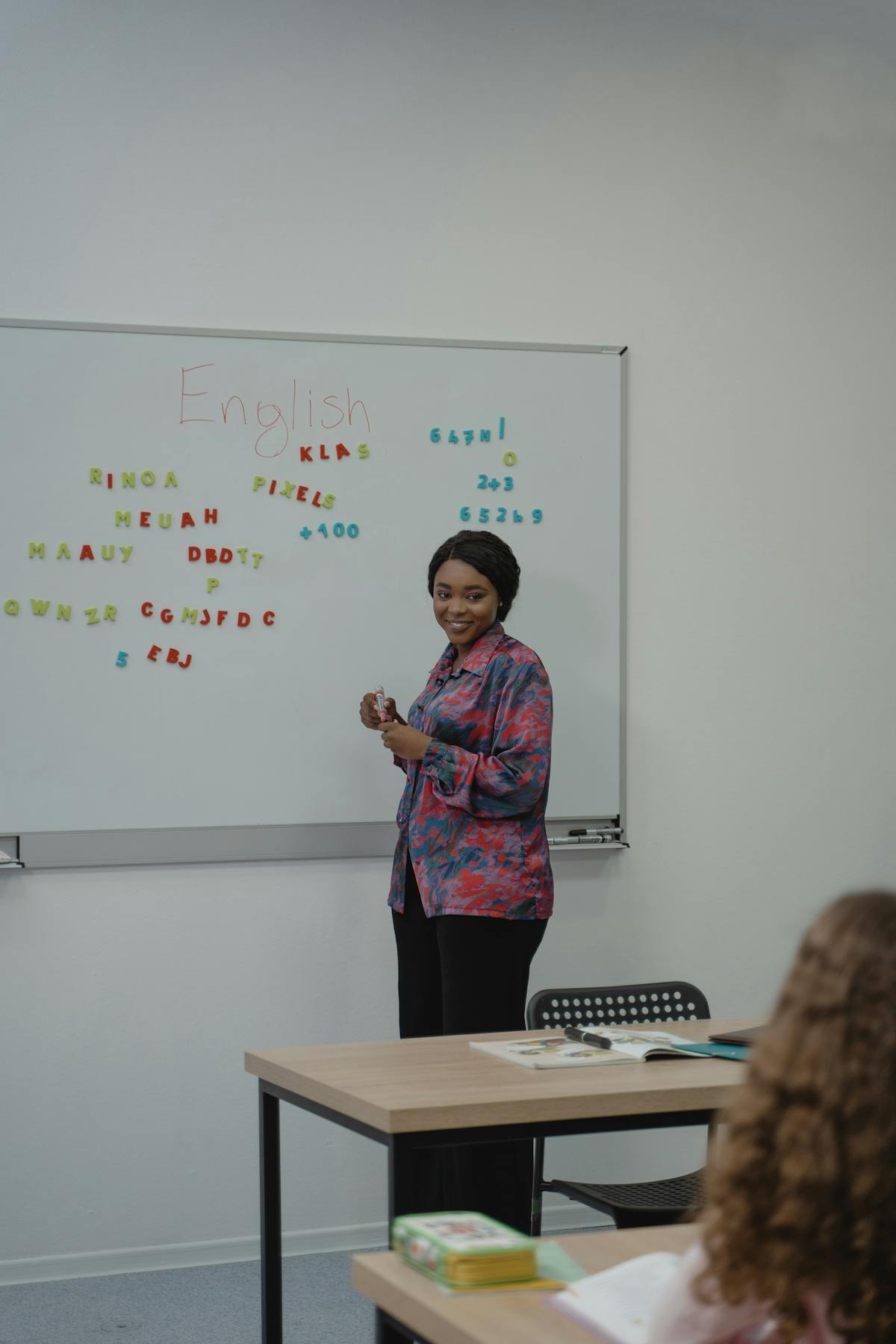
掌握文法規則需要理解中英文之間的差異 (Mastering grammar rules requires understanding the differences between Chinese and English)
1. 主詞動詞不一致 Subject-Verb Agreement Errors
【中文解釋:中文的動詞不會隨主詞改變形態,所以台灣學生經常忘記英文的第三人稱單數動詞要加 -s 或 -es。】
This is the number one mistake I see in my classrooms. In Chinese, verbs never change form — 他吃、我吃、他們吃 — the verb 吃 stays the same regardless of the subject. But in English, third-person singular subjects require a different verb form.
❌ 錯誤 Wrong: “She go to school every day.”
✅ 正確 Correct: “She goes to school every day.”
❌ 錯誤: “My mother cook dinner at 6 PM.”
✅ 正確: “My mother cooks dinner at 6 PM.”
❌ 錯誤: “The teacher don’t like homework.”
✅ 正確: “The teacher doesn’t like homework.”
修正方法 How to Fix: Every time you write a sentence, check your subject. If it’s he, she, it, or a single person/thing, add -s or -es to the verb in simple present tense. Practice by describing people’s daily routines until it becomes automatic.
2. 冠詞的誤用 Article Misuse (A, An, The)
【中文解釋:中文完全沒有冠詞系統。沒有「a」、「an」或「the」的對應詞,所以台灣學生要麼忘記使用冠詞,要麼在不需要的地方加上冠詞。】
Articles are probably the most persistent challenge for Taiwanese learners because Chinese simply has no equivalent. You have to develop a new instinct for when to use them — and when not to.
❌ 錯誤: “I want to buy computer.” (missing article)
✅ 正確: “I want to buy a computer.”
❌ 錯誤: “I go to school by the bus.” (unnecessary article)
✅ 正確: “I go to school by bus.”
❌ 錯誤: “She is a best student in class.”
✅ 正確: “She is itu best student in class.”
修正方法: Remember three core rules: use “a/an” for non-specific singular countable nouns, use “the” when both speaker and listener know which specific thing you mean, and use no article for general uncountable nouns and transportation phrases (by bus, by train, on foot).
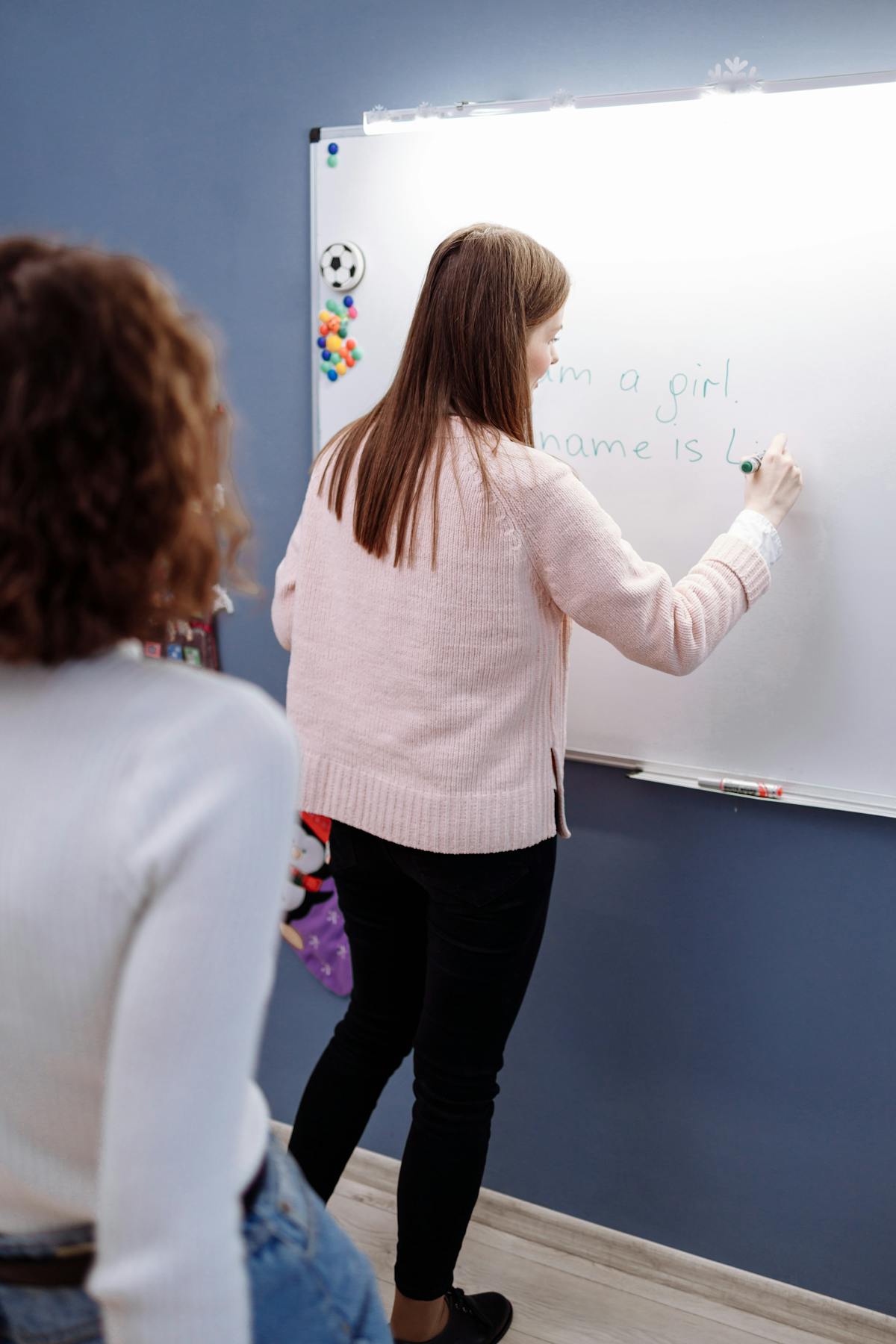
白板練習幫助學生視覺化正確的文法結構 (Whiteboard practice helps students visualize correct grammar structures)
3. 時態混淆 Tense Confusion
【中文解釋:中文用「了」、「過」、「會」等助詞來表達時間,而非改變動詞形態。這讓台灣學生在英文的12種時態中感到混亂。】
Chinese uses context and time words (昨天, 明天) to indicate when something happens, while verbs stay the same. English, on the other hand, requires you to change the verb form for past, present, and future — and has 12 tenses to master.
❌ 錯誤: “Yesterday I go to the movies.”
✅ 正確: “Yesterday I telah pergi to the movies.”
❌ 錯誤: “I already eat lunch.”
✅ 正確: “I have already eaten lunch.”
❌ 錯誤: “When she will come, I will tell her.”
✅ 正確: “When she comes, I will tell her.”
修正方法: Focus on mastering three tenses first: simple present (habits), simple past (completed actions), and present perfect (past actions with present relevance). Time signal words like “yesterday,” “already,” and “every day” are your best clues for which tense to use.
4. 介系詞錯誤 Preposition Errors
【中文解釋:中文和英文的介系詞用法差異很大。中文的「在」可以對應英文的 in、on、at,讓台灣學生經常選錯介系詞。】
Prepositions are notoriously difficult because they rarely translate directly between languages. The Chinese preposition 在 can mean “in,” “on,” or “at” depending on context, which leads to constant confusion.
❌ 錯誤: “Wait me a moment.” (missing preposition)
✅ 正確: “Wait for me a moment.”
❌ 錯誤: “I arrived to the airport.”
✅ 正確: “I arrived pada the airport.”
❌ 錯誤: “She is good di dalam English.”
✅ 正確: “She is good pada English.”
修正方法: Don’t try to translate prepositions from Chinese. Instead, learn verb + preposition combinations as fixed phrases: “wait for,” “arrive at,” “good at,” “listen to,” “depend on.” Keep a notebook of these collocations and review them regularly.

學習文法可能讓人疲累,但持續練習一定會有進步!(Studying grammar can be tiring, but consistent practice will lead to improvement!)
5. 可數與不可數名詞混淆 Countable vs. Uncountable Noun Confusion
【中文解釋:中文裡所有名詞都用量詞(一杯水、一張紙),而英文區分可數和不可數名詞,這對台灣學生來說非常困惑。】
In Chinese, all nouns use measure words (量詞), and there’s no inherent distinction between countable and uncountable. In English, this distinction affects articles, plurals, and quantifiers.
❌ 錯誤: “Can I have a bread?”
✅ 正確: “Can I have some bread?” / “Can I have a piece of bread?”
❌ 錯誤: “I need informations about the course.”
✅ 正確: “I need information about the course.”
❌ 錯誤: “She gave me many advices.”
✅ 正確: “She gave me a lot of advice.”
修正方法: Memorize the most common uncountable nouns: information, advice, homework, furniture, equipment, bread, water, money, news, research. These words never take “a/an” and never get an -s plural. Use “some,” “a lot of,” or “a piece of” instead.
6. 遺漏 Be 動詞 Missing “Be” Verb
【中文解釋:中文可以直接說「我很高」,不需要「是」這個動詞。但英文的形容詞前面一定要加 be 動詞(am, is, are)。】
In Chinese, you can say 我很高 (I very tall) without any linking verb. But English requires a “be” verb before adjectives and in many other constructions. This is one of the most fundamental differences between the two languages.
❌ 錯誤: “She very beautiful.”
✅ 正確: “She is very beautiful.”
❌ 錯誤: “I not hungry.”
✅ 正確: “I am not hungry.”
❌ 錯誤: “They senang to see you.”
✅ 正確: “They are happy to see you.”
修正方法: When describing a state or quality (adjective), always check: “Do I have a be verb?” Remember: subject + be verb + adjective is one of the most common English sentence patterns. About 50% of all English sentences use a form of “be.”

和同學一起學習可以幫助發現彼此的文法錯誤 (Studying with classmates can help you spot each other’s grammar mistakes)
7. 代名詞性別混淆 Pronoun Gender Confusion
【中文解釋:中文口語中的「他」和「她」發音完全相同(tā),所以台灣學生經常在英文中混淆 he 和 she。】
This mistake sounds shocking to native English speakers, but it’s completely understandable when you know that spoken Chinese uses the exact same sound “tā” for both he and she (they’re only different in writing: 他 vs. 她).
❌ 錯誤: “My mother is a teacher. Dia teaches math.”
✅ 正確: “My mother is a teacher. Dia teaches math.”
修正方法: This requires conscious practice. When speaking, slow down and think about who you’re talking about. When writing, proofread specifically for he/she errors. It takes time, but with awareness it becomes natural.
8. 用 “Very” 代替其他副詞 Overusing “Very”
【中文解釋:中文的「很」使用範圍非常廣,幾乎可以搭配所有形容詞。台灣學生傾向於用 “very” 翻譯所有的「很」,忽略了英文中更多樣的表達方式。】
台灣學生愛說 very,因為中文的「很」可以搭配幾乎任何形容詞。但在英文中,過度使用 very 會讓你的句子聽起來單調且不自然。
❌ 單調 Dull: “The movie was very good.”
✅ 更好 Better: “The movie was excellent / fantastic / outstanding.”
❌ 單調: “I’m very tired.”
✅ 更好: “I’m exhausted.”
❌ 單調: “The test was very hard.”
✅ 更好: “The test was extremely challenging.”
修正方法: Build your vocabulary! Learn stronger adjectives that already contain the meaning of “very”: very big → huge, very small → tiny, very cold → freezing, very hot → boiling, very happy → thrilled, very sad → devastated.

寫作練習是改善文法最有效的方法之一 (Writing practice is one of the most effective ways to improve grammar)
9. 直接翻譯中文語序 Direct Translation of Chinese Word Order
【中文解釋:中文和英文的語序有很大差異,特別是在時間和地點的表達上。台灣學生常常直接把中文語序套用到英文句子中。】
Chinese and English have significantly different word order conventions, especially when it comes to time and place expressions. Chinese puts time before place and both before the verb, while English has more flexible but different conventions.
❌ 錯誤: “I tomorrow morning at school will meet you.” (中文語序)
✅ 正確: “I will meet you at school tomorrow morning.”
❌ 錯誤: “Because I was sick, so I didn’t go to school.” (因為…所以…)
✅ 正確: “Because I was sick, I didn’t go to school.” 或 “I was sick, so I didn’t go to school.”
❌ 錯誤: “Although it rained, but we still went.” (雖然…但是…)
✅ 正確: “Although it rained, we still went.” 或 “It rained, but we still went.”
修正方法: In English, you cannot use “because…so” or “although…but” together — pick one conjunction per sentence. For word order, remember: subject + verb + object + place + time is the standard English order.
10. 複數形式的遺忘 Forgetting Plural Forms
【中文解釋:中文名詞沒有複數變化——「一本書」和「很多書」中的「書」完全一樣。所以台灣學生常忘記在英文名詞後加 -s 或 -es。】
Chinese nouns don’t change form for plurals. The word 書 (book) is the same whether you mean one book or a hundred books. So Taiwanese students regularly forget to add the plural -s or -es in English.
❌ 錯誤: “I have three dog.”
✅ 正確: “I have three dogs.”
❌ 錯誤: “There are many student in the classroom.”
✅ 正確: “There are many students in the classroom.”
❌ 錯誤: “I bought two box of chocolate.”
✅ 正確: “I bought two boxes of chocolate.”
修正方法: Whenever you use a number or a word like “many,” “several,” “a few,” or “some” before a countable noun, check that the noun ends in -s or -es. Also learn the irregular plurals: children, teeth, feet, people, mice.

每個學生都會犯錯,重要的是從錯誤中學習 (Every student makes mistakes — what matters is learning from them)
影片教學 Video Lesson
想看更多關於台灣人常犯英文錯誤的精彩影片嗎?這支影片詳細討論了台灣英語學習者的常見問題:
改善文法的實用建議 Practical Tips for Improving Your Grammar
知道這些錯誤存在只是第一步。以下是一些實用的學習策略:
1. 每天寫英文日記 — 寫完之後用上面的10個錯誤做為檢查清單,逐一檢視你的句子。Write an English diary every day and use these 10 errors as a checklist to review your sentences.
2. 大聲朗讀英文 — 當你聽到自己說出錯誤的句子時,更容易察覺問題。Read English aloud — when you hear yourself say an incorrect sentence, it’s easier to notice the problem.
3. 找語言交換夥伴 — 請母語人士指出你的文法錯誤,這比自己學習更有效。Find a language exchange partner and ask native speakers to point out your grammar mistakes.
4. 不要害怕犯錯 — 犯錯是學習過程中最自然的一部分。每一個錯誤都是進步的機會。Don’t be afraid of making mistakes — they’re the most natural part of learning, and every error is an opportunity to improve.
5. 使用英文思考 — 停止在腦中先想中文再翻譯成英文。嘗試直接用英文思考,即使一開始很慢也沒關係。Try to think directly in English instead of translating from Chinese in your head, even if it’s slow at first.
記住,每位成功的英語學習者都曾經犯過這些錯誤。關鍵不在於從不犯錯,而是在於每次犯錯後都能學到東西。持續練習,你的英語一定會越來越好!
Remember, every successful English learner has made these mistakes at some point. The key isn’t to never make mistakes — it’s to learn something every time you do. Keep practicing, and your English will keep getting better!





 Bahasa Indonesia
  English
  繁體中文
繁體中文  日本語
日本語  한국어
한국어  ไทย
ไทย  Tiếng Việt
  Français