
Farmyard and Animal Idioms 农场和动物习语 | Weekly Idioms #1 每周习语
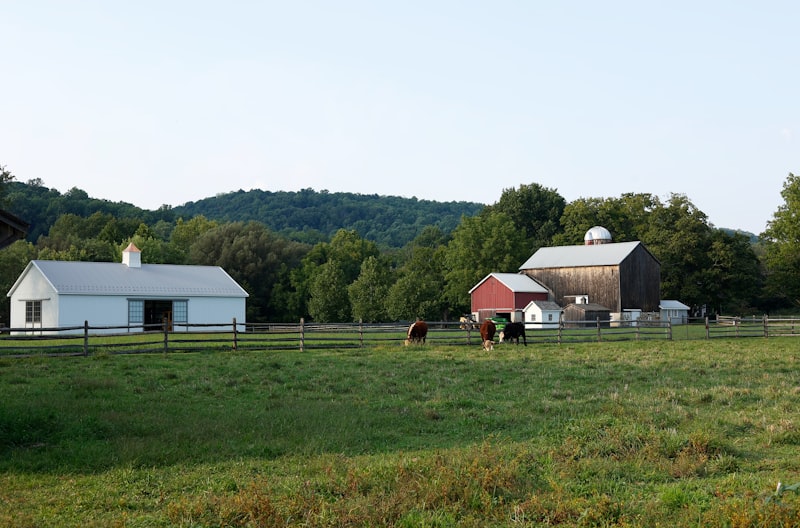
English is bursting with colourful expressions borrowed from the farmyard. Long before cities sprawled across the landscape, people lived alongside animals every single day. They milked cows at dawn, herded sheep across hillsides, and kept a watchful eye on the henhouse. It is no wonder, then, that so many of our most vivid idioms come straight from rural life.
英语中充满了源自农场的丰富表达。在城市扩张之前,人们每天都与动物为伴。他们黎明挤牛奶、在山坡上放牧、看守鸡舍。难怪我们最生动的习语有这么多来自乡村生活。
In this first instalment of our Weekly Idioms series, we are going to explore 11 farmyard and animal idioms that native English speakers still use constantly. For each one, you will find the meaning, a brief look at where it came from, and two example sentences to help you start using it right away.
在我们每周习语系列的第一期中,我们将探索英语母语者至今仍经常使用的11个农场和动物习语。每个习语都附有含义、简要来历和两个例句,帮助你立刻开始使用。

1. Locking the Barn Door After the Horse Has Bolted
亡羊补牢(马已跑了才锁谷仓门)
Meaning 含义: Taking precautions or corrective action after the problem has already occurred — when it is too late to make a difference.
在问题已经发生之后才采取预防或补救措施——为时已晚。
Origin 来历: This idiom dates back to at least the medieval period in England, when horses were among the most valuable possessions a farmer could own. If a horse escaped because someone forgot to lock the stable door, there was no point securing the latch afterward — the damage was done. The earliest written form appears in John Gower’s Confessio Amantis (1390), and variants of the saying exist across many European languages, reflecting the universal experience of farm life in the Middle Ages.
Examples 例句:
- Installing a security system after the burglary is just locking the barn door after the horse has bolted.
- They only started backing up their data after the server crash — talk about locking the barn door after the horse has bolted!
2. Don’t Count Your Chickens Before They Hatch
别高兴得太早(小鸡没孵出来别先数)
Meaning 含义: Do not make plans based on something that has not happened yet; do not assume success before it is confirmed.
不要根据尚未发生的事情制定计划;不要在成功确认之前就假设成功。
Origin 来历: This proverb can be traced back to Aesop’s fable The Milkmaid and Her Pail from ancient Greece, in which a milkmaid daydreams about all the things she will buy with the money from her milk — only to spill the pail. The modern English version was popularised by Thomas Howell in his 1570 collection New Sonnets and Pretty Pamphlets. Farmers have always known that not every egg in the clutch will successfully produce a chick.
Examples 例句:
- You haven’t received the job offer yet, so don’t count your chickens before they hatch.
- She was already planning the victory party, but her coach warned her: don’t count your chickens before they hatch.

3. The Black Sheep of the Family
家里的害群之马(黑羊)
Meaning 含义: A person who is regarded as a disgrace or an outsider within their family or group.
被视为家庭或团体中的耻辱或局外人。
Origin 来历: In flocks of white sheep, a black sheep occasionally appears due to a recessive gene. Black wool could not be dyed and was therefore worth significantly less at market. Farmers considered black sheep undesirable, and by the 18th century the phrase was being applied to people who did not fit in with their families. The earliest recorded figurative use dates to around 1786.
Examples 例句:
- While all his siblings became lawyers, Tom became a street musician — he was always the black sheep of the family.
- She felt like the black sheep at the reunion because she was the only one who had dropped out of university.
4. Wild Goose Chase
徒劳无功(追野鹅)
Meaning 含义: A hopeless or pointless pursuit of something that is impossible or does not exist.
对不可能或不存在的事物进行毫无希望或毫无意义的追求。
Origin 来历: Surprisingly, this phrase has nothing to do with chasing actual geese. It originally referred to a type of horse race in Elizabethan England where riders had to follow the lead rider’s exact path — much like geese fly in formation behind a leader. William Shakespeare used it in Romeo and Juliet (1597), and by the 18th century it had come to describe any futile search.
Examples 例句:
- The detective spent weeks on what turned out to be a wild goose chase — the suspect had left the country months ago.
- Searching for a parking spot in the city centre on a Saturday is always a wild goose chase.

5. Hold Your Horses
别急(勒住你的马)
Meaning 含义: Be patient; wait a moment before doing something hasty.
要有耐心;在做出草率的事情之前等一等。
Origin 来历: This expression comes directly from the world of horse-drawn carriages and riding. Drivers or riders would literally need to hold their horses back to prevent them from bolting. The figurative use became common in 19th-century America and appeared in print by the 1840s, especially in frontier and Western settings.
Examples 例句:
- Hold your horses! We haven’t finished checking the contract yet.
- Before you send that angry email, hold your horses and think about what you really want to say.
6. Let the Cat Out of the Bag
泄露秘密(把猫从袋子里放出来)
Meaning 含义: To accidentally reveal a secret or surprise.
不小心泄露秘密或惊喜。
Origin 来历: One popular theory traces this back to medieval marketplaces, where dishonest merchants would sell piglets in cloth bags. A buyer who opened the bag before paying might discover a cat instead of the more valuable pig — thus the secret fraud was revealed. The phrase has been in common use since at least the 1760s and appears in the London Magazine in 1760.
Examples 例句:
- We were planning a surprise party, but James let the cat out of the bag when he mentioned the cake.
- The company accidentally let the cat out of the bag about the new product by posting a photo too early on social media.

7. Beat a Dead Horse
做无用功(鞭打死马)
Meaning 含义: To waste effort on something that is already resolved, finished, or hopeless.
在已经解决、结束或无望的事情上浪费精力。
Origin 来历: The image is grim but effective: whipping a dead horse will not make it move. The phrase became popular in British Parliament during the 19th century, when politician John Bright used it in 1867 to describe colleagues who kept debating a bill that had already been decided. In British English, the more common form is “flog a dead horse.”
Examples 例句:
- I know you’re upset about the decision, but complaining to the manager now is just beating a dead horse.
- They keep arguing about last year’s budget — they’re clearly beating a dead horse.
8. The Straw That Broke the Camel’s Back
压死骆驼的最后一根稻草
Meaning 含义: A small, seemingly insignificant event that causes a much bigger reaction because it follows a long series of problems.
一个看似微不足道的小事引发了更大的反应,因为它发生在一系列问题之后。
Origin 来历: The concept is simple: a camel can carry an enormous load, but even one extra piece of straw beyond its limit will cause it to collapse. The proverb appeared in Charles Dickens’ Dombey and Son (1848), though earlier versions referenced “the last feather that breaks the horse’s back,” showing how the expression evolved from farm animals to the more exotic camel.
Examples 例句:
- She had been tolerating his lateness for months, but missing their anniversary dinner was the straw that broke the camel’s back.
- The extra homework was the straw that broke the camel’s back — the students finally complained to the head teacher.

9. Until the Cows Come Home
遥遥无期(等到牛回家)
Meaning 含义: For a very long time; indefinitely.
很长时间;无限期地。
Origin 来历: Cows are famously slow and unhurried animals. Left to graze in distant pastures, they take their sweet time returning to the barn for milking — sometimes not wandering back until sunset or later. The phrase has been used since at least the late 16th century and appeared in Beaumont and Fletcher’s play The Scornful Lady (1616).
Examples 例句:
- You can argue with him until the cows come home, but he’ll never change his mind.
- We could wait until the cows come home for a taxi on New Year’s Eve — let’s just walk.
10. Pig Out
大吃大喝(像猪一样吃)
Meaning 含义: To eat a large amount of food in a greedy or enthusiastic manner.
贪婪地或热情地吃大量食物。
Origin 来历: Pigs have long been associated with hearty, messy, and enthusiastic eating. Anyone who has watched pigs at a feeding trough knows they eat with tremendous gusto. The slang expression pig out became popular in American English during the 1970s, likely originating in college and youth culture, and quickly spread to other English-speaking countries.
Examples 例句:
- After the marathon, the runners pigged out on pizza and ice cream.
- I know I shouldn’t pig out before bed, but that leftover lasagna was calling my name.

11. Separate the Sheep from the Goats
区分优劣(把绵羊和山羊分开)
Meaning 含义: To distinguish between good and bad, or between those who are capable and those who are not.
区分好与坏,或区分有能力者和无能力者。
Origin 来历: This expression has biblical roots, coming from the Gospel of Matthew (25:31-46), where Jesus describes the Last Judgement as a shepherd separating sheep from goats. Sheep were considered valuable, gentle, and obedient, while goats were seen as wilful and troublesome. In everyday modern English, the phrase is used whenever someone needs to sort the worthy from the unworthy.
Examples 例句:
- The final exam really separated the sheep from the goats — only the students who had studied consistently passed.
- The tough interview process is designed to separate the sheep from the goats and find the best candidates.
Watch and Learn 观看学习: Animal Idioms in Action
Want to hear these kinds of idioms used in natural, flowing English? This excellent video lesson covers common animal idioms with clear explanations and examples:
想听到这些习语在自然流畅的英语中使用吗?这个精彩的视频课程用清晰的解释和例子介绍了常见的动物习语:
If you enjoy exploring the English language, you might also like our article Vocabulary Jeopardy Game — Grade 2 Review. For more learning resources, check out 英文文法技巧 (English Grammar Tips) | 10 Common Grammar Mistakes Taiwan Students Make.
如果你喜欢探索英语,你可能还会喜欢我们的文章 Vocabulary Jeopardy Game — Grade 2 Review。更多学习资源请查看 英文文法技巧 (English Grammar Tips) | 10 Common Grammar Mistakes Taiwan Students Make。
For further reading on English idioms and their fascinating histories, the Oxford Learner’s Dictionary idiom reference is an excellent resource. You can also explore the Merriam-Webster Dictionary for American English definitions and usage notes, or browse the Cambridge Dictionary.
如需进一步了解英语习语及其迷人的历史,牛津学习者词典是很好的参考资源。你还可以浏览韦氏词典或剑桥词典。
Put These Idioms to Work 开始使用这些习语
Farmyard idioms are everywhere in English — in newspapers, in movies, in everyday conversations at the office and at home. The best way to remember them is to start using them actively. Try slipping one into a conversation this week, or write a short paragraph using three or four of them together.
农场习语在英语中无处不在——报纸、电影、办公室和家里的日常对话中都有。记住它们的最好方法就是积极使用。试着这周在对话中使用一个,或者写一段话同时用上三四个。
These expressions connect us to centuries of shared human experience with animals and rural life. Even in our modern, digital world, we still reach for the language of the farm when we want to make a point vividly and memorably.
这些表达将我们与几个世纪以来人类与动物和乡村生活的共同经历联系在一起。即使在我们现代的数字世界中,当我们想要生动而令人难忘地表达观点时,仍然会使用农场的语言。
Which of these idioms was new to you? Do you have a similar expression in Chinese? Drop a comment below!
这些习语中哪个对你来说是新的?中文里有类似的表达吗?在下面留言告诉我们!

Stay tuned for next week’s instalment in the Weekly Idioms series, where we will tackle a brand-new theme. Happy learning!
请继续关注下周的每周习语系列,我们将探索一个全新的主题。学习愉快!





 日本語
日本語  English
  繁體中文
繁體中文  한국어
한국어  ไทย
ไทย  Bahasa Indonesia
  Tiếng Việt
  Français