
English Idioms: Time and Speed — 10 Expressions You Need to Know | 時間英文片語 10 個必學表達
時間英文片語 (English idioms about time and speed) 在每天的會議、英文 email、英文影集、新聞報導裡無所不在。台灣上班族在跨國公司開會、跟外國客戶談 deadline、看英文影集追劇時,如果只懂 time、clock、hour、day 這些字面意思,常常會錯過母語人士真正在表達的緊急感、懷舊感、或是對效率的態度。母語人士特別愛用時間相關的 idioms,因為時間是大家共同的經驗,畫面感很強、意思又精準。
This guide unpacks 10 of the most common English idioms about time and speed. 每個 idiom 都附上中文意思 (Chinese meaning)、起源故事 (origin)、以及兩個可以直接複製到對話和寫作裡的例句 (example sentences)。這些表達在 casual chat、商業會議、英文簡報、ESL 課堂上都用得到,特別適合想擺脫課本英文、講出更道地句子的台灣學習者。
快速重點 (Quick answer): 最常用的 English idioms about time 主要圍繞 deadline、效率、懷舊、加班幾個情境。像是 in the nick of time(千鈞一髮)、against the clock(跟時間賽跑)、burn the midnight oil(熬夜苦讀/加班)、at the eleventh hour(最後一刻)、a blast from the past(充滿回憶的東西),都是 email、會議、英文影集裡會反覆出現的時間英文片語。

為什麼台灣學習者要學時間英文片語?(Why time idioms matter)
時間 (time) 是英文中片語最豐富的主題之一。打開任何一份英文新聞、看任何一部好萊塢電影,你都會看到角色 burn the midnight oil、新人 in the nick of time 趕到婚禮、CEO 提醒員工 time is money。這些片語的字面意思 (literal meaning) 通常跟時鐘有關,但每個母語人士一看就懂,因為這些表達已經被使用了好幾百年,從聖經、莎士比亞時代用到現在的 Slack 訊息。
如果你想看懂英文影集 (English drama)、追美劇不靠字幕、或是跟外國同事聊 deadline 與工作壓力,這些 time idioms 是必備工具。它們也經常出現在 IELTS 雅思和 TOEFL 托福的口說考試裡,考官會給道地表達 (natural phrasing) 比課本英文 (textbook English) 更高的分數。如果你想加強整體英文能力,可以搭配我們的 身體部位英文片語 (Body-part idioms) 和 金錢英文片語 (Money idioms) 一起練,把時間、身體、金錢三大日常主題的 idioms 都掌握起來。
10 個必學時間英文片語 (10 English idioms about time)
1. In the nick of time — 千鈞一髮;最後一刻趕上
中文意思 (Chinese meaning): 在最後一秒鐘趕上;千鈞一髮,差一點點就來不及。台灣人很習慣的「踩線」、「壓線」、「最後一刻」的感覺。
起源 (Origin): 「Nick」原本指的是中古時期英國市場跟教會用來記帳的小木棍上刻的一道小凹槽,用來精準計算欠款、出席次數或服務時數。「In the nick」就是剛好對到那一刻 — 不早一格、不晚一格。1500 年代末出現在宗教講道裡,1640 年代「the nick of time」就已經是英文標準片語,用來形容驚險過關的場面。
例句 (Examples):
- The medics arrived in the nick of time — another minute and we would have lost him. (救護人員千鈞一髮趕到 — 再晚一分鐘人就保不住了。)
- I submitted the application in the nick of time, with about thirty seconds left on the portal clock. (我在系統倒數三十秒前壓線送出申請。)
Usage tip: Works in spoken English, casual emails, and slightly formal news writing. Common verbs that pair naturally with it include arrived, caught, submitted, finished, Và made it. 對台灣學習者來說,這是「壓線」最自然的英文翻譯,比 last second 更有道地感。Native speakers often add intensifiers — just, literally, absolutely — to emphasize the close call.
2. Against the clock — 跟時間賽跑;時間壓力大
中文意思 (Chinese meaning): 跟時間賽跑;在很緊的 deadline 壓力下趕工。畫面感很強:時鐘變成你的對手,每一秒鐘都在跟你作對。
起源 (Origin): 來自 19 世紀的競技運動。賽馬、自行車、田徑的「time trial」(計時賽)讓選手一個人跑賽道,挑戰的不是別人而是碼錶 (stopwatch)。1920 年代開始,體育記者把這個說法擴大用到辦公室、新聞編輯室、急診室 — 任何跟時間搏鬥的工作場合。
例句 (Examples):
- The whole team has been working against the clock to ship the new feature before Friday’s launch. (整個團隊都在跟時間賽跑,要在週五上線前推出新功能。)
- With three exams left and only ninety minutes on the clock, she was officially racing against the clock. (還剩三科考試只剩九十分鐘,她真的是在跟時間賽跑了。)
Usage tip: Excellent in project update emails, daily stand-up meetings, and Slack threads where someone needs to flag the urgency. Avoid this one in poetic writing or literary essays — it is a slightly clichéd workhorse phrase that is best used when you want plain, punchy clarity rather than elegance. 跟台灣同事或外國老闆解釋進度壓力時,這句話是最快讓對方理解 deadline 緊急程度的工具。

3. Time flies — 時光飛逝;時間過得很快
中文意思 (Chinese meaning): 時光飛逝;時間過得超快,尤其是忙起來、玩得很開心、或者回頭看的時候。常用的延伸版本是 time flies when you’re having fun(玩得開心時間過特別快)。
起源 (Origin): 直接翻譯自拉丁文 tempus fugit,最早出現在維吉爾 (Virgil) 西元前 29 年的長詩《農事詩》(Georgics) 裡。拉丁文版被刻在歐洲無數個日晷上,英文版本則隨著 1700 年代公共時鐘塔的興起而流行起來。班傑明·富蘭克林在《窮理查年鑑》(Poor Richard’s Almanack) 裡引用 tempus fugit,幫忙把這個片語推進北美殖民地的日常英文。
例句 (Examples):
- I can’t believe my daughter is already starting university — time really flies. (不敢相信我女兒已經要上大學了 — 時間真的過得好快。)
- Time flies when you’re learning a language you actually enjoy. (學一個你真心喜歡的語言時,時間過特別快。)
Usage tip: Works in almost every register, from formal speeches and business email openings to casual LINE messages and reunion small talk. It is a safe, friendly, universally understood phrase that signals warmth and reflection. Native speakers often add a sigh or a chuckle when they say it, so try to match the tone in your delivery when you use it in real conversation.
4. Burn the midnight oil — 熬夜苦讀;加班到深夜
中文意思 (Chinese meaning): 熬夜苦讀、加班到深夜,特別是為了重要又緊急的事情。語感上是「主動且持續地努力」,不是不小心熬到很晚。台灣學生考前準備、上班族趕季報,都很適用。
起源 (Origin): 在電燈出現之前,「midnight oil」指的是天黑後油燈裡燒的燈油。詩人 Francis Quarles 1635 年在詩集《Emblems》裡用過原句:「Wee spend our mid-day sweat, our mid-night oyle」(白天揮汗、深夜燃油)。這個片語從那時候用到現在,跨越了煤氣燈、電燈泡、到現代筆電螢幕的時代。
例句 (Examples):
- I burned the midnight oil all week to finish my thesis before the submission deadline. (我整週熬夜趕論文,要在 deadline 前交出去。)
- Our finance team has been burning the midnight oil to close the quarterly books. (我們財務團隊一直加班到深夜,要把季結帳收掉。)
Usage tip: Slightly formal and respectful in tone — it acknowledges genuine hard work rather than complaining about long hours. Perfect for end-of-year thank-you emails, LinkedIn posts celebrating teammates, performance review write-ups, and short cards left on a colleague’s desk after a brutal week. 用這句話 acknowledge 同事的辛苦,比直接說 “thanks for working late” 更有重量。

5. At the eleventh hour — 最後一刻;拖到最後
中文意思 (Chinese meaning): 在最後一刻,通常是拖了很久之後才趕。比 in the nick of time 更戲劇化、更有「拖延付出代價」的味道。
起源 (Origin): 出自《聖經》<馬太福音 20:1–16> 的「葡萄園的比喻」(Parable of the Vineyard),故事裡在十二小時工作日的第十一個小時才被僱用的工人,跟一早就開始工作的人領一樣多的工錢。這個片語 1700 年代進入日常英文。第一次世界大戰停戰協議在 1918 年 11 月 11 日上午 11 點簽訂,給這個 idiom 第二次的文化生命。
例句 (Examples):
- The contract was saved at the eleventh hour by a last-minute concession from the legal team. (合約在最後一刻被救回來,靠的是法務在最後一秒讓步。)
- He always writes his essays at the eleventh hour and somehow still gets A grades. (他每次都拖到最後一刻才寫論文,但成績還是 A。)
Usage tip: Stronger and more literary than the everyday phrase last minute. It is excellent for news writing, executive summaries, dramatic storytelling, and any context where you want to emphasize that a delay was costly or nerve-wracking. For casual everyday chat with friends, it can sound slightly heavy, so save it for moments when you actually want that dramatic edge.
6. Beat the clock — 趕上 deadline;在時限內完成
中文意思 (Chinese meaning): 在時限內完成;趕在 deadline 前面把事情做完。時鐘被擬人化成「打敗的對手」— 打敗時鐘=贏了。
起源 (Origin): 美國長壽電視節目《Beat the Clock》從 1950 年開始播出,要求參賽者在 60 秒倒數結束前完成各種搞笑挑戰。節目紅了好幾十年,這個片語在 1960 年代從電視走進日常英文。
例句 (Examples):
- We need to beat the clock and get this proposal sent before the client opens her morning email. (我們得趕在客戶早上開信前把提案寄出去。)
- She beat the clock at the airport, sprinting to her gate as the boarding doors began to close. (她在機場壓線趕上,登機門快關時衝到登機口。)
Usage tip: More active and triumphant in tone than against the clock, which only describes the struggle. Beat the clock carries an implicit victory — the deadline was actually met. Use it in retrospectives, celebration messages, project wrap-up emails, and any context where you want to highlight that someone successfully delivered under pressure. 台灣團隊在週會 retro 環節聊上週成績時用這句話,比 “we finished on time” 更有畫面感。

7. In the long run — 長遠來看;最終
中文意思 (Chinese meaning): 從長期來看;最終總結時。用來對比短期的成本或不方便和長期的好處。是台灣上班族寫英文 proposal、做 cost-benefit 分析時必備的轉折語。
起源 (Origin): 18、19 世紀的經濟學家在文章中經常用 “the long run” 跟 “the short run” 對比,討論市場、生產力、政策議題。經濟學家 John Maynard Keynes 在 1923 年寫下名言「In the long run we are all dead」(長期來看,我們都死了),把這個片語正式推進日常英文。
例句 (Examples):
- Buying a slightly more expensive but well-built laptop saves money in the long run. (買稍微貴一點但做工好的筆電,長期來看反而省錢。)
- In the long run, daily fifteen-minute conversations will improve your English more than weekend cramming. (長期下來,每天十五分鐘對話比週末填鴨式背單字更能提升英文。)
Usage tip: An essential connector in business email, English opinion essays, IELTS Task 2 writing answers, and any argument where you want to contrast short-term cost with long-term benefit. Often paired with concession words like although, even though, despite, or while at the start of a sentence. Native business writers also use it to soften aggressive recommendations: “In the long run, this approach will outperform” sounds more measured than a blunt “this is better.”
8. Call it a day — 收工;今天到此為止
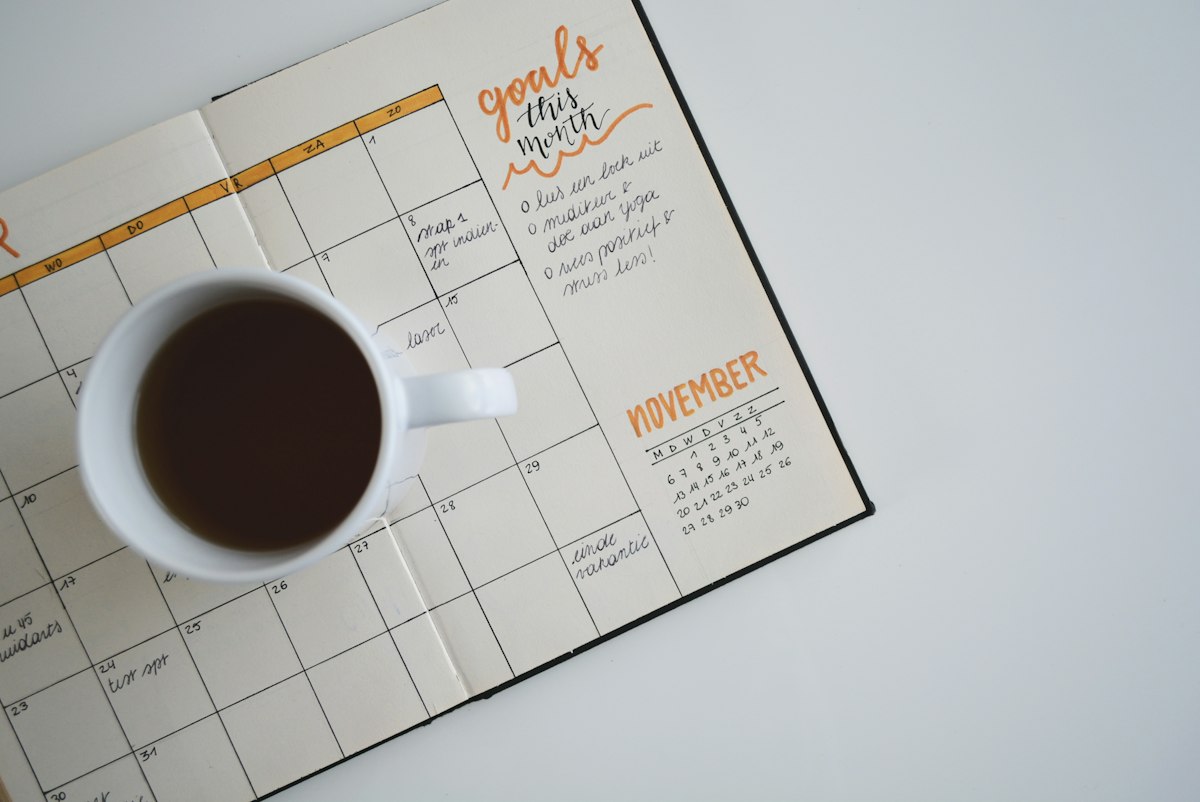
中文意思 (Chinese meaning): 收工、今天到此為止;停下手邊的工作,接受「已經做夠了」的事實。語氣是平和滿足的,不是不耐煩的。台灣人下班前說的「收工囉」、「今天就到這」就是這個感覺。
起源 (Origin): 原本完整的說法是 call it half a day,19 世紀美國工廠工人和礦工在工作量少的日子可以早退使用。1920 年代「call it a day」變成標準說法。後來體育播報員借用這個詞當作運動員退休宣告,意思擴展為「永遠結束某件事」。
例句 (Examples):
- We’ve been on this slide deck for nine hours — let’s call it a day and pick it up fresh tomorrow. (這個簡報我們做九個小時了 — 今天就到這吧,明天再來繼續。)
- After thirty years on the court, the legendary referee finally called it a day. (在球場上 30 年後,傳奇裁判終於宣告退休。)
Usage tip: A friendly, polite, low-friction way to end a long meeting, a marathon work session, or a project that has dragged on too long. Managers love this idiom because it signals “we are stopping” without sounding pushy or impatient. It also pairs well with a smile and a gesture toward the door, the laptop close, or the door of a meeting room. 台灣主管想讓加班同事下班又不想看起來太硬,用這句話最自然。

9. A blast from the past — 充滿回憶;勾起懷舊感的人事物
中文意思 (Chinese meaning): 一個讓人突然湧現懷舊感的人、東西、歌、或經驗。通常是正面的回憶殺,有時候是帶點不好意思的「黑歷史」回憶。台灣人聽到一首高中時期的歌、看到 Nokia 鈴聲、翻到老同學的照片,都是 a blast from the past。
起源 (Origin): 1960 年代美國電台 DJ 開始用「and now, a blast from the past!」介紹經典老歌。1970 年代被全美 oldies 電台 (老歌電台) 採用,到 1980 年代這個片語跳出電台術語,進入日常英文 — 老照片、老同學、復古玩具、懷舊歌曲都可以用。
例句 (Examples):
- Walking into my old high school cafeteria was a complete blast from the past. (走進高中時的學生餐廳,整個回憶湧上來。)
- That ringtone is such a blast from the past — I haven’t heard it since my first Nokia phone. (這個鈴聲超級回憶殺 — 我自從第一支 Nokia 之後就沒聽過了。)
Usage tip: Light, friendly, and very conversational in tone. Perfect for social media captions paired with throwback photos, casual catch-up emails with old friends and former classmates, and replies to reunion invitations. It also works well as a quick reaction in a group chat when someone shares a nostalgic photo, song, or video clip from years ago. Use it freely — it almost never sounds wrong in informal English.

10. Time is money — 時間就是金錢
中文意思 (Chinese meaning): 時間就是金錢,時間有實際的經濟價值,所以不能浪費。是英文世界裡對效率、準時、保護自己行事曆的經典理由。台灣上班族超有共鳴。
起源 (Origin): 班傑明·富蘭克林在 1748 年的文章《Advice to a Young Tradesman》裡寫下:「Remember that time is money. He that can earn ten shillings a day by his labour, and goes abroad, or sits idle, one half of that day…has really spent or thrown away five shillings.」這句話變成工業革命的非官方口號,現在大概是全世界引用最多的英文時間片語。
例句 (Examples):
- Let’s keep this stand-up short — time is money, and we have a launch in six hours. (這個 stand-up 開短一點 — 時間就是金錢,我們六小時後要上線。)
- As a freelancer she lives by the rule that time is money: every meeting is either billed or politely declined. (作為自由工作者,她奉行「時間就是金錢」原則:每場會議不是收費就是禮貌婉拒。)
Usage tip: A classic cliché — use sparingly, because overuse makes it sound stale or even rude. Save it for the genuine moments when you need to justify protecting your schedule in a business context, push back on a wasteful meeting request, or set polite expectations with a client. When the phrase lands at the right moment, it ends arguments quickly because almost everyone agrees with the underlying logic.
影片教學:六個時間英文片語 (Video lesson)
這支 engVid 的 Rebecca 老師短片帶你過六個高頻時間 idioms,發音清楚、有完整例句。可以當作上面文字版的延伸聽力練習,搭配閱讀效果加倍。
如何把時間英文片語融入日常 (How to actually use these idioms)
把這些 idioms 內化最快的方法不是背 — 而是在真實情境中刻意使用。隊友趕上會議時跟他說「You made it in the nick of time!」;今天加班晚下班 LINE 群組就傳「Calling it a day at last 😴」;同事熬夜趕季報,幫他發訊息肯定他「Thanks for burning the midnight oil this week」。每一次重複都是免費的記憶強化。
同樣的 idioms 配上不同情境就會印象更深:用 in the long run 跟另一半討論該不該換車;用 against the clock 形容週五前要交的 proposal;用 a blast from the past 留言給老同學的限時動態。用英文輸出 = 真的學會,這是台灣學習者最容易卡住的階段,需要刻意練習。
如果你想擴大 idiom 武器庫,可以再搭配我們的 金錢英文片語、工作與成功英文片語、以及 食物英文片語 一起練,把生活、職場、社交三個情境的 idioms 都打包學起來。
給台灣學習者的最後一個提醒 (Final thoughts)
時間英文片語的學習報酬率超高 — 學會就能立刻看懂英文新聞標題、追美劇不靠字幕、跟外國同事聊 deadline 時不再卡卡。把上面 10 個 idioms 連同它們的起源故事、文化背景、以及實際用法一起學,這週就能在 LINE 群組、辦公室英文 email、英文 podcast 裡開始用得到。學習語言最甜的時刻,就是「我剛剛聽懂了!」— 而時間英文片語,是你下一週就能體驗到那個甜頭的捷徑。
Looking for free ESL worksheets for your classroom? Browse our free worksheet library →
Are you a teacher? Find lesson resources and worksheets at TahricTeaches.com.





 Tiếng Việt
  English
  繁體中文
繁體中文  日本語
日本語  한국어
한국어  ไทย
ไทย  Bahasa Indonesia
  Français